


























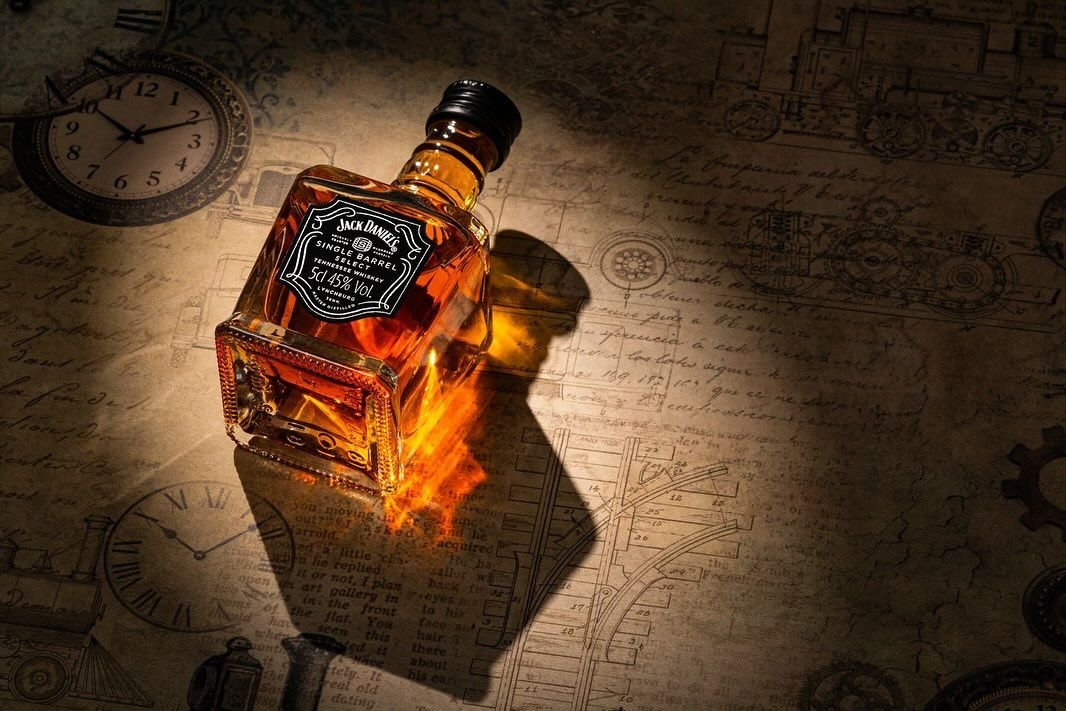
Introduction: The Evolution of Whisky
Whisky, steeped in centuries of tradition, has always balanced art and science. While heritage distilleries maintain time-honored methods, modern innovation is reshaping production, marketing, and consumption. Craft distilleries, experimental cask techniques, and technological advances are expanding the boundaries of flavor, accessibility, and cultural engagement.
This article explores how innovation intersects with tradition, the rise of craft distilleries worldwide, technological influence, market dynamics, and the trends shaping the future of whisky.
1. The Rise of Craft Distilleries
1.1 Definition and Philosophy
- Craft distilleries emphasize small-batch production, high-quality ingredients, and unique flavor profiles
- Focus on authenticity, creativity, and local identity distinguishes them from large-scale commercial distilleries
1.2 Global Expansion
- North America: Over 1,500 craft distilleries in the U.S., producing bourbon, rye, and experimental spirits
- Europe: Scotland and Ireland see a resurgence in boutique single malts and gin-whisky hybrid production
- Asia-Pacific: Japan, India, and Australia leverage regional ingredients and heritage techniques
1.3 Signature Innovations in Craft Whisky
- Experimental casks: rum, port, wine, and exotic wood
- Alternative grains: quinoa, buckwheat, and heirloom barley
- Limited small-batch releases increase scarcity, appeal, and storytelling
2. Technological Innovations in Whisky Production
2.1 Distillation and Fermentation Advances
- Modern column stills and hybrid pot-column systems increase precision without sacrificing flavor
- High-tech fermentation monitoring ensures consistency, optimized yeast performance, and desired flavor compounds
2.2 Data-Driven Quality Control
- Sensors monitor temperature, humidity, and alcohol content during maturation
- Predictive analytics forecast optimal aging periods and flavor development
2.3 Barrel Aging and Experimentation
- RFID and IoT-enabled barrels track environmental impact and maturation
- Innovative cask finishes (sake, sherry, port, tequila) enhance complexity and diversity
3. Whisky Marketing Innovation
3.1 Storytelling and Brand Identity
- Modern consumers seek narratives connecting product, culture, and maker
- Distilleries emphasize heritage, environmental stewardship, and craftsmanship
3.2 Limited Editions and Collectibles
- Exclusive releases drive excitement, engagement, and secondary market activity
- Collaboration with artists, designers, or other spirits brands enhances uniqueness
3.3 Digital Engagement
- Social media, interactive apps, and online communities connect global enthusiasts
- Virtual tastings and augmented reality packaging provide immersive experiences
4. Sustainability in Whisky Production
4.1 Environmental Responsibility
- Water conservation, renewable energy, and waste reduction reduce ecological impact
- Some distilleries reuse spent grain as animal feed or biofuel
4.2 Organic and Local Ingredients
- Use of organic grains, local water sources, and sustainable oak supports environmental and cultural authenticity
4.3 Carbon-Neutral Whisky
- Several craft distilleries aim for carbon-neutral certification
- Reduces industry footprint while appealing to environmentally conscious consumers

5. Consumer Trends Shaping Innovation
5.1 Premiumization and Experiential Consumption
- Consumers increasingly pay for unique, high-quality expressions
- Tasting events, distillery tours, and mixology experiences enhance engagement
5.2 Younger Demographics and Digital Natives
- Millennials and Gen Z favor storytelling, sustainability, and experimentation
- Social media exposure creates trends around rare releases and limited editions
5.3 Health-Conscious Drinking
- Low-alcohol and flavored whiskies appeal to moderate consumption trends
- Whisky-infused beverages, ready-to-drink cocktails, and smaller serving sizes enhance accessibility
6. Global Craft Distillery Case Studies
6.1 Scotland: Clynelish and Experimental Casks
- Clynelish Distillery emphasizes exotic cask experimentation
- Limited small-batch releases attract global collectors
6.2 Japan: Chichibu’s Artisanal Approach
- Focus on small-batch production with meticulous attention to detail
- Unique maturation methods and terroir-specific flavors set it apart
6.3 United States: Craft Bourbon and Rye Renaissance
- Distilleries like Westland, Balcones, and High West innovate with barley selection, cask types, and blending techniques
- Local sourcing and storytelling resonate with consumers
6.4 Australia and India: Emerging Craft Markets
- Australian distilleries leverage climate-specific maturation and regional grains
- Indian craft whisky utilizes tropical aging conditions to accelerate complexity
7. Technological Influence on Whisky Culture
7.1 Smart Distilleries
- IoT devices, real-time monitoring, and AI forecasting optimize production
- Enhances efficiency without compromising tradition
7.2 Digital Whisky Experiences
- Virtual tastings connect global consumers with distilleries remotely
- Online platforms allow collectors to trade, verify, and auction rare bottles
7.3 Blockchain and Provenance
- Ensures authenticity, prevents counterfeiting, and tracks ownership
- Increasingly used for rare, high-value whisky releases
8. Future Market Trends
8.1 Emerging Markets
- Asia-Pacific and Latin America show growing demand
- Whisky festivals, tasting bars, and premium products expand exposure
8.2 Flavor Innovation
- Non-traditional grains, hybrid spirits, and barrel finishes diversify offerings
- Collaborations with wine, rum, and beer industries create novel experiences
8.3 Experiential Branding
- Pop-up bars, immersive tastings, and limited-edition experiences create emotional engagement
- Story-driven marketing enhances consumer loyalty and brand awareness
8.4 Investment and Collectibility
- Limited editions and small-batch releases retain and increase value
- Secondary market for rare bottles continues to grow globally
9. Challenges and Opportunities
9.1 Regulatory Challenges
- International trade, labeling laws, and aging regulations affect global expansion
- Compliance with environmental and safety standards is critical
9.2 Balancing Tradition and Innovation
- Maintaining authenticity while experimenting with new methods is essential
- Consumer education helps mitigate resistance to unconventional products
9.3 Market Competition
- Increasing number of craft distilleries creates both opportunity and saturation
- Differentiation through flavor, story, and experience becomes key
10. Conclusion: The Future of Whisky
Whisky continues to evolve at the intersection of tradition, innovation, and lifestyle. Craft distilleries, technological advancements, and creative marketing redefine the industry, expanding accessibility while preserving heritage.
The future promises:
- Greater global participation through craft production and emerging markets
- Innovative flavors and maturation techniques enhancing diversity
- Sustainable and ethical practices shaping industry standards
- Integration of technology in production, tasting, and authentication
- Whisky as an experience-driven lifestyle, appealing to consumers and collectors alike
From the single malt of a Scottish distillery to a rare Japanese small-batch expression, whisky embodies both history and innovation. Its evolution ensures that whisky remains not only a beverage but a cultural phenomenon, a collectible, and a medium for personal and shared experiences worldwide.