






























Introduction
Few beverages in human history possess the symbolic power of Champagne. More than simply a sparkling wine, Champagne represents luxury, celebration, romance, prestige, craftsmanship, and cultural ritual. Around the world, people open bottles of Champagne to mark weddings, victories, anniversaries, promotions, artistic achievements, and historic moments. The sound of a cork popping instantly signals festivity and emotion.
Yet behind the glamour and golden bubbles lies one of the most technically demanding wines ever produced. Champagne is not merely carbonated wine. It is the result of centuries of experimentation, agricultural precision, chemistry, patience, and meticulous craftsmanship.
The Champagne region of northeastern France transformed itself from a cold and difficult wine-growing area into one of the most prestigious wine-producing regions on Earth. Through innovation, branding, and strict quality control, Champagne became a global symbol of sophistication.
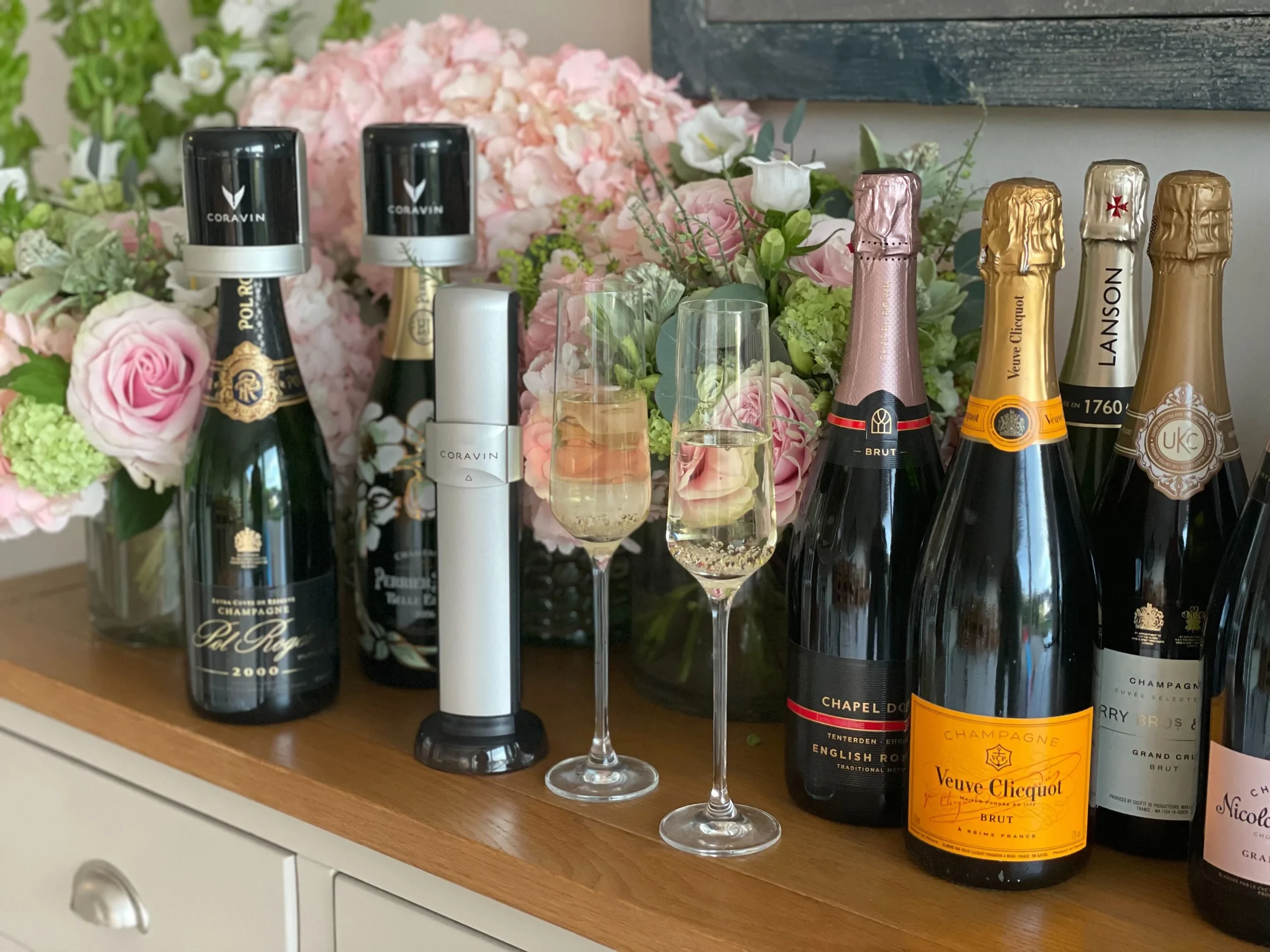
Today, Champagne occupies a unique position in both wine culture and luxury culture. Historic houses such as Moët & Chandon, Veuve Clicquot, Dom Pérignon, Krug, Bollinger, and Louis Roederer produce bottles recognized internationally. Meanwhile, smaller grower-producers increasingly attract enthusiasts seeking terroir-driven individuality.
Champagne also reflects broader themes within human culture:
- The relationship between luxury and identity
- The science of fermentation and carbonation
- The economics of branding
- The psychology of celebration
- The power of regional protection laws
- The intersection of agriculture and artistry
Despite fierce competition from other sparkling wines such as Prosecco, Cava, and English sparkling wine, Champagne remains unmatched in prestige.
Understanding Champagne requires exploring not only flavor, but also geography, history, chemistry, culture, economics, and ritual.
This article examines Champagne’s remarkable journey from accidental sparkling wine to global icon. Through this exploration, it becomes clear why Champagne continues to occupy a singular place in the world of wine.
The Historical Origins of Champagne
The history of Champagne begins long before sparkling wine itself.
The Champagne region has produced wine since Roman times. However, the cold northern climate created serious difficulties for early winemakers.
During winter, fermentation often stopped prematurely because low temperatures caused yeast activity to slow or halt completely.
When spring temperatures returned, fermentation sometimes restarted inside bottles.
This secondary fermentation produced carbon dioxide gas.
Because early bottles were weak and inconsistent, pressure frequently caused explosions.
For centuries, sparkling wine was considered a flaw rather than a desirable feature.
French winemakers referred to these exploding bottles as “devil’s wine.”
Yet over time, attitudes changed.
Consumers in England, where stronger glass bottles existed, began appreciating sparkling wines. British merchants and scientists also contributed to advancements in bottling and cork technology.
One of the most famous figures associated with Champagne is Dom Pierre Pérignon, a Benedictine monk from the seventeenth century.
Popular mythology often credits him with inventing Champagne and exclaiming, “Come quickly, I am tasting the stars!”
In reality, the story is heavily romanticized.
Dom Pérignon did not invent sparkling wine, but he made important contributions to viticulture and blending techniques.
His work emphasized:
- Vineyard management
- Careful grape selection
- Blending precision
- Wine clarity
These practices later became central to Champagne production.
By the eighteenth century, Champagne houses began emerging.
Entrepreneurs recognized that sparkling wine possessed enormous commercial potential.
The development of stronger bottles and reliable cork closures allowed Champagne production to expand more safely.
Champagne gradually evolved from unpredictable curiosity into luxury product.
Why Champagne Can Only Come From Champagne
One of the most important aspects of Champagne is geographic identity.
Under French and international law, only sparkling wine produced in the Champagne region using approved methods may legally use the name “Champagne.”
This protection reflects the concept of appellation.
The Champagne Appellation d’Origine Contrôlée (AOC) strictly regulates:
- Vineyard locations
- Grape varieties
- Harvest yields
- Pressing methods
- Aging requirements
- Production techniques
The region’s identity became so valuable that Champagne producers fought aggressively to protect the name internationally.
This legal protection contributes enormously to Champagne’s prestige and economic power.
The Champagne region itself contains several important subregions:
- Montagne de Reims
- Vallée de la Marne
- Côte des Blancs
- Côte des Bar
Each area possesses distinct soil compositions, microclimates, and grape characteristics.
Chalky soils play a particularly important role.
These soils provide:
- Excellent drainage
- Water retention
- Mineral influence
- Temperature regulation
The underground chalk cellars beneath Champagne houses also create ideal aging conditions.
Thus, geography deeply shapes Champagne identity.
The Three Primary Champagne Grapes
Although several grape varieties are permitted, three dominate Champagne production.
Chardonnay
Chardonnay contributes:
- Elegance
- Acidity
- Citrus notes
- Floral aromas
- Longevity
Blanc de Blancs Champagne uses only white grapes, typically Chardonnay.
These wines are often associated with precision and freshness.
Pinot Noir
Pinot Noir adds:
- Structure
- Red fruit character
- Body
- Power
It is especially important in the Montagne de Reims region.
Pinot Meunier
Pinot Meunier contributes:
- Fruitiness
- Approachability
- Early-drinking charm
Historically undervalued, Pinot Meunier has gained increasing respect among modern producers.
The art of blending these grapes allows producers to create consistent house styles year after year.
The Méthode Champenoise: Science and Precision
Champagne production involves one of the most complex winemaking methods in the world.
The traditional Champagne method is known as méthode champenoise or méthode traditionnelle.
First Fermentation
Like still wine, Champagne begins with grape harvesting and fermentation.
The resulting base wines are highly acidic and relatively low in alcohol.
Blending
Blending is perhaps the most important artistic stage.
Champagne houses combine wines from:
- Different vineyards
- Different grape varieties
- Different years
This allows producers to maintain consistent flavor profiles.
Some prestige cuvées may contain reserve wines aged for many years.
Secondary Fermentation
After blending, winemakers add yeast and sugar before bottling.
This mixture is called the liqueur de tirage.
The bottle is sealed, and secondary fermentation begins.
Yeast consumes sugar and produces carbon dioxide.
Because the bottle is sealed, gas dissolves into the wine.
This process creates Champagne’s bubbles.
Lees Aging
After fermentation, Champagne ages on dead yeast cells called lees.
Lees aging contributes:
- Bread aromas
- Brioche notes
- Creamy texture
- Nutty complexity
Some prestige Champagnes age on lees for many years.
Riddling
Traditionally, bottles were gradually rotated and tilted downward to collect yeast sediment near the neck.
This process is called riddling.
Although machines now automate much riddling, the technique remains iconic.
Disgorgement
The bottle neck is frozen, and pressure ejects the sediment plug.
Dosage
A final sugar-and-wine mixture called dosage determines sweetness level.
Styles include:
- Brut Nature
- Extra Brut
- Brut
- Demi-Sec
This final adjustment strongly influences balance.
The complexity of Champagne production explains both its prestige and cost.
Vintage vs Non-Vintage Champagne
Most Champagne sold worldwide is non-vintage.
Non-Vintage Champagne
Non-vintage Champagne blends wines from multiple years.
The goal is consistency.
Consumers expect recognizable house style regardless of vintage variation.
Vintage Champagne
Vintage Champagne uses grapes from a single exceptional harvest year.
These wines are typically:
- More complex
- Longer-lived
- More expensive
- Produced only in strong years
Prestige vintage releases often become collectible luxury items.
Prestige Cuvées and Luxury Identity
Champagne houses increasingly developed prestige bottlings to reinforce exclusivity.
Famous prestige cuvées include:
- Dom Pérignon
- Cristal
- Krug Grande Cuvée
- Salon
- La Grande Dame
These wines emphasize:
- Exceptional vineyard selection
- Extended aging
- Luxury presentation
- Limited production
Cristal, originally created for Russian royalty, became particularly associated with wealth and celebrity culture.
Prestige cuvées transformed Champagne into global luxury symbol.
Packaging, bottle design, and storytelling became essential marketing tools.
Champagne and the Culture of Celebration
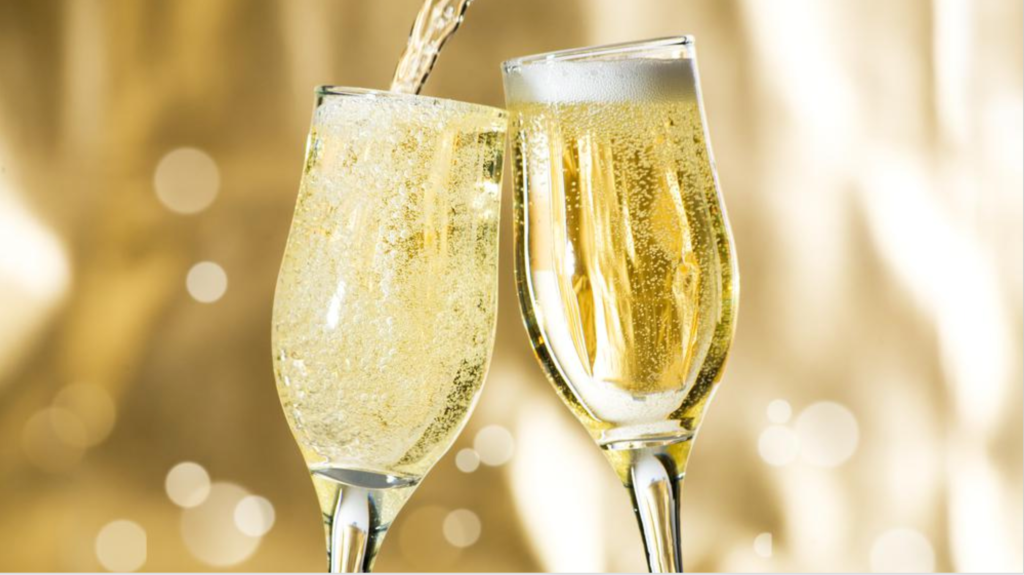
No beverage is more closely associated with celebration than Champagne.
Champagne rituals appear across global culture:
- Weddings
- New Year celebrations
- Sporting victories
- Film premieres
- Business achievements
- Political events
- Artistic ceremonies
Why did Champagne become the universal drink of celebration?
Several factors contributed.
Rarity and Expense
Historically, Champagne was expensive and associated with aristocracy.
Opening Champagne signaled wealth and importance.
Theatrical Presentation
The popping cork and flowing bubbles create sensory drama.
Champagne visually communicates excitement.
Association With Royalty
European courts frequently consumed Champagne.
Luxury branding reinforced aristocratic connections.
Marketing and Media
Advertising campaigns strongly linked Champagne with glamour and success.
Hollywood further amplified these associations.
Over time, Champagne became emotionally embedded within milestone moments.
Today, many people instinctively associate Champagne with joy and achievement.
Champagne in Popular Culture
Champagne occupies a major place in music, cinema, literature, and fashion.
In films, Champagne often symbolizes:
- Sophistication
- Wealth
- Romance
- Excess
- Celebration
Luxury brands frequently collaborate with:
- Fashion houses
- Celebrities
- Artists
- Sporting events
Hip-hop culture especially embraced Champagne symbolism during the late twentieth and early twenty-first centuries.
Brands such as Cristal and Ace of Spades became status symbols within music culture.
Champagne’s imagery evolved beyond European aristocracy into broader global luxury culture.
The Economics of Champagne
Champagne represents a massive global industry.
Major Champagne houses produce millions of bottles annually.
Exports generate billions in revenue.
Luxury pricing depends on:
- Brand heritage
- Vineyard ownership
- Production costs
- Aging time
- Marketing prestige
The region’s limited land supply also contributes to high grape prices.
Some vineyard land in Champagne ranks among the world’s most expensive agricultural property.
Large houses coexist with smaller grower-producers.
Grower Champagnes gained popularity among enthusiasts seeking terroir expression and artisanal identity.
These smaller producers often emphasize individuality over consistent corporate style.
Climate Change and the Future of Champagne
Climate change poses significant challenges for Champagne.
Warmer temperatures affect:
- Harvest timing
- Acidity levels
- Sugar ripeness
- Disease pressure
- Water balance
Historically cool conditions helped define Champagne’s high-acid profile.
Rising temperatures may alter regional identity.
Some producers experiment with:
- New vineyard management techniques
- Alternative grape varieties
- Sustainability initiatives
- Earlier harvests
Ironically, warming temperatures also allowed countries such as England to produce increasingly respected sparkling wines.
English sparkling wine now competes seriously with some traditional Champagne styles.
The future may therefore reshape global sparkling wine hierarchy.
The Art of Tasting Champagne
Champagne tasting involves careful sensory evaluation.
Appearance
Observers evaluate:
- Bubble size
- Bubble persistence
- Color clarity
Fine bubbles are often associated with quality.
Aroma
Champagne aromas may include:
- Citrus
- Apple
- Pear
- Brioche
- Almond
- Toast
- Honey
- Chalk minerality
Palate
Texture matters greatly.
High-quality Champagne often combines:
- Vibrant acidity
- Creamy mousse
- Precision
- Balance
Aging Potential
Although many consumers drink Champagne young, great bottles can age for decades.
Aged Champagne may develop:
- Mushroom notes
- Hazelnut aromas
- Honey complexity
- Truffle-like depth
These mature characteristics fascinate collectors and sommeliers.
Sustainability and Modern Champagne Production
Modern Champagne producers increasingly prioritize sustainability.
Environmental concerns include:
- Pesticide use
- Water management
- Carbon emissions
- Packaging waste
- Soil preservation
Many houses now invest in:
- Organic viticulture
- Biodiversity programs
- Lightweight bottles
- Renewable energy
- Sustainable farming practices
Consumers increasingly expect luxury products to demonstrate environmental responsibility.
Champagne’s future may depend partly on balancing prestige with ecological stewardship.
Conclusion
Champagne occupies a unique position within global culture.
It is simultaneously agricultural product, scientific achievement, luxury symbol, emotional ritual, and artistic expression.
From the chalk soils of northeastern France emerged a beverage capable of transforming ordinary moments into celebrations.
The story of Champagne reflects centuries of experimentation, adaptation, and branding brilliance.
What began as unstable sparkling wine eventually became the world’s most famous symbol of festivity and prestige.
Yet Champagne’s power extends beyond marketing.
Its complexity genuinely reflects extraordinary craftsmanship.
Every bottle represents:
- Vineyard labor
- Blending artistry
- Fermentation science
- Patience during aging
- Generations of tradition
The sound of a Champagne cork continues to carry emotional meaning across cultures.
It signals hope, success, joy, and human connection.
In an age of rapid digital communication and fleeting experiences, Champagne remains profoundly physical and ceremonial.
People gather, pour, toast, and celebrate together.
That ritual helps explain why Champagne continues captivating the world after centuries of change.
More than sparkling wine, Champagne became a universal language of celebration itself.










