




















Introduction
Wine occupies a unique psychological position among beverages. While many drinks provide refreshment or intoxication, wine often carries emotional, symbolic, and cultural meaning far beyond its physical properties.
People associate wine with romance, celebration, sophistication, nostalgia, and personal identity. A single bottle may remind someone of a wedding, a family dinner, a vacation, or a meaningful conversation.
The psychology of wine explores how perception, memory, expectation, culture, and emotion shape the wine experience.
Understanding these psychological dimensions reveals why wine remains one of the world’s most emotionally powerful beverages.
Sensory Perception and Expectation
Wine tasting is highly influenced by expectation.
Research demonstrates that people frequently perceive wine differently depending on price, label design, or reputation.
When consumers believe a wine is expensive, they often describe it as tasting better even if the liquid is identical.
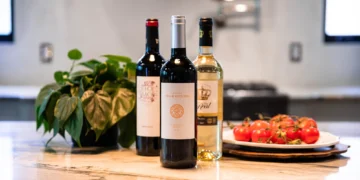
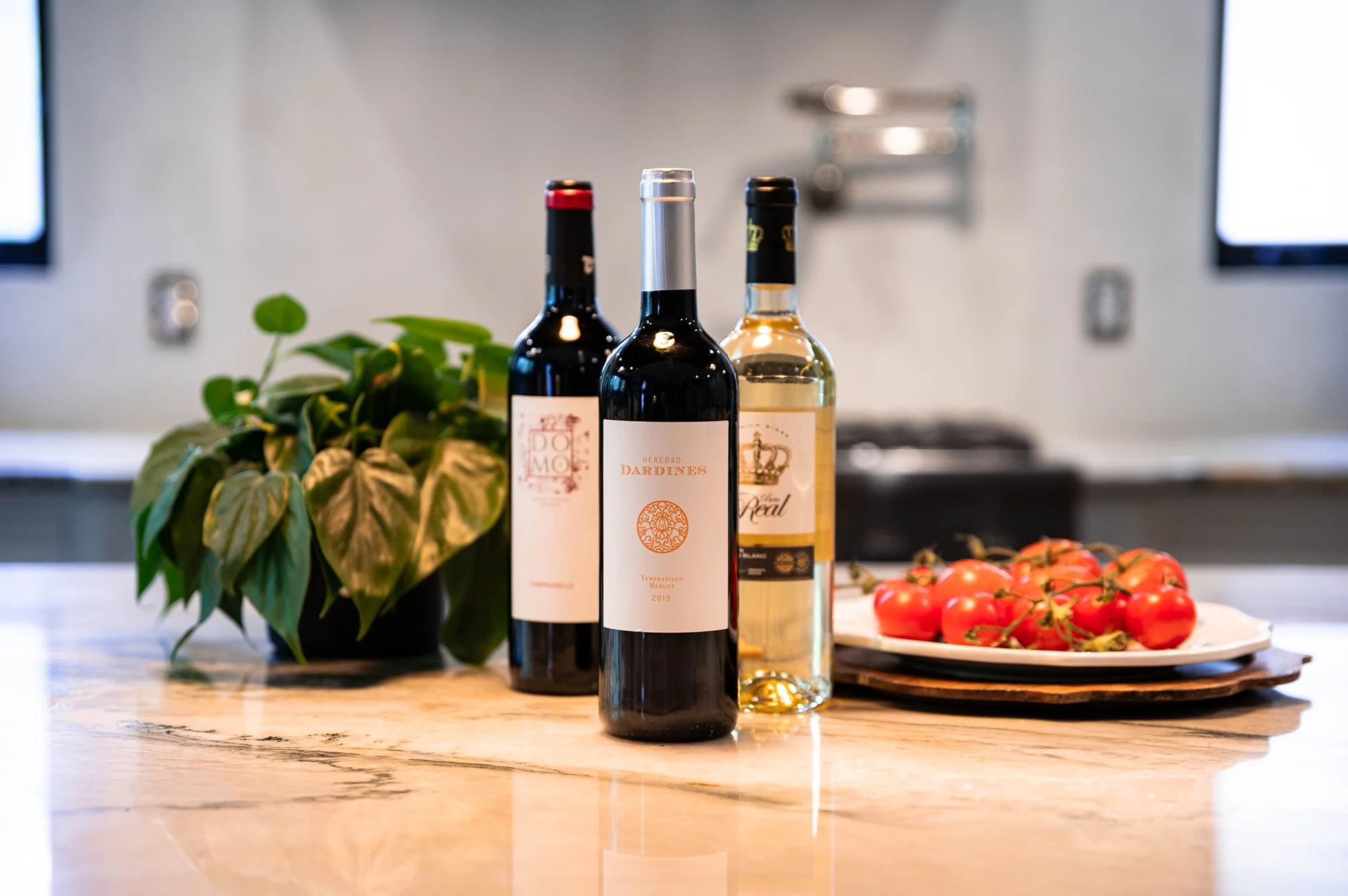
Visual presentation strongly affects sensory perception.
Bottle shape, glassware, lighting, and serving environment all influence emotional response.
Wine therefore represents both a sensory product and a psychological experience.
Memory and Emotional Association
Smell has a particularly strong connection to memory.
Wine aromas may trigger vivid emotional recollections because olfactory processing is closely linked to brain regions associated with memory and emotion.
A specific wine might remind someone of childhood meals, travel experiences, or important relationships.
This emotional connection partly explains why wine often becomes personally meaningful.
Unlike purely functional beverages, wine frequently carries narrative and sentimental value.
Wine and Social Identity
Wine consumption also reflects social identity.
People sometimes choose wines that align with their desired self-image.
Luxury wine may symbolize sophistication and status, while natural wine might communicate creativity or environmental awareness.
Wine preferences can therefore become expressions of personality and lifestyle.
Social groups also influence wine behavior.
Individuals often adopt wine preferences through family traditions, peer influence, or cultural exposure.
The Ritual of Wine Consumption
Wine rituals contribute significantly to psychological enjoyment.
Opening a bottle, pouring into glasses, swirling, smelling, and discussing flavors all create anticipation and mindfulness.
These rituals slow down consumption and encourage reflection.
The ceremonial nature of wine distinguishes it from many other alcoholic beverages.
Special occasions frequently include wine partly because rituals enhance emotional significance.
Wine Language and Imagination
Wine tasting language is unusually descriptive and imaginative.
Tasters may describe aromas as floral, earthy, mineral, smoky, or reminiscent of specific fruits and spices.
This vocabulary transforms wine tasting into a creative interpretive activity.
Because sensory experiences are subjective, wine discussions often blend science with storytelling.
The imaginative nature of wine culture contributes to its intellectual appeal.
Wine and Luxury Psychology
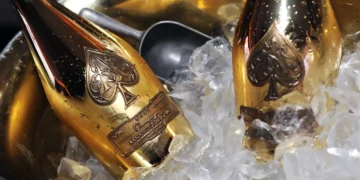
Luxury wine markets depend heavily on scarcity, reputation, and exclusivity.
Collectors may value certain wines not only for flavor but also for prestige and rarity.
Auction culture and limited production reinforce perceptions of desirability.
Psychologically, ownership of rare wine can symbolize achievement and cultural sophistication.
This dynamic resembles art collecting and luxury fashion markets.
Fear and Anxiety in Wine Culture
Despite its elegance, wine culture can also create anxiety.
Complex terminology and formal etiquette sometimes intimidate consumers.
Many people worry about choosing the “wrong” wine or appearing inexperienced.
Modern educators and sommeliers increasingly attempt to make wine more approachable and inclusive.
Reducing elitism may broaden participation in wine appreciation.
Wine, Romance, and Symbolism
Wine has long been associated with romance and intimacy.
Candlelit dinners, celebrations, and emotional conversations frequently involve wine.
Its symbolic connection to passion and relaxation appears repeatedly in literature, film, and advertising.
This cultural imagery strongly influences consumer psychology.
Digital Culture and Wine Identity
Social media transformed how people interact with wine.
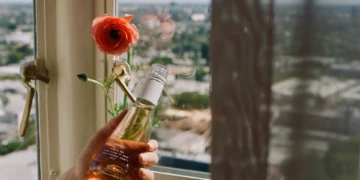
Consumers now photograph bottles, share tasting experiences, and follow wine influencers online.
Digital platforms encourage wine to function partly as lifestyle content and personal branding.
Visual presentation therefore became increasingly important within wine marketing.
Conclusion
The psychology of wine demonstrates that drinking wine involves far more than taste alone.
Memory, expectation, culture, identity, and emotion all shape the experience.
Wine’s enduring global influence comes partly from its ability to connect sensory pleasure with storytelling and human connection.
Whether enjoyed casually or studied professionally, wine continues serving as both a beverage and a deeply emotional cultural symbol.