












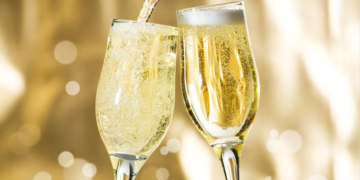

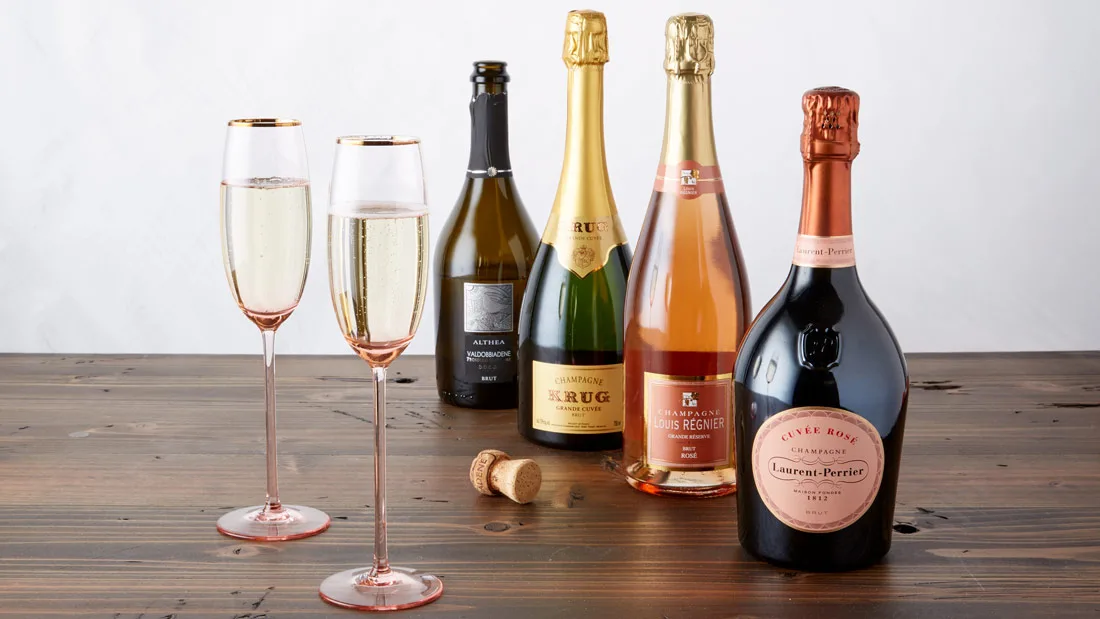
Champagne is often perceived as a single, unified product—elegant, sparkling, and celebratory. Yet beneath this polished image lies a remarkable diversity of styles, each shaped by subtle decisions in grape selection, blending, aging, and dosage. Understanding Champagne styles is essential not only for appreciation but also for navigating the complexity of what lies behind each label.
From bone-dry Brut Nature to lush Demi-Sec, from pale Blanc de Blancs to vibrant Rosé, Champagne offers a spectrum of expressions that rival any wine category in the world. This article explores the major Champagne styles, how they are defined, and what makes each one unique.
1. What Defines a Champagne Style?
Unlike still wines, where a single grape or vineyard might define the character, Champagne styles are determined by a combination of factors:
- Grape composition
- Sweetness level (dosage)
- Vintage vs non-vintage blending
- Production techniques
- Aging duration
These variables interact to create a wide range of flavor profiles, textures, and experiences.
2. Sweetness Levels: Understanding Dosage
One of the most important distinctions in Champagne is sweetness level, determined by dosage.
Brut Nature (Zero Dosage)
- No added sugar
- Extremely dry
- Sharp, mineral-driven profile
Ideal for purists who appreciate raw expression of terroir.
Extra Brut
- Very low sugar content
- Dry, but slightly more approachable than Brut Nature
Balances precision with subtle softness.
Brut (The Benchmark)
- Most common Champagne style
- Balanced dryness with a hint of roundness
Brut is versatile, pairing well with a wide range of foods.
Extra Dry (Surprisingly Not Dry)
- Slightly sweeter than Brut
- Often misunderstood due to its name
Offers a softer, fruit-forward profile.
Demi-Sec
- Noticeably sweet
- Often paired with desserts
Rich and approachable, with broader appeal.
3. Non-Vintage Champagne: Consistency and Identity
Most Champagne is non-vintage (NV), meaning it is blended from wines of multiple years.
Why Blend Across Years?
- To maintain consistent house style
- To balance variations in climate and harvest quality
- To ensure reliability for consumers
Producers like Moët & Chandon are known for creating highly consistent non-vintage blends that define their brand identity.
Flavor Profile
Non-vintage Champagne tends to be:
- Balanced
- Accessible
- Representative of the house style
It is often the entry point for most consumers.
4. Vintage Champagne: Expression of a Single Year
Vintage Champagne is made from grapes harvested in a single exceptional year.
Key Characteristics
- Produced only in outstanding vintages
- Aged longer than non-vintage
- Reflects specific climatic conditions
Vintage Champagne often offers:
- Greater depth
- More complexity
- Strong aging potential
5. Blanc de Blancs: Elegance and Precision
Blanc de Blancs means “white from whites,” referring to Champagne made exclusively from white grapes—primarily Chardonnay.
Profile
- Light and delicate
- High acidity
- Notes of citrus, green apple, and minerals
Blanc de Blancs is often associated with refinement and finesse, making it a favorite for aperitifs and seafood pairings.
6. Blanc de Noirs: Power and Structure
In contrast, Blanc de Noirs means “white from blacks,” made from black grapes like Pinot Noir and Pinot Meunier.
Profile
- Fuller-bodied
- Richer texture
- Flavors of red fruits and spice
Despite being made from dark grapes, the wine remains white because the juice is pressed without skin contact.
7. Rosé Champagne: Color and Complexity
Rosé Champagne stands out visually and stylistically.
Production Methods
There are two main methods:
- Blending Method
- Adding a small amount of red wine to white Champagne
- Saignée Method
- Allowing brief skin contact to extract color and flavor
Flavor Profile
Rosé Champagne typically features:
- Strawberry, raspberry, and cherry notes
- Greater body and texture
- Subtle tannic structure
It is often seen as more expressive and versatile than standard Champagne.
8. Prestige Cuvée: The Pinnacle of Craftsmanship
Prestige cuvées represent the highest tier of Champagne production.
Examples include:
- Dom Pérignon
- Cristal
Characteristics
- Made from the best grapes
- Produced in limited quantities
- Aged extensively
Prestige cuvées emphasize:
- Complexity
- Balance
- Longevity
They are often associated with luxury and special occasions.
9. Grower Champagne: Terroir-Driven Expression
While large Champagne houses dominate the market, grower Champagne (Récoltant-Manipulant) offers a different perspective.
What Makes It Unique?
- Produced by the same estate that grows the grapes
- Focuses on specific vineyards
- Emphasizes terroir over consistency
Grower Champagnes often:
- Vary more from year to year
- Showcase distinct regional characteristics
10. Aging Categories: Young vs Mature Champagne
Champagne evolves significantly over time.
Young Champagne
- Fresh, vibrant, fruit-driven
- Higher acidity
- Crisp and lively
Aged Champagne
- Developed flavors (toast, nuts, honey)
- Softer acidity
- Greater complexity
Aging transforms Champagne from energetic to nuanced.
11. Bottle Size and Its Influence
Bottle size can affect how Champagne ages.
Larger formats (magnums, jeroboams):
- Age more slowly
- Maintain freshness longer
- Often considered superior for long-term aging
12. Texture and Mousse
The “mousse” refers to the texture of the bubbles.
High-quality Champagne typically has:
- Fine, persistent bubbles
- Creamy mouthfeel
This texture is influenced by:
- Lees aging
- Bottle fermentation
- Carbonation levels
13. Food Pairing and Style Matching
Different Champagne styles pair with different foods:
- Brut Nature / Extra Brut → oysters, seafood
- Brut → versatile (chicken, fish, light dishes)
- Rosé → salmon, duck, berries
- Demi-Sec → desserts
Understanding styles enhances pairing possibilities.
14. The Evolution of Style Preferences
Consumer preferences are shifting.
Trends include:
- Increased demand for drier styles
- Growing interest in terroir-driven wines
- Exploration of niche and experimental styles
The Champagne industry is adapting to these changes.
15. Choosing the Right Champagne
Selecting Champagne depends on:
- Occasion
- Personal taste
- Food pairing
Understanding styles allows consumers to move beyond brand names and make more informed choices.
Conclusion: A Spectrum of Expression
Champagne is not a single experience—it is a spectrum. Each style represents a different balance of acidity, sweetness, texture, and aroma. Together, they form a category that is both structured and endlessly diverse.
From the precision of Blanc de Blancs to the richness of Rosé, from the consistency of non-vintage blends to the individuality of vintage releases, Champagne offers something for every palate and every moment.
To truly appreciate Champagne is to understand its variations—to recognize that behind every label lies a deliberate set of choices shaping the final expression.
And once you begin to explore these styles, Champagne transforms from a celebratory drink into a world of discovery.