






























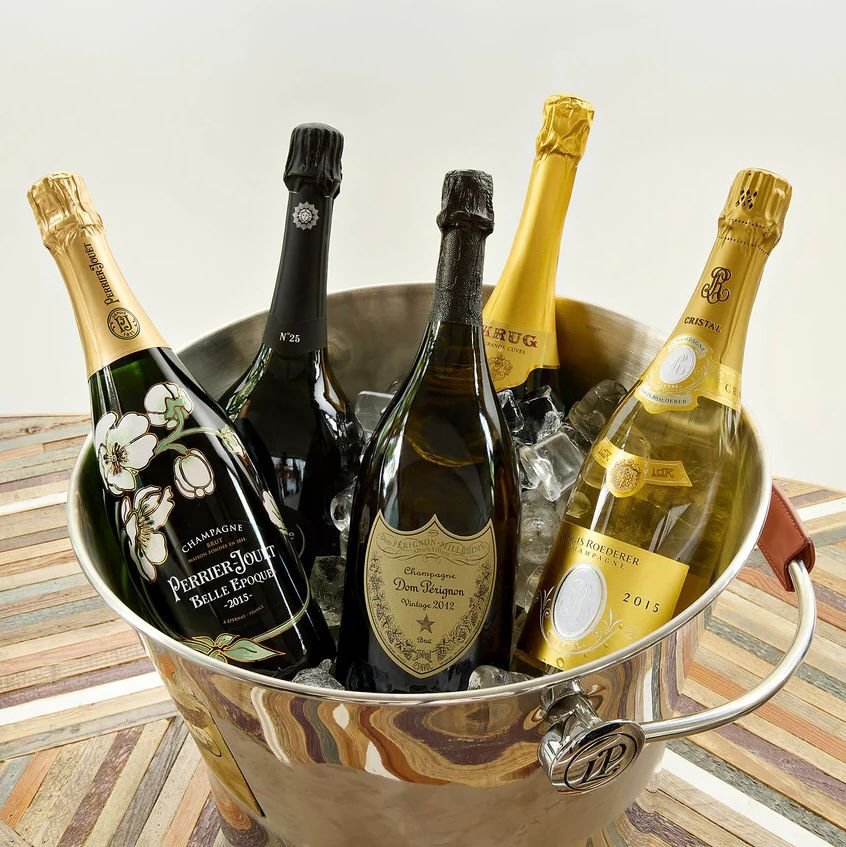
Introduction: A Drink That Means More Than It Is
Champagne is not just consumed.
It is performed.
When a bottle is opened, it signals something beyond the liquid itself:
- Success
- Transition
- Status
- Celebration
Few products in the world have achieved this level of symbolic density.
Champagne is not simply a beverage category—it is a constructed language of luxury, shaped over centuries by geography, law, branding, and human psychology.
This article explores how Champagne became not just something people drink, but something people use to express meaning.
Section 1: Geography as Exclusivity
1.1 The Power of Place
Champagne can only be called Champagne if it comes from a specific region in France.
This is not just a tradition—it is legally enforced.
This restriction creates:
- Limited supply
- Strong identity
- Built-in exclusivity
1.2 Terroir as Narrative
The region’s characteristics—chalk soil, cool climate, controlled yields—are not only agricultural facts.
They are part of a story.
Consumers are not just buying wine.
They are buying:
- A place
- A history
- A controlled origin
Section 2: The Invention of Celebration
2.1 Royal Associations
Champagne gained early prestige through association with:
- French royalty
- Ceremonial events
- Elite gatherings
2.2 Ritual Standardization
Over time, Champagne became linked to specific moments:
- Weddings
- Victories
- New Year celebrations
- Launch events
This repetition turned it into a cultural default.
2.3 The Psychology of Occasion
Champagne is rarely consumed casually.
Its use is tied to:
- Marking time
- Signaling importance
- Elevating ordinary moments
Section 3: Branding and the Creation of Desire
3.1 Champagne Houses as Identity Makers
Major Champagne producers do not simply sell wine.
They build:
- Long-term brand narratives
- Consistent flavor profiles
- Visual identity systems
3.2 Label Recognition
Consumers often recognize Champagne by:
- Bottle shape
- Label design
- Brand color schemes
The product becomes instantly identifiable even before tasting.
3.3 Story Over Substance
In many cases, purchasing decisions are driven more by:
- Brand perception
- Social signaling
- Emotional association
Than by measurable differences in taste.
Section 4: Scarcity and Price Formation
4.1 Limited Land, Limited Output
The Champagne region has:
- Fixed vineyard area
- Controlled production levels
This naturally restricts supply.
4.2 Aging Requirements
Champagne must age for a minimum period before release.
This creates:
- Delayed market entry
- Inventory holding costs
- Built-in scarcity over time
4.3 Prestige Cuvées
High-end Champagne lines are:
- Produced in limited quantities
- Aged longer
- Positioned as luxury goods
Scarcity here is both real and strategically reinforced.
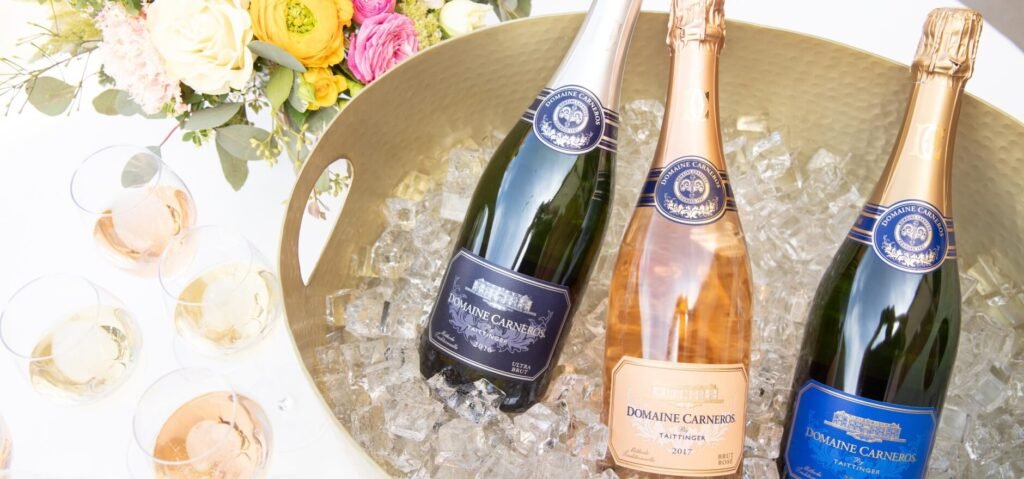
Section 5: Champagne in the Global Market
5.1 Export-Driven Identity
A significant portion of Champagne is consumed outside France.
It has become a global symbol of:
- Luxury
- Celebration
- Western cultural prestige
5.2 Emerging Markets
Growth markets include:
- Asia
- Middle East
- Luxury hospitality sectors
5.3 Price as Signal
Higher price often signals:
- Higher status
- Higher perceived quality
- Greater exclusivity
Price becomes part of the experience.
Section 6: The Role of Visual and Sensory Cues
6.1 The Bottle as Object
Champagne bottles are designed to communicate:
- Weight
- Quality
- Ceremony
6.2 The Sound of Opening
The pop of the cork is not accidental.
It is:
- Auditory branding
- A signal of transition
- A moment of attention
6.3 The Bubble Aesthetic
Fine, continuous bubbles create:
- Visual elegance
- Perception of refinement
- Reinforcement of quality
Section 7: Social Signaling and Identity
7.1 Champagne as Status Marker
Serving Champagne signals:
- Generosity
- Success
- Awareness of cultural codes
7.2 Public vs Private Consumption
Champagne is often consumed:
- In visible contexts
- During shared events
- As part of social display
7.3 The Instagram Effect
In modern culture:
- Visual presentation amplifies value
- Champagne becomes content
- Consumption becomes performance
Section 8: Luxury vs Accessibility Paradox
8.1 Broad Price Spectrum
Champagne exists across a wide range:
- Entry-level bottles
- Ultra-premium releases
8.2 Controlled Accessibility
Even lower-priced Champagne retains:
- Brand prestige
- Regional identity
- Symbolic value
8.3 Maintaining Exclusivity
Despite wider access, true prestige is maintained through:
- Limited editions
- Vintage releases
- High-end branding
Section 9: Competition and Protection
9.1 Imitation Products
Sparkling wines exist globally, but:
- They cannot legally use the Champagne name
9.2 Legal Protection
The Champagne designation is protected through:
- International agreements
- Trademark enforcement
9.3 Maintaining Distinction
This ensures:
- Brand integrity
- Market differentiation
- Long-term value preservation
Section 10: The Emotional Economy of Champagne
10.1 Memory Creation
Champagne is tied to:
- Personal milestones
- Collective celebrations
- Emotional peaks
10.2 Anticipation and Reward
Opening a bottle often marks:
- Achievement
- Transition
- Reward after effort
10.3 Symbolic Consumption
People do not just drink Champagne.
They use it to:
- Tell stories
- Mark time
- Express identity
Conclusion: A Liquid Symbol System
Champagne operates on multiple levels simultaneously:
- Agricultural product
- Technical achievement
- Luxury commodity
- Cultural symbol
Its value is not contained in the liquid alone.
It is constructed through:
- Geography
- History
- Branding
- Social behavior
Champagne is not simply about taste.
It is about meaning.
And that meaning is reinforced every time a cork is opened, a glass is raised, and a moment is marked as significant










