SipsavorLife
  • Home
  • Wine
    Wine as a Cultural Artifact: History, Identity, and the Evolution of Taste

    The Art and Science of Wine & Food Pairing: How to Create Perfect Matches Every Time

    Wine as a Cultural Artifact: History, Identity, and the Evolution of Taste

    A Complete Guide to Wine Styles and Grape Varieties: From Cabernet Sauvignon to Riesling

    Wine as a Cultural Artifact: History, Identity, and the Evolution of Taste

    The Global Wine Industry: Economics, Markets, and the Future of Consumption

    Wine as a Cultural Artifact: History, Identity, and the Evolution of Taste

    The Science of Wine Tasting: How Chemistry, Biology, and Perception Shape Flavor

    Wine as a Cultural Artifact: History, Identity, and the Evolution of Taste

    Wine as a Cultural Artifact: History, Identity, and the Evolution of Taste

    Red Wine — The Liquid Expression of Land, Time, and Human Intention

    The Future of Red Wine — Climate Change, Technology, and the Evolution of Taste

  • Whiskey
    Can Beer Be an Effective Ingredient in Culinary Cooking?

    Can Beer Be an Effective Ingredient in Culinary Cooking?

    Second Fermentation in Champagne: Is It Really That Crucial?

    Second Fermentation in Champagne: Is It Really That Crucial?

    How Do Different Grains Impact the Flavor Profile of Distilled Spirits?

    How Do Different Grains Impact the Flavor Profile of Distilled Spirits?

    How Do Whiskey Master Blenders Create Perfection?

    How Do Whiskey Master Blenders Create Perfection?

    Wine Pairings: Can They Change the Flavor Profile of a Dish?

    Wine Pairings: Can They Change the Flavor Profile of a Dish?

    Beer the Ultimate Beverage for Pairing with Spicy Food?

    Beer the Ultimate Beverage for Pairing with Spicy Food?

  • Beer
    Beer as a Cultural and Social Force: From Ancient Brew to Modern Identity

    The Art of Beer & Food Pairing: Unlocking Flavor Through Balance, Contrast, and Texture

    Beer as a Cultural and Social Force: From Ancient Brew to Modern Identity

    A Complete Guide to Beer Styles: From Lager to Stout, Understanding Flavor, Body, and Character

    Beer as a Cultural and Social Force: From Ancient Brew to Modern Identity

    The Global Beer Industry: Craft Revolution, Market Forces, and the Future of Brewing

    Beer as a Cultural and Social Force: From Ancient Brew to Modern Identity

    The Science of Beer: Brewing Process, Ingredients, and the Chemistry of Flavor

    Beer as a Cultural and Social Force: From Ancient Brew to Modern Identity

    Beer as a Cultural and Social Force: From Ancient Brew to Modern Identity

    The Evolution of Beer — From Ancient Brews to the Craft Revolution

    The Future of Beer — Innovation, Sustainability, and Emerging Trends

  • Grain Spirits
    Grain Spirits Explained — The Foundation of Global Distillation

    The Future of Grain Spirits — Technology, Sustainability, and the Next Era of Distillation

    Grain Spirits Explained — The Foundation of Global Distillation

    Grain Spirits Around the World — Vodka, Whisky Bases, and Industrial Applications

    Grain Spirits Explained — The Foundation of Global Distillation

    Distillation Systems — Pot Still vs Column Still, and the Balance Between Efficiency and Flavor

    Grain Spirits Explained — The Foundation of Global Distillation

    Grain Selection and Fermentation Science — How Raw Ingredients Shape Grain Spirits

    Grain Spirits Explained — The Foundation of Global Distillation

    Grain Spirits Explained — The Foundation of Global Distillation

    Grain Spirits and the Industrial Birth of Neutral Alcohol

    The Future of Grain Spirits — AI Distillation, Sustainability, and the Post-Flavor Alcohol Industry

  • Champagne
    The History of Champagne — From Accidental Sparkle to Global Luxury

    The Future of Champagne — Climate Change, Innovation, and Industry Evolution

    The History of Champagne — From Accidental Sparkle to Global Luxury

    The Culture of Champagne — Luxury, Celebration, and Global Influence

    The History of Champagne — From Accidental Sparkle to Global Luxury

    Champagne Styles Explained — Brut, Rosé, Vintage, and Beyond

    The History of Champagne — From Accidental Sparkle to Global Luxury

    The Craft of Champagne — Terroir, Grapes, and the Méthode Traditionnelle

    The History of Champagne — From Accidental Sparkle to Global Luxury

    The History of Champagne — From Accidental Sparkle to Global Luxury

    The Future of Champagne — Climate Change, Innovation, and the Evolution of Sparkling Wine

    The Future of Champagne — Climate Change, Innovation, and the Evolution of Sparkling Wine

  • ALL
    Can Beer Be an Effective Ingredient in Culinary Cooking?

    Can Beer Be an Effective Ingredient in Culinary Cooking?

    Second Fermentation in Champagne: Is It Really That Crucial?

    Second Fermentation in Champagne: Is It Really That Crucial?

    How Do Different Grains Impact the Flavor Profile of Distilled Spirits?

    How Do Different Grains Impact the Flavor Profile of Distilled Spirits?

    How Do Whiskey Master Blenders Create Perfection?

    How Do Whiskey Master Blenders Create Perfection?

    Wine Pairings: Can They Change the Flavor Profile of a Dish?

    Wine Pairings: Can They Change the Flavor Profile of a Dish?

    Beer the Ultimate Beverage for Pairing with Spicy Food?

    Beer the Ultimate Beverage for Pairing with Spicy Food?

SipsavorLife
  • Home
  • Wine
    Wine as a Cultural Artifact: History, Identity, and the Evolution of Taste

    The Art and Science of Wine & Food Pairing: How to Create Perfect Matches Every Time

    Wine as a Cultural Artifact: History, Identity, and the Evolution of Taste

    A Complete Guide to Wine Styles and Grape Varieties: From Cabernet Sauvignon to Riesling

    Wine as a Cultural Artifact: History, Identity, and the Evolution of Taste

    The Global Wine Industry: Economics, Markets, and the Future of Consumption

    Wine as a Cultural Artifact: History, Identity, and the Evolution of Taste

    The Science of Wine Tasting: How Chemistry, Biology, and Perception Shape Flavor

    Wine as a Cultural Artifact: History, Identity, and the Evolution of Taste

    Wine as a Cultural Artifact: History, Identity, and the Evolution of Taste

    Red Wine — The Liquid Expression of Land, Time, and Human Intention

    The Future of Red Wine — Climate Change, Technology, and the Evolution of Taste

  • Whiskey
    Can Beer Be an Effective Ingredient in Culinary Cooking?

    Can Beer Be an Effective Ingredient in Culinary Cooking?

    Second Fermentation in Champagne: Is It Really That Crucial?

    Second Fermentation in Champagne: Is It Really That Crucial?

    How Do Different Grains Impact the Flavor Profile of Distilled Spirits?

    How Do Different Grains Impact the Flavor Profile of Distilled Spirits?

    How Do Whiskey Master Blenders Create Perfection?

    How Do Whiskey Master Blenders Create Perfection?

    Wine Pairings: Can They Change the Flavor Profile of a Dish?

    Wine Pairings: Can They Change the Flavor Profile of a Dish?

    Beer the Ultimate Beverage for Pairing with Spicy Food?

    Beer the Ultimate Beverage for Pairing with Spicy Food?

  • Beer
    Beer as a Cultural and Social Force: From Ancient Brew to Modern Identity

    The Art of Beer & Food Pairing: Unlocking Flavor Through Balance, Contrast, and Texture

    Beer as a Cultural and Social Force: From Ancient Brew to Modern Identity

    A Complete Guide to Beer Styles: From Lager to Stout, Understanding Flavor, Body, and Character

    Beer as a Cultural and Social Force: From Ancient Brew to Modern Identity

    The Global Beer Industry: Craft Revolution, Market Forces, and the Future of Brewing

    Beer as a Cultural and Social Force: From Ancient Brew to Modern Identity

    The Science of Beer: Brewing Process, Ingredients, and the Chemistry of Flavor

    Beer as a Cultural and Social Force: From Ancient Brew to Modern Identity

    Beer as a Cultural and Social Force: From Ancient Brew to Modern Identity

    The Evolution of Beer — From Ancient Brews to the Craft Revolution

    The Future of Beer — Innovation, Sustainability, and Emerging Trends

  • Grain Spirits
    Grain Spirits Explained — The Foundation of Global Distillation

    The Future of Grain Spirits — Technology, Sustainability, and the Next Era of Distillation

    Grain Spirits Explained — The Foundation of Global Distillation

    Grain Spirits Around the World — Vodka, Whisky Bases, and Industrial Applications

    Grain Spirits Explained — The Foundation of Global Distillation

    Distillation Systems — Pot Still vs Column Still, and the Balance Between Efficiency and Flavor

    Grain Spirits Explained — The Foundation of Global Distillation

    Grain Selection and Fermentation Science — How Raw Ingredients Shape Grain Spirits

    Grain Spirits Explained — The Foundation of Global Distillation

    Grain Spirits Explained — The Foundation of Global Distillation

    Grain Spirits and the Industrial Birth of Neutral Alcohol

    The Future of Grain Spirits — AI Distillation, Sustainability, and the Post-Flavor Alcohol Industry

  • Champagne
    The History of Champagne — From Accidental Sparkle to Global Luxury

    The Future of Champagne — Climate Change, Innovation, and Industry Evolution

    The History of Champagne — From Accidental Sparkle to Global Luxury

    The Culture of Champagne — Luxury, Celebration, and Global Influence

    The History of Champagne — From Accidental Sparkle to Global Luxury

    Champagne Styles Explained — Brut, Rosé, Vintage, and Beyond

    The History of Champagne — From Accidental Sparkle to Global Luxury

    The Craft of Champagne — Terroir, Grapes, and the Méthode Traditionnelle

    The History of Champagne — From Accidental Sparkle to Global Luxury

    The History of Champagne — From Accidental Sparkle to Global Luxury

    The Future of Champagne — Climate Change, Innovation, and the Evolution of Sparkling Wine

    The Future of Champagne — Climate Change, Innovation, and the Evolution of Sparkling Wine

  • ALL
    Can Beer Be an Effective Ingredient in Culinary Cooking?

    Can Beer Be an Effective Ingredient in Culinary Cooking?

    Second Fermentation in Champagne: Is It Really That Crucial?

    Second Fermentation in Champagne: Is It Really That Crucial?

    How Do Different Grains Impact the Flavor Profile of Distilled Spirits?

    How Do Different Grains Impact the Flavor Profile of Distilled Spirits?

    How Do Whiskey Master Blenders Create Perfection?

    How Do Whiskey Master Blenders Create Perfection?

    Wine Pairings: Can They Change the Flavor Profile of a Dish?

    Wine Pairings: Can They Change the Flavor Profile of a Dish?

    Beer the Ultimate Beverage for Pairing with Spicy Food?

    Beer the Ultimate Beverage for Pairing with Spicy Food?

SipsavorLife
No Result
View All Result
Home Champagne

The Science of Bubbles — Pressure, Carbonation, and the Physics of Champagne

April 22, 2026
in Champagne
Champagne — The Accidental Invention That Became the Language of Celebration

Introduction: A Glass Full of Invisible Forces

At first glance, Champagne looks simple.

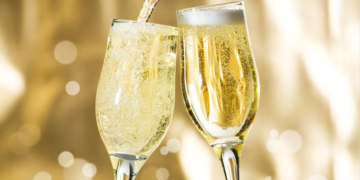
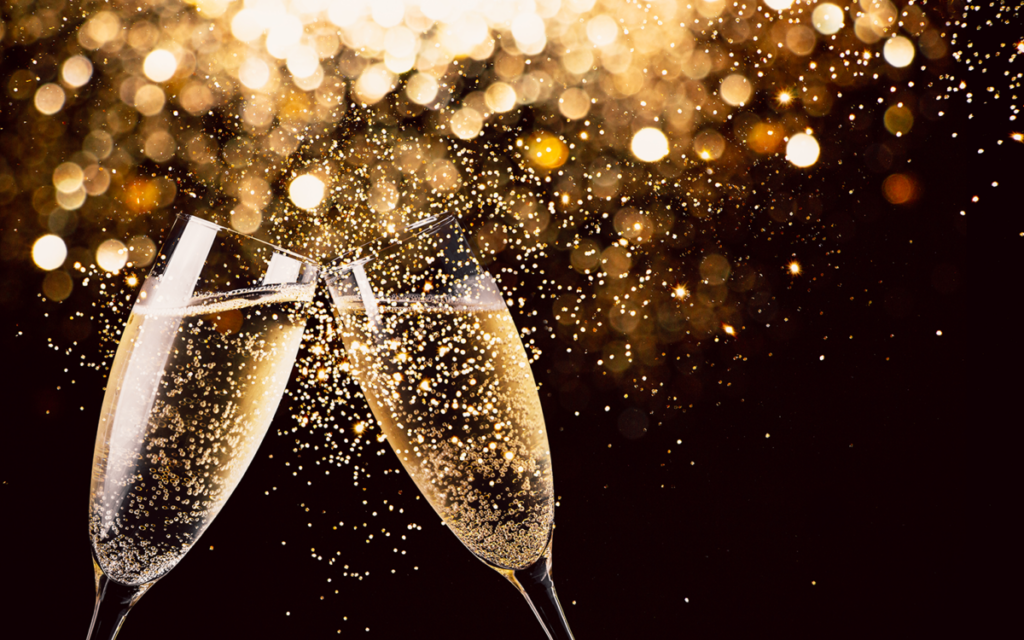
A pale golden liquid. Rising streams of bubbles. A soft hiss as it is poured.

But beneath this elegance lies a highly complex system governed by physics and chemistry:

  • Dissolved gas under pressure
  • Surface tension and nucleation
  • Aromatic compound release
  • Fluid dynamics inside a glass

Champagne is not just a drink.

It is a controlled release of energy.

Every bubble you see is the visible result of invisible forces interacting at a microscopic level.


Chapter 1: Carbon Dioxide — The Hidden Engine

1.1 Where the Bubbles Come From

The bubbles in Champagne are made of carbon dioxide (CO₂), produced during secondary fermentation inside the bottle.

When yeast consumes sugar, it produces:

  • Ethanol
  • Carbon dioxide

Because the bottle is sealed, the gas cannot escape.

Instead, it dissolves into the liquid.


1.2 Pressure Inside the Bottle

A typical bottle of Champagne contains:

  • Around 5–6 atmospheres of pressure

For comparison:

  • This is about three times the pressure in a car tire

This pressure is what keeps CO₂ dissolved in the wine.


1.3 Supersaturation

Champagne is a supersaturated liquid:

  • It contains more dissolved gas than it would under normal atmospheric conditions

When the bottle is opened:

  • Pressure drops
  • Gas begins to escape

This initiates bubble formation.


Chapter 2: Nucleation — Where Bubbles Are Born

2.1 Imperfections as Starting Points

Bubbles do not form randomly.

They begin at tiny imperfections called nucleation sites, such as:

  • Microscopic scratches in the glass
  • Dust particles
  • Fibers

These sites trap small pockets of gas.


2.2 Bubble Formation Process

At a nucleation site:

  1. CO₂ diffuses into a tiny gas pocket
  2. The pocket grows
  3. A bubble forms and detaches
  4. The process repeats

This creates the familiar stream of bubbles rising in a Champagne glass.


2.3 Why Some Glasses Bubble More

Different glasses produce different bubble patterns due to:

  • Surface texture
  • Cleanliness
  • Shape

Even microscopic differences affect visual behavior.


Chapter 3: Bubble Rise — Fluid Dynamics in Motion

3.1 Upward Movement

Once formed, bubbles rise due to buoyancy:

  • Gas is less dense than liquid
  • The bubble accelerates upward

3.2 Shape and Speed

As bubbles rise:

  • They expand (pressure decreases with height)
  • Their shape can deform slightly
  • Their speed increases

3.3 Turbulence Effects

Rising bubbles create microcurrents:

  • Stirring the liquid
  • Distributing aroma compounds
  • Enhancing sensory perception

Champagne is constantly in motion.


Chapter 4: Surface Interaction — The Moment of Release

4.1 Bubble Bursting

When a bubble reaches the surface:

  • It forms a thin liquid film
  • The film thins and breaks
  • Gas is released into the air

4.2 Aerosol Formation

When bubbles burst, they create tiny droplets that:

  • Carry aromatic compounds
  • Disperse into the air above the glass

This is crucial for aroma perception.


4.3 Sound and Sensory Feedback

The subtle fizzing sound is produced by:

  • Continuous bubble bursting
  • Gas release events

Sound contributes to the perception of freshness.


Chapter 5: Temperature and Carbonation Stability

5.1 Why Champagne Is Served Cold

Lower temperatures:

  • Increase CO₂ solubility
  • Slow down gas release
  • Preserve effervescence

Warm Champagne loses bubbles faster.

5.2 Temperature and Pressure Balance

As temperature rises:

  • Gas solubility decreases
  • Pressure inside liquid changes
  • Bubble formation accelerates

Chapter 6: Foam and Texture

6.1 Foam Formation

When poured, Champagne creates foam due to:

  • Rapid bubble formation
  • Surface tension interactions

6.2 Stability of Foam

Foam stability depends on:

  • Protein content
  • Wine composition
  • Bubble size

Fine bubbles create more stable foam.


6.3 Mouthfeel

Effervescence influences texture:

  • Tingling sensation
  • Perceived acidity
  • Freshness

Champagne is experienced both chemically and physically.


Chapter 7: Bubble Size and Quality Perception

7.1 Fine vs Large Bubbles

Smaller bubbles are often associated with:

  • Higher quality
  • Better aging
  • More controlled fermentation

7.2 Why Smaller Bubbles Matter

They:

  • Rise more slowly
  • Release aroma gradually
  • Create smoother mouthfeel

7.3 Misconceptions

Bubble size is influenced by:

  • Glass condition
  • Serving method

Not just the Champagne itself.


Chapter 8: Aroma Release Mechanism

8.1 CO₂ as an Aroma Carrier

Carbon dioxide helps:

  • Lift volatile compounds
  • Transport aromas to the nose

8.2 Burst-Driven Aromatics

Each bursting bubble releases:

  • Tiny jets of aroma-rich droplets
  • Concentrated scent molecules

8.3 Dynamic Aromatic Profile

Unlike still wine:

  • Champagne evolves continuously in the glass
  • Aroma intensity changes over time

Chapter 9: Glass Shape and Physics

9.1 Flute vs Coupe

Different glass shapes affect:

  • Bubble retention
  • Aroma concentration
  • Surface area

9.2 Narrow Glasses

  • Preserve bubbles longer
  • Concentrate streams

9.3 Wider Glasses

  • Enhance aroma release
  • Allow faster gas escape

The glass is part of the system.


Chapter 10: Time in the Glass

10.1 Degassing Over Time

After pouring:

  • CO₂ gradually escapes
  • Effervescence decreases
  • Flavor profile shifts

10.2 Sensory Evolution

Early stage:

  • Sharp, lively

Later stage:

  • Softer, more aromatic

Conclusion: Champagne as Controlled Energy Release

Champagne is not static.

It is a dynamic physical system in constant transformation.

Inside every glass:

  • Gas escapes
  • Bubbles form and collapse
  • Aromas rise and dissipate
  • Texture evolves moment by moment

What we experience as elegance is actually the result of:

  • Pressure
  • Physics
  • Molecular interaction

Champagne is, in essence:

A carefully engineered explosion—slowed down just enough for us to enjoy it.
Tags: champagnescience
ShareTweetShare

Related Posts

The History of Champagne — From Accidental Sparkle to Global Luxury
Champagne

The Future of Champagne — Climate Change, Innovation, and Industry Evolution

April 25, 2026
The History of Champagne — From Accidental Sparkle to Global Luxury
Champagne

The Culture of Champagne — Luxury, Celebration, and Global Influence

April 25, 2026
The History of Champagne — From Accidental Sparkle to Global Luxury
Champagne

Champagne Styles Explained — Brut, Rosé, Vintage, and Beyond

April 25, 2026
The History of Champagne — From Accidental Sparkle to Global Luxury
Champagne

The Craft of Champagne — Terroir, Grapes, and the Méthode Traditionnelle

April 25, 2026
The History of Champagne — From Accidental Sparkle to Global Luxury
Champagne

The History of Champagne — From Accidental Sparkle to Global Luxury

April 25, 2026
The Future of Champagne — Climate Change, Innovation, and the Evolution of Sparkling Wine
Champagne

The Future of Champagne — Climate Change, Innovation, and the Evolution of Sparkling Wine

April 22, 2026
Leave Comment
  • Trending
  • Comments
  • Latest
Role of Terroir in Champagne Production

Role of Terroir in Champagne Production

January 19, 2026
Champagne Can Be Aged in Wood?

Champagne Can Be Aged in Wood?

January 18, 2026
Is Organic Wine Healthier Than Conventional Wine?

Is Organic Wine Healthier Than Conventional Wine?

January 20, 2026
Why Do Some Champagnes Use a High Proportion of Pinot Meunier?

Why Do Some Champagnes Use a High Proportion of Pinot Meunier?

January 20, 2026
The Timeless Elegance of Wine: A Journey Through History and Culture

The Timeless Elegance of Wine: A Journey Through History and Culture

Why Is Château Lafite Rothschild the Pinnacle of Fine Wine?

Why Is Château Lafite Rothschild the Pinnacle of Fine Wine?

How Did Château Lafite Rothschild Become a Global Icon of Luxury?

How Did Château Lafite Rothschild Become a Global Icon of Luxury?

What Makes Chateau Lafite Rothschild the Pinnacle of Bordeaux Wines?

What Makes Chateau Lafite Rothschild the Pinnacle of Bordeaux Wines?

Beer as a Cultural and Social Force: From Ancient Brew to Modern Identity

The Art of Beer & Food Pairing: Unlocking Flavor Through Balance, Contrast, and Texture

April 26, 2026
Beer as a Cultural and Social Force: From Ancient Brew to Modern Identity

A Complete Guide to Beer Styles: From Lager to Stout, Understanding Flavor, Body, and Character

April 26, 2026
Beer as a Cultural and Social Force: From Ancient Brew to Modern Identity

The Global Beer Industry: Craft Revolution, Market Forces, and the Future of Brewing

April 26, 2026
Beer as a Cultural and Social Force: From Ancient Brew to Modern Identity

The Science of Beer: Brewing Process, Ingredients, and the Chemistry of Flavor

April 26, 2026
SipsavorLife

Welcome to our comprehensive beverage guide, where you can explore the fascinating world of alcoholic drinks. From exquisite wines and rich whiskeys to refreshing beers and sparkling champagnes, we provide insights, tips, and recommendations for enthusiasts and casual drinkers alike. Discover your next favorite libation with us!

© 2025 sipsavorlife.com. contacts:sipsavorlife-35376@gmail.com

No Result
View All Result
  • Home
  • Wine
  • Whiskey
  • Beer
  • Grain Spirits
  • Champagne
  • ALL

© 2025 sipsavorlife.com. contacts:sipsavorlife-35376@gmail.com

Welcome Back!

Login to your account below

Forgotten Password?

Retrieve your password

Please enter your username or email address to reset your password.

Log In