





SipsavorLife
  • Home
  • Wine
    The Cultural History of Wine: From Ancient Rituals to Modern Luxury

    The Psychology of Wine: Why Humans Associate Wine with Emotion, Memory, and Identity

    The Cultural History of Wine: From Ancient Rituals to Modern Luxury

    Sustainable Winemaking: Environmental Challenges and the Future of Vineyards

    The Cultural History of Wine: From Ancient Rituals to Modern Luxury

    Wine and Food Pairing: The Culinary Art of Balance and Flavor

    The Cultural History of Wine: From Ancient Rituals to Modern Luxury

    The Science of Wine: Fermentation, Chemistry, and Flavor Development

    The Cultural History of Wine: From Ancient Rituals to Modern Luxury

    The Cultural History of Wine: From Ancient Rituals to Modern Luxury

    Wine as a Cultural Artifact: History, Identity, and the Evolution of Taste

    The Art and Science of Wine & Food Pairing: How to Create Perfect Matches Every Time

  • Whiskey
    Can Beer Be an Effective Ingredient in Culinary Cooking?

    Can Beer Be an Effective Ingredient in Culinary Cooking?

    Second Fermentation in Champagne: Is It Really That Crucial?

    Second Fermentation in Champagne: Is It Really That Crucial?

    How Do Different Grains Impact the Flavor Profile of Distilled Spirits?

    How Do Different Grains Impact the Flavor Profile of Distilled Spirits?

    How Do Whiskey Master Blenders Create Perfection?

    How Do Whiskey Master Blenders Create Perfection?

    Wine Pairings: Can They Change the Flavor Profile of a Dish?

    Wine Pairings: Can They Change the Flavor Profile of a Dish?

    Beer the Ultimate Beverage for Pairing with Spicy Food?

    Beer the Ultimate Beverage for Pairing with Spicy Food?

  • Beer
    Beer as a Cultural and Social Force: From Ancient Brew to Modern Identity

    Women in Brewing: The Untold History and Modern Transformation of Beer Culture

    The Global Craft Beer Revolution: How Independent Brewers Changed Modern Drinking Culture

    Beer Tourism: Exploring the World Through Breweries and Drinking Traditions

    The Global Craft Beer Revolution: How Independent Brewers Changed Modern Drinking Culture

    Barrel Aging and Experimental Brewing: The New Frontier of Beer Innovation

    The Global Craft Beer Revolution: How Independent Brewers Changed Modern Drinking Culture

    Beer and Society: How Beer Shapes Communities, Traditions, and Human Connection

    The Global Craft Beer Revolution: How Independent Brewers Changed Modern Drinking Culture

    The Global Craft Beer Revolution: How Independent Brewers Changed Modern Drinking Culture

    The Global Craft Beer Revolution: How Independent Breweries Changed Modern Drinking Culture

    The Future of Beer: Innovation, Sustainability, and the Changing Global Drinking Culture

  • Grain Spirits
    Grain Spirits: The Origins, Science, and Global Evolution of Distilled Grain Alcohol

    Bourbon: America’s Native Grain Spirit and the Global Story of Corn, Oak, Fire, and Time

    Grain Spirits: The Origins, Science, and Global Evolution of Distilled Grain Alcohol

    Gin: Botanicals, History, Cocktail Culture, and the Artistic Evolution of the World’s Most Aromatic Grain Spirit

    Grain Spirits: The Origins, Science, and Global Evolution of Distilled Grain Alcohol

    Vodka: The Global Rise of the World’s Most Versatile Grain Spirit

    Grain Spirits: The Origins, Science, and Global Evolution of Distilled Grain Alcohol

    Whiskey and the Soul of Grain Spirits: History, Craftsmanship, Culture, and the Global Rise of the World’s Most Iconic Distilled Grain Beverage

    Grain Spirits: The Origins, Science, and Global Evolution of Distilled Grain Alcohol

    Grain Spirits: The Origins, Science, and Global Evolution of Distilled Grain Alcohol

    Grain Spirits Explained — The Foundation of Global Distillation

    The Future of Grain Spirits — Technology, Sustainability, and the Next Era of Distillation

  • Champagne
    Champagne: The Sparkling Wine That Changed Global Celebration Culture

    Dom Pérignon, Cristal, Krug, and Beyond: The World’s Most Famous Champagne Houses and Their Legacy

    Champagne Beyond Celebration: The History, Craftsmanship, and Global Influence of the World’s Most Iconic Sparkling Wine

    The Future of Champagne: Climate Change, Innovation, Sustainability, and the Next Era of Sparkling Wine

    Champagne Beyond Celebration: The History, Craftsmanship, and Global Influence of the World’s Most Iconic Sparkling Wine

    Champagne and Luxury Culture: How Sparkling Wine Became a Global Symbol of Wealth, Celebration, and Prestige

    Champagne Beyond Celebration: The History, Craftsmanship, and Global Influence of the World’s Most Iconic Sparkling Wine

    The Art of Champagne Production: Inside the Science, Skill, and Tradition Behind Every Bottle

    Champagne Beyond Celebration: The History, Craftsmanship, and Global Influence of the World’s Most Iconic Sparkling Wine

    Champagne Beyond Celebration: The History, Craftsmanship, and Global Influence of the World’s Most Iconic Sparkling Wine

    Champagne: The Sparkling Wine That Changed Global Celebration Culture

    Champagne vs Prosecco vs Cava: How the World’s Sparkling Wines Reflect Culture, Geography, and Taste

  • ALL
    Can Beer Be an Effective Ingredient in Culinary Cooking?

    Can Beer Be an Effective Ingredient in Culinary Cooking?

    Second Fermentation in Champagne: Is It Really That Crucial?

    Second Fermentation in Champagne: Is It Really That Crucial?

    How Do Different Grains Impact the Flavor Profile of Distilled Spirits?

    How Do Different Grains Impact the Flavor Profile of Distilled Spirits?

    How Do Whiskey Master Blenders Create Perfection?

    How Do Whiskey Master Blenders Create Perfection?

    Wine Pairings: Can They Change the Flavor Profile of a Dish?

    Wine Pairings: Can They Change the Flavor Profile of a Dish?

    Beer the Ultimate Beverage for Pairing with Spicy Food?

    Beer the Ultimate Beverage for Pairing with Spicy Food?

SipsavorLife
  • Home
  • Wine
    The Cultural History of Wine: From Ancient Rituals to Modern Luxury

    The Psychology of Wine: Why Humans Associate Wine with Emotion, Memory, and Identity

    The Cultural History of Wine: From Ancient Rituals to Modern Luxury

    Sustainable Winemaking: Environmental Challenges and the Future of Vineyards

    The Cultural History of Wine: From Ancient Rituals to Modern Luxury

    Wine and Food Pairing: The Culinary Art of Balance and Flavor

    The Cultural History of Wine: From Ancient Rituals to Modern Luxury

    The Science of Wine: Fermentation, Chemistry, and Flavor Development

    The Cultural History of Wine: From Ancient Rituals to Modern Luxury

    The Cultural History of Wine: From Ancient Rituals to Modern Luxury

    Wine as a Cultural Artifact: History, Identity, and the Evolution of Taste

    The Art and Science of Wine & Food Pairing: How to Create Perfect Matches Every Time

  • Whiskey
    Can Beer Be an Effective Ingredient in Culinary Cooking?

    Can Beer Be an Effective Ingredient in Culinary Cooking?

    Second Fermentation in Champagne: Is It Really That Crucial?

    Second Fermentation in Champagne: Is It Really That Crucial?

    How Do Different Grains Impact the Flavor Profile of Distilled Spirits?

    How Do Different Grains Impact the Flavor Profile of Distilled Spirits?

    How Do Whiskey Master Blenders Create Perfection?

    How Do Whiskey Master Blenders Create Perfection?

    Wine Pairings: Can They Change the Flavor Profile of a Dish?

    Wine Pairings: Can They Change the Flavor Profile of a Dish?

    Beer the Ultimate Beverage for Pairing with Spicy Food?

    Beer the Ultimate Beverage for Pairing with Spicy Food?

  • Beer
    Beer as a Cultural and Social Force: From Ancient Brew to Modern Identity

    Women in Brewing: The Untold History and Modern Transformation of Beer Culture

    The Global Craft Beer Revolution: How Independent Brewers Changed Modern Drinking Culture

    Beer Tourism: Exploring the World Through Breweries and Drinking Traditions

    The Global Craft Beer Revolution: How Independent Brewers Changed Modern Drinking Culture

    Barrel Aging and Experimental Brewing: The New Frontier of Beer Innovation

    The Global Craft Beer Revolution: How Independent Brewers Changed Modern Drinking Culture

    Beer and Society: How Beer Shapes Communities, Traditions, and Human Connection

    The Global Craft Beer Revolution: How Independent Brewers Changed Modern Drinking Culture

    The Global Craft Beer Revolution: How Independent Brewers Changed Modern Drinking Culture

    The Global Craft Beer Revolution: How Independent Breweries Changed Modern Drinking Culture

    The Future of Beer: Innovation, Sustainability, and the Changing Global Drinking Culture

  • Grain Spirits
    Grain Spirits: The Origins, Science, and Global Evolution of Distilled Grain Alcohol

    Bourbon: America’s Native Grain Spirit and the Global Story of Corn, Oak, Fire, and Time

    Grain Spirits: The Origins, Science, and Global Evolution of Distilled Grain Alcohol

    Gin: Botanicals, History, Cocktail Culture, and the Artistic Evolution of the World’s Most Aromatic Grain Spirit

    Grain Spirits: The Origins, Science, and Global Evolution of Distilled Grain Alcohol

    Vodka: The Global Rise of the World’s Most Versatile Grain Spirit

    Grain Spirits: The Origins, Science, and Global Evolution of Distilled Grain Alcohol

    Whiskey and the Soul of Grain Spirits: History, Craftsmanship, Culture, and the Global Rise of the World’s Most Iconic Distilled Grain Beverage

    Grain Spirits: The Origins, Science, and Global Evolution of Distilled Grain Alcohol

    Grain Spirits: The Origins, Science, and Global Evolution of Distilled Grain Alcohol

    Grain Spirits Explained — The Foundation of Global Distillation

    The Future of Grain Spirits — Technology, Sustainability, and the Next Era of Distillation

  • Champagne
    Champagne: The Sparkling Wine That Changed Global Celebration Culture

    Dom Pérignon, Cristal, Krug, and Beyond: The World’s Most Famous Champagne Houses and Their Legacy

    Champagne Beyond Celebration: The History, Craftsmanship, and Global Influence of the World’s Most Iconic Sparkling Wine

    The Future of Champagne: Climate Change, Innovation, Sustainability, and the Next Era of Sparkling Wine

    Champagne Beyond Celebration: The History, Craftsmanship, and Global Influence of the World’s Most Iconic Sparkling Wine

    Champagne and Luxury Culture: How Sparkling Wine Became a Global Symbol of Wealth, Celebration, and Prestige

    Champagne Beyond Celebration: The History, Craftsmanship, and Global Influence of the World’s Most Iconic Sparkling Wine

    The Art of Champagne Production: Inside the Science, Skill, and Tradition Behind Every Bottle

    Champagne Beyond Celebration: The History, Craftsmanship, and Global Influence of the World’s Most Iconic Sparkling Wine

    Champagne Beyond Celebration: The History, Craftsmanship, and Global Influence of the World’s Most Iconic Sparkling Wine

    Champagne: The Sparkling Wine That Changed Global Celebration Culture

    Champagne vs Prosecco vs Cava: How the World’s Sparkling Wines Reflect Culture, Geography, and Taste

  • ALL
    Can Beer Be an Effective Ingredient in Culinary Cooking?

    Can Beer Be an Effective Ingredient in Culinary Cooking?

    Second Fermentation in Champagne: Is It Really That Crucial?

    Second Fermentation in Champagne: Is It Really That Crucial?

    How Do Different Grains Impact the Flavor Profile of Distilled Spirits?

    How Do Different Grains Impact the Flavor Profile of Distilled Spirits?

    How Do Whiskey Master Blenders Create Perfection?

    How Do Whiskey Master Blenders Create Perfection?

    Wine Pairings: Can They Change the Flavor Profile of a Dish?

    Wine Pairings: Can They Change the Flavor Profile of a Dish?

    Beer the Ultimate Beverage for Pairing with Spicy Food?

    Beer the Ultimate Beverage for Pairing with Spicy Food?

SipsavorLife
No Result
View All Result
Home Champagne

Champagne and Luxury Culture: How Sparkling Wine Became a Global Symbol of Wealth, Celebration, and Prestige

May 27, 2026
in Champagne
Champagne Beyond Celebration: The History, Craftsmanship, and Global Influence of the World’s Most Iconic Sparkling Wine

Few products in human history have achieved the cultural status of Champagne. More than a beverage, Champagne has become a universal symbol of celebration, success, romance, exclusivity, and refined taste. Across continents and cultures, people instinctively associate the popping of a Champagne cork with life’s most important moments: weddings, championships, promotions, anniversaries, artistic triumphs, and New Year’s Eve countdowns.

Unlike ordinary consumer products, Champagne exists simultaneously as an agricultural creation, a luxury commodity, a fashion accessory, and a cultural ritual. It appears in royal courts, Hollywood films, luxury hotels, Michelin-starred restaurants, rap lyrics, yacht parties, Formula One celebrations, and international diplomacy. No other wine occupies the same symbolic space.

The rise of Champagne into a global luxury icon did not happen by accident. Its status emerged through centuries of strategic marketing, aristocratic endorsement, technological innovation, storytelling, and carefully cultivated scarcity. Champagne houses mastered the art of transforming sparkling wine into an emotional experience tied to aspiration and identity.

This article explores the fascinating relationship between Champagne and luxury culture, tracing how a regional French wine evolved into one of the world’s most recognizable symbols of prestige.


The Birth of Luxury Identity

Champagne’s luxury image began forming long before modern advertising existed.

During the seventeenth and eighteenth centuries, sparkling wine from the Champagne region became increasingly popular among European aristocracy. France’s royal court played a particularly important role in shaping the wine’s reputation.

Royal Associations

The city of Reims, located in the Champagne region, hosted the coronations of French kings for centuries. This connection between royalty and region gave Champagne an aura of ceremony and legitimacy.

Aristocrats appreciated sparkling Champagne because it represented:

  • Novelty
  • Expense
  • Sophistication
  • Technical achievement

At the time, producing sparkling wine was extremely difficult and risky. Bottles frequently exploded during secondary fermentation, making successful production expensive and unpredictable.

Luxury often emerges from rarity, and early Champagne was certainly rare.

European nobility embraced the wine as a status marker, helping establish its reputation as a drink for elites rather than ordinary consumers.


The Power of the Bubble

Part of Champagne’s allure comes from its sensory uniqueness.

Before sparkling wine became popular, most wines were still. Champagne’s effervescence created an entirely different drinking experience:

  • Visual excitement
  • Tactile sensation
  • Auditory drama
  • Aromatic intensity

The sound of a cork popping became associated with anticipation and festivity.

Psychologically, bubbles trigger emotional responses linked to:

  • Excitement
  • Pleasure
  • Celebration
  • Novelty

This sensory spectacle helped Champagne stand apart from all other wines.


The Rise of Champagne Houses

During the eighteenth and nineteenth centuries, several major Champagne houses emerged and transformed the industry into a global business.

These maisons included:

  • Moët & Chandon
  • Veuve Clicquot
  • Ruinart
  • Bollinger
  • Louis Roederer
  • Perrier-Jouët

Unlike small farmers producing local wines, these houses focused heavily on:

  • Branding
  • Export markets
  • Consistency
  • Packaging
  • Prestige

They were among the earliest luxury companies in Europe.

Branding Before Modern Advertising

Champagne houses understood that image mattered as much as taste.

They invested in:

  • Elegant labels
  • Distinct bottle shapes
  • Decorative packaging
  • Royal endorsements
  • International distribution

Even in the nineteenth century, Champagne producers carefully crafted narratives around refinement and exclusivity.


Veuve Clicquot and the Business of Prestige

One of the most influential figures in Champagne history was Barbe-Nicole Ponsardin, better known as Veuve Clicquot.

Widowed at a young age, she inherited her husband’s Champagne business and transformed it into an international powerhouse.

Innovation and Marketing

Veuve Clicquot revolutionized Champagne through:

  • Improved riddling techniques
  • Aggressive export expansion
  • Consistent branding
  • Luxury positioning

Her wines became highly sought after in Russia and across European aristocratic circles.

She demonstrated that Champagne’s future depended not only on production quality but also on global perception.


Champagne and the Industrial Revolution

The nineteenth century dramatically accelerated Champagne’s rise.

Several developments contributed:

  • Railroads improved transportation
  • Glass manufacturing improved bottle strength
  • Expanding middle classes created new luxury consumers
  • International trade networks grew rapidly

Champagne increasingly became associated with modernity and cosmopolitan sophistication.

Luxury hotels, grand restaurants, and elite social clubs helped integrate Champagne into upper-class lifestyles.


Champagne and Celebration

Perhaps Champagne’s most important cultural achievement was becoming the official beverage of celebration.

Today people instinctively open Champagne to mark:

  • Weddings
  • Birthdays
  • Promotions
  • Championships
  • Artistic premieres
  • Political victories

Why Champagne specifically?

Ritual and Emotion

Champagne offers ritualistic qualities few beverages possess:

  • Cork popping
  • Foaming overflow
  • Shared pouring
  • Toasting traditions

These rituals create collective emotional experiences.

Anthropologists often argue that rituals strengthen social bonds and reinforce symbolic meaning. Champagne became embedded in human celebration because it transforms moments into ceremonies.


Hollywood and the Glamour Machine

The twentieth century brought Champagne into mass popular culture through cinema and celebrity culture.

Hollywood films frequently portrayed Champagne as:

  • Sophisticated
  • Romantic
  • Wealthy
  • Cosmopolitan

Champagne appeared in scenes featuring:

  • Luxury hotels
  • Ocean liners
  • Fine dining
  • High society parties

Audiences worldwide absorbed these visual associations.

The beverage became shorthand for success and elegance.


The Jazz Age and Champagne Excess

During the 1920s, Champagne became deeply connected to nightlife and luxury entertainment.

The era’s social culture emphasized:

  • Jazz clubs
  • Cabarets
  • Dancing
  • Fashion
  • Extravagant parties

Champagne perfectly matched the atmosphere of glamour and excess.

The roaring sound of uncorking bottles reflected the spirit of a decade obsessed with liberation and indulgence after World War I.


Champagne in Music Culture

Champagne references appear extensively in modern music, particularly in hip-hop and pop culture.

Artists frequently mention:

  • Cristal
  • Dom Pérignon
  • Ace of Spades
  • Moët

These references symbolize:

  • Financial success
  • Fame
  • Power
  • Luxury lifestyle

Luxury Consumption as Identity

In music culture, Champagne often functions as a visible status symbol.

Large-format bottles in nightclubs communicate:

  • Wealth
  • Achievement
  • Exclusivity

The act of ordering premium Champagne becomes performative consumption.

Luxury brands benefit enormously from this visibility.


The Formula One Tradition

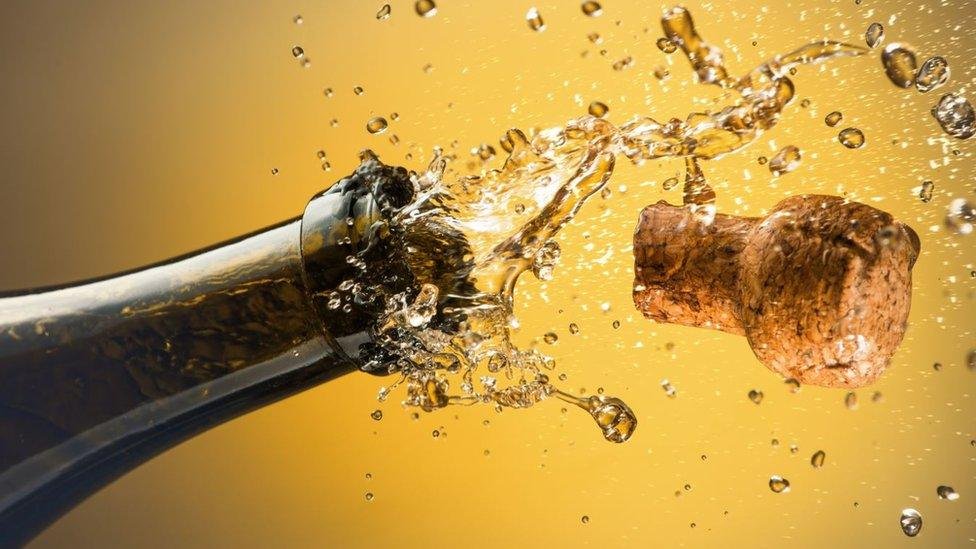
One of Champagne’s most iconic cultural rituals is the Formula One podium celebration.

Accidental Origins

The tradition began unexpectedly in 1966 when racing driver Jo Siffert received Champagne after a victory. In 1967, Dan Gurney famously sprayed Champagne over the crowd after winning Le Mans.

The image became legendary.

Today Champagne spraying symbolizes:

  • Triumph
  • Energy
  • Spectacle
  • Achievement

The ritual helped reinforce Champagne’s association with victory and elite competition.

Prestige Cuvées and Scarcity

Luxury markets rely heavily on exclusivity, and Champagne houses mastered this principle.

Prestige cuvées represent the pinnacle of house production.

Examples include:

  • Dom Pérignon
  • Cristal
  • Krug Clos du Mesnil
  • Salon
  • Bollinger R.D.

These wines often feature:

  • Limited production
  • Extended aging
  • Exceptional vintages
  • Luxury packaging

Scarcity increases desirability.

Consumers often view prestige Champagne not merely as wine, but as collectible luxury objects.


Cristal and Elite Symbolism

Cristal, produced by Louis Roederer, offers a fascinating example of luxury positioning.

Originally created in 1876 for Tsar Alexander II of Russia, Cristal used clear crystal bottles with flat bottoms to prevent assassination attempts involving hidden explosives.

This royal connection enhanced its mystique.

In modern culture, Cristal became strongly associated with:

  • Celebrity nightlife
  • Hip-hop culture
  • Elite exclusivity

Its transparent bottle became instantly recognizable worldwide.


Dom Pérignon and Storytelling

Dom Pérignon demonstrates the power of narrative in luxury branding.

Named after the Benedictine monk associated with Champagne history, the brand emphasizes:

  • Heritage
  • Artistry
  • Patience
  • Vision

Marketing campaigns often feature:

  • Famous artists
  • Fashion icons
  • Philosophical themes
  • Minimalist luxury aesthetics

Dom Pérignon sells not only wine, but also an intellectualized vision of sophistication.


Packaging and Visual Luxury

Champagne houses invest heavily in presentation because luxury consumers value aesthetics alongside product quality.

Packaging elements include:

  • Embossed labels
  • Gold foil
  • Artistic boxes
  • Custom bottles
  • Designer collaborations

Luxury packaging creates anticipation before the bottle is even opened.

The physical object becomes part of the emotional experience.


Champagne and Fashion

Champagne and fashion share similar cultural roles:

  • Both symbolize taste
  • Both express identity
  • Both rely on prestige and exclusivity

As a result, Champagne brands frequently collaborate with:

  • Fashion houses
  • Jewelry brands
  • Designers
  • Luxury hotels

These partnerships reinforce high-end positioning.

Champagne sponsorship also appears prominently during:

  • Fashion weeks
  • Gala events
  • Luxury product launches

The Economics of Luxury Champagne

Champagne pricing reflects far more than production costs.

Consumers pay for:

  • Brand reputation
  • History
  • Scarcity
  • Social symbolism
  • Emotional value

Luxury economists often describe this phenomenon as “Veblen goods” behavior — products whose desirability increases partly because of high prices.

For some consumers, expensive Champagne communicates social status as much as personal taste.


Social Media and Modern Champagne Culture

Instagram and digital culture transformed Champagne visibility.

Images of Champagne now dominate luxury lifestyle content:

  • Yacht parties
  • Rooftop celebrations
  • Fine dining
  • VIP clubs
  • Luxury travel

The visual appeal of Champagne — especially bottle presentation and sparkling wine in elegant glasses — performs extremely well on social media platforms.

This visibility continually reinforces its luxury identity among younger generations.


Champagne Tourism

Luxury tourism increasingly centers around Champagne experiences.

Visitors travel to the Champagne region to:

  • Tour historic cellars
  • Taste prestige cuvées
  • Visit vineyards
  • Learn production methods

Champagne houses offer highly curated experiences emphasizing:

  • Heritage
  • Exclusivity
  • Architecture
  • Gastronomy

Wine tourism strengthens emotional attachment between consumers and brands.


The Democratization of Luxury

Although Champagne remains prestigious, modern markets have broadened access.

Consumers today can purchase:

  • Entry-level non-vintage Champagne
  • Premium vintage bottles
  • Ultra-luxury prestige cuvées

This range allows Champagne to function across multiple social levels while preserving its aspirational image.

Even relatively affordable Champagne still carries symbolic prestige because of the region’s cultural reputation.


Champagne Versus Other Sparkling Wines

Many sparkling wines rival Champagne in technical quality, including:

  • Franciacorta
  • English sparkling wine
  • Cava
  • California sparkling wine

Yet Champagne maintains unmatched symbolic power.

Why?

Because luxury branding depends not only on quality but also on:

  • Historical continuity
  • Cultural recognition
  • Narrative strength
  • Social meaning

Champagne has accumulated centuries of symbolic capital that competitors struggle to replicate.


Criticism of Champagne Luxury Culture

Not everyone views Champagne luxury positively.

Critics argue that modern Champagne culture can encourage:

  • Excessive consumption
  • Status obsession
  • Performative wealth display
  • Commercial elitism

Some wine enthusiasts also believe heavy branding sometimes overshadows agricultural authenticity.

In response, grower Champagne producers increasingly emphasize:

  • Terroir expression
  • Sustainability
  • Transparency
  • Small-scale craftsmanship

This movement reflects changing consumer values favoring authenticity over pure luxury spectacle.


Sustainability and the Future of Prestige

Luxury consumers increasingly expect environmental responsibility.

Champagne houses now invest heavily in:

  • Organic viticulture
  • Carbon reduction
  • Sustainable packaging
  • Biodiversity protection

The future of luxury may depend partly on ethical credibility.

Consumers increasingly associate true prestige not merely with wealth, but also with:

  • Environmental consciousness
  • Craftsmanship
  • Cultural responsibility

Why Champagne Endures

Many luxury trends fade over time, yet Champagne remains globally relevant century after century.

Its durability comes from several factors:

  • Strong geographic identity
  • Rigorous production standards
  • Emotional symbolism
  • Ritualistic use
  • Continuous reinvention

Champagne successfully balances:

  • Tradition and innovation
  • Exclusivity and accessibility
  • Agriculture and glamour

Very few luxury products manage this balance so effectively.


Conclusion

Champagne’s transformation from a regional French sparkling wine into a global symbol of luxury represents one of the greatest branding achievements in commercial history. Through centuries of craftsmanship, storytelling, aristocratic association, strategic marketing, and cultural ritual, Champagne became far more than a beverage.

It evolved into an idea.

Today Champagne represents celebration, ambition, elegance, romance, and achievement. It appears wherever humans seek to elevate moments beyond ordinary experience. Whether consumed in royal palaces, crowded nightclubs, wedding receptions, or quiet personal milestones, Champagne carries emotional meaning unlike almost any other drink.

Its power lies not only in flavor or bubbles, but in symbolism.

Every bottle opened signals something important: success earned, love celebrated, memories created, or hope renewed. The ritual transcends geography and language.

As luxury culture continues evolving in the digital age, Champagne remains remarkably adaptable. New generations continue embracing it, new markets continue demanding it, and new producers continue innovating within its traditions.

Yet despite changing fashions and technologies, one truth remains constant: when humanity wishes to celebrate life’s most meaningful moments, Champagne still stands at the center of the table.

Tags: champagne
ShareTweetShare

Related Posts

Champagne: The Sparkling Wine That Changed Global Celebration Culture
Champagne

Dom Pérignon, Cristal, Krug, and Beyond: The World’s Most Famous Champagne Houses and Their Legacy

May 27, 2026
Champagne Beyond Celebration: The History, Craftsmanship, and Global Influence of the World’s Most Iconic Sparkling Wine
Champagne

The Future of Champagne: Climate Change, Innovation, Sustainability, and the Next Era of Sparkling Wine

May 27, 2026
Champagne Beyond Celebration: The History, Craftsmanship, and Global Influence of the World’s Most Iconic Sparkling Wine
Champagne

The Art of Champagne Production: Inside the Science, Skill, and Tradition Behind Every Bottle

May 27, 2026
Champagne Beyond Celebration: The History, Craftsmanship, and Global Influence of the World’s Most Iconic Sparkling Wine
Champagne

Champagne Beyond Celebration: The History, Craftsmanship, and Global Influence of the World’s Most Iconic Sparkling Wine

May 27, 2026
Champagne: The Sparkling Wine That Changed Global Celebration Culture
Champagne

Champagne vs Prosecco vs Cava: How the World’s Sparkling Wines Reflect Culture, Geography, and Taste

May 24, 2026
Champagne: The Sparkling Wine That Changed Global Celebration Culture
Champagne

Women Who Changed Champagne: Widow Clicquot, Female Leadership, and the Hidden History of Sparkling Wine

May 24, 2026
Leave Comment
  • Trending
  • Comments
  • Latest
Role of Terroir in Champagne Production

Role of Terroir in Champagne Production

January 19, 2026
Champagne Can Be Aged in Wood?

Champagne Can Be Aged in Wood?

January 18, 2026
Is Organic Wine Healthier Than Conventional Wine?

Is Organic Wine Healthier Than Conventional Wine?

January 20, 2026
Why Do Some Champagnes Use a High Proportion of Pinot Meunier?

Why Do Some Champagnes Use a High Proportion of Pinot Meunier?

January 20, 2026
The Timeless Elegance of Wine: A Journey Through History and Culture

The Timeless Elegance of Wine: A Journey Through History and Culture

Why Is Château Lafite Rothschild the Pinnacle of Fine Wine?

Why Is Château Lafite Rothschild the Pinnacle of Fine Wine?

How Did Château Lafite Rothschild Become a Global Icon of Luxury?

How Did Château Lafite Rothschild Become a Global Icon of Luxury?

What Makes Chateau Lafite Rothschild the Pinnacle of Bordeaux Wines?

What Makes Chateau Lafite Rothschild the Pinnacle of Bordeaux Wines?

Grain Spirits: The Origins, Science, and Global Evolution of Distilled Grain Alcohol

Bourbon: America’s Native Grain Spirit and the Global Story of Corn, Oak, Fire, and Time

May 27, 2026
Grain Spirits: The Origins, Science, and Global Evolution of Distilled Grain Alcohol

Gin: Botanicals, History, Cocktail Culture, and the Artistic Evolution of the World’s Most Aromatic Grain Spirit

May 27, 2026
Grain Spirits: The Origins, Science, and Global Evolution of Distilled Grain Alcohol

Vodka: The Global Rise of the World’s Most Versatile Grain Spirit

May 27, 2026
Grain Spirits: The Origins, Science, and Global Evolution of Distilled Grain Alcohol

Whiskey and the Soul of Grain Spirits: History, Craftsmanship, Culture, and the Global Rise of the World’s Most Iconic Distilled Grain Beverage

May 27, 2026
SipsavorLife

Welcome to our comprehensive beverage guide, where you can explore the fascinating world of alcoholic drinks. From exquisite wines and rich whiskeys to refreshing beers and sparkling champagnes, we provide insights, tips, and recommendations for enthusiasts and casual drinkers alike. Discover your next favorite libation with us!

© 2025 sipsavorlife.com. contacts:sipsavorlife-35376@gmail.com

No Result
View All Result
  • Home
  • Wine
  • Whiskey
  • Beer
  • Grain Spirits
  • Champagne
  • ALL

© 2025 sipsavorlife.com. contacts:sipsavorlife-35376@gmail.com

Welcome Back!

Login to your account below

Forgotten Password?

Retrieve your password

Please enter your username or email address to reset your password.

Log In