













SipsavorLife
  • Home
  • Wine
    The History, Culture, and Global Influence of Humanity’s Most Celebrated Beverage

    The Wine Revolution: How Modern Winemaking Transformed a Global Industry

    The History, Culture, and Global Influence of Humanity’s Most Celebrated Beverage

    Wine Styles of the World: A Complete Guide to Red, White, Rosé, Sparkling, and Fortified Wines

    The History, Culture, and Global Influence of Humanity’s Most Celebrated Beverage

    The Global Wine Industry: Markets, Trade, Tourism, and Economic Impact

    The History, Culture, and Global Influence of Humanity’s Most Celebrated Beverage

    The Science of Wine: Grapes, Fermentation, and Flavor Development

    The History, Culture, and Global Influence of Humanity’s Most Celebrated Beverage

    The History, Culture, and Global Influence of Humanity’s Most Celebrated Beverage

    The Cultural History of Wine: From Ancient Rituals to Modern Luxury

    The Psychology of Wine: Why Humans Associate Wine with Emotion, Memory, and Identity

  • Whiskey
    Can Beer Be an Effective Ingredient in Culinary Cooking?

    Can Beer Be an Effective Ingredient in Culinary Cooking?

    Second Fermentation in Champagne: Is It Really That Crucial?

    Second Fermentation in Champagne: Is It Really That Crucial?

    How Do Different Grains Impact the Flavor Profile of Distilled Spirits?

    How Do Different Grains Impact the Flavor Profile of Distilled Spirits?

    How Do Whiskey Master Blenders Create Perfection?

    How Do Whiskey Master Blenders Create Perfection?

    Wine Pairings: Can They Change the Flavor Profile of a Dish?

    Wine Pairings: Can They Change the Flavor Profile of a Dish?

    Beer the Ultimate Beverage for Pairing with Spicy Food?

    Beer the Ultimate Beverage for Pairing with Spicy Food?

  • Beer
    Malt Beer: Why Does Its Sweet Malty Aroma Always Bring Endless Satisfaction?

    The Craft Beer Revolution: How Independent Breweries Changed the World of Beer

    Beer: The World’s Oldest and Most Influential Beverage

    Beer Styles of the World: A Complete Guide to Lager, Ale, Stout, IPA, and Beyond

    Beer: The World’s Oldest and Most Influential Beverage

    The Global Beer Industry: Markets, Brands, and Economic Impact

    Beer: The World’s Oldest and Most Influential Beverage

    The Science of Beer: Ingredients, Fermentation, and Flavor

    Beer: The World’s Oldest and Most Influential Beverage

    Beer: The World’s Oldest and Most Influential Beverage

    Beer as a Cultural and Social Force: From Ancient Brew to Modern Identity

    Women in Brewing: The Untold History and Modern Transformation of Beer Culture

  • Grain Spirits
    Grain Spirits: The Origins, Science, and Global Evolution of Distilled Grain Alcohol

    Bourbon: America’s Native Grain Spirit and the Global Story of Corn, Oak, Fire, and Time

    Grain Spirits: The Origins, Science, and Global Evolution of Distilled Grain Alcohol

    Gin: Botanicals, History, Cocktail Culture, and the Artistic Evolution of the World’s Most Aromatic Grain Spirit

    Grain Spirits: The Origins, Science, and Global Evolution of Distilled Grain Alcohol

    Vodka: The Global Rise of the World’s Most Versatile Grain Spirit

    Grain Spirits: The Origins, Science, and Global Evolution of Distilled Grain Alcohol

    Whiskey and the Soul of Grain Spirits: History, Craftsmanship, Culture, and the Global Rise of the World’s Most Iconic Distilled Grain Beverage

    Grain Spirits: The Origins, Science, and Global Evolution of Distilled Grain Alcohol

    Grain Spirits: The Origins, Science, and Global Evolution of Distilled Grain Alcohol

    Grain Spirits Explained — The Foundation of Global Distillation

    The Future of Grain Spirits — Technology, Sustainability, and the Next Era of Distillation

  • Champagne
    Champagne: The Sparkling Wine That Changed Global Celebration Culture

    Dom Pérignon, Cristal, Krug, and Beyond: The World’s Most Famous Champagne Houses and Their Legacy

    Champagne Beyond Celebration: The History, Craftsmanship, and Global Influence of the World’s Most Iconic Sparkling Wine

    The Future of Champagne: Climate Change, Innovation, Sustainability, and the Next Era of Sparkling Wine

    Champagne Beyond Celebration: The History, Craftsmanship, and Global Influence of the World’s Most Iconic Sparkling Wine

    Champagne and Luxury Culture: How Sparkling Wine Became a Global Symbol of Wealth, Celebration, and Prestige

    Champagne Beyond Celebration: The History, Craftsmanship, and Global Influence of the World’s Most Iconic Sparkling Wine

    The Art of Champagne Production: Inside the Science, Skill, and Tradition Behind Every Bottle

    Champagne Beyond Celebration: The History, Craftsmanship, and Global Influence of the World’s Most Iconic Sparkling Wine

    Champagne Beyond Celebration: The History, Craftsmanship, and Global Influence of the World’s Most Iconic Sparkling Wine

    Champagne: The Sparkling Wine That Changed Global Celebration Culture

    Champagne vs Prosecco vs Cava: How the World’s Sparkling Wines Reflect Culture, Geography, and Taste

  • ALL
    Can Beer Be an Effective Ingredient in Culinary Cooking?

    Can Beer Be an Effective Ingredient in Culinary Cooking?

    Second Fermentation in Champagne: Is It Really That Crucial?

    Second Fermentation in Champagne: Is It Really That Crucial?

    How Do Different Grains Impact the Flavor Profile of Distilled Spirits?

    How Do Different Grains Impact the Flavor Profile of Distilled Spirits?

    How Do Whiskey Master Blenders Create Perfection?

    How Do Whiskey Master Blenders Create Perfection?

    Wine Pairings: Can They Change the Flavor Profile of a Dish?

    Wine Pairings: Can They Change the Flavor Profile of a Dish?

    Beer the Ultimate Beverage for Pairing with Spicy Food?

    Beer the Ultimate Beverage for Pairing with Spicy Food?

SipsavorLife
  • Home
  • Wine
    The History, Culture, and Global Influence of Humanity’s Most Celebrated Beverage

    The Wine Revolution: How Modern Winemaking Transformed a Global Industry

    The History, Culture, and Global Influence of Humanity’s Most Celebrated Beverage

    Wine Styles of the World: A Complete Guide to Red, White, Rosé, Sparkling, and Fortified Wines

    The History, Culture, and Global Influence of Humanity’s Most Celebrated Beverage

    The Global Wine Industry: Markets, Trade, Tourism, and Economic Impact

    The History, Culture, and Global Influence of Humanity’s Most Celebrated Beverage

    The Science of Wine: Grapes, Fermentation, and Flavor Development

    The History, Culture, and Global Influence of Humanity’s Most Celebrated Beverage

    The History, Culture, and Global Influence of Humanity’s Most Celebrated Beverage

    The Cultural History of Wine: From Ancient Rituals to Modern Luxury

    The Psychology of Wine: Why Humans Associate Wine with Emotion, Memory, and Identity

  • Whiskey
    Can Beer Be an Effective Ingredient in Culinary Cooking?

    Can Beer Be an Effective Ingredient in Culinary Cooking?

    Second Fermentation in Champagne: Is It Really That Crucial?

    Second Fermentation in Champagne: Is It Really That Crucial?

    How Do Different Grains Impact the Flavor Profile of Distilled Spirits?

    How Do Different Grains Impact the Flavor Profile of Distilled Spirits?

    How Do Whiskey Master Blenders Create Perfection?

    How Do Whiskey Master Blenders Create Perfection?

    Wine Pairings: Can They Change the Flavor Profile of a Dish?

    Wine Pairings: Can They Change the Flavor Profile of a Dish?

    Beer the Ultimate Beverage for Pairing with Spicy Food?

    Beer the Ultimate Beverage for Pairing with Spicy Food?

  • Beer
    Malt Beer: Why Does Its Sweet Malty Aroma Always Bring Endless Satisfaction?

    The Craft Beer Revolution: How Independent Breweries Changed the World of Beer

    Beer: The World’s Oldest and Most Influential Beverage

    Beer Styles of the World: A Complete Guide to Lager, Ale, Stout, IPA, and Beyond

    Beer: The World’s Oldest and Most Influential Beverage

    The Global Beer Industry: Markets, Brands, and Economic Impact

    Beer: The World’s Oldest and Most Influential Beverage

    The Science of Beer: Ingredients, Fermentation, and Flavor

    Beer: The World’s Oldest and Most Influential Beverage

    Beer: The World’s Oldest and Most Influential Beverage

    Beer as a Cultural and Social Force: From Ancient Brew to Modern Identity

    Women in Brewing: The Untold History and Modern Transformation of Beer Culture

  • Grain Spirits
    Grain Spirits: The Origins, Science, and Global Evolution of Distilled Grain Alcohol

    Bourbon: America’s Native Grain Spirit and the Global Story of Corn, Oak, Fire, and Time

    Grain Spirits: The Origins, Science, and Global Evolution of Distilled Grain Alcohol

    Gin: Botanicals, History, Cocktail Culture, and the Artistic Evolution of the World’s Most Aromatic Grain Spirit

    Grain Spirits: The Origins, Science, and Global Evolution of Distilled Grain Alcohol

    Vodka: The Global Rise of the World’s Most Versatile Grain Spirit

    Grain Spirits: The Origins, Science, and Global Evolution of Distilled Grain Alcohol

    Whiskey and the Soul of Grain Spirits: History, Craftsmanship, Culture, and the Global Rise of the World’s Most Iconic Distilled Grain Beverage

    Grain Spirits: The Origins, Science, and Global Evolution of Distilled Grain Alcohol

    Grain Spirits: The Origins, Science, and Global Evolution of Distilled Grain Alcohol

    Grain Spirits Explained — The Foundation of Global Distillation

    The Future of Grain Spirits — Technology, Sustainability, and the Next Era of Distillation

  • Champagne
    Champagne: The Sparkling Wine That Changed Global Celebration Culture

    Dom Pérignon, Cristal, Krug, and Beyond: The World’s Most Famous Champagne Houses and Their Legacy

    Champagne Beyond Celebration: The History, Craftsmanship, and Global Influence of the World’s Most Iconic Sparkling Wine

    The Future of Champagne: Climate Change, Innovation, Sustainability, and the Next Era of Sparkling Wine

    Champagne Beyond Celebration: The History, Craftsmanship, and Global Influence of the World’s Most Iconic Sparkling Wine

    Champagne and Luxury Culture: How Sparkling Wine Became a Global Symbol of Wealth, Celebration, and Prestige

    Champagne Beyond Celebration: The History, Craftsmanship, and Global Influence of the World’s Most Iconic Sparkling Wine

    The Art of Champagne Production: Inside the Science, Skill, and Tradition Behind Every Bottle

    Champagne Beyond Celebration: The History, Craftsmanship, and Global Influence of the World’s Most Iconic Sparkling Wine

    Champagne Beyond Celebration: The History, Craftsmanship, and Global Influence of the World’s Most Iconic Sparkling Wine

    Champagne: The Sparkling Wine That Changed Global Celebration Culture

    Champagne vs Prosecco vs Cava: How the World’s Sparkling Wines Reflect Culture, Geography, and Taste

  • ALL
    Can Beer Be an Effective Ingredient in Culinary Cooking?

    Can Beer Be an Effective Ingredient in Culinary Cooking?

    Second Fermentation in Champagne: Is It Really That Crucial?

    Second Fermentation in Champagne: Is It Really That Crucial?

    How Do Different Grains Impact the Flavor Profile of Distilled Spirits?

    How Do Different Grains Impact the Flavor Profile of Distilled Spirits?

    How Do Whiskey Master Blenders Create Perfection?

    How Do Whiskey Master Blenders Create Perfection?

    Wine Pairings: Can They Change the Flavor Profile of a Dish?

    Wine Pairings: Can They Change the Flavor Profile of a Dish?

    Beer the Ultimate Beverage for Pairing with Spicy Food?

    Beer the Ultimate Beverage for Pairing with Spicy Food?

SipsavorLife
No Result
View All Result
Home Beer

Beer: The World’s Oldest and Most Influential Beverage

June 3, 2026
in Beer
Beer: The World’s Oldest and Most Influential Beverage

Introduction

Beer is one of humanity’s oldest and most widely consumed alcoholic beverages. Long before the rise of modern nations, global trade networks, and industrial manufacturing, people were brewing beer from grains and water. Throughout history, beer has served many purposes beyond simple enjoyment. It has been a source of nutrition, a symbol of community, a religious offering, an economic commodity, and even a driver of technological innovation.

Today, beer remains one of the most popular beverages in the world. From traditional German lagers and Belgian Trappist ales to American craft IPAs and Japanese rice lagers, beer exists in countless styles and flavors. Its remarkable diversity reflects thousands of years of experimentation, cultural exchange, and scientific advancement.

This article explores the fascinating story of beer, examining its origins, evolution, brewing process, cultural significance, economic impact, and future prospects in a rapidly changing world.


The Ancient Origins of Beer

The history of beer stretches back at least 7,000 years, making it one of the oldest manufactured beverages known to humanity.

Archaeological evidence suggests that ancient civilizations in Mesopotamia were brewing beer as early as 5000 BCE. The Sumerians, who lived in what is now Iraq, regarded beer as a gift from the gods. They even dedicated a goddess, Ninkasi, to brewing. The famous “Hymn to Ninkasi” contains one of the earliest known beer recipes.

Beer production likely emerged accidentally. Early agricultural societies stored grains such as barley and wheat. When these grains became wet and naturally fermented due to wild yeast in the environment, a primitive alcoholic beverage was created. People soon realized the pleasant effects of fermentation and began intentionally producing beer.

Ancient Egyptians also became skilled brewers. Beer was a staple of daily life, consumed by men, women, and children. Workers who built the pyramids reportedly received beer as part of their wages. In a society where clean drinking water was not always available, beer often served as a safer alternative because the brewing process killed many harmful microorganisms.

Beer was equally important in other ancient civilizations. Evidence of grain fermentation has been found in China, while various forms of beer-like beverages were consumed across Africa, Europe, and the Americas.


Beer in the Classical World

The Greeks and Romans were familiar with beer, although wine generally held greater prestige in Mediterranean societies.

Greek writers often associated beer with northern European tribes. Nevertheless, beer remained an important beverage among Celtic and Germanic peoples. These communities developed distinctive brewing traditions that would later influence modern European beer styles.

As the Roman Empire expanded, it encountered numerous beer-drinking cultures. Roman historians documented brewing practices among Germanic tribes, noting their reliance on grain-based alcoholic beverages rather than wine.

While wine dominated Roman culture, beer continued to thrive in regions where grapes were difficult to cultivate. This geographical factor would play a crucial role in shaping Europe’s future brewing landscape.


The Role of Monasteries in Beer Development

Following the fall of the Roman Empire, monasteries became important centers of brewing knowledge.

Medieval monks brewed beer not only for their own consumption but also for pilgrims, travelers, and local communities. Monasteries maintained detailed records and continuously improved brewing techniques.

One of the most significant innovations during this period was the increased use of hops. Before hops became common, brewers flavored beer with mixtures of herbs known as gruit. Hops provided several advantages:

  • Improved flavor balance
  • Natural preservation properties
  • Greater consistency
  • Enhanced shelf life

By the late Middle Ages, hopped beer had spread throughout much of Europe.

Monastic breweries became known for producing exceptionally high-quality beer. Some of these traditions survive today, particularly in Belgium, where Trappist breweries continue centuries-old brewing practices.


The Science Behind Brewing Beer

At its core, beer is produced from four primary ingredients:

Water

Water makes up approximately 90–95% of beer.

The mineral content of water significantly influences beer flavor. Historically, famous brewing regions often benefited from unique local water chemistry.

For example:

  • Pilsen’s soft water contributed to delicate Czech pilsners.
  • Burton-on-Trent’s mineral-rich water enhanced English pale ales.
  • Munich’s water supported darker lager styles.

Malt

Malt is typically produced from barley.

During malting, barley grains are soaked, germinated, and dried. This process activates enzymes that convert starches into fermentable sugars.

Different roasting levels create different malt characteristics:

  • Pale malt
  • Vienna malt
  • Munich malt
  • Chocolate malt
  • Black malt

These variations contribute flavors ranging from bread and biscuit to coffee and dark chocolate.

Hops

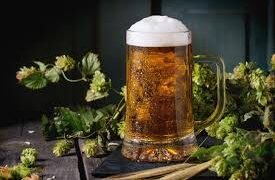
Hops are the flowers of the hop plant (Humulus lupulus).

They contribute:

  • Bitterness
  • Aroma
  • Flavor
  • Preservation qualities

Modern hop varieties can produce aromas resembling:

  • Citrus fruits
  • Pine
  • Tropical fruits
  • Flowers
  • Herbs
  • Berries

Yeast

Yeast performs the crucial task of fermentation.

During fermentation, yeast converts sugars into:

  • Alcohol
  • Carbon dioxide
  • Flavor compounds

Different yeast strains create distinctive beer styles.


Ale Versus Lager

Most beers belong to one of two major categories:

Ale

Ales use top-fermenting yeast.

Characteristics include:

  • Warmer fermentation temperatures
  • Fruity aromas
  • Complex flavor profiles
  • Richer yeast character

Popular ale styles include:

  • IPA
  • Pale Ale
  • Stout
  • Porter
  • Belgian Dubbel
  • Saison

Lager

Lagers use bottom-fermenting yeast.

Characteristics include:

  • Cooler fermentation temperatures
  • Cleaner flavors
  • Crisp finish
  • Greater emphasis on malt and hops

Popular lagers include:

  • Pilsner
  • Helles
  • Dunkel
  • Märzen
  • Bock

Today, lager represents the majority of global beer production.


The Industrial Revolution and Beer

The Industrial Revolution transformed brewing from a local craft into a large-scale industry.

Several technological innovations played critical roles:

Steam Power

Steam engines mechanized brewing operations, increasing efficiency and production capacity.

Thermometers

Brewers could precisely control temperatures during mashing and fermentation.

Hydrometers

These instruments allowed brewers to measure sugar concentration and predict alcohol content.

Refrigeration

Artificial refrigeration revolutionized lager production.

Brewers were no longer dependent on seasonal temperatures, enabling year-round brewing and global distribution.

Pasteurization

Named after Louis Pasteur, pasteurization improved beer stability and shelf life.

Pasteur’s research also helped scientists understand fermentation, laying the foundation for modern microbiology.

The Rise of Global Brewing Giants

The twentieth century witnessed significant consolidation within the brewing industry.

Large corporations emerged through mergers and acquisitions, creating multinational brewing companies capable of producing millions of barrels annually.

Major advantages included:

  • Economies of scale
  • Consistent quality
  • Extensive distribution networks
  • Strong marketing capabilities

As global brands expanded, many local breweries disappeared. By the late twentieth century, beer markets in many countries were dominated by a handful of major producers.

While industrial brewing improved accessibility and consistency, critics argued that it reduced diversity and regional character.


The Craft Beer Revolution

The late twentieth century saw the emergence of the craft beer movement.

Consumers increasingly sought:

  • Unique flavors
  • Local products
  • Traditional techniques
  • Brewing innovation

Small independent breweries began challenging industry giants by offering distinctive alternatives.

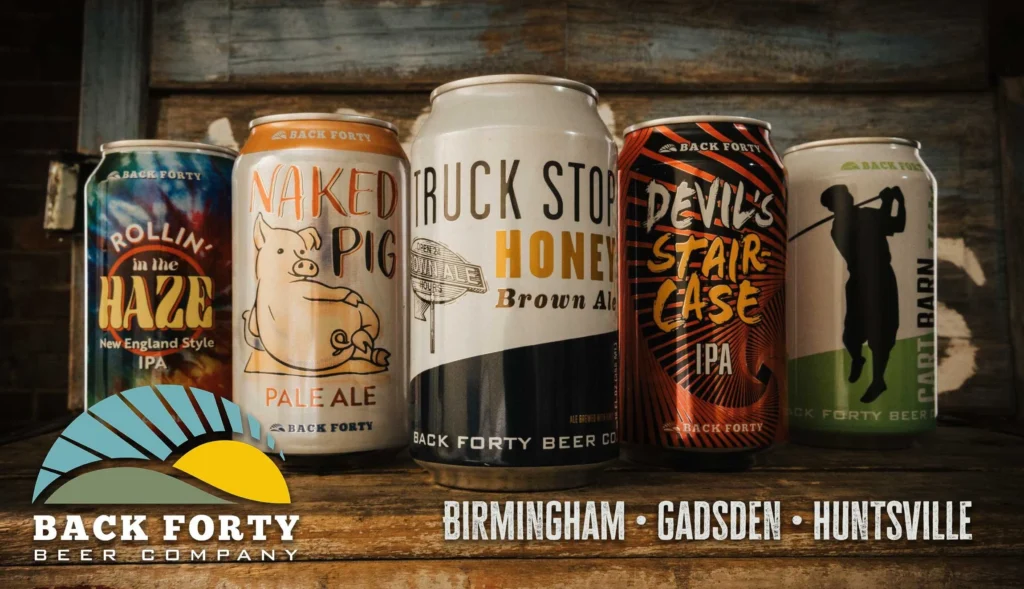
The United States became a major center of craft brewing innovation. Brewers experimented with:

  • New hop varieties
  • Barrel aging
  • Wild fermentation
  • Historical recipes
  • Hybrid styles

The India Pale Ale (IPA) became the flagship style of the movement.

Craft beer eventually spread worldwide, inspiring breweries in:

  • Europe
  • Asia
  • South America
  • Australia
  • Africa

Today, thousands of craft breweries contribute to a vibrant global beer culture.


Beer Styles Around the World

One of beer’s greatest strengths is its diversity.

Germany

Germany’s brewing heritage includes:

  • Pilsner
  • Hefeweizen
  • Dunkel
  • Bock
  • Kölsch

The Reinheitsgebot, or Beer Purity Law, has influenced German brewing since 1516.

Belgium

Belgium is renowned for extraordinary brewing creativity.

Notable styles include:

  • Trappist ales
  • Lambics
  • Gueuze
  • Saison
  • Dubbel
  • Tripel

Belgian beers often showcase complex yeast-driven flavors.

United Kingdom

British brewing traditions emphasize balance and drinkability.

Classic styles include:

  • Bitter
  • Mild
  • Porter
  • Stout
  • Barleywine

Many British beers are traditionally served via cask conditioning.

Czech Republic

The Czech Republic is famous for pilsner beer.

Pilsner Urquell, introduced in 1842, established a style that would influence brewing worldwide.

United States

American brewers are known for experimentation.

Popular styles include:

  • American IPA
  • Double IPA
  • Imperial Stout
  • American Pale Ale
  • Sour Ale

Japan

Japanese breweries have gained global respect for precision and consistency.

Rice lagers and innovative craft beers continue to expand the country’s brewing reputation.


Beer and Social Culture

Beer plays a significant social role across many societies.

Beer halls, pubs, breweries, and festivals create spaces where people gather to:

  • Celebrate
  • Socialize
  • Conduct business
  • Build community

Famous beer-centered events include:

Oktoberfest

Held annually in Munich, Germany, Oktoberfest attracts millions of visitors from around the world.

Great American Beer Festival

This event showcases hundreds of breweries and thousands of beers.

Belgian Beer Weekend

A celebration of Belgium’s unique brewing traditions.

Beer often serves as a cultural bridge, bringing together people from different backgrounds.


Economic Importance of Beer

The beer industry generates enormous economic activity.

Its contributions include:

Employment

The industry supports jobs in:

  • Agriculture
  • Brewing
  • Packaging
  • Transportation
  • Hospitality
  • Retail

Agriculture

Beer production drives demand for:

  • Barley
  • Wheat
  • Hops
  • Rice
  • Corn

Tourism

Brewery tours and beer festivals attract millions of visitors annually.

Beer tourism has become a major economic sector in many regions.

Tax Revenue

Governments collect substantial revenue through alcohol taxation.


Sustainability Challenges

Modern brewing faces growing environmental concerns.

Major challenges include:

Water Consumption

Brewing requires significant amounts of water.

Many breweries are investing in:

  • Water recycling systems
  • Efficiency improvements
  • Wastewater treatment

Energy Usage

Heating, cooling, and packaging consume substantial energy.

Breweries increasingly utilize:

  • Solar power
  • Wind energy
  • Energy-efficient equipment

Packaging Waste

Glass bottles, aluminum cans, and plastic materials create environmental impacts.

Sustainable packaging solutions are becoming more common.


Emerging Trends in Beer

The beer industry continues to evolve.

Key trends include:

Non-Alcoholic Beer

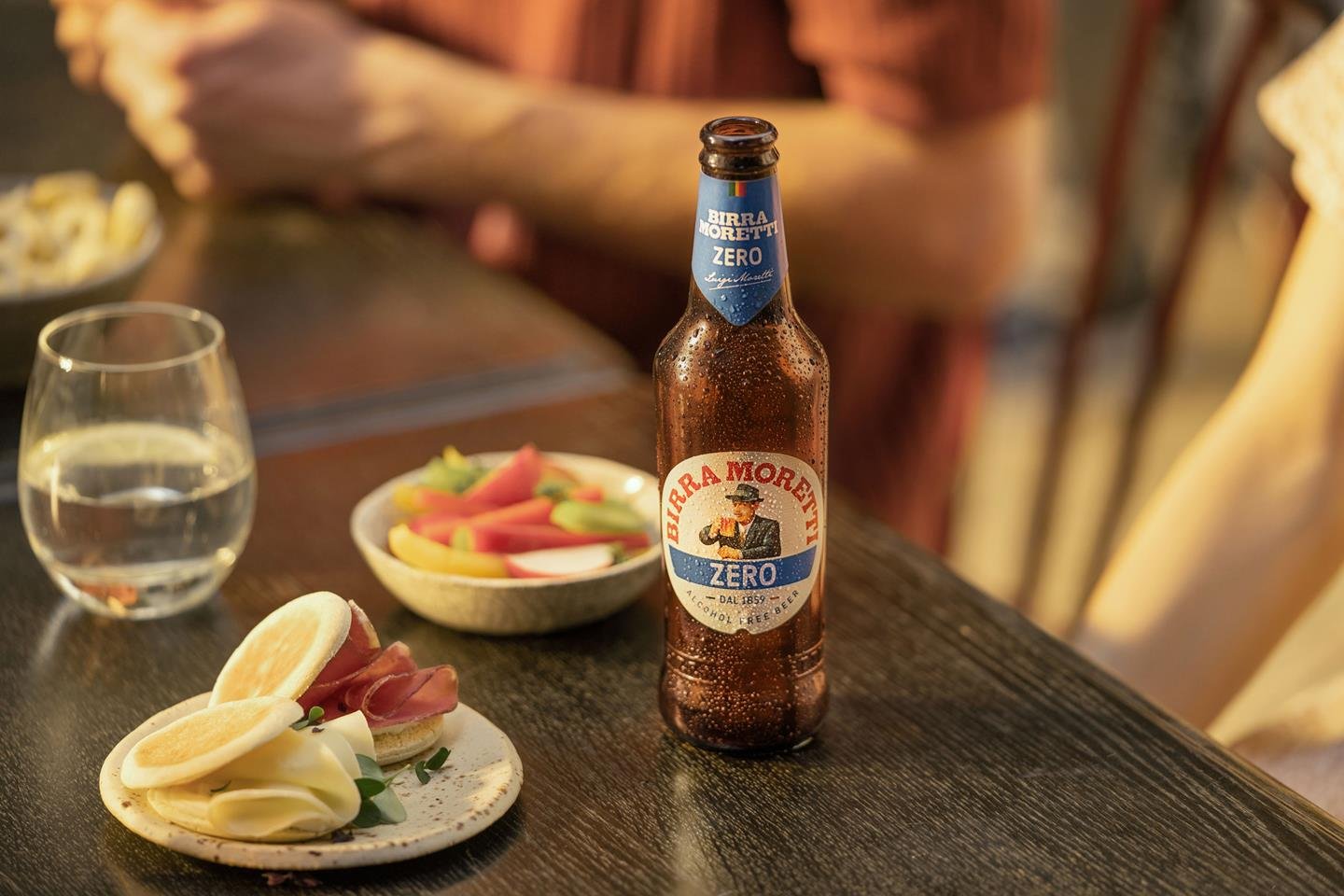
Advances in brewing technology have dramatically improved the quality of alcohol-free beer.

Consumer demand is growing rapidly.

Low-Calorie Beer

Health-conscious consumers increasingly seek lighter options.

Experimental Ingredients

Brewers are exploring:

  • Exotic fruits
  • Spices
  • Coffee
  • Tea
  • Chocolate
  • Botanicals

Local Production

Many consumers prefer locally produced beer that supports regional economies.

Digital Technology

Artificial intelligence, automation, and advanced analytics are improving brewing efficiency and quality control.


The Future of Beer

Beer has survived and adapted for thousands of years because it continually evolves alongside human society.

Future developments may include:

  • Climate-resilient barley varieties
  • Advanced fermentation techniques
  • Greater sustainability
  • Personalized brewing experiences
  • Expanded non-alcoholic offerings

Despite technological change, the fundamental appeal of beer remains remarkably constant. It is a beverage that combines agriculture, science, craftsmanship, and culture into a single glass.


Conclusion

Beer’s story is inseparable from the story of civilization itself. From ancient Mesopotamian brewers and Egyptian laborers to modern craft beer enthusiasts and multinational brewing corporations, beer has accompanied humanity through every major stage of development.

More than simply an alcoholic beverage, beer represents innovation, tradition, community, and cultural identity. Its production reflects advances in agriculture, chemistry, engineering, and business. Its consumption fosters social interaction and shared experiences across cultures and generations.

As the brewing industry faces new challenges and opportunities in the twenty-first century, beer continues to demonstrate remarkable resilience and adaptability. Whether enjoyed in a medieval-style monastery brewery, a bustling urban craft taproom, or a family gathering at home, beer remains one of the world’s most enduring and influential beverages.
Tags: beer
ShareTweetShare

Related Posts

Malt Beer: Why Does Its Sweet Malty Aroma Always Bring Endless Satisfaction?
Beer

The Craft Beer Revolution: How Independent Breweries Changed the World of Beer

June 3, 2026
Beer: The World’s Oldest and Most Influential Beverage
Beer

Beer Styles of the World: A Complete Guide to Lager, Ale, Stout, IPA, and Beyond

June 3, 2026
Beer: The World’s Oldest and Most Influential Beverage
Beer

The Global Beer Industry: Markets, Brands, and Economic Impact

June 3, 2026
Beer: The World’s Oldest and Most Influential Beverage
Beer

The Science of Beer: Ingredients, Fermentation, and Flavor

June 3, 2026
Beer as a Cultural and Social Force: From Ancient Brew to Modern Identity
Beer

Women in Brewing: The Untold History and Modern Transformation of Beer Culture

May 23, 2026
The Global Craft Beer Revolution: How Independent Brewers Changed Modern Drinking Culture
Beer

Beer Tourism: Exploring the World Through Breweries and Drinking Traditions

May 23, 2026
Leave Comment
  • Trending
  • Comments
  • Latest
Role of Terroir in Champagne Production

Role of Terroir in Champagne Production

January 19, 2026
Champagne Can Be Aged in Wood?

Champagne Can Be Aged in Wood?

January 18, 2026
Is Organic Wine Healthier Than Conventional Wine?

Is Organic Wine Healthier Than Conventional Wine?

January 20, 2026
Why Do Some Champagnes Use a High Proportion of Pinot Meunier?

Why Do Some Champagnes Use a High Proportion of Pinot Meunier?

January 20, 2026
The Timeless Elegance of Wine: A Journey Through History and Culture

The Timeless Elegance of Wine: A Journey Through History and Culture

Why Is Château Lafite Rothschild the Pinnacle of Fine Wine?

Why Is Château Lafite Rothschild the Pinnacle of Fine Wine?

How Did Château Lafite Rothschild Become a Global Icon of Luxury?

How Did Château Lafite Rothschild Become a Global Icon of Luxury?

What Makes Chateau Lafite Rothschild the Pinnacle of Bordeaux Wines?

What Makes Chateau Lafite Rothschild the Pinnacle of Bordeaux Wines?

The History, Culture, and Global Influence of Humanity’s Most Celebrated Beverage

The Wine Revolution: How Modern Winemaking Transformed a Global Industry

June 3, 2026
The History, Culture, and Global Influence of Humanity’s Most Celebrated Beverage

Wine Styles of the World: A Complete Guide to Red, White, Rosé, Sparkling, and Fortified Wines

June 3, 2026
The History, Culture, and Global Influence of Humanity’s Most Celebrated Beverage

The Global Wine Industry: Markets, Trade, Tourism, and Economic Impact

June 3, 2026
The History, Culture, and Global Influence of Humanity’s Most Celebrated Beverage

The Science of Wine: Grapes, Fermentation, and Flavor Development

June 3, 2026
SipsavorLife

Welcome to our comprehensive beverage guide, where you can explore the fascinating world of alcoholic drinks. From exquisite wines and rich whiskeys to refreshing beers and sparkling champagnes, we provide insights, tips, and recommendations for enthusiasts and casual drinkers alike. Discover your next favorite libation with us!

© 2025 sipsavorlife.com. contacts:sipsavorlife-35376@gmail.com

No Result
View All Result
  • Home
  • Wine
  • Whiskey
  • Beer
  • Grain Spirits
  • Champagne
  • ALL

© 2025 sipsavorlife.com. contacts:sipsavorlife-35376@gmail.com

Welcome Back!

Login to your account below

Forgotten Password?

Retrieve your password

Please enter your username or email address to reset your password.

Log In