










SipsavorLife
  • Home
  • Wine
    The Cultural History of Wine: From Ancient Rituals to Modern Luxury

    The Psychology of Wine: Why Humans Associate Wine with Emotion, Memory, and Identity

    The Cultural History of Wine: From Ancient Rituals to Modern Luxury

    Sustainable Winemaking: Environmental Challenges and the Future of Vineyards

    The Cultural History of Wine: From Ancient Rituals to Modern Luxury

    Wine and Food Pairing: The Culinary Art of Balance and Flavor

    The Cultural History of Wine: From Ancient Rituals to Modern Luxury

    The Science of Wine: Fermentation, Chemistry, and Flavor Development

    The Cultural History of Wine: From Ancient Rituals to Modern Luxury

    The Cultural History of Wine: From Ancient Rituals to Modern Luxury

    Wine as a Cultural Artifact: History, Identity, and the Evolution of Taste

    The Art and Science of Wine & Food Pairing: How to Create Perfect Matches Every Time

  • Whiskey
    Can Beer Be an Effective Ingredient in Culinary Cooking?

    Can Beer Be an Effective Ingredient in Culinary Cooking?

    Second Fermentation in Champagne: Is It Really That Crucial?

    Second Fermentation in Champagne: Is It Really That Crucial?

    How Do Different Grains Impact the Flavor Profile of Distilled Spirits?

    How Do Different Grains Impact the Flavor Profile of Distilled Spirits?

    How Do Whiskey Master Blenders Create Perfection?

    How Do Whiskey Master Blenders Create Perfection?

    Wine Pairings: Can They Change the Flavor Profile of a Dish?

    Wine Pairings: Can They Change the Flavor Profile of a Dish?

    Beer the Ultimate Beverage for Pairing with Spicy Food?

    Beer the Ultimate Beverage for Pairing with Spicy Food?

  • Beer
    Beer as a Cultural and Social Force: From Ancient Brew to Modern Identity

    Women in Brewing: The Untold History and Modern Transformation of Beer Culture

    The Global Craft Beer Revolution: How Independent Brewers Changed Modern Drinking Culture

    Beer Tourism: Exploring the World Through Breweries and Drinking Traditions

    The Global Craft Beer Revolution: How Independent Brewers Changed Modern Drinking Culture

    Barrel Aging and Experimental Brewing: The New Frontier of Beer Innovation

    The Global Craft Beer Revolution: How Independent Brewers Changed Modern Drinking Culture

    Beer and Society: How Beer Shapes Communities, Traditions, and Human Connection

    The Global Craft Beer Revolution: How Independent Brewers Changed Modern Drinking Culture

    The Global Craft Beer Revolution: How Independent Brewers Changed Modern Drinking Culture

    The Global Craft Beer Revolution: How Independent Breweries Changed Modern Drinking Culture

    The Future of Beer: Innovation, Sustainability, and the Changing Global Drinking Culture

  • Grain Spirits
    Grain Spirits Explained — The Foundation of Global Distillation

    The Future of Grain Spirits — Technology, Sustainability, and the Next Era of Distillation

    Grain Spirits Explained — The Foundation of Global Distillation

    Grain Spirits Around the World — Vodka, Whisky Bases, and Industrial Applications

    Grain Spirits Explained — The Foundation of Global Distillation

    Distillation Systems — Pot Still vs Column Still, and the Balance Between Efficiency and Flavor

    Grain Spirits Explained — The Foundation of Global Distillation

    Grain Selection and Fermentation Science — How Raw Ingredients Shape Grain Spirits

    Grain Spirits Explained — The Foundation of Global Distillation

    Grain Spirits Explained — The Foundation of Global Distillation

    Grain Spirits and the Industrial Birth of Neutral Alcohol

    The Future of Grain Spirits — AI Distillation, Sustainability, and the Post-Flavor Alcohol Industry

  • Champagne
    Champagne: The Sparkling Wine That Changed Global Celebration Culture

    Champagne vs Prosecco vs Cava: How the World’s Sparkling Wines Reflect Culture, Geography, and Taste

    Champagne: The Sparkling Wine That Changed Global Celebration Culture

    Women Who Changed Champagne: Widow Clicquot, Female Leadership, and the Hidden History of Sparkling Wine

    Champagne: The Sparkling Wine That Changed Global Celebration Culture

    Champagne and Gastronomy: Why Sparkling Wine Became One of the World’s Greatest Food Companions

    Champagne: The Sparkling Wine That Changed Global Celebration Culture

    The Art of Luxury Champagne: Prestige, Fashion, and the Global Symbol of Elegance

    Champagne: The Sparkling Wine That Changed Global Celebration Culture

    Champagne: The Sparkling Wine That Changed Global Celebration Culture

    The History of Champagne — From Accidental Sparkle to Global Luxury

    The Future of Champagne — Climate Change, Innovation, and Industry Evolution

  • ALL
    Can Beer Be an Effective Ingredient in Culinary Cooking?

    Can Beer Be an Effective Ingredient in Culinary Cooking?

    Second Fermentation in Champagne: Is It Really That Crucial?

    Second Fermentation in Champagne: Is It Really That Crucial?

    How Do Different Grains Impact the Flavor Profile of Distilled Spirits?

    How Do Different Grains Impact the Flavor Profile of Distilled Spirits?

    How Do Whiskey Master Blenders Create Perfection?

    How Do Whiskey Master Blenders Create Perfection?

    Wine Pairings: Can They Change the Flavor Profile of a Dish?

    Wine Pairings: Can They Change the Flavor Profile of a Dish?

    Beer the Ultimate Beverage for Pairing with Spicy Food?

    Beer the Ultimate Beverage for Pairing with Spicy Food?

SipsavorLife
  • Home
  • Wine
    The Cultural History of Wine: From Ancient Rituals to Modern Luxury

    The Psychology of Wine: Why Humans Associate Wine with Emotion, Memory, and Identity

    The Cultural History of Wine: From Ancient Rituals to Modern Luxury

    Sustainable Winemaking: Environmental Challenges and the Future of Vineyards

    The Cultural History of Wine: From Ancient Rituals to Modern Luxury

    Wine and Food Pairing: The Culinary Art of Balance and Flavor

    The Cultural History of Wine: From Ancient Rituals to Modern Luxury

    The Science of Wine: Fermentation, Chemistry, and Flavor Development

    The Cultural History of Wine: From Ancient Rituals to Modern Luxury

    The Cultural History of Wine: From Ancient Rituals to Modern Luxury

    Wine as a Cultural Artifact: History, Identity, and the Evolution of Taste

    The Art and Science of Wine & Food Pairing: How to Create Perfect Matches Every Time

  • Whiskey
    Can Beer Be an Effective Ingredient in Culinary Cooking?

    Can Beer Be an Effective Ingredient in Culinary Cooking?

    Second Fermentation in Champagne: Is It Really That Crucial?

    Second Fermentation in Champagne: Is It Really That Crucial?

    How Do Different Grains Impact the Flavor Profile of Distilled Spirits?

    How Do Different Grains Impact the Flavor Profile of Distilled Spirits?

    How Do Whiskey Master Blenders Create Perfection?

    How Do Whiskey Master Blenders Create Perfection?

    Wine Pairings: Can They Change the Flavor Profile of a Dish?

    Wine Pairings: Can They Change the Flavor Profile of a Dish?

    Beer the Ultimate Beverage for Pairing with Spicy Food?

    Beer the Ultimate Beverage for Pairing with Spicy Food?

  • Beer
    Beer as a Cultural and Social Force: From Ancient Brew to Modern Identity

    Women in Brewing: The Untold History and Modern Transformation of Beer Culture

    The Global Craft Beer Revolution: How Independent Brewers Changed Modern Drinking Culture

    Beer Tourism: Exploring the World Through Breweries and Drinking Traditions

    The Global Craft Beer Revolution: How Independent Brewers Changed Modern Drinking Culture

    Barrel Aging and Experimental Brewing: The New Frontier of Beer Innovation

    The Global Craft Beer Revolution: How Independent Brewers Changed Modern Drinking Culture

    Beer and Society: How Beer Shapes Communities, Traditions, and Human Connection

    The Global Craft Beer Revolution: How Independent Brewers Changed Modern Drinking Culture

    The Global Craft Beer Revolution: How Independent Brewers Changed Modern Drinking Culture

    The Global Craft Beer Revolution: How Independent Breweries Changed Modern Drinking Culture

    The Future of Beer: Innovation, Sustainability, and the Changing Global Drinking Culture

  • Grain Spirits
    Grain Spirits Explained — The Foundation of Global Distillation

    The Future of Grain Spirits — Technology, Sustainability, and the Next Era of Distillation

    Grain Spirits Explained — The Foundation of Global Distillation

    Grain Spirits Around the World — Vodka, Whisky Bases, and Industrial Applications

    Grain Spirits Explained — The Foundation of Global Distillation

    Distillation Systems — Pot Still vs Column Still, and the Balance Between Efficiency and Flavor

    Grain Spirits Explained — The Foundation of Global Distillation

    Grain Selection and Fermentation Science — How Raw Ingredients Shape Grain Spirits

    Grain Spirits Explained — The Foundation of Global Distillation

    Grain Spirits Explained — The Foundation of Global Distillation

    Grain Spirits and the Industrial Birth of Neutral Alcohol

    The Future of Grain Spirits — AI Distillation, Sustainability, and the Post-Flavor Alcohol Industry

  • Champagne
    Champagne: The Sparkling Wine That Changed Global Celebration Culture

    Champagne vs Prosecco vs Cava: How the World’s Sparkling Wines Reflect Culture, Geography, and Taste

    Champagne: The Sparkling Wine That Changed Global Celebration Culture

    Women Who Changed Champagne: Widow Clicquot, Female Leadership, and the Hidden History of Sparkling Wine

    Champagne: The Sparkling Wine That Changed Global Celebration Culture

    Champagne and Gastronomy: Why Sparkling Wine Became One of the World’s Greatest Food Companions

    Champagne: The Sparkling Wine That Changed Global Celebration Culture

    The Art of Luxury Champagne: Prestige, Fashion, and the Global Symbol of Elegance

    Champagne: The Sparkling Wine That Changed Global Celebration Culture

    Champagne: The Sparkling Wine That Changed Global Celebration Culture

    The History of Champagne — From Accidental Sparkle to Global Luxury

    The Future of Champagne — Climate Change, Innovation, and Industry Evolution

  • ALL
    Can Beer Be an Effective Ingredient in Culinary Cooking?

    Can Beer Be an Effective Ingredient in Culinary Cooking?

    Second Fermentation in Champagne: Is It Really That Crucial?

    Second Fermentation in Champagne: Is It Really That Crucial?

    How Do Different Grains Impact the Flavor Profile of Distilled Spirits?

    How Do Different Grains Impact the Flavor Profile of Distilled Spirits?

    How Do Whiskey Master Blenders Create Perfection?

    How Do Whiskey Master Blenders Create Perfection?

    Wine Pairings: Can They Change the Flavor Profile of a Dish?

    Wine Pairings: Can They Change the Flavor Profile of a Dish?

    Beer the Ultimate Beverage for Pairing with Spicy Food?

    Beer the Ultimate Beverage for Pairing with Spicy Food?

SipsavorLife
No Result
View All Result
Home Champagne

Champagne vs Prosecco vs Cava: How the World’s Sparkling Wines Reflect Culture, Geography, and Taste

May 24, 2026
in Champagne
Champagne: The Sparkling Wine That Changed Global Celebration Culture

Introduction

Sparkling wine occupies a unique place in global drinking culture. Across continents and social classes, people associate bubbles with pleasure, celebration, romance, and ceremony. Yet not all sparkling wines are the same. Behind the familiar sparkle lies enormous diversity shaped by geography, history, production methods, economics, and cultural identity.

Among the world’s sparkling wines, three names dominate international conversation:

  • Champagne
  • Prosecco
  • Cava

These wines often appear together in restaurants, wine shops, and celebrations, but they represent fundamentally different philosophies of winemaking and consumption.

Champagne, produced in northeastern France, symbolizes luxury, precision, and aristocratic heritage. It is deeply associated with craftsmanship, prestige, and aging potential.

Prosecco, from northeastern Italy, emphasizes freshness, accessibility, sociability, and modern lifestyle culture. It became one of the world’s most commercially successful sparkling wines by offering approachable pleasure at relatively affordable prices.

Cava, produced primarily in Spain, occupies a fascinating middle ground. Made using the same traditional method as Champagne but generally sold at lower prices, Cava reflects Spanish winemaking traditions, regional politics, and evolving ideas about quality and identity.

Together, these wines reveal much more than differences in flavor.

They illustrate broader contrasts involving:

  • National culture
  • Agricultural tradition
  • Luxury branding
  • Consumer psychology
  • Production economics
  • Globalization
  • Taste evolution

The global sparkling wine market has expanded dramatically in recent decades. Consumers increasingly drink sparkling wine not only during celebrations, but also casually with meals and social gatherings.

This growth intensified competition among sparkling wine regions worldwide.

Understanding Champagne, Prosecco, and Cava therefore requires examining not only technical production differences, but also the cultural values each wine expresses.

This article explores the history, production methods, flavor profiles, economics, branding, gastronomy, and global identities of the world’s three most influential sparkling wines.


What Makes Sparkling Wine Sparkle?

Before comparing styles, it is important to understand the science behind sparkling wine itself.

Sparkling wine contains dissolved carbon dioxide gas.

When pressure is released upon opening the bottle, carbon dioxide forms bubbles.

The method used to create carbonation significantly influences flavor, texture, and complexity.

Two major production methods dominate sparkling wine production:

  • Traditional Method
  • Tank Method

These methods create dramatically different wines.


Champagne: The Prestige Benchmark

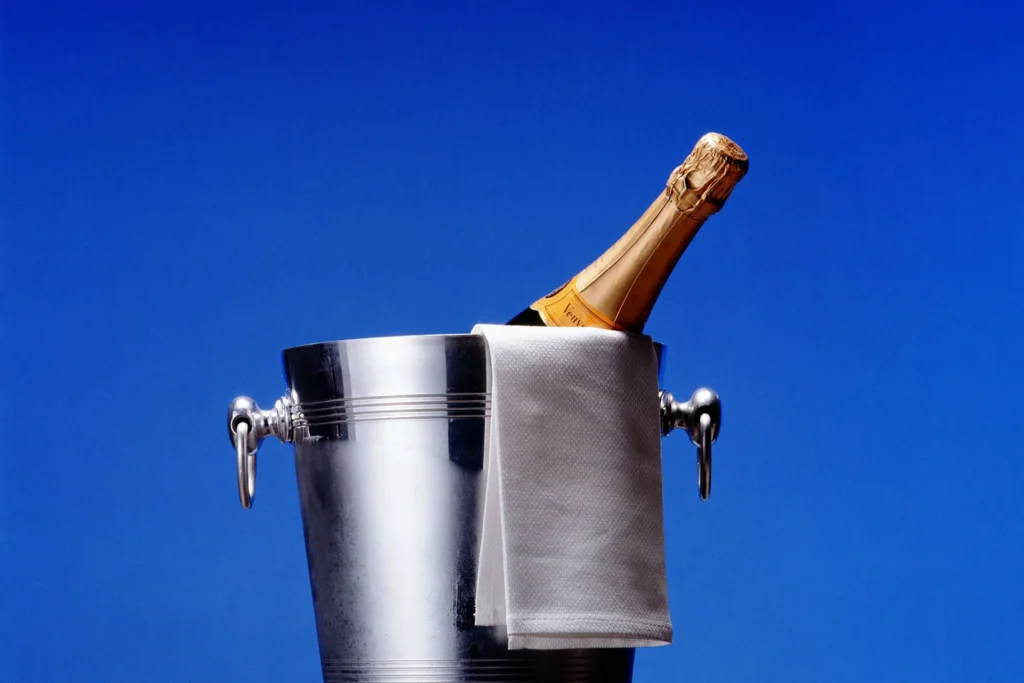
Champagne remains the world’s most famous sparkling wine.

Produced exclusively in the Champagne region of France, it occupies a unique cultural and economic position.

Geographic Identity

Under international law, only sparkling wine produced within the Champagne appellation using approved methods may legally use the name “Champagne.”

This protected identity contributes enormously to prestige.

Champagne’s cool climate and chalky soils produce grapes with naturally high acidity, ideal for sparkling wine production.

The region’s terroir strongly shapes flavor profile and aging potential.

Traditional Method Production

Champagne uses the traditional method (méthode traditionnelle).

This process involves:

  1. First fermentation
  2. Blending
  3. Bottling with yeast and sugar
  4. Secondary fermentation inside bottle
  5. Lees aging
  6. Riddling
  7. Disgorgement
  8. Dosage

Because secondary fermentation occurs inside the bottle, Champagne develops fine, persistent bubbles and complex textures.

Lees aging creates aromas such as:

  • Brioche
  • Toast
  • Almond
  • Hazelnut
  • Pastry

These savory characteristics distinguish Champagne from simpler sparkling wines.

Grapes

Champagne primarily uses:

  • Chardonnay
  • Pinot Noir
  • Pinot Meunier

Each grape contributes different structural qualities.

Prestige and Luxury

Champagne became associated with royalty, aristocracy, and luxury over centuries.

Prestige cuvées such as:

  • Dom Pérignon
  • Cristal
  • Krug
  • Salon

reinforced this image globally.

Today, Champagne symbolizes celebration and sophistication more strongly than any other sparkling wine.


Prosecco: Freshness, Accessibility, and Modern Lifestyle

If Champagne represents old-world luxury, Prosecco represents modern sociability.

Produced primarily in northeastern Italy, Prosecco became one of the fastest-growing wine categories globally.

The Glera Grape

Prosecco is produced mainly from the Glera grape.

Glera tends to create wines emphasizing:

  • Pear
  • Apple
  • Peach
  • Floral aromas
  • Freshness

Compared with Champagne, Prosecco generally prioritizes fruit expression over yeast complexity.

Tank Method Production

Most Prosecco uses the Charmat or tank method.

Instead of secondary fermentation occurring in individual bottles, it occurs inside large pressurized tanks.

This method offers several advantages:

  • Lower production costs
  • Faster production
  • Fresh fruit preservation
  • Consistency

However, tank-method wines usually possess less yeast complexity and aging depth compared with traditional-method wines.

Softer Style

Prosecco often tastes softer and fruitier than Champagne.

Acidity is generally lower.

Bubbles may feel broader and creamier rather than sharply precise.

This approachable style contributed significantly to Prosecco’s popularity.

Lifestyle Branding

Prosecco marketing emphasizes:

  • Relaxed enjoyment
  • Aperitivo culture
  • Casual luxury
  • Social drinking
  • Modern lifestyle

Unlike Champagne’s formality, Prosecco often feels youthful and accessible.

Consumers increasingly drink Prosecco during ordinary occasions rather than major ceremonies alone.


Cava: Spain’s Traditional-Method Sparkling Wine

Cava occupies a unique position in the sparkling wine world.

Produced mainly in Catalonia, Spain, Cava uses the same traditional method as Champagne.

Yet historically, it sold at much lower prices.

Historical Origins

Cava emerged during the nineteenth century when Spanish producers adopted Champagne-style winemaking techniques.

The region around Sant Sadurní d’Anoia became the center of production.

Traditional Method

Like Champagne, Cava undergoes secondary fermentation inside the bottle.

This process creates:

  • Fine bubbles
  • Lees complexity
  • Greater aging potential

Compared with Prosecco, Cava often displays more savory and structured characteristics.

Indigenous Grapes

Traditional Cava grapes include:

  • Macabeo
  • Xarel·lo
  • Parellada

These varieties create distinctive Mediterranean profiles.

Some modern producers also use Chardonnay and Pinot Noir.

Identity Challenges

Cava historically struggled with image problems.

Many consumers viewed it as inexpensive Champagne alternative rather than distinctive category.

However, quality-focused producers increasingly emphasize terroir and craftsmanship.

Premium Cava now receives growing international respect.


Flavor Profile Comparisons

One of the easiest ways to understand these wines is through flavor and texture.

Champagne

Typical characteristics:

  • High acidity
  • Fine bubbles
  • Brioche aromas
  • Toasted notes
  • Mineral precision
  • Complex texture

Champagne often feels structured and layered.

Prosecco

Typical characteristics:

  • Pear
  • Peach
  • Apple
  • Floral aromas
  • Soft mousse
  • Fresh simplicity

Prosecco emphasizes immediate drinkability.

Cava

Typical characteristics:

  • Citrus
  • Almond
  • Earthy notes
  • Moderate acidity
  • Savory texture

Cava often balances freshness with subtle yeast complexity.

These stylistic differences reflect production method, grape variety, and climate.

Price and Economics

Economics strongly influence sparkling wine identity.

Champagne

Champagne remains expensive due to:

  • Limited geographic area
  • High land costs
  • Long aging requirements
  • Intensive labor
  • Luxury branding

Prestige cuvées may cost hundreds or thousands of dollars.

Prosecco

Prosecco’s tank method allows efficient large-scale production.

This affordability contributed enormously to global success.

Consumers often perceive Prosecco as everyday luxury.

Cava

Cava traditionally offered excellent value.

Traditional-method production at moderate prices attracted many consumers.

However, premium Cava producers increasingly pursue higher market positioning.


Luxury vs Accessibility

The cultural positioning of these wines differs dramatically.

Champagne: Ceremony and Prestige

Champagne remains associated with:

  • Weddings
  • Luxury events
  • Elite dining
  • Achievement
  • Formal celebration

Opening Champagne often feels ceremonial.

Prosecco: Informal Pleasure

Prosecco emphasizes:

  • Brunch culture
  • Cocktails
  • Casual gatherings
  • Aperitivo
  • Everyday enjoyment

It fits contemporary relaxed social culture.

Cava: Traditional Value

Cava often appeals to consumers seeking craftsmanship without luxury pricing.

Its identity combines authenticity and accessibility.


Sparkling Wine and National Identity

Each sparkling wine reflects aspects of national culture.

France and Champagne

Champagne mirrors French emphasis on:

  • Appellation systems
  • Culinary prestige
  • Luxury craftsmanship
  • Historical tradition

Italy and Prosecco

Prosecco reflects Italian values involving:

  • Sociability
  • Informality
  • Pleasure
  • Everyday beauty

Spain and Cava

Cava reflects Spanish regional complexity, especially Catalan identity and artisanal tradition.

Wine therefore becomes cultural expression.


Food Pairing Differences

All three wines pair successfully with food, though differently.

Champagne Pairings

Excellent with:

  • Oysters
  • Caviar
  • Fine dining cuisine
  • Fried foods
  • Truffle dishes

Champagne’s acidity and complexity support sophisticated pairing.

Prosecco Pairings

Excellent with:

  • Light appetizers
  • Prosciutto
  • Fruit dishes
  • Brunch foods
  • Mild cheeses

Prosecco works best with lighter cuisine.

Cava Pairings

Excellent with:

  • Tapas
  • Seafood
  • Grilled vegetables
  • Paella
  • Jamón

Cava’s savory structure complements Spanish cuisine particularly well.


Sparkling Wine Cocktails

Cocktails also shaped sparkling wine popularity.

Champagne Cocktails

Classic examples include:

  • French 75
  • Champagne Cocktail

These drinks preserve Champagne’s luxury identity.

Prosecco Cocktails

Prosecco dominates modern cocktail culture through drinks such as:

  • Aperol Spritz
  • Bellini
  • Hugo Spritz

These cocktails helped Prosecco become lifestyle phenomenon.

Cava Cocktails

Cava appears less frequently in international cocktail branding, though it functions similarly in many recipes.


Climate Change and the Future

Climate change increasingly affects sparkling wine regions.

Champagne

Warmer temperatures threaten traditional acidity balance.

Prosecco

Extreme weather and rising production pressure create sustainability concerns.

Cava

Spanish heat and drought present serious viticultural challenges.

Producers across all regions increasingly invest in:

  • Sustainable farming
  • Water management
  • Organic viticulture
  • Climate adaptation

Future sparkling wine identity may depend heavily on environmental resilience.


The Rise of New Sparkling Wine Regions

Champagne, Prosecco, and Cava now face competition from emerging regions.

Important producers include:

  • English sparkling wine
  • California sparkling wine
  • Tasmanian sparkling wine
  • Franciacorta
  • South African Cap Classique

Some competitors achieve remarkable quality.

However, Champagne still dominates prestige perception globally.


Consumer Psychology and Sparkling Wine

Sparkling wine consumption is strongly emotional.

Bubbles create sensory excitement.

Consumers associate sparkling wine with:

  • Joy
  • Romance
  • Celebration
  • Luxury
  • Social connection

Each category channels these emotions differently.

Champagne emphasizes aspiration.

Prosecco emphasizes accessibility.

Cava emphasizes authenticity and value.

These emotional identities shape consumer behavior as much as flavor itself.


The Future of Sparkling Wine Culture

Several trends will likely shape the future.

Casualization

Consumers increasingly drink sparkling wine outside formal celebrations.

Premiumization

Even accessible categories increasingly offer luxury tiers.

Sustainability

Environmental responsibility grows increasingly important.

Younger Consumers

Millennials and Gen Z often prefer flexible, approachable wine culture.

Gastronomic Expansion

Sparkling wine pairing culture continues evolving globally.

All three categories will likely continue growing internationally.


Conclusion

Champagne, Prosecco, and Cava represent far more than different sparkling wines.

They reflect distinct philosophies of culture, luxury, craftsmanship, and pleasure.

Champagne symbolizes prestige, patience, and ceremonial elegance.

Prosecco celebrates sociability, freshness, and modern accessibility.

Cava balances traditional craftsmanship with value and regional identity.

Together, these wines demonstrate how deeply beverages can express geography and culture.

Their differences emerge from:

  • Climate
  • Grapes
  • Production methods
  • Economics
  • National identity
  • Consumer psychology

Yet all three share a common emotional power.

Sparkling wine transforms ordinary moments into experiences that feel more vivid and celebratory.

The bubbles themselves create anticipation and energy.

That sensory excitement explains why sparkling wine remains universally beloved.

Whether poured at a royal banquet, casual brunch, beach gathering, or Michelin-starred restaurant, sparkling wine continues symbolizing one of humanity’s most enduring desires:

Tags: champagne
ShareTweetShare

Related Posts

Champagne: The Sparkling Wine That Changed Global Celebration Culture
Champagne

Women Who Changed Champagne: Widow Clicquot, Female Leadership, and the Hidden History of Sparkling Wine

May 24, 2026
Champagne: The Sparkling Wine That Changed Global Celebration Culture
Champagne

Champagne and Gastronomy: Why Sparkling Wine Became One of the World’s Greatest Food Companions

May 24, 2026
Champagne: The Sparkling Wine That Changed Global Celebration Culture
Champagne

The Art of Luxury Champagne: Prestige, Fashion, and the Global Symbol of Elegance

May 24, 2026
Champagne: The Sparkling Wine That Changed Global Celebration Culture
Champagne

Champagne: The Sparkling Wine That Changed Global Celebration Culture

May 24, 2026
The History of Champagne — From Accidental Sparkle to Global Luxury
Champagne

The Future of Champagne — Climate Change, Innovation, and Industry Evolution

April 25, 2026
The History of Champagne — From Accidental Sparkle to Global Luxury
Champagne

The Culture of Champagne — Luxury, Celebration, and Global Influence

April 25, 2026
Leave Comment
  • Trending
  • Comments
  • Latest
Role of Terroir in Champagne Production

Role of Terroir in Champagne Production

January 19, 2026
Champagne Can Be Aged in Wood?

Champagne Can Be Aged in Wood?

January 18, 2026
Is Organic Wine Healthier Than Conventional Wine?

Is Organic Wine Healthier Than Conventional Wine?

January 20, 2026
Why Do Some Champagnes Use a High Proportion of Pinot Meunier?

Why Do Some Champagnes Use a High Proportion of Pinot Meunier?

January 20, 2026
The Timeless Elegance of Wine: A Journey Through History and Culture

The Timeless Elegance of Wine: A Journey Through History and Culture

Why Is Château Lafite Rothschild the Pinnacle of Fine Wine?

Why Is Château Lafite Rothschild the Pinnacle of Fine Wine?

How Did Château Lafite Rothschild Become a Global Icon of Luxury?

How Did Château Lafite Rothschild Become a Global Icon of Luxury?

What Makes Chateau Lafite Rothschild the Pinnacle of Bordeaux Wines?

What Makes Chateau Lafite Rothschild the Pinnacle of Bordeaux Wines?

Champagne: The Sparkling Wine That Changed Global Celebration Culture

Champagne vs Prosecco vs Cava: How the World’s Sparkling Wines Reflect Culture, Geography, and Taste

May 24, 2026
Champagne: The Sparkling Wine That Changed Global Celebration Culture

Women Who Changed Champagne: Widow Clicquot, Female Leadership, and the Hidden History of Sparkling Wine

May 24, 2026
Champagne: The Sparkling Wine That Changed Global Celebration Culture

Champagne and Gastronomy: Why Sparkling Wine Became One of the World’s Greatest Food Companions

May 24, 2026
Champagne: The Sparkling Wine That Changed Global Celebration Culture

The Art of Luxury Champagne: Prestige, Fashion, and the Global Symbol of Elegance

May 24, 2026
SipsavorLife

Welcome to our comprehensive beverage guide, where you can explore the fascinating world of alcoholic drinks. From exquisite wines and rich whiskeys to refreshing beers and sparkling champagnes, we provide insights, tips, and recommendations for enthusiasts and casual drinkers alike. Discover your next favorite libation with us!

© 2025 sipsavorlife.com. contacts:sipsavorlife-35376@gmail.com

No Result
View All Result
  • Home
  • Wine
  • Whiskey
  • Beer
  • Grain Spirits
  • Champagne
  • ALL

© 2025 sipsavorlife.com. contacts:sipsavorlife-35376@gmail.com

Welcome Back!

Login to your account below

Forgotten Password?

Retrieve your password

Please enter your username or email address to reset your password.

Log In