Introduction
Wine is one of the most diverse beverages ever created. Unlike many drinks that follow relatively standardized production methods, wine exists in thousands of styles influenced by grape variety, climate, soil, fermentation techniques, aging practices, and cultural traditions. Two bottles made from the same grape can taste remarkably different depending on where and how they were produced.
This diversity is one of wine’s greatest strengths. Consumers can choose from bold red wines, refreshing whites, elegant sparkling wines, sweet dessert wines, fortified wines, rosés, and countless regional specialties. Each style offers a unique sensory experience and reflects centuries of winemaking history.
Understanding wine styles helps consumers make informed choices, appreciate regional differences, and explore new flavors. Whether someone is a beginner or an experienced enthusiast, familiarity with wine styles provides a foundation for deeper appreciation.
This article offers a comprehensive guide to the world’s major wine styles, exploring their origins, production methods, flavor profiles, and cultural significance.
Understanding Wine Styles
A wine style is defined by a combination of factors including:
- Color
- Sweetness
- Acidity
- Alcohol level
- Body
- Tannin structure
- Aromatic profile
- Production method
Wine styles are not rigid categories but broad families that help describe the characteristics of a wine.
For example:
A Cabernet Sauvignon from California may differ significantly from one produced in Bordeaux, yet both belong to the broader category of red wine.
Wine styles provide a useful framework for understanding these differences.
Red Wine
Red wine is among the most popular and historically significant wine categories.
Its color ranges from light ruby to deep purple and nearly black.
How Red Wine Is Made
Red wine derives its color from grape skins.
During fermentation:
- Juice remains in contact with skins
- Pigments dissolve into the liquid
- Tannins are extracted
This process creates the structure and color associated with red wine.
The duration of skin contact significantly affects the final style.
Characteristics of Red Wine
Common features include:
- Moderate to high tannins
- Medium to full body
- Complex aromas
- Significant aging potential
Typical flavor notes include:
- Cherry
- Blackberry
- Plum
- Spice
- Tobacco
- Chocolate
Cabernet Sauvignon
Often called the king of red grapes, Cabernet Sauvignon is among the world’s most recognized wine varieties.
Characteristics
Typically features:
- High tannins
- Dark fruit flavors
- Excellent aging potential
Common Flavor Notes
- Blackcurrant
- Blackberry
- Cedar
- Tobacco
- Mint
Major production regions include:
- Bordeaux
- Napa Valley
- Chile
- Australia
Merlot
Merlot is known for its accessibility and smooth texture.
Characteristics
Compared with Cabernet Sauvignon, Merlot generally offers:
- Softer tannins
- Rounder mouthfeel
- Earlier drinkability
Flavor Profile
Common notes include:
- Plum
- Black cherry
- Chocolate
- Herbs
Merlot is widely planted throughout the world.
Pinot Noir
Pinot Noir is one of the most challenging grapes to cultivate successfully.
Characteristics
Features include:
- Light color
- Delicate structure
- Complex aromas
Flavor Notes
Typical descriptors include:
- Cherry
- Raspberry
- Mushroom
- Forest floor
Burgundy remains Pinot Noir’s most famous home.
Syrah and Shiraz
Syrah and Shiraz refer to the same grape variety.
Characteristics
These wines often display:
- Full body
- Rich texture
- Dark fruit flavors
Flavor Notes
Common descriptors include:
- Blackberry
- Pepper
- Smoke
- Chocolate
The style varies considerably between France and Australia.
Malbec
Originally from France, Malbec achieved international fame in Argentina.
Characteristics
Features include:
- Deep color
- Moderate tannins
- Rich fruit flavors
Flavor Notes
Typical notes include:
- Plum
- Blackberry
- Violet
- Cocoa
White Wine
White wine represents one of the world’s most diverse wine categories.
Styles range from light and crisp to rich and full-bodied.
How White Wine Is Made
White wine production generally involves:
- Immediate pressing
- Limited skin contact
- Cool fermentation temperatures
These techniques preserve freshness and aromatic purity.
Characteristics of White Wine
Common features include:
- Higher acidity
- Lower tannin levels
- Bright fruit aromas
Flavor profiles vary widely depending on grape variety and winemaking methods.
Chardonnay
Chardonnay is among the most versatile grape varieties in the world.
Characteristics
The style depends heavily on production choices.
Unoaked Chardonnay
Typically displays:
- Citrus
- Green apple
- Mineral notes
Oaked Chardonnay
Often exhibits:
- Vanilla
- Butter
- Toast
- Tropical fruit
Chardonnay is cultivated in nearly every major wine-producing country.
Sauvignon Blanc
Sauvignon Blanc is celebrated for its freshness and aromatic intensity.
Flavor Profile
Common descriptors include:
- Grapefruit
- Lime
- Gooseberry
- Grass
- Herbs
New Zealand Sauvignon Blanc has become particularly influential.
Riesling
Riesling is one of the world’s most aromatic grape varieties.
Characteristics
Features include:
- High acidity
- Excellent aging potential
- Diverse sweetness levels
Flavor Notes
Typical aromas include:
- Apple
- Peach
- Citrus
- Floral notes
Germany remains Riesling’s most iconic region.
Pinot Grigio and Pinot Gris
These wines can vary dramatically depending on production style.
Italian Pinot Grigio
Often offers:
- Light body
- Crisp acidity
- Citrus flavors
French Pinot Gris
Typically displays:
- Richer texture
- Greater complexity
- Riper fruit character
Chenin Blanc
One of the most versatile white grape varieties.
Capable of producing:
- Dry wines
- Sweet wines
- Sparkling wines
Flavor notes often include:
- Apple
- Honey
- Pear
- Flowers
Rosé Wine
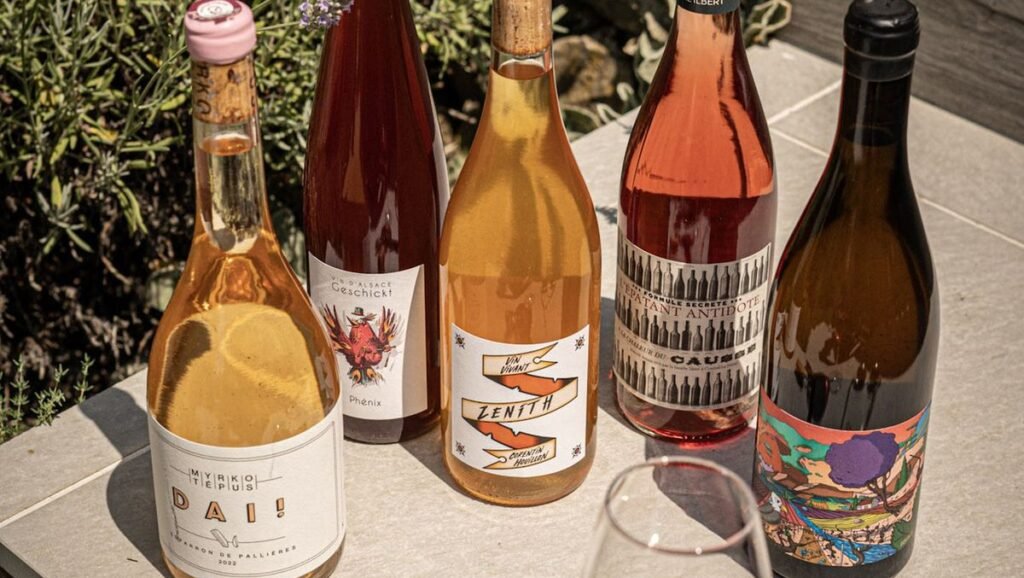
Rosé has experienced remarkable growth in popularity during recent decades.
Its appeal stems from freshness, versatility, and visual attractiveness.
How Rosé Is Made
Rosé receives its color from brief skin contact.
Methods include:
Direct Pressing
Produces pale-colored wines.
Short Maceration
Creates deeper color and flavor.
Blending
Less common but permitted in certain situations.
Characteristics
Rosé wines often feature:
- Bright acidity
- Moderate body
- Refreshing character
Common flavor notes include:
- Strawberry
- Watermelon
- Raspberry
- Citrus
Sparkling Wine
Sparkling wines contain dissolved carbon dioxide, creating bubbles.
These wines are associated with celebration but also possess significant gastronomic versatility.
Champagne
Champagne is the world’s most famous sparkling wine.
It can only be produced in the Champagne region of France.
Production Method
Champagne uses the traditional method:
- Secondary fermentation occurs inside the bottle
- Extended aging develops complexity
Flavor Notes
Common descriptors include:
- Citrus
- Brioche
- Almond
- Apple
Prosecco
Italy’s most popular sparkling wine.
Characteristics
Generally features:
- Fresh fruit flavors
- Lighter body
- Softer bubbles
Flavor Notes
Common aromas include:
- Pear
- Apple
- Peach
Cava
Spain’s leading sparkling wine.
Produced using methods similar to Champagne.
Flavor profile often includes:
- Citrus
- Toast
- Green apple
Dessert Wines
Dessert wines contain significant sweetness.
They are among the most complex and age-worthy wine styles.
Sauternes
Produced in Bordeaux.
Unique Production
Relies on noble rot, a beneficial fungus that concentrates sugars.
Flavor Profile
Includes:
- Honey
- Apricot
- Peach
- Caramel
Tokaji
Hungary’s most famous wine.
Historically regarded as one of Europe’s greatest sweet wines.
Flavor notes include:
- Orange peel
- Honey
- Dried fruit
Ice Wine
Produced from naturally frozen grapes.
The freezing process concentrates:
- Sugar
- Acidity
- Flavor
Canada and Germany are leading producers.
Fortified Wines
Fortified wines contain added grape spirit.
This process increases alcohol content and influences sweetness.
Port
Port originates in Portugal’s Douro Valley.
Characteristics
Generally:
- Sweet
- Rich
- Full-bodied
Flavor Notes
Include:
- Blackberry
- Chocolate
- Fig
- Raisin
Sherry
Produced in Spain.
Styles range from:
- Bone dry
- Medium sweet
- Intensely sweet
Flavor notes may include:
- Almond
- Caramel
- Dried fruit
Madeira
Madeira undergoes unique heating processes.
This creates extraordinary stability and longevity.
Common flavors include:
- Nuts
- Toffee
- Orange peel
Some bottles remain drinkable after many decades.
Orange Wine
Orange wine is one of the fastest-growing specialty categories.
Despite the name, it is not made from oranges.
Production Method
White grapes ferment with prolonged skin contact.
This creates:
- Amber color
- Tannic structure
- Complex aromas
Orange wines often appeal to adventurous consumers.
Natural Wine
Natural wine has become increasingly influential.
Although definitions vary, natural winemaking generally emphasizes:
- Minimal intervention
- Native yeast fermentation
- Limited additives
Supporters value authenticity and expression of terroir.
Organic and Biodynamic Wines
Environmental concerns have increased interest in sustainable production.
Organic Wine
Produced using certified organic vineyard practices.
Restrictions apply to many synthetic chemicals.
Biodynamic Wine
Based on holistic farming principles.
Emphasizes ecological balance and vineyard health.
These categories continue to expand globally.
Understanding Sweetness Levels
Wine sweetness varies dramatically.
Common categories include:
Dry
Very little residual sugar.
Off-Dry
Slight sweetness.
Medium Sweet
Noticeably sweet.
Sweet
Significant sugar content.
Understanding sweetness helps consumers select wines that match their preferences.
Understanding Wine Body
Body refers to a wine’s weight and texture.
Light-Bodied Wines
Examples:
- Pinot Noir
- Pinot Grigio
Medium-Bodied Wines
Examples:
- Merlot
- Sauvignon Blanc
Full-Bodied Wines
Examples:
- Cabernet Sauvignon
- Shiraz
Body significantly influences food pairing and drinking experience.
Food Pairing and Wine Styles
Different wine styles complement different foods.
Red Wines
Pair well with:
- Beef
- Lamb
- Game
White Wines
Complement:
- Seafood
- Poultry
- Salads
Sparkling Wines
Work with a wide range of dishes.
Dessert Wines
Best paired with:
- Pastries
- Fruit desserts
- Blue cheese
Successful pairings enhance both food and wine.
The Evolution of Wine Styles
Consumer preferences continue evolving.
Emerging trends include:
- Lower-alcohol wines
- Sustainable production
- Alternative packaging
- Experimental blends
- Natural wines
Innovation continues expanding the range of available styles.
Conclusion
The world of wine styles is extraordinarily diverse, offering something for virtually every palate and occasion. From powerful red wines and refreshing whites to elegant sparkling wines, sweet dessert wines, and fortified classics, each style reflects a unique combination of grape variety, geography, tradition, and winemaking expertise.
Understanding wine styles helps consumers navigate this diversity and appreciate the craftsmanship behind every bottle. It also reveals the remarkable adaptability of wine as a product that can express countless flavors, textures, and cultural identities.
As the wine industry continues to evolve, new styles and innovations will undoubtedly emerge. Yet the enduring appeal of wine remains rooted in its ability to connect people with history, place, and sensory experience. Every wine style, whether ancient or modern, contributes to the rich and ever-expanding story of the world’s most celebrated fermented beverage.