






















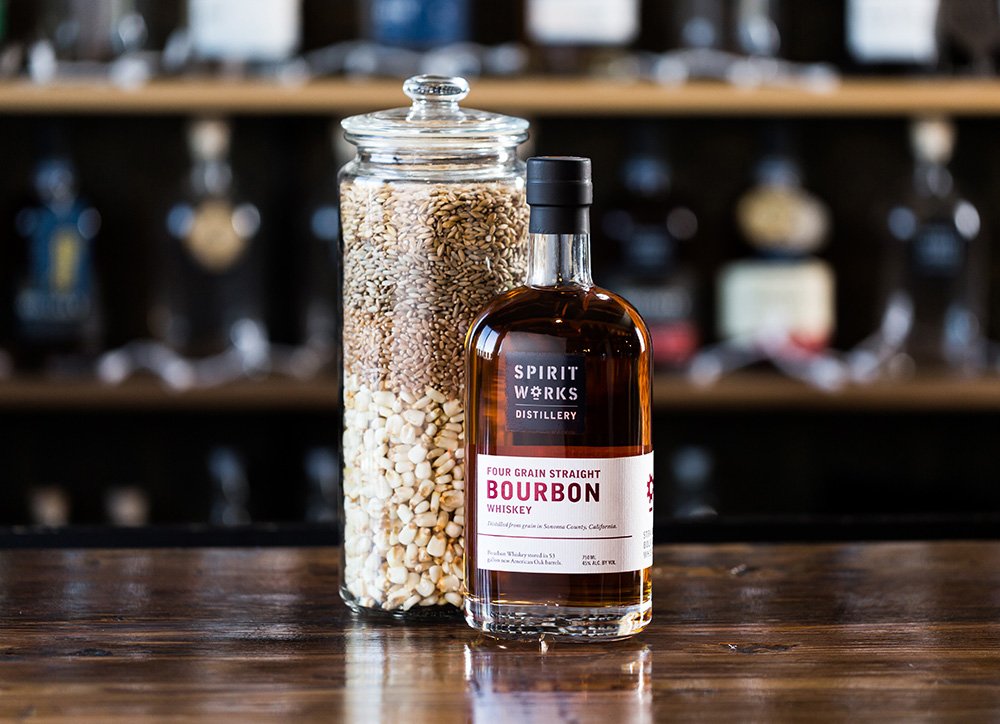
Grain spirits occupy a fascinating position in human history. They are simultaneously agricultural products, scientific achievements, cultural symbols, and global economic commodities. From traditional vodka in Eastern Europe to American bourbon, Japanese whisky, neutral grain alcohol, gin, and countless regional distillates, grain-based spirits have shaped trade, ritual, politics, medicine, and social life for centuries.
Unlike wine, which depends primarily on fruit fermentation, grain spirits require an additional transformative process: distillation. This process fundamentally changed humanity’s relationship with alcohol. Distillation allowed people not only to preserve fermented beverages but also to concentrate flavor, increase alcohol content, and create entirely new categories of drink.
At the center of grain spirit production lies one of civilization’s most important agricultural achievements: grain cultivation itself. Wheat, barley, rye, corn, and rice helped build societies long before they became the foundation of spirits. When humans learned to convert grain starch into fermentable sugar and then refine alcohol through distillation, they unlocked a new dimension of culinary and chemical possibility.
Today grain spirits represent one of the largest segments of the global alcohol industry. They appear in luxury cocktail bars, traditional ceremonies, industrial production facilities, rural distilleries, and high-end collector markets. Yet behind every bottle lies a remarkable intersection of biology, chemistry, engineering, and culture.
This article explores the history, science, production methods, and global significance of grain spirits, tracing how distilled grain alcohol evolved into one of humanity’s most influential beverages.
What Are Grain Spirits?
The term “grain spirits” broadly refers to distilled alcoholic beverages produced primarily from fermented grains.
Common grains used include:
- Barley
- Corn
- Rye
- Wheat
- Rice
- Oats
Unlike fruit-based spirits such as brandy, grain spirits begin with starch rather than sugar. Because yeast cannot directly ferment starch, producers must first convert grain starches into fermentable sugars through enzymatic processes.
This additional step distinguishes grain spirit production from wine fermentation.
Fermentation vs Distillation
To understand grain spirits, it is essential to distinguish between fermentation and distillation.
Fermentation
Fermentation occurs when yeast converts sugar into:
- Alcohol
- Carbon dioxide
- Heat
- Flavor compounds
However, fermentation alone has natural alcohol limits because yeast eventually dies in highly alcoholic environments.
Most fermented beverages reach:
- Beer: 4–10% alcohol
- Wine: 10–15% alcohol
Distillation
Distillation separates alcohol from water and other compounds using heat.
Alcohol evaporates at a lower temperature than water. By heating fermented liquid and capturing vapor, distillers can concentrate alcohol dramatically.
Distillation allows production of spirits ranging from:
- 35%
- 40%
- 50%
- Even over 90% alcohol
This process transformed alcohol from a perishable beverage into a concentrated, transportable, and versatile product.
Ancient Origins of Distillation
The origins of distillation remain partly debated among historians, but early forms appeared thousands of years ago.
Ancient civilizations including:
- Egyptians
- Greeks
- Chinese
- Mesopotamians
developed primitive distillation technologies for perfumes, medicines, and essential oils.
However, alcohol distillation evolved gradually over centuries.
The Influence of the Arab World
Medieval Islamic scholars played a major role in advancing distillation science.
Alchemists refined:
- Condensation systems
- Alembic stills
- Chemical purification methods
Although Islamic law prohibited alcohol consumption, distillation technology spread through scientific scholarship and trade.
European monks and physicians later adapted these methods for medicinal alcohol production.
“Water of Life”
Early distilled spirits were often viewed as medicinal rather than recreational.
Many cultures referred to spirits as “water of life”:
- Aqua vitae in Latin
- Uisce beatha in Gaelic (later evolving into “whiskey”)
- Eau de vie in French
Distilled alcohol was believed to:
- Preserve health
- Treat disease
- Extend life
- Provide warmth
Over time medicinal use evolved into widespread social consumption.
The Agricultural Foundation of Grain Spirits
Grain spirits depend fundamentally on agriculture.
Different grains contribute unique characteristics to spirits:
- Flavor
- Texture
- Sweetness
- Spice
- Mouthfeel
Understanding grains is therefore central to understanding distilled spirits.
Barley
Barley plays a dominant role in whisky production, especially Scotch whisky.
It contributes:
- Nutty character
- Malt richness
- Cereal complexity
Malted barley contains enzymes essential for starch conversion.
Corn
Corn dominates American bourbon production.
It creates:
- Sweetness
- Vanilla notes
- Rich body
Because corn contains high starch levels, it yields efficient alcohol production.
Rye
Rye contributes:
- Spice
- Pepper notes
- Dry texture
- Herbal character
Rye whiskey often displays sharper intensity than bourbon.
Wheat
Wheat produces softer, smoother spirits.
Wheated bourbons are often described as:
- Creamy
- Gentle
- Sweet
- Approachable
Wheat also plays a major role in vodka production.
Rice
Rice-based grain spirits dominate many Asian alcohol traditions.
Examples include:
- Japanese shochu
- Korean soju
- Chinese baijiu (certain styles)
Rice often produces lighter and cleaner flavor profiles.
Malting: Unlocking Sugar
Most grains contain starch rather than fermentable sugar.
To enable fermentation, starch must first become sugar.
The Malting Process
Malting involves:
- Soaking grain
- Allowing germination
- Drying the grain
During germination, enzymes develop that convert starch into sugar.
This process is especially important for barley-based spirits.
Mashing
After malting, grains are ground and mixed with hot water during mashing.
This stage activates enzymes that break starch into fermentable sugars.
The resulting sugary liquid is called wort or mash depending on production style.
Temperature control during mashing strongly influences:
- Sugar extraction
- Flavor development
- Fermentation efficiency
Fermentation Science
Yeast plays a critical role in grain spirit production.
During fermentation, yeast consumes sugars and produces:
- Alcohol
- Esters
- Acids
- Aromatic compounds
Different yeast strains significantly influence spirit flavor.
Fermentation duration also affects character:
- Short fermentations emphasize efficiency
- Long fermentations often increase complexity
Distillers carefully manage:
- Temperature
- Oxygen
- Nutrient levels
- Sanitation
to control flavor development.
Distillation Methods
Distillation defines grain spirits more than any other stage.
Two major distillation systems dominate modern production.
Pot Stills
Pot stills are traditional batch distillation systems.
Characteristics:
- Slower production
- Greater flavor retention
- Richer spirit character
Pot still distillation is common in:
- Single malt Scotch
- Cognac
- Craft distilling
The shape and size of pot stills influence:
- Reflux
- Purity
- Texture
Column Stills
Column stills allow continuous distillation.
Advantages:
- High efficiency
- Large-scale production
- Greater alcohol purity
Column stills are widely used for:
- Vodka
- Grain neutral spirits
- Industrial alcohol
Highly purified spirit often displays minimal flavor.
Cuts: Heads, Hearts, and Tails
Distillation separates compounds into fractions called cuts.
Heads
Contain volatile compounds such as methanol and acetone.
Often discarded due to harshness.
Hearts
The desirable middle portion containing balanced alcohol and flavor.
This becomes the final spirit.

Tails
Contain heavier compounds and oils.
Some may be recycled into future distillations.
Making precise cuts is one of the distiller’s most important skills.
Aging and Maturation
Not all grain spirits are aged.
Vodka is usually bottled unaged, while whiskey often matures for years or decades.
Barrel Aging
Wood profoundly transforms spirits through:
- Oxidation
- Extraction
- Evaporation
Barrels contribute flavors such as:
- Vanilla
- Caramel
- Spice
- Toast
- Smoke
The interaction between spirit and wood creates enormous complexity.
The Role of Oak
Oak dominates spirit aging because:
- It is durable
- It contains desirable flavor compounds
- It allows controlled oxygen exposure
Different oak types create different flavors:
- American oak emphasizes vanilla and sweetness
- European oak often adds spice and tannin
The Angel’s Share
During aging, some spirit evaporates through barrel wood.
This loss is called:
“The angel’s share.”
Climate strongly influences evaporation rates and maturation speed.
Vodka: The Neutral Grain Spirit
Vodka represents one of the world’s most consumed grain spirits.
Traditionally associated with:
- Russia
- Poland
- Eastern Europe
Vodka emphasizes purity and smoothness.
Production Philosophy
Most vodka is distilled to very high proof and filtered extensively to remove impurities.
This creates:
- Clean texture
- Minimal aroma
- Neutral flavor profile
Modern vodka may be produced from:
- Wheat
- Rye
- Corn
- Potatoes
- Grapes
Despite neutrality, subtle differences in texture and mouthfeel remain important.
Whiskey: The Complex Grain Spirit
Whiskey represents perhaps the most celebrated grain spirit category globally.
Major styles include:
- Scotch whisky
- Bourbon
- Rye whiskey
- Irish whiskey
- Japanese whisky
Whiskey emphasizes:
- Grain character
- Barrel influence
- Aging complexity
Bourbon
Bourbon must legally contain at least 51% corn.
It is heavily associated with American identity and culture.
Typical flavors:
- Vanilla
- Caramel
- Oak
- Sweet spice
New charred oak barrels strongly shape bourbon flavor.
Scotch Whisky
Scotch often emphasizes:
- Malt complexity
- Smoke
- Maritime influence
- Regional identity
Peated Scotch uses smoke from burning peat during barley drying.
This creates distinctive smoky aromas.
Japanese Whisky
Japanese whisky evolved from Scotch influence but developed remarkable precision and elegance.
Japanese producers emphasize:
- Balance
- Detail
- Harmony
- Refinement
The category gained enormous international prestige in recent decades.
Gin: Botanical Grain Spirit
Gin begins as neutral grain spirit flavored primarily with juniper.
Botanical ingredients may include:
- Citrus peel
- Coriander
- Angelica root
- Herbs
- Flowers
Modern gin production has become highly creative, producing enormous stylistic diversity.
Industrial Grain Spirits
Not all grain spirits are luxury beverages.
Grain neutral alcohol also supports:
- Pharmaceuticals
- Perfumes
- Sanitizers
- Industrial solvents
- Food production
Large-scale industrial distillation represents a major global industry.
Grain Spirits and Colonial Trade
Spirits played major roles in:
- Colonial economies
- Maritime trade
- Taxation systems
- Political conflict
Alcohol taxes often funded governments.
The Whiskey Rebellion in early American history demonstrated how politically significant grain spirits became.
The Rise of Cocktail Culture
Cocktails transformed grain spirits into creative culinary products.
Classic cocktails include:
- Martini
- Manhattan
- Old Fashioned
- Negroni
- Whiskey Sour
Mixology elevated spirits beyond simple consumption into artistic expression.
Craft Distilling Revolution
Recent decades saw explosive growth in craft distilling.
Consumers increasingly value:
- Small-batch production
- Local ingredients
- Experimental aging
- Transparency
Craft distillers often emphasize authenticity and regional identity.
Sustainability in Grain Spirits
Environmental concerns increasingly shape spirit production.
Distilleries now focus on:
- Water efficiency
- Renewable energy
- Sustainable grain sourcing
- Waste reduction
Spent grain is often recycled as animal feed.
The Luxury Market
Rare grain spirits increasingly function as luxury collectibles.
Limited whiskey releases can sell for:
- Thousands
- Tens of thousands
- Even millions of dollars
Collectors value:
- Age
- Rarity
- Distillery history
- Packaging
- Provenance
Globalization of Grain Spirits
Today grain spirits are consumed worldwide.
Different cultures adapt spirits into local traditions and cocktail styles.
Globalization accelerated:
- Cross-cultural experimentation
- New production methods
- International competition
The industry continues evolving rapidly.
Conclusion
Grain spirits represent one of humanity’s most remarkable culinary and scientific achievements. From ancient medicinal distillates to modern luxury whiskies and global vodka brands, distilled grain alcohol has shaped economies, cultures, rituals, and social life for centuries.
Their production combines agriculture, microbiology, chemistry, engineering, and artistry. Every bottle reflects countless decisions involving grain selection, fermentation, distillation, aging, and blending. Whether neutral and clean or rich and intensely flavorful, grain spirits demonstrate extraordinary diversity rooted in a common foundation: the transformation of grain into concentrated alcohol through human ingenuity.
Beyond flavor and intoxication, grain spirits carry deep symbolic meaning. They appear in ceremonies, celebrations, diplomacy, nightlife, and cultural identity across the world. Some represent national pride, while others embody luxury, craftsmanship, or innovation.
As the industry faces modern challenges — sustainability, climate change, evolving consumer preferences, and technological disruption — grain spirits continue adapting while preserving traditions that stretch back centuries.
Ultimately, the enduring appeal of grain spirits lies in their unique ability to combine science and emotion, precision and creativity, heritage and innovation. They remain not only beverages, but also reflections of human culture itself.