









SipsavorLife
  • Home
  • Wine
    Red Wine — The Liquid Expression of Land, Time, and Human Intention

    The Future of Red Wine — Climate Change, Technology, and the Evolution of Taste

    Red Wine — The Liquid Expression of Land, Time, and Human Intention

    Red Wine and Human Culture — Rituals, Status, and the Psychology of Drinking

    Red Wine — The Liquid Expression of Land, Time, and Human Intention

    A Journey Through the World of Red Wine — Bordeaux, Tuscany, Napa, and Beyond

    Red Wine — The Liquid Expression of Land, Time, and Human Intention

    The Chemistry of Red Wine — Tannins, Acids, Phenolics, and Molecular Evolution

    Red Wine — The Liquid Expression of Land, Time, and Human Intention

    Red Wine — The Liquid Expression of Land, Time, and Human Intention

    Wine as Culture, Craft, and Time — Understanding the Soul of the World’s Most Enduring Drink

    The Changing Map of Wine — Global Industry, Emerging Regions, and the Future of a Timeless Craft

  • Whiskey
    Can Beer Be an Effective Ingredient in Culinary Cooking?

    Can Beer Be an Effective Ingredient in Culinary Cooking?

    Second Fermentation in Champagne: Is It Really That Crucial?

    Second Fermentation in Champagne: Is It Really That Crucial?

    How Do Different Grains Impact the Flavor Profile of Distilled Spirits?

    How Do Different Grains Impact the Flavor Profile of Distilled Spirits?

    How Do Whiskey Master Blenders Create Perfection?

    How Do Whiskey Master Blenders Create Perfection?

    Wine Pairings: Can They Change the Flavor Profile of a Dish?

    Wine Pairings: Can They Change the Flavor Profile of a Dish?

    Beer the Ultimate Beverage for Pairing with Spicy Food?

    Beer the Ultimate Beverage for Pairing with Spicy Food?

  • Beer
    The Evolution of Beer — From Ancient Brews to the Craft Revolution

    The Future of Beer — Innovation, Sustainability, and Emerging Trends

    The Evolution of Beer — From Ancient Brews to the Craft Revolution

    Global Beer Styles — A Journey Across Continents

    The Evolution of Beer — From Ancient Brews to the Craft Revolution

    The Science of Brewing — Ingredients, Fermentation, and Flavor

    The Evolution of Beer — From Ancient Brews to the Craft Revolution

    Inside the Craft Beer Movement — Culture, Creativity, and Community

    The Evolution of Beer — From Ancient Brews to the Craft Revolution

    The Evolution of Beer — From Ancient Brews to the Craft Revolution

    Beer and the Human Story — A Journey Through Time, Taste, and Civilization

    Inside the Modern Beer Industry — Craft, Corporations, and the Battle for the Future

  • Grain Spirits
    Grain Spirits Explained — The Foundation of Global Distillation

    The Future of Grain Spirits — Technology, Sustainability, and the Next Era of Distillation

    Grain Spirits Explained — The Foundation of Global Distillation

    Grain Spirits Around the World — Vodka, Whisky Bases, and Industrial Applications

    Grain Spirits Explained — The Foundation of Global Distillation

    Distillation Systems — Pot Still vs Column Still, and the Balance Between Efficiency and Flavor

    Grain Spirits Explained — The Foundation of Global Distillation

    Grain Selection and Fermentation Science — How Raw Ingredients Shape Grain Spirits

    Grain Spirits Explained — The Foundation of Global Distillation

    Grain Spirits Explained — The Foundation of Global Distillation

    Grain Spirits and the Industrial Birth of Neutral Alcohol

    The Future of Grain Spirits — AI Distillation, Sustainability, and the Post-Flavor Alcohol Industry

  • Champagne
    The History of Champagne — From Accidental Sparkle to Global Luxury

    The Future of Champagne — Climate Change, Innovation, and Industry Evolution

    The History of Champagne — From Accidental Sparkle to Global Luxury

    The Culture of Champagne — Luxury, Celebration, and Global Influence

    The History of Champagne — From Accidental Sparkle to Global Luxury

    Champagne Styles Explained — Brut, Rosé, Vintage, and Beyond

    The History of Champagne — From Accidental Sparkle to Global Luxury

    The Craft of Champagne — Terroir, Grapes, and the Méthode Traditionnelle

    The History of Champagne — From Accidental Sparkle to Global Luxury

    The History of Champagne — From Accidental Sparkle to Global Luxury

    The Future of Champagne — Climate Change, Innovation, and the Evolution of Sparkling Wine

    The Future of Champagne — Climate Change, Innovation, and the Evolution of Sparkling Wine

  • ALL
    Can Beer Be an Effective Ingredient in Culinary Cooking?

    Can Beer Be an Effective Ingredient in Culinary Cooking?

    Second Fermentation in Champagne: Is It Really That Crucial?

    Second Fermentation in Champagne: Is It Really That Crucial?

    How Do Different Grains Impact the Flavor Profile of Distilled Spirits?

    How Do Different Grains Impact the Flavor Profile of Distilled Spirits?

    How Do Whiskey Master Blenders Create Perfection?

    How Do Whiskey Master Blenders Create Perfection?

    Wine Pairings: Can They Change the Flavor Profile of a Dish?

    Wine Pairings: Can They Change the Flavor Profile of a Dish?

    Beer the Ultimate Beverage for Pairing with Spicy Food?

    Beer the Ultimate Beverage for Pairing with Spicy Food?

SipsavorLife
  • Home
  • Wine
    Red Wine — The Liquid Expression of Land, Time, and Human Intention

    The Future of Red Wine — Climate Change, Technology, and the Evolution of Taste

    Red Wine — The Liquid Expression of Land, Time, and Human Intention

    Red Wine and Human Culture — Rituals, Status, and the Psychology of Drinking

    Red Wine — The Liquid Expression of Land, Time, and Human Intention

    A Journey Through the World of Red Wine — Bordeaux, Tuscany, Napa, and Beyond

    Red Wine — The Liquid Expression of Land, Time, and Human Intention

    The Chemistry of Red Wine — Tannins, Acids, Phenolics, and Molecular Evolution

    Red Wine — The Liquid Expression of Land, Time, and Human Intention

    Red Wine — The Liquid Expression of Land, Time, and Human Intention

    Wine as Culture, Craft, and Time — Understanding the Soul of the World’s Most Enduring Drink

    The Changing Map of Wine — Global Industry, Emerging Regions, and the Future of a Timeless Craft

  • Whiskey
    Can Beer Be an Effective Ingredient in Culinary Cooking?

    Can Beer Be an Effective Ingredient in Culinary Cooking?

    Second Fermentation in Champagne: Is It Really That Crucial?

    Second Fermentation in Champagne: Is It Really That Crucial?

    How Do Different Grains Impact the Flavor Profile of Distilled Spirits?

    How Do Different Grains Impact the Flavor Profile of Distilled Spirits?

    How Do Whiskey Master Blenders Create Perfection?

    How Do Whiskey Master Blenders Create Perfection?

    Wine Pairings: Can They Change the Flavor Profile of a Dish?

    Wine Pairings: Can They Change the Flavor Profile of a Dish?

    Beer the Ultimate Beverage for Pairing with Spicy Food?

    Beer the Ultimate Beverage for Pairing with Spicy Food?

  • Beer
    The Evolution of Beer — From Ancient Brews to the Craft Revolution

    The Future of Beer — Innovation, Sustainability, and Emerging Trends

    The Evolution of Beer — From Ancient Brews to the Craft Revolution

    Global Beer Styles — A Journey Across Continents

    The Evolution of Beer — From Ancient Brews to the Craft Revolution

    The Science of Brewing — Ingredients, Fermentation, and Flavor

    The Evolution of Beer — From Ancient Brews to the Craft Revolution

    Inside the Craft Beer Movement — Culture, Creativity, and Community

    The Evolution of Beer — From Ancient Brews to the Craft Revolution

    The Evolution of Beer — From Ancient Brews to the Craft Revolution

    Beer and the Human Story — A Journey Through Time, Taste, and Civilization

    Inside the Modern Beer Industry — Craft, Corporations, and the Battle for the Future

  • Grain Spirits
    Grain Spirits Explained — The Foundation of Global Distillation

    The Future of Grain Spirits — Technology, Sustainability, and the Next Era of Distillation

    Grain Spirits Explained — The Foundation of Global Distillation

    Grain Spirits Around the World — Vodka, Whisky Bases, and Industrial Applications

    Grain Spirits Explained — The Foundation of Global Distillation

    Distillation Systems — Pot Still vs Column Still, and the Balance Between Efficiency and Flavor

    Grain Spirits Explained — The Foundation of Global Distillation

    Grain Selection and Fermentation Science — How Raw Ingredients Shape Grain Spirits

    Grain Spirits Explained — The Foundation of Global Distillation

    Grain Spirits Explained — The Foundation of Global Distillation

    Grain Spirits and the Industrial Birth of Neutral Alcohol

    The Future of Grain Spirits — AI Distillation, Sustainability, and the Post-Flavor Alcohol Industry

  • Champagne
    The History of Champagne — From Accidental Sparkle to Global Luxury

    The Future of Champagne — Climate Change, Innovation, and Industry Evolution

    The History of Champagne — From Accidental Sparkle to Global Luxury

    The Culture of Champagne — Luxury, Celebration, and Global Influence

    The History of Champagne — From Accidental Sparkle to Global Luxury

    Champagne Styles Explained — Brut, Rosé, Vintage, and Beyond

    The History of Champagne — From Accidental Sparkle to Global Luxury

    The Craft of Champagne — Terroir, Grapes, and the Méthode Traditionnelle

    The History of Champagne — From Accidental Sparkle to Global Luxury

    The History of Champagne — From Accidental Sparkle to Global Luxury

    The Future of Champagne — Climate Change, Innovation, and the Evolution of Sparkling Wine

    The Future of Champagne — Climate Change, Innovation, and the Evolution of Sparkling Wine

  • ALL
    Can Beer Be an Effective Ingredient in Culinary Cooking?

    Can Beer Be an Effective Ingredient in Culinary Cooking?

    Second Fermentation in Champagne: Is It Really That Crucial?

    Second Fermentation in Champagne: Is It Really That Crucial?

    How Do Different Grains Impact the Flavor Profile of Distilled Spirits?

    How Do Different Grains Impact the Flavor Profile of Distilled Spirits?

    How Do Whiskey Master Blenders Create Perfection?

    How Do Whiskey Master Blenders Create Perfection?

    Wine Pairings: Can They Change the Flavor Profile of a Dish?

    Wine Pairings: Can They Change the Flavor Profile of a Dish?

    Beer the Ultimate Beverage for Pairing with Spicy Food?

    Beer the Ultimate Beverage for Pairing with Spicy Food?

SipsavorLife
No Result
View All Result
Home Grain Spirits

Grain Spirits Around the World — Vodka, Whisky Bases, and Industrial Applications

April 25, 2026
in Grain Spirits
Grain Spirits Explained — The Foundation of Global Distillation

Grain spirits are not a single product—they are an entire global system. From crystal-clear vodka to richly structured whisky bases, from industrial neutral alcohol to experimental craft spirits, grain-derived alcohol sits at the center of the modern spirits industry.

What makes grain spirits fascinating is not just how they are made, but how differently they are used across cultures and categories. The same raw material—grain—can become something almost flavorless or deeply expressive depending on intention, regulation, and tradition.

This article explores how grain spirits are expressed across the world and why they are essential to both industrial production and premium craft distillation.


1. The Global Role of Grain Spirits

Grain spirits function as:

  • A base material
  • A finished product
  • A blending component
  • An industrial solvent (in non-beverage sectors)

This versatility makes them one of the most widely used alcohol categories in the world.

Unlike fruit or sugar-based spirits, grain spirits are structurally adaptable, capable of becoming almost anything.


2. Vodka: The Pursuit of Neutrality

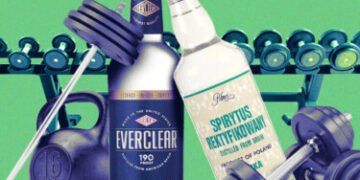
Vodka is perhaps the purest expression of grain spirit philosophy.

In regions like Russia and Poland, vodka has long been associated with grain-based distillation traditions.


Core Concept

Vodka is defined not by flavor, but by:

  • Purity
  • Smoothness
  • Neutrality

The goal is to remove nearly all sensory markers of origin.


Production Approach

Vodka production typically involves:

  • Highly refined column distillation
  • Extensive filtration (charcoal, quartz, etc.)
  • High alcohol concentration before dilution

The result is a spirit that is intentionally minimal in character.


Grain Influence (Even When Hidden)

Even though vodka is neutral, grain still matters:

  • Corn → slightly soft sweetness
  • Wheat → smooth texture
  • Rye → subtle spice
  • Barley → faint depth

These differences are subtle but still detectable in premium vodkas.


3. Whisky Base Spirits: The Opposite Philosophy

While vodka aims for neutrality, whisky aims for expression.

In whisky production, grain spirits are:

  • Less heavily distilled
  • More flavor-retentive
  • Aged in wood

This creates a completely different philosophy of grain utilization.


Whisky Base Characteristics

A whisky base spirit typically retains:

  • Grain-derived aromatics
  • Fermentation byproducts
  • Structural oils

These elements are essential for aging development.


Regional Identity Example

In Scotland, grain spirits form the backbone of both:

  • Single malt whisky (barley-based)
  • Blended whisky (grain + malt combination)

Here, grain spirit is not neutral—it is foundational.


4. Blended Whisky: The Power of Grain Spirits

Blended whisky relies heavily on grain spirits to:

  • Smooth harsher malt whiskies
  • Increase volume consistency
  • Balance flavor profiles

Grain whisky in blends is often column-distilled, making it lighter and more neutral than malt whisky.

This contrast is essential:

  • Malt = complexity
  • Grain = structure and volume

Together, they create balance.


5. Neutral Grain Spirits (NGS): The Industrial Backbone

Neutral grain spirit is one of the most important industrial alcohols globally.

It is:

  • Extremely high purity
  • Nearly flavorless
  • Highly efficient to produce

Primary Uses

NGS is used in:

  • Vodka production
  • Gin bases
  • Liqueurs
  • Flavored alcoholic beverages

It acts as a blank canvas for flavor design.
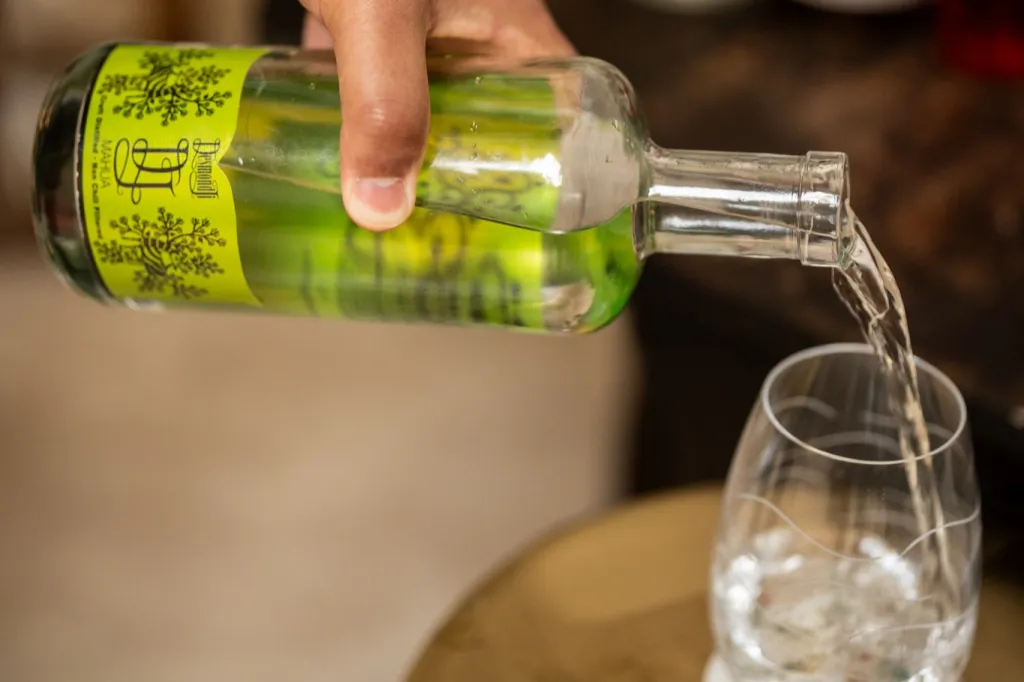

6. Gin: Flavor Built on Neutral Grain

Gin is a perfect example of grain spirit transformation.

Production steps:

  1. Create neutral grain spirit
  2. Redistill with botanicals
  3. Infuse flavor compounds

Key botanicals include:

  • Juniper
  • Citrus peel
  • Coriander

Without grain spirit, gin cannot exist in its modern form.


7. Liqueurs and Flavored Spirits

Many flavored spirits rely on grain alcohol as a base.

Examples include:

  • Herbal liqueurs
  • Fruit-flavored spirits
  • Cream-based alcohols

Grain spirit provides:

  • Stability
  • Neutrality
  • Alcohol strength

This allows flavoring agents to dominate the profile.


8. Industrial and Non-Beverage Uses

Beyond beverages, grain spirits are widely used in industry.

Applications include:

  • Pharmaceuticals
  • Cosmetics
  • Sanitizers
  • Chemical solvents

In these contexts, purity and consistency matter more than flavor.


9. Regional Production Differences

Different countries emphasize different uses:

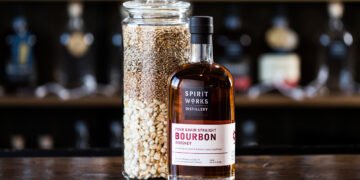
  • United States → bourbon + industrial ethanol production
  • France → neutral alcohol for brandy and liqueurs
  • Eastern Europe → vodka-focused grain spirits

Each region reflects economic and cultural priorities.


10. Grain Spirit Purity Levels

Grain spirits exist on a spectrum of refinement:

  • Low distillation → flavorful base spirits
  • Medium distillation → whisky bases
  • High distillation → neutral grain spirits

The more refined the spirit, the less grain character remains.


11. The Economics of Grain Spirits

Grain spirits are extremely important economically because they:

  • Are cheap to produce at scale
  • Allow mass-market beverage production
  • Enable product diversification

They form the hidden infrastructure of the global alcohol market.


12. Flavor Retention vs Removal

The core technical decision in grain spirit production is:

  • Preserve grain character
  • Or remove it completely

This determines whether the spirit becomes:

  • A whisky base
  • Or a neutral industrial alcohol

13. Blending Economy: Efficiency Through Grain Spirits

Large spirits companies rely on grain spirits for efficiency:

  • Lower production cost
  • Consistent supply
  • Flexible blending options

This supports global brands and large-scale distribution.


14. The Invisible Ingredient in Modern Drinking Culture

Most consumers interact with grain spirits without realizing it.

They are present in:

  • Cocktails
  • Ready-to-drink beverages
  • Liqueurs
  • Even premium spirits (as blending components)

Grain spirits are everywhere, even when unseen.


15. A Universal Alcohol Language

Grain spirits act as a universal base language in distillation.

They allow:

  • Standardization
  • Innovation
  • Global scalability

Without grain spirits, modern alcohol diversity would not exist.


Conclusion: The Hidden Engine of the Spirits World

Grain spirits are not defined by taste or prestige—they are defined by function and adaptability.

They can disappear into neutrality or evolve into complex whisky bases. They can support global industrial systems or serve as the foundation of artisanal craft spirits.

In every bottle of vodka, whisky blend, gin, or liqueur, there is a grain spirit at the core—often invisible, but always essential.

It is the quiet infrastructure of global drinking culture, shaping everything while remaining almost unseen.

Tags: grain spirits
ShareTweetShare

Related Posts

Grain Spirits Explained — The Foundation of Global Distillation
Grain Spirits

The Future of Grain Spirits — Technology, Sustainability, and the Next Era of Distillation

April 25, 2026
Grain Spirits Explained — The Foundation of Global Distillation
Grain Spirits

Distillation Systems — Pot Still vs Column Still, and the Balance Between Efficiency and Flavor

April 25, 2026
Grain Spirits Explained — The Foundation of Global Distillation
Grain Spirits

Grain Selection and Fermentation Science — How Raw Ingredients Shape Grain Spirits

April 25, 2026
Grain Spirits Explained — The Foundation of Global Distillation
Grain Spirits

Grain Spirits Explained — The Foundation of Global Distillation

April 25, 2026
Grain Spirits and the Industrial Birth of Neutral Alcohol
Grain Spirits

The Future of Grain Spirits — AI Distillation, Sustainability, and the Post-Flavor Alcohol Industry

April 21, 2026
Grain Spirits and the Industrial Birth of Neutral Alcohol
Grain Spirits

Grain Spirits and Vodka Culture — Purity, Ritual, and the Social Psychology of Neutral Alcohol

April 21, 2026
Leave Comment
  • Trending
  • Comments
  • Latest
Role of Terroir in Champagne Production

Role of Terroir in Champagne Production

January 19, 2026
Champagne Can Be Aged in Wood?

Champagne Can Be Aged in Wood?

January 18, 2026
Is Organic Wine Healthier Than Conventional Wine?

Is Organic Wine Healthier Than Conventional Wine?

January 20, 2026
Why Do Some Champagnes Use a High Proportion of Pinot Meunier?

Why Do Some Champagnes Use a High Proportion of Pinot Meunier?

January 20, 2026
The Timeless Elegance of Wine: A Journey Through History and Culture

The Timeless Elegance of Wine: A Journey Through History and Culture

Why Is Château Lafite Rothschild the Pinnacle of Fine Wine?

Why Is Château Lafite Rothschild the Pinnacle of Fine Wine?

How Did Château Lafite Rothschild Become a Global Icon of Luxury?

How Did Château Lafite Rothschild Become a Global Icon of Luxury?

What Makes Chateau Lafite Rothschild the Pinnacle of Bordeaux Wines?

What Makes Chateau Lafite Rothschild the Pinnacle of Bordeaux Wines?

Grain Spirits Explained — The Foundation of Global Distillation

The Future of Grain Spirits — Technology, Sustainability, and the Next Era of Distillation

April 25, 2026
Grain Spirits Explained — The Foundation of Global Distillation

Grain Spirits Around the World — Vodka, Whisky Bases, and Industrial Applications

April 25, 2026
Grain Spirits Explained — The Foundation of Global Distillation

Distillation Systems — Pot Still vs Column Still, and the Balance Between Efficiency and Flavor

April 25, 2026
Grain Spirits Explained — The Foundation of Global Distillation

Grain Selection and Fermentation Science — How Raw Ingredients Shape Grain Spirits

April 25, 2026
SipsavorLife

Welcome to our comprehensive beverage guide, where you can explore the fascinating world of alcoholic drinks. From exquisite wines and rich whiskeys to refreshing beers and sparkling champagnes, we provide insights, tips, and recommendations for enthusiasts and casual drinkers alike. Discover your next favorite libation with us!

© 2025 sipsavorlife.com. contacts:sipsavorlife-35376@gmail.com

No Result
View All Result
  • Home
  • Wine
  • Whiskey
  • Beer
  • Grain Spirits
  • Champagne
  • ALL

© 2025 sipsavorlife.com. contacts:sipsavorlife-35376@gmail.com

Welcome Back!

Login to your account below

Forgotten Password?

Retrieve your password

Please enter your username or email address to reset your password.

Log In