



















Champagne occupies a unique position in global culture. It is not merely a beverage—it is a symbol, a ritual, and an experience deeply embedded in the fabric of celebration and status. From royal courts to modern nightlife, from quiet personal milestones to global sporting triumphs, Champagne has become synonymous with moments that matter.
But how did a regional sparkling wine from northeastern France come to represent luxury across the world? The answer lies in a powerful combination of history, marketing, social rituals, and cultural storytelling.
This article explores the cultural significance of Champagne—how it became a global icon, how it is used and perceived across societies, and why its symbolism continues to evolve.
1. Champagne as a Symbol of Celebration
Perhaps the most universal association with Champagne is celebration.
Across cultures, Champagne is used to mark:
- Weddings
- New Year’s Eve
- Promotions and achievements
- Births and anniversaries
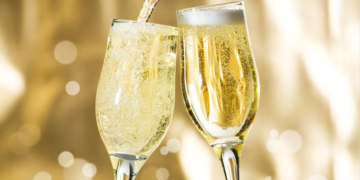
The act of opening a bottle—hearing the cork pop, watching the bubbles rise—creates a sensory ritual that signals a transition from ordinary time to special occasion.
Unlike many beverages, Champagne is rarely consumed casually. It is reserved, intentional, and symbolic.
2. The Origins of Prestige
Champagne’s association with luxury can be traced back to French royalty.
Coronations held in Reims elevated the region’s wines to royal status. Over time, Champagne became:
- A drink of kings and nobility
- A marker of social hierarchy
- A symbol of refinement
European aristocracy embraced Champagne, embedding it within elite culture. This early association laid the groundwork for its enduring prestige.
3. The Power of Branding and Storytelling
Champagne’s rise to global prominence was not accidental—it was carefully cultivated.
Major Champagne houses such as Veuve Clicquot and Moët & Chandon invested heavily in branding, storytelling, and international expansion.
They crafted an image of Champagne as:
- Elegant
- Exclusive
- Timeless
Through consistent messaging, they transformed Champagne into a lifestyle symbol rather than just a product.
4. Champagne in Art, Literature, and Film
Champagne has long been associated with artistic expression.
In literature and film, it often appears as:
- A symbol of wealth and sophistication
- A signifier of romance or indulgence
- A backdrop to pivotal social scenes
From classic novels to modern cinema, Champagne helps convey mood, status, and emotion without needing explanation.
5. The Ritual of Opening Champagne
Few beverages have rituals as distinct as Champagne.
The process includes:
- Chilling the bottle
- Removing the foil and cage
- Carefully easing out the cork
The iconic “pop” is more than a sound—it is a signal of celebration.
In some settings, Champagne is sabred (opened with a sword), a dramatic gesture that emphasizes spectacle and tradition.
6. Champagne and Luxury Lifestyle
Champagne is deeply intertwined with luxury culture.
It is commonly associated with:
- Fine dining
- High-end fashion events
- Exclusive parties
- Luxury travel experiences
Serving Champagne communicates:
- Attention to detail
- Appreciation for quality
- Social status
It functions as both a beverage and a social signal.
7. Sporting Triumphs and Public Celebration
One of the most visible uses of Champagne is in sports.
Victorious athletes spray Champagne to celebrate major wins, a tradition that has become iconic in global competitions.
This practice reinforces Champagne’s image as:
- Energetic
- Joyful
- Victorious
It transforms a private drink into a public spectacle.
8. Champagne in Global Cultures
While Champagne originated in France, its cultural meaning has expanded globally.
Europe
- Strong ties to tradition and heritage
- Used in both formal and informal celebrations
United States
- Associated with success and aspiration
- Popular in entertainment and nightlife
Asia
- Growing symbol of modern luxury
- Often used in business and social prestige contexts
Different cultures interpret Champagne through their own social values, yet its core symbolism remains consistent.
9. The Influence of Celebrity Culture
Celebrities have played a major role in shaping Champagne’s image.
From endorsements to public appearances, Champagne is often linked with:
- Glamour
- Fame
- Exclusivity
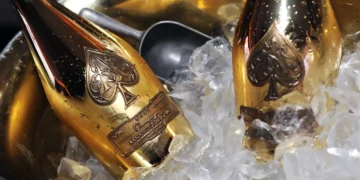
Prestige labels like Dom Pérignon frequently appear in high-profile settings, reinforcing their status.
10. Gender and Champagne Marketing
Historically, Champagne has been marketed in gendered ways.
- Associated with femininity and elegance in some contexts
- Linked to power and success in others
Modern marketing is shifting toward inclusivity, presenting Champagne as a universal experience rather than a gendered product.
11. Champagne and Social Rituals
Champagne plays a role in structured social rituals:
- Toasting to mark a moment
- Sharing among groups
- Serving at specific points during events
These rituals create a shared experience, reinforcing social bonds.
12. The Psychology of Champagne
Champagne’s cultural power is also psychological.
Its characteristics—effervescence, lightness, acidity—create a sensory experience that feels:
- Uplifting
- Energizing
- Special
The anticipation of opening a bottle adds to its emotional impact.
13. Accessibility vs Exclusivity
Champagne exists in a tension between:
- Accessibility (widely available globally)
- Exclusivity (associated with luxury)
This duality allows it to:
- Reach broad audiences
- Maintain a premium image
It is both aspirational and attainable, depending on context.
14. The Rise of Everyday Champagne
In recent years, there has been a shift toward more casual consumption.
Consumers are:
- Drinking Champagne outside traditional celebrations
- Pairing it with everyday meals
- Exploring different styles
This trend is redefining Champagne as not just a luxury, but also a versatile lifestyle choice.
15. The Future of Champagne Culture
Champagne’s cultural role continues to evolve.
Emerging trends include:
- Greater emphasis on authenticity and craftsmanship
- Increased interest in smaller producers
- Changing definitions of luxury
While traditions remain strong, new generations are reshaping how Champagne is experienced and valued.
Conclusion: A Cultural Icon in Motion
Champagne is more than a drink—it is a language of celebration, a symbol of aspiration, and a reflection of cultural values. Its journey from regional wine to global icon is a testament to the power of storytelling, ritual, and human connection.
Whether poured in a quiet moment of reflection or sprayed across a victorious crowd, Champagne carries meaning beyond its flavor. It represents achievement, joy, and the desire to mark life’s milestones in a way that feels significant.
As culture continues to evolve, so too will Champagne. But its essence—its ability to transform moments into memories—will remain unchanged.