



























Beer has always evolved alongside humanity, adapting to shifts in technology, culture, economics, and taste. Today, the global beer industry stands at another inflection point. While tradition remains a powerful force, the future of beer is being shaped by innovation, environmental responsibility, changing consumer behavior, and cross-industry influence.
The next era of beer will not be defined by a single trend, but by a convergence of forces—scientific advancement, sustainability demands, digital transformation, and a redefinition of what beer can be. This article explores the key developments that are shaping the future of beer and what they reveal about the direction of the industry.
1. Redefining Beer: Beyond Traditional Boundaries
Historically, beer has been defined by a simple formula: water, malt, hops, and yeast. While this foundation remains, modern brewers are increasingly challenging the boundaries of what constitutes “beer.”
Emerging approaches include:
- Incorporating non-traditional grains (rice, quinoa, ancient grains)
- Using unconventional fermentables such as honey or fruit sugars
- Blending beer with wine or spirits techniques
This evolution reflects a broader shift: beer is no longer confined by rigid definitions. Instead, it is becoming a flexible category shaped by creativity and experimentation.
2. The Rise of Low-Alcohol and Non-Alcoholic Beer
One of the most significant trends in recent years is the growth of low-alcohol and non-alcoholic beer.
Why the Shift?
Consumers are increasingly:
- Health-conscious
- Interested in moderation
- Seeking functional beverages
Technological Advances
Producing high-quality non-alcoholic beer was once a major challenge, often resulting in bland or watery products. Today, innovations such as:
- Controlled fermentation
- Vacuum distillation
- Reverse osmosis
Allow brewers to retain flavor while reducing or removing alcohol.
The result is a new category of beer that offers:
- Full flavor
- Lower calorie content
- Broader social accessibility
3. Sustainability: Brewing with Responsibility
Environmental concerns are reshaping industries worldwide, and beer is no exception.
Water Conservation
Brewing is water-intensive. Forward-thinking breweries are:
- Recycling process water
- Improving efficiency ratios
- Investing in closed-loop systems
Energy Use
Breweries are adopting:
- Renewable energy sources
- Heat recovery systems
- Energy-efficient equipment
Waste Reduction
Spent grain, a major byproduct, is being repurposed into:
- Animal feed
- Food products
- Bioenergy
Sustainability is no longer optional—it is becoming central to brand identity and long-term viability.
4. Localism and Hyper-Regional Brewing
While globalization has expanded access, there is a growing countertrend toward localism.
Consumers increasingly value:
- Locally sourced ingredients
- Region-specific flavors
- Community-based businesses
This has led to:
- Hyper-local breweries
- Regional ingredient experimentation
- Stronger ties between producers and consumers
Beer is once again becoming a reflection of place.
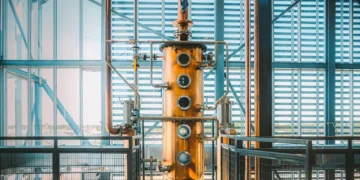
5. Technology and the Digital Brewery
Technology is transforming brewing at every level.
Production Innovations
- Automated brewing systems
- Real-time fermentation monitoring
- AI-driven quality control
These tools allow for:
- Greater consistency
- Improved efficiency
- Faster experimentation
Consumer Engagement
Digital platforms enable:
- Direct-to-consumer sales
- Online tastings and virtual events
- Data-driven marketing strategies
The brewery of the future is as much digital as it is physical.
6. The Expansion of Flavor Frontiers
Flavor innovation remains at the heart of beer’s evolution.
Future trends include:
- Botanical and herbal infusions
- Savory and umami-inspired beers
- Crossovers with coffee, tea, and chocolate
Brewers are increasingly drawing inspiration from:
- Culinary arts
- Global cuisines
- Traditional fermentation practices
This fusion approach is expanding the sensory possibilities of beer.
7. Yeast Innovation and Biotechnology
Yeast research is opening new frontiers in brewing.
Custom Yeast Strains
Scientists and brewers are developing strains that:
- Produce specific flavor profiles
- Improve fermentation efficiency
- Reduce unwanted byproducts
Genetic Research
Advances in biotechnology allow for:
- Precision control over fermentation
- Exploration of previously unusable sugars
- Creation of entirely new flavor compounds
Yeast, once simply a tool, is now a frontier of innovation.
8. Changing Consumer Demographics
The future of beer is being shaped by new generations of drinkers.
Younger Consumers
- Value experience over quantity
- Seek authenticity and storytelling
- Prefer diverse and experimental flavors
Greater Inclusivity
The industry is becoming more inclusive in:
- Marketing
- Product design
- Community engagement
Beer culture is expanding beyond traditional demographics.
9. The Intersection of Beer and Wellness
Wellness trends are influencing beer in unexpected ways.
Developments include:
- Low-calorie beers
- Functional ingredients (vitamins, adaptogens)
- Gluten-reduced or gluten-free options
While beer has traditionally been associated with indulgence, it is now being reimagined within a healthier lifestyle context.
10. Packaging Innovation
Packaging is evolving to meet both environmental and consumer needs.
Trends include:
- Sustainable materials
- Lightweight cans and bottles
- Smart packaging with digital integration
Cans, once considered inferior, are now widely preferred due to:
- Better light protection
- Portability
- Lower environmental impact
11. Global Collaboration and Cultural Exchange
Brewers are increasingly collaborating across borders.
This leads to:
- Hybrid styles
- Shared techniques
- Cultural exchange
Global collaboration accelerates innovation and fosters a sense of international community.
12. The Role of Artificial Intelligence
AI is beginning to influence brewing in subtle but powerful ways.
Applications include:
- Recipe optimization
- Predictive quality control
- Consumer preference analysis
While still emerging, AI has the potential to:
- Enhance creativity
- Improve efficiency
- Personalize beer experiences
13. Direct-to-Consumer Models
The traditional distribution model is being disrupted.
Breweries are exploring:
- Subscription services
- Online sales platforms
- Taproom-focused business models
This shift allows for:
- Greater control over brand experience
- Stronger customer relationships
- Increased profitability
14. Challenges Ahead
Despite innovation, the industry faces significant challenges:
- Market saturation
- Rising production costs
- Regulatory complexities
- Climate change affecting ingredient supply
Navigating these challenges will require adaptability and resilience.
15. The Future Experience of Beer
Ultimately, the future of beer is not just about the product—it’s about the experience.
Future beer culture may include:
- Interactive tasting experiences
- Personalized recommendations
- Integration with digital and physical environments
Beer will continue to evolve as both a beverage and a cultural medium.
Conclusion: Tradition Meets Transformation
The future of beer lies at the intersection of tradition and transformation. While the fundamental elements of brewing remain unchanged, the ways in which beer is produced, consumed, and understood are rapidly evolving.
Innovation is expanding possibilities. Sustainability is redefining responsibility. Consumers are reshaping demand. And technology is unlocking new potential.
Yet, despite all these changes, one truth endures: beer is, and always will be, a social drink—a way to connect, to celebrate, and to share experiences.
As we look ahead, the most exciting aspect of beer’s future is not any single trend, but the endless combination of ideas, cultures, and creativity that will continue to shape it.
The story of beer is far from finished. In fact, it may just be entering its most dynamic chapter yet.