
Introduction: Beyond Celebration, Into Understanding
Champagne is often opened for celebration—but rarely understood.
To the untrained palate, it is simply “bubbly.” To a trained taster, it is a layered, evolving experience defined by precision: acidity, texture, aroma, and balance interacting in real time.
Tasting Champagne is not about complexity for its own sake—it is about clarity. The ability to notice, interpret, and evaluate what is in the glass.
This guide will take you from appreciation to mastery.
1. Preparing the Perfect Tasting Environment
1.1 Control the Variables
Before tasting begins, environment matters.
Ensure:
- Neutral lighting
- No strong external smells (perfume, food, smoke)
- Proper temperature (around 8–12°C depending on style)
A controlled environment allows the Champagne to speak clearly.
1.2 Glass Selection
Forget the traditional flute.
For serious tasting, use:
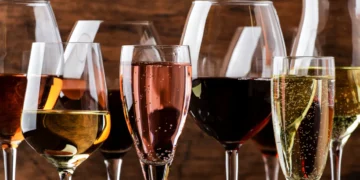
- Tulip-shaped glass
- White wine glass (high-end option)
These allow aromas to concentrate and evolve.
2. The Professional Tasting Framework
Unlike casual drinking, professional tasting follows a structured system.
Step 1: Visual Analysis (Appearance)
Observe carefully:
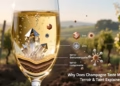
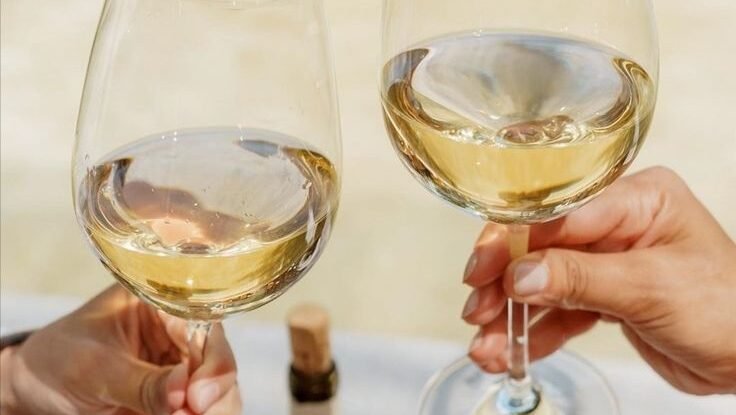
- Color → pale lemon, golden, rosé
- Clarity → brilliant or slightly hazy
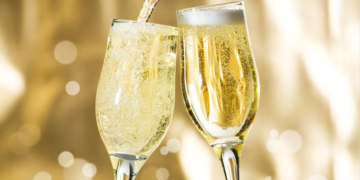
- Bubble behavior → size, speed, persistence
Key insight:
Fine, steady bubbles often indicate higher quality and longer aging.
Step 2: Aromatic Analysis (Nose)
Do not rush.
Take multiple short inhalations.
Primary Aromas (from grapes)
- Citrus (lemon, grapefruit)
- Green apple
- White flowers
Secondary Aromas (from fermentation)
- Bread
- Brioche
- Yogurt
Tertiary Aromas (from aging)
- Almond
- Hazelnut
- Honey
- Dried fruit
Advanced tip:
Try to identify layers, not just individual notes.
Step 3: Palate (Taste & Structure)
Take a small sip and let it spread across your mouth.
Analyze:
- Attack → first impression (sharp, soft, vibrant)
- Mid-palate → flavor development
- Finish → length and persistence
Step 4: Texture (Mouthfeel)
This is where Champagne separates itself.
Evaluate:
- Bubble finesse (fine vs. coarse)
- Creaminess
- Weight (light vs. structured)
High-quality Champagne often feels:
- Precise yet soft
- Energetic yet controlled
3. Understanding Balance: The Core of Quality
A great Champagne is not about intensity—it is about balance.
Key components:
- Acidity → freshness and structure
- Dosage (sugar) → softness
- Alcohol → warmth
- Texture → integration
No element should dominate.
4. Identifying Style Through Tasting
4.1 Blanc de Blancs
- Lighter body
- High acidity
- Citrus and mineral notes
4.2 Blanc de Noirs
- Richer texture
- More body
- Red fruit notes
4.3 Rosé Champagne
- Berry flavors
- Slight tannic structure
- Visual elegance
4.4 Vintage vs. Non-Vintage
- Non-vintage → consistent, balanced
- Vintage → more expressive, complex, sometimes more intense
5. Detecting Quality vs. Flaws
5.1 Signs of High Quality
- Persistent fine bubbles
- Long finish (lingering flavors)
- Integrated texture
- Layered aromas
5.2 Common Flaws
- Oxidation → dull, flat aromas
- Excessive dosage → overly sweet, unbalanced
- Weak structure → short finish, lack of depth
6. Advanced Technique: Blind Tasting Champagne
6.1 Why It Matters
Blind tasting removes:
- Brand influence
- Price bias
- Visual expectations
6.2 What to Identify
Try to determine:
- Grape composition
- Age (young vs. aged)
- Style (house vs. grower)
6.3 Training Method
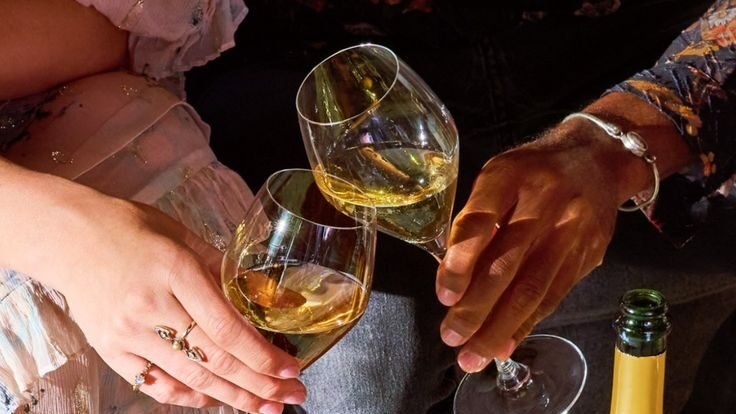
- Taste multiple Champagnes side by side
- Take detailed notes
- Revisit regularly
Consistency builds expertise.
7. Food Pairing at a High Level
7.1 Beyond Basic Pairings
Champagne is one of the most versatile pairing wines.
7.2 Advanced Pairing Logic
Acidity Cuts Fat
Champagne + fried food → balance and refresh
Texture Matches Texture
Creamy Champagne + creamy dishes → harmony
Contrast Enhances Flavor
Dry Champagne + rich dishes → contrast
7.3 Unexpected Pairings
Champagne pairs surprisingly well with:
- Fried chicken
- French fries
- Sushi
- Soft cheeses
The key is balance, not tradition.
8. Serving Ritual at a Professional Level
8.1 Opening the Bottle
Proper technique:
- Hold the cork
- Twist the bottle (not the cork)
- Release pressure slowly
The ideal sound is a soft sigh, not a loud pop.
8.2 Pouring Technique
- Tilt the glass
- Pour slowly
- Allow foam to settle
This preserves carbonation and elegance.
9. Building a Personal Champagne Palate
9.1 Taste Broadly
Explore:
- Different producers
- Different vintages
- Different styles
9.2 Track Your Preferences
Keep notes on:
- Flavor profiles
- Texture
- Overall impressions
Patterns will emerge.
9.3 Revisit and Refine
Your palate evolves.
What you dislike today, you may appreciate tomorrow.
10. From Enthusiast to Connoisseur
10.1 Advanced Skills
- Identify subtle aging notes
- Recognize terroir influence
- Evaluate structural balance
10.2 Professional Pathways
For deeper expertise:
- Sommelier training
- Wine certifications
- Sensory workshops
11. The Philosophy of Champagne Tasting
Champagne teaches a different kind of appreciation.
It is not about power—but precision.
Not about intensity—but elegance.
Not about quantity—but awareness.
Conclusion: Learning to Taste Elegance
Champagne is often associated with celebration—but its true beauty lies in its detail.
To taste Champagne properly is to notice:
- The rise of bubbles
- The evolution of aroma
- The balance of structure
It is a quiet, focused experience.
And once you understand it, Champagne becomes more than a drink—it becomes a language of refinement.