
SipsavorLife
  • Home
  • Wine
    Wine as a Cultural Artifact: History, Identity, and the Evolution of Taste

    The Art and Science of Wine & Food Pairing: How to Create Perfect Matches Every Time

    Wine as a Cultural Artifact: History, Identity, and the Evolution of Taste

    A Complete Guide to Wine Styles and Grape Varieties: From Cabernet Sauvignon to Riesling

    Wine as a Cultural Artifact: History, Identity, and the Evolution of Taste

    The Global Wine Industry: Economics, Markets, and the Future of Consumption

    Wine as a Cultural Artifact: History, Identity, and the Evolution of Taste

    The Science of Wine Tasting: How Chemistry, Biology, and Perception Shape Flavor

    Wine as a Cultural Artifact: History, Identity, and the Evolution of Taste

    Wine as a Cultural Artifact: History, Identity, and the Evolution of Taste

    Red Wine — The Liquid Expression of Land, Time, and Human Intention

    The Future of Red Wine — Climate Change, Technology, and the Evolution of Taste

  • Whiskey
    Can Beer Be an Effective Ingredient in Culinary Cooking?

    Can Beer Be an Effective Ingredient in Culinary Cooking?

    Second Fermentation in Champagne: Is It Really That Crucial?

    Second Fermentation in Champagne: Is It Really That Crucial?

    How Do Different Grains Impact the Flavor Profile of Distilled Spirits?

    How Do Different Grains Impact the Flavor Profile of Distilled Spirits?

    How Do Whiskey Master Blenders Create Perfection?

    How Do Whiskey Master Blenders Create Perfection?

    Wine Pairings: Can They Change the Flavor Profile of a Dish?

    Wine Pairings: Can They Change the Flavor Profile of a Dish?

    Beer the Ultimate Beverage for Pairing with Spicy Food?

    Beer the Ultimate Beverage for Pairing with Spicy Food?

  • Beer
    Beer as a Cultural and Social Force: From Ancient Brew to Modern Identity

    The Art of Beer & Food Pairing: Unlocking Flavor Through Balance, Contrast, and Texture

    Beer as a Cultural and Social Force: From Ancient Brew to Modern Identity

    A Complete Guide to Beer Styles: From Lager to Stout, Understanding Flavor, Body, and Character

    Beer as a Cultural and Social Force: From Ancient Brew to Modern Identity

    The Global Beer Industry: Craft Revolution, Market Forces, and the Future of Brewing

    Beer as a Cultural and Social Force: From Ancient Brew to Modern Identity

    The Science of Beer: Brewing Process, Ingredients, and the Chemistry of Flavor

    Beer as a Cultural and Social Force: From Ancient Brew to Modern Identity

    Beer as a Cultural and Social Force: From Ancient Brew to Modern Identity

    The Evolution of Beer — From Ancient Brews to the Craft Revolution

    The Future of Beer — Innovation, Sustainability, and Emerging Trends

  • Grain Spirits
    Grain Spirits Explained — The Foundation of Global Distillation

    The Future of Grain Spirits — Technology, Sustainability, and the Next Era of Distillation

    Grain Spirits Explained — The Foundation of Global Distillation

    Grain Spirits Around the World — Vodka, Whisky Bases, and Industrial Applications

    Grain Spirits Explained — The Foundation of Global Distillation

    Distillation Systems — Pot Still vs Column Still, and the Balance Between Efficiency and Flavor

    Grain Spirits Explained — The Foundation of Global Distillation

    Grain Selection and Fermentation Science — How Raw Ingredients Shape Grain Spirits

    Grain Spirits Explained — The Foundation of Global Distillation

    Grain Spirits Explained — The Foundation of Global Distillation

    Grain Spirits and the Industrial Birth of Neutral Alcohol

    The Future of Grain Spirits — AI Distillation, Sustainability, and the Post-Flavor Alcohol Industry

  • Champagne
    The History of Champagne — From Accidental Sparkle to Global Luxury

    The Future of Champagne — Climate Change, Innovation, and Industry Evolution

    The History of Champagne — From Accidental Sparkle to Global Luxury

    The Culture of Champagne — Luxury, Celebration, and Global Influence

    The History of Champagne — From Accidental Sparkle to Global Luxury

    Champagne Styles Explained — Brut, Rosé, Vintage, and Beyond

    The History of Champagne — From Accidental Sparkle to Global Luxury

    The Craft of Champagne — Terroir, Grapes, and the Méthode Traditionnelle

    The History of Champagne — From Accidental Sparkle to Global Luxury

    The History of Champagne — From Accidental Sparkle to Global Luxury

    The Future of Champagne — Climate Change, Innovation, and the Evolution of Sparkling Wine

    The Future of Champagne — Climate Change, Innovation, and the Evolution of Sparkling Wine

  • ALL
    Can Beer Be an Effective Ingredient in Culinary Cooking?

    Can Beer Be an Effective Ingredient in Culinary Cooking?

    Second Fermentation in Champagne: Is It Really That Crucial?

    Second Fermentation in Champagne: Is It Really That Crucial?

    How Do Different Grains Impact the Flavor Profile of Distilled Spirits?

    How Do Different Grains Impact the Flavor Profile of Distilled Spirits?

    How Do Whiskey Master Blenders Create Perfection?

    How Do Whiskey Master Blenders Create Perfection?

    Wine Pairings: Can They Change the Flavor Profile of a Dish?

    Wine Pairings: Can They Change the Flavor Profile of a Dish?

    Beer the Ultimate Beverage for Pairing with Spicy Food?

    Beer the Ultimate Beverage for Pairing with Spicy Food?

SipsavorLife
  • Home
  • Wine
    Wine as a Cultural Artifact: History, Identity, and the Evolution of Taste

    The Art and Science of Wine & Food Pairing: How to Create Perfect Matches Every Time

    Wine as a Cultural Artifact: History, Identity, and the Evolution of Taste

    A Complete Guide to Wine Styles and Grape Varieties: From Cabernet Sauvignon to Riesling

    Wine as a Cultural Artifact: History, Identity, and the Evolution of Taste

    The Global Wine Industry: Economics, Markets, and the Future of Consumption

    Wine as a Cultural Artifact: History, Identity, and the Evolution of Taste

    The Science of Wine Tasting: How Chemistry, Biology, and Perception Shape Flavor

    Wine as a Cultural Artifact: History, Identity, and the Evolution of Taste

    Wine as a Cultural Artifact: History, Identity, and the Evolution of Taste

    Red Wine — The Liquid Expression of Land, Time, and Human Intention

    The Future of Red Wine — Climate Change, Technology, and the Evolution of Taste

  • Whiskey
    Can Beer Be an Effective Ingredient in Culinary Cooking?

    Can Beer Be an Effective Ingredient in Culinary Cooking?

    Second Fermentation in Champagne: Is It Really That Crucial?

    Second Fermentation in Champagne: Is It Really That Crucial?

    How Do Different Grains Impact the Flavor Profile of Distilled Spirits?

    How Do Different Grains Impact the Flavor Profile of Distilled Spirits?

    How Do Whiskey Master Blenders Create Perfection?

    How Do Whiskey Master Blenders Create Perfection?

    Wine Pairings: Can They Change the Flavor Profile of a Dish?

    Wine Pairings: Can They Change the Flavor Profile of a Dish?

    Beer the Ultimate Beverage for Pairing with Spicy Food?

    Beer the Ultimate Beverage for Pairing with Spicy Food?

  • Beer
    Beer as a Cultural and Social Force: From Ancient Brew to Modern Identity

    The Art of Beer & Food Pairing: Unlocking Flavor Through Balance, Contrast, and Texture

    Beer as a Cultural and Social Force: From Ancient Brew to Modern Identity

    A Complete Guide to Beer Styles: From Lager to Stout, Understanding Flavor, Body, and Character

    Beer as a Cultural and Social Force: From Ancient Brew to Modern Identity

    The Global Beer Industry: Craft Revolution, Market Forces, and the Future of Brewing

    Beer as a Cultural and Social Force: From Ancient Brew to Modern Identity

    The Science of Beer: Brewing Process, Ingredients, and the Chemistry of Flavor

    Beer as a Cultural and Social Force: From Ancient Brew to Modern Identity

    Beer as a Cultural and Social Force: From Ancient Brew to Modern Identity

    The Evolution of Beer — From Ancient Brews to the Craft Revolution

    The Future of Beer — Innovation, Sustainability, and Emerging Trends

  • Grain Spirits
    Grain Spirits Explained — The Foundation of Global Distillation

    The Future of Grain Spirits — Technology, Sustainability, and the Next Era of Distillation

    Grain Spirits Explained — The Foundation of Global Distillation

    Grain Spirits Around the World — Vodka, Whisky Bases, and Industrial Applications

    Grain Spirits Explained — The Foundation of Global Distillation

    Distillation Systems — Pot Still vs Column Still, and the Balance Between Efficiency and Flavor

    Grain Spirits Explained — The Foundation of Global Distillation

    Grain Selection and Fermentation Science — How Raw Ingredients Shape Grain Spirits

    Grain Spirits Explained — The Foundation of Global Distillation

    Grain Spirits Explained — The Foundation of Global Distillation

    Grain Spirits and the Industrial Birth of Neutral Alcohol

    The Future of Grain Spirits — AI Distillation, Sustainability, and the Post-Flavor Alcohol Industry

  • Champagne
    The History of Champagne — From Accidental Sparkle to Global Luxury

    The Future of Champagne — Climate Change, Innovation, and Industry Evolution

    The History of Champagne — From Accidental Sparkle to Global Luxury

    The Culture of Champagne — Luxury, Celebration, and Global Influence

    The History of Champagne — From Accidental Sparkle to Global Luxury

    Champagne Styles Explained — Brut, Rosé, Vintage, and Beyond

    The History of Champagne — From Accidental Sparkle to Global Luxury

    The Craft of Champagne — Terroir, Grapes, and the Méthode Traditionnelle

    The History of Champagne — From Accidental Sparkle to Global Luxury

    The History of Champagne — From Accidental Sparkle to Global Luxury

    The Future of Champagne — Climate Change, Innovation, and the Evolution of Sparkling Wine

    The Future of Champagne — Climate Change, Innovation, and the Evolution of Sparkling Wine

  • ALL
    Can Beer Be an Effective Ingredient in Culinary Cooking?

    Can Beer Be an Effective Ingredient in Culinary Cooking?

    Second Fermentation in Champagne: Is It Really That Crucial?

    Second Fermentation in Champagne: Is It Really That Crucial?

    How Do Different Grains Impact the Flavor Profile of Distilled Spirits?

    How Do Different Grains Impact the Flavor Profile of Distilled Spirits?

    How Do Whiskey Master Blenders Create Perfection?

    How Do Whiskey Master Blenders Create Perfection?

    Wine Pairings: Can They Change the Flavor Profile of a Dish?

    Wine Pairings: Can They Change the Flavor Profile of a Dish?

    Beer the Ultimate Beverage for Pairing with Spicy Food?

    Beer the Ultimate Beverage for Pairing with Spicy Food?

SipsavorLife
No Result
View All Result
Home Wine

The Art and Science of Wine & Food Pairing: How to Create Perfect Matches Every Time

April 26, 2026
in Wine
Wine as a Cultural Artifact: History, Identity, and the Evolution of Taste

Introduction: Beyond “Red with Meat, White with Fish”

“Red wine with meat, white wine with fish.”
This is perhaps the most famous rule in wine pairing—and also one of the most limiting.

While it offers a useful starting point, it fails to capture the complexity of how wine and food truly interact. In reality, pairing is not about rigid rules but about understanding relationships: how flavors, textures, and structures complement or contrast with each other.

At its best, a successful pairing creates something greater than the sum of its parts. A wine can elevate a dish, revealing hidden nuances, while the food can soften or enhance elements of the wine. The result is not just a meal, but an experience.

This article explores wine and food pairing from both a scientific and practical perspective, offering a framework that allows you to move beyond rules and develop intuition.


I. The Core Principle: Balance and Interaction

At the heart of pairing lies one fundamental idea: balance.

Wine and food interact through key components:

  • Acidity
  • Sweetness
  • Salt
  • Bitterness
  • Fat
  • Umami

A good pairing either balances these elements or creates contrast in a way that feels harmonious.


II. Understanding Wine Structure in Pairing

Before pairing wine with food, it is essential to understand the structural components of wine and how they behave.

1. Acidity: The Refreshing Counterpoint

High-acid wines act like a squeeze of lemon—they brighten flavors and cut through richness.

Effect in pairing:

  • Balances fatty or oily foods
  • Enhances freshness
  • Cleanses the palate

Examples:

  • Sauvignon Blanc with seafood
  • High-acid reds with tomato-based dishes

2. Tannin: Structure and Friction

Tannins create a drying sensation and interact strongly with protein.

Effect in pairing:

  • Softened by fat and protein
  • Can feel harsh with delicate foods

Examples:

  • Cabernet Sauvignon with steak
  • Avoid pairing highly tannic wines with light fish

3. Sweetness: Harmony or Contrast

Sweetness in wine can either match or contrast flavors in food.

Effect in pairing:

  • Balances spicy heat
  • Complements desserts
  • Offsets saltiness

Key rule: The wine should be at least as sweet as the dish.


4. Alcohol: Body and Intensity

Alcohol contributes to body and warmth.

Effect in pairing:

  • Amplifies spice
  • Adds weight

High-alcohol wines pair best with equally rich dishes.


5. Body: Matching Weight

Body refers to the weight of the wine.

Principle:

  • Light wines with light dishes
  • Full-bodied wines with rich dishes

This is one of the most reliable pairing guidelines.


III. How Food Changes Wine

Pairing is not one-directional—food also changes how wine is perceived.

1. Salt

Salt reduces bitterness and enhances fruitiness in wine.

Result:

  • Makes wines taste smoother and more balanced

2. Fat

Fat softens tannins and enhances texture.

Result:

  • Bold red wines become more approachable

3. Acid in Food

Acidic foods can make wine seem less acidic.

Tip:

  • Pair acidic dishes with high-acid wines to maintain balance

4. Spice

Spicy food increases the perception of alcohol and bitterness.

Best approach:

  • Use low-alcohol, slightly sweet wines

5. Umami

Umami can make wines taste more bitter or flat.

Solution:

  • Choose wines with high acidity or lower tannin

IV. Pairing Strategies: Complement vs. Contrast

There are two main approaches to pairing:


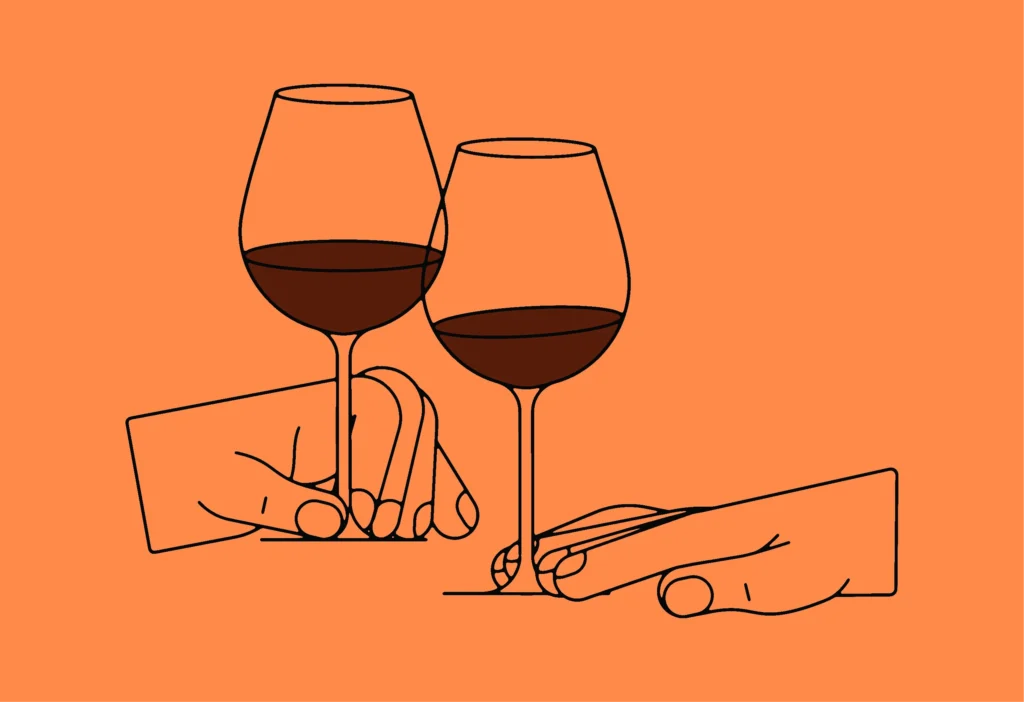
1. Complementary Pairing

Match similar flavors and characteristics.

Examples:

  • Creamy pasta + buttery Chardonnay
  • Earthy mushrooms + Pinot Noir

This creates harmony and continuity.

2. Contrasting Pairing

Balance opposing elements.

Examples:

  • Fatty pork + high-acid wine
  • Spicy food + slightly sweet wine

This creates tension and excitement.


V. Classic Pairings Explained (Not Just Memorized)

Instead of memorizing pairings, understanding why they work is more powerful.


1. Steak and Cabernet Sauvignon

  • Protein softens tannin
  • Fat balances structure
  • Wine gains smoothness

2. Oysters and Crisp White Wine

  • High acidity matches briny freshness
  • Light body avoids overpowering delicate flavors

3. Spicy Asian Cuisine and Riesling

  • Sweetness balances heat
  • Low alcohol prevents burning sensation

4. Tomato-Based Dishes and Acidic Reds

  • Tomatoes are highly acidic
  • Wines need equal acidity to avoid tasting flat

VI. Breaking the Rules (Intelligently)

Modern pairing often challenges traditional rules.

1. Red Wine with Fish?

It works—if the wine is light and low in tannin (e.g., Pinot Noir).

2. White Wine with Meat?

Absolutely—especially with poultry or pork.

3. Unexpected Pairings

  • Sparkling wine with fried food
  • Sweet wine with salty cheese

These work because of contrast and balance.


VII. Cultural Context Matters

Pairing traditions often emerge from local cuisine.

  • Italian wines with Italian food
  • French wines with French dishes

This is not coincidence—wine and food evolve together.

Understanding cultural context can guide intuitive pairing choices.


VIII. Practical Pairing Framework (You Can Actually Use)

Instead of memorizing dozens of rules, use this simple framework:

Step 1: Identify the dominant element of the dish

  • Is it fatty? spicy? acidic?

Step 2: Match intensity

  • Light with light, bold with bold

Step 3: Decide approach

  • Complement or contrast?

Step 4: Adjust structure

  • Acid cuts fat
  • Sweetness balances spice
  • Tannin needs protein

This method works across cuisines and styles.


IX. Pairing for Real Life (Not Just Fine Dining)

Most wine is not consumed in Michelin-starred restaurants—it’s enjoyed at home, casually.

1. Everyday Pairing Tips

  • Pizza → acidic red wine
  • Fried food → sparkling wine
  • Takeout → off-dry whites

2. When in Doubt

Choose wines that are:

  • Medium-bodied
  • Moderate in alcohol
  • Balanced in acidity

These are the most versatile.


X. The Emotional Dimension

Pairing is not purely technical—it is also emotional.

A perfect pairing is not just about balance, but about feeling:

  • Comfort
  • Surprise
  • Nostalgia
  • Pleasure

Personal preference matters as much as theory.


Conclusion: From Rules to Intuition

Wine and food pairing is often presented as a set of rules, but it is better understood as a language—a way of thinking about how flavors interact.

By focusing on structure, balance, and interaction, you can move beyond memorization and develop intuition. The goal is not perfection, but discovery.

Every pairing is an experiment. Some will work beautifully, others less so. But each one teaches you something.

And ultimately, that is what wine is about—not just taste, but exploration, connection, and the simple joy of sharing a meal.

Tags: Wine
ShareTweetShare

Related Posts

Wine as a Cultural Artifact: History, Identity, and the Evolution of Taste
Wine

A Complete Guide to Wine Styles and Grape Varieties: From Cabernet Sauvignon to Riesling

April 26, 2026
Wine as a Cultural Artifact: History, Identity, and the Evolution of Taste
Wine

The Global Wine Industry: Economics, Markets, and the Future of Consumption

April 26, 2026
Wine as a Cultural Artifact: History, Identity, and the Evolution of Taste
Wine

The Science of Wine Tasting: How Chemistry, Biology, and Perception Shape Flavor

April 26, 2026
Wine as a Cultural Artifact: History, Identity, and the Evolution of Taste
Wine

Wine as a Cultural Artifact: History, Identity, and the Evolution of Taste

April 26, 2026
Red Wine — The Liquid Expression of Land, Time, and Human Intention
Wine

The Future of Red Wine — Climate Change, Technology, and the Evolution of Taste

April 22, 2026
Red Wine — The Liquid Expression of Land, Time, and Human Intention
Wine

Red Wine and Human Culture — Rituals, Status, and the Psychology of Drinking

April 22, 2026
Leave Comment
  • Trending
  • Comments
  • Latest
Role of Terroir in Champagne Production

Role of Terroir in Champagne Production

January 19, 2026
Champagne Can Be Aged in Wood?

Champagne Can Be Aged in Wood?

January 18, 2026
Is Organic Wine Healthier Than Conventional Wine?

Is Organic Wine Healthier Than Conventional Wine?

January 20, 2026
Why Do Some Champagnes Use a High Proportion of Pinot Meunier?

Why Do Some Champagnes Use a High Proportion of Pinot Meunier?

January 20, 2026
The Timeless Elegance of Wine: A Journey Through History and Culture

The Timeless Elegance of Wine: A Journey Through History and Culture

Why Is Château Lafite Rothschild the Pinnacle of Fine Wine?

Why Is Château Lafite Rothschild the Pinnacle of Fine Wine?

How Did Château Lafite Rothschild Become a Global Icon of Luxury?

How Did Château Lafite Rothschild Become a Global Icon of Luxury?

What Makes Chateau Lafite Rothschild the Pinnacle of Bordeaux Wines?

What Makes Chateau Lafite Rothschild the Pinnacle of Bordeaux Wines?

Beer as a Cultural and Social Force: From Ancient Brew to Modern Identity

The Art of Beer & Food Pairing: Unlocking Flavor Through Balance, Contrast, and Texture

April 26, 2026
Beer as a Cultural and Social Force: From Ancient Brew to Modern Identity

A Complete Guide to Beer Styles: From Lager to Stout, Understanding Flavor, Body, and Character

April 26, 2026
Beer as a Cultural and Social Force: From Ancient Brew to Modern Identity

The Global Beer Industry: Craft Revolution, Market Forces, and the Future of Brewing

April 26, 2026
Beer as a Cultural and Social Force: From Ancient Brew to Modern Identity

The Science of Beer: Brewing Process, Ingredients, and the Chemistry of Flavor

April 26, 2026
SipsavorLife

Welcome to our comprehensive beverage guide, where you can explore the fascinating world of alcoholic drinks. From exquisite wines and rich whiskeys to refreshing beers and sparkling champagnes, we provide insights, tips, and recommendations for enthusiasts and casual drinkers alike. Discover your next favorite libation with us!

© 2025 sipsavorlife.com. contacts:sipsavorlife-35376@gmail.com

No Result
View All Result
  • Home
  • Wine
  • Whiskey
  • Beer
  • Grain Spirits
  • Champagne
  • ALL

© 2025 sipsavorlife.com. contacts:sipsavorlife-35376@gmail.com

Welcome Back!

Login to your account below

Forgotten Password?

Retrieve your password

Please enter your username or email address to reset your password.

Log In