






























Introduction
Beer is often stereotyped as a male-dominated industry and social activity. However, historical evidence reveals a very different reality. For thousands of years, women played central roles in brewing, selling, and preserving beer traditions.
In many ancient societies, brewing was primarily domestic work performed by women. Female brewers contributed significantly to agriculture, nutrition, commerce, and community life.
Over time, industrialization and changing social norms gradually marginalized women within the brewing industry. Yet modern beer culture is once again experiencing transformation as female brewers, entrepreneurs, scientists, writers, and consumers reshape the industry.
Understanding women’s role in brewing provides important insight into both beer history and broader patterns of social change.
Women as Ancient Brewers
In ancient Mesopotamia and Egypt, women commonly brewed beer for households and communities.
Brewing was closely connected to food preparation and grain management, activities often associated with women’s labor.
The Sumerian goddess Ninkasi symbolized brewing itself, highlighting beer’s cultural importance.
Women developed brewing knowledge through practical experience passed across generations.
Beer production therefore represented both domestic responsibility and valuable economic skill.
Medieval Alewives
During the Middle Ages, women known as alewives brewed and sold beer commercially.
Alewives often produced beer from their homes and sold it locally to neighbors and travelers.
These businesses provided important sources of income for women, particularly widows and unmarried individuals.
Many alewives became respected members of local economies.
However, brewing competition and changing gender expectations eventually contributed to negative stereotypes targeting female brewers.
Industrialization and Exclusion
The Industrial Revolution transformed brewing from small-scale domestic production into large industrial business.
As breweries expanded, brewing increasingly became associated with male labor and corporate management.
Women gradually lost influence within commercial brewing despite their historical contributions.
Beer marketing during the twentieth century further reinforced masculine stereotypes through advertising focused heavily on sports, toughness, and male social bonding.
The Craft Beer Revolution and Change
The modern craft beer movement created new opportunities for women within brewing.
Independent breweries often embraced creativity and alternative business cultures that challenged traditional industry norms.
Female brewers began gaining recognition for technical skill and innovation.
Women also became influential as beer judges, educators, historians, and writers.
Organizations supporting women in brewing emerged internationally to encourage mentorship and professional development.
Women Brewers and Innovation
Many female brewers contributed significantly to modern beer innovation.
Women-led breweries frequently experiment with unique ingredients, branding strategies, and community-oriented business models.
Some breweries actively challenge outdated assumptions about who drinks beer and what beer culture should represent.
Inclusive taproom environments became increasingly important within modern craft brewing.
Challenges Facing Women in Brewing
Despite progress, women in brewing still face challenges.
Gender discrimination, unequal representation, and workplace harassment remain ongoing issues within parts of the industry.
Female professionals sometimes encounter skepticism regarding technical expertise.
However, awareness of these problems continues growing, and many breweries now implement diversity and inclusion initiatives.
Beer Marketing and Gender Representation
Beer advertising historically relied heavily on gender stereotypes.
Modern consumers increasingly criticize marketing campaigns that objectify women or reinforce outdated social assumptions.
Many breweries now adopt more inclusive branding strategies that emphasize quality, creativity, and community rather than gender identity.
This shift reflects broader cultural changes regarding representation and equality.
Women as Consumers and Critics
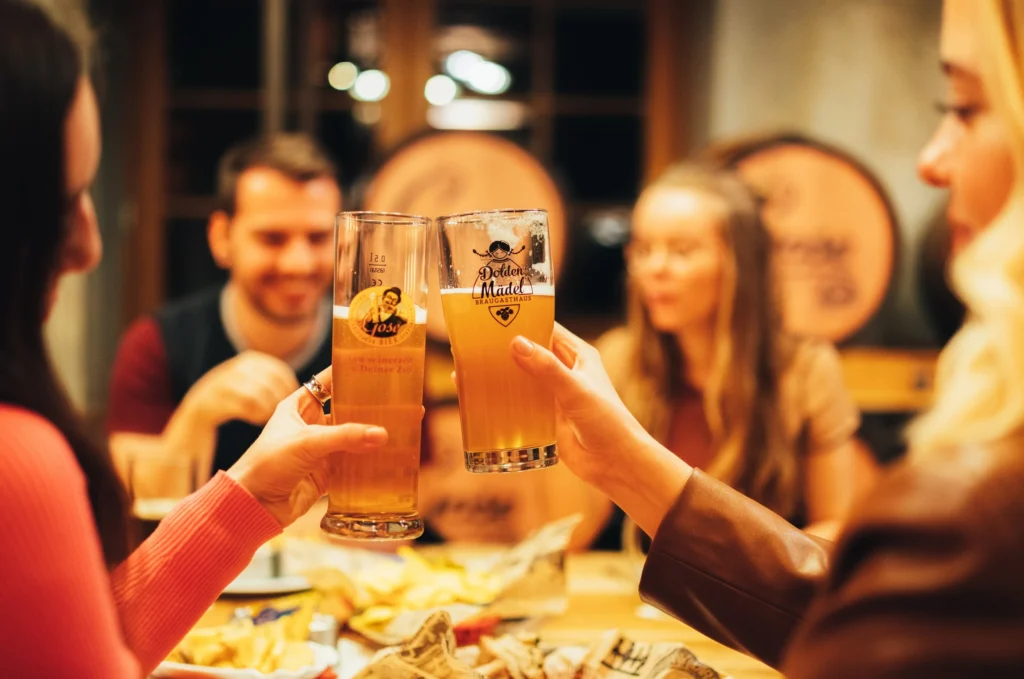
Women today represent an increasingly important segment of beer consumers.
Beer education programs, tasting groups, and social media communities encourage broader participation in beer culture.
Female critics and journalists influence industry trends through reviews, podcasts, books, and digital content.
Their perspectives contribute to more diverse conversations surrounding brewing and hospitality.
The Future of Inclusion in Beer Culture
The future of brewing will likely involve continued expansion of diversity and representation.
Breweries recognizing the value of inclusive culture may gain competitive advantages through broader consumer appeal.
Educational access and mentorship programs will remain important for encouraging participation across demographics.
Beer culture is gradually evolving into a more welcoming and socially aware environment.
Conclusion
Women have always been essential to brewing history, even when their contributions were overlooked or forgotten.
From ancient alewives to modern craft brewers and industry leaders, women helped shape beer culture across centuries.
The growing visibility of women within brewing reflects positive transformation within the global beer industry.
As brewing culture becomes more inclusive, it also becomes richer, more creative, and more representative of the diverse communities that enjoy beer worldwide.