
























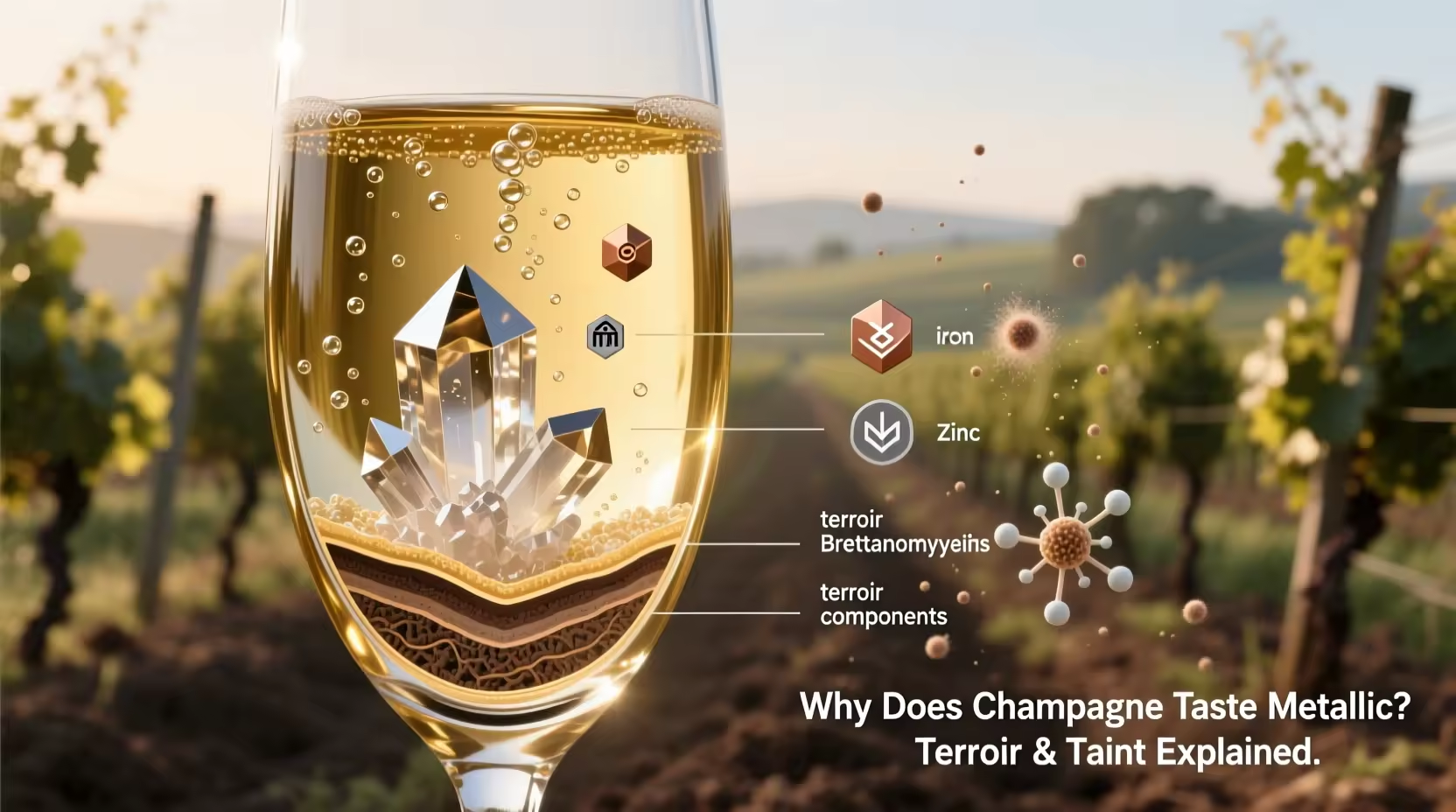
The word “terroir” is often used in the context of fine wine and spirits, but what exactly does it mean when we talk about Champagne? Terroir refers to the unique combination of natural elements that influence the character of a beverage—soil, climate, altitude, and the surrounding environment. In the case of Champagne, this concept is integral to the wine’s identity, shaping its flavor profile, quality, and style.
But terroir in Champagne is not just an abstract concept—it is deeply embedded in the region’s history, craftsmanship, and the philosophy of winemakers who embrace these natural factors to produce a sparkling wine that is much more than a drink. It’s a reflection of its origin, its makers, and the land itself.
The Champagne Terroir: A Complex Fusion
Champagne is one of the most famous sparkling wines in the world, and it owes much of its prestige to the terroir of its production region—the Champagne appellation in northeastern France. The Champagne terroir is an intricate interplay of various factors that contribute to its distinctive qualities. But what exactly are these factors?
1. Climate: A Cool and Continental Influence
The climate in Champagne is classified as continental, characterized by cold winters and mild summers. This cool climate is essential to the production of high-quality Champagne. Grapes in the region ripen slowly, which preserves their acidity—a crucial component in the production of sparkling wines.
Cool temperatures also prevent the grapes from becoming overly ripe, which helps maintain a balance between sweetness and acidity in the wine. For Champagne to achieve its signature crispness and freshness, a cool growing season is key. In fact, the low temperatures in Champagne can even cause frost, which sometimes poses a challenge for the vineyard growers. However, this challenge also ensures that only the best fruit survives, further enhancing the Champagne’s complex and fresh flavor.
2. Soil Composition: The Heart of Champagne’s Terroir
The soil in Champagne is primarily composed of chalk, a key component in the region’s terroir. This soil, which comes from ancient seabeds that were once submerged under water millions of years ago, plays an essential role in shaping the characteristics of the wine. Chalk is known for its excellent drainage properties, allowing the roots of the vines to grow deep and find moisture even during dry spells. It also helps to regulate the temperature of the vines, keeping them cool during the hot summer days and insulated during the cold winter months.
Chalk soil is also highly alkaline, which means it adds a unique minerality to the wine, giving Champagne its signature purity and finesse. It’s often said that the chalk soil of Champagne imparts a “flinty” or “stony” taste to the wine, which adds complexity to its flavor profile. This minerality is one of the defining traits that connoisseurs often describe when tasting a glass of Champagne.
3. Grape Varieties: The Backbone of Terroir Expression
Champagne is made from three primary grape varieties: Chardonnay, Pinot Noir, and Pinot Meunier. Each of these grapes has its own unique characteristics, but it is the terroir that brings these varieties to life.
- Chardonnay: Known for its elegance and finesse, Chardonnay is often the grape variety that most reflects the terroir of Champagne. It produces wines with bright acidity, floral notes, and a refreshing citrus profile. Chardonnay thrives in the cooler, chalky soils of Champagne, where its delicate flavors are able to develop to their fullest potential.
- Pinot Noir: Pinot Noir adds structure and depth to Champagne, contributing rich, fruity flavors and a touch of spice. Grown in the higher, more exposed vineyards of Champagne, Pinot Noir benefits from the region’s cool climate, as it retains its acidity even as it develops the richness and complexity that characterizes this grape.
- Pinot Meunier: Pinot Meunier is the most aromatic of the three main Champagne grape varieties, and it is often credited with adding roundness and fruitiness to the blend. It is well-suited to the fertile soils of Champagne and tends to mature earlier than the other two varieties, contributing an extra layer of complexity to the final product.
The interaction between these three grapes and the soil, climate, and landscape results in wines that have the signature balance of freshness, complexity, and subtlety.
4. The Influence of the Vineyards
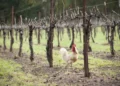
Vineyard location is paramount when it comes to terroir. Champagne vineyards are located in specific regions within the Champagne Appellation, each with its own microclimate and soil composition. The region is divided into several sub-regions, including Montagne de Reims, Côte des Blancs, and Vallée de la Marne, each contributing unique characteristics to the Champagne produced there.
- Montagne de Reims: Known for its predominantly Pinot Noir vineyards, this area produces Champagnes that are full-bodied with a rich, fruit-driven character. The higher altitude of this region also allows for more significant temperature variation, which helps preserve acidity in the grapes.
- Côte des Blancs: This region is famous for its Chardonnay vineyards. The cool, chalky soils here help produce Champagnes that are elegant, crisp, and mineral-driven, with a pronounced citrus and floral profile.
- Vallée de la Marne: Dominated by Pinot Meunier, this area produces wines that are fruitier, rounder, and softer than those from other regions. The soil here is richer in clay, which contributes to the fuller mouthfeel of the wines.
By strategically selecting grapes from different vineyards across these regions, winemakers can create Champagne blends that showcase the diversity of terroir within the Champagne Appellation. The result is a sparkling wine that tells the story of the land, the weather, and the meticulous care of the growers.
5. Human Intervention and Tradition
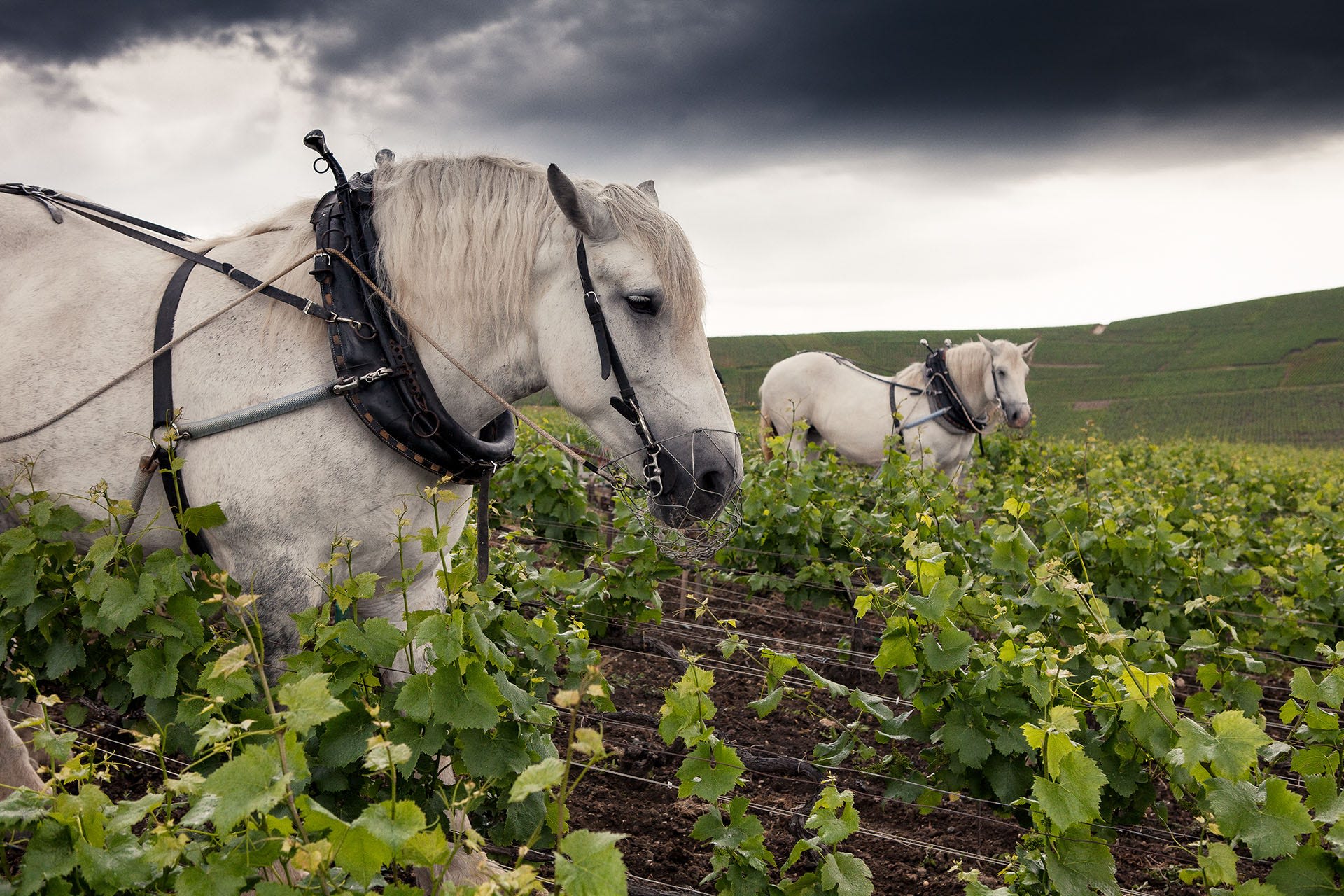
While nature plays a significant role in the development of terroir, human intervention is also a key element in Champagne production. Champagne houses and independent growers alike adhere to strict regulations that govern everything from vine-growing techniques to harvest dates. These regulations ensure that the wines produced in Champagne remain consistent in quality and reflect the region’s terroir.
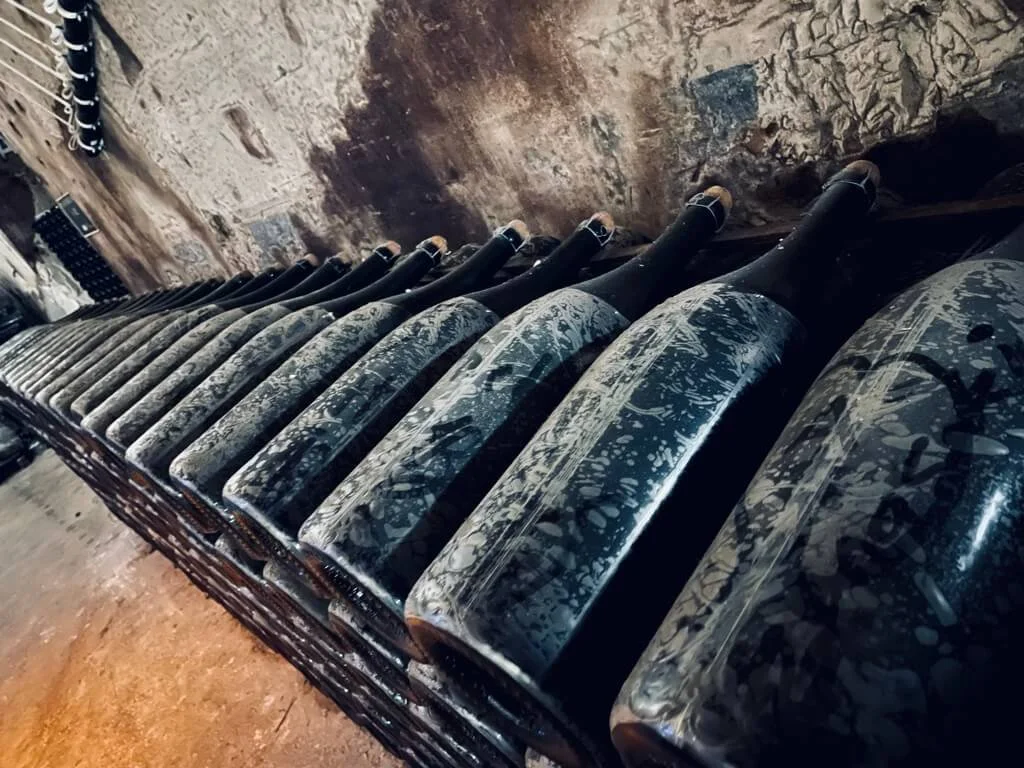
Furthermore, the art of winemaking itself adds a layer of refinement to Champagne. The traditional method of producing Champagne—known as “méthode champenoise”—involves a second fermentation in the bottle, which creates the characteristic bubbles and enhances the wine’s complexity. This method requires meticulous craftsmanship, where each step, from pressing the grapes to blending the base wines, is influenced by the understanding of the terroir and how best to express it in the final product.
The mastery of blending, for instance, is where terroir truly shines. A Champagne house might blend wines from multiple years or vineyards to create a consistent style that captures the essence of the region’s terroir, while also ensuring that each bottle delivers the signature characteristics that have made Champagne so renowned.
Terroir and Champagne Styles
The role of terroir in Champagne production can be seen in the different styles of Champagne. While all Champagne shares certain traits—such as high acidity, effervescence, and finesse—the exact expression of these qualities depends on the terroir from which the grapes originate.
1. Non-Vintage Champagne
Non-vintage Champagne is the most widely produced style, and it reflects the house style rather than a specific vintage. Since it is made from a blend of wines from multiple years, non-vintage Champagne showcases the overall expression of the house’s terroir.
2. Vintage Champagne
Vintage Champagne, on the other hand, is produced from grapes harvested in a single year, and its flavor profile can vary greatly depending on the conditions of that year’s harvest. The terroir of the vineyard is reflected more strongly in vintage Champagne, as the wine is shaped by the unique conditions of the year. Cooler or warmer seasons can lead to variations in acidity, fruitiness, and overall balance.
3. Blanc de Blancs and Blanc de Noirs
Blanc de Blancs is made entirely from Chardonnay, showcasing the crisp, minerally character of the grape when grown in chalky soils. It’s often considered the purest expression of the Champagne terroir. Blanc de Noirs, on the other hand, is made from red grapes like Pinot Noir and Pinot Meunier, creating a richer, fuller-bodied Champagne with more complex fruit flavors.
Conclusion: Champagne as a Reflection of Place
The role of terroir in Champagne production cannot be overstated. From the cool, continental climate to the chalky soils, from the precise location of each vineyard to the expert craftsmanship of the winemakers, Champagne is a drink that speaks of its origin in every sip. Its terroir is a blend of natural elements and human tradition, creating a wine that embodies the essence of the land and the people who have dedicated centuries to perfecting its production.
Each bottle of Champagne is a celebration of its unique terroir, offering a window into the history and landscape of the region. Whether enjoyed in a grand celebration or a quiet moment of reflection, Champagne remains a symbol of luxury, tradition, and the remarkable power of terroir.