































The wine tasting experience goes beyond the liquid in the glass—it’s about the full sensory experience. One of the most overlooked but crucial elements of wine tasting is the glass itself. Whether you’re enjoying a bold Cabernet Sauvignon, a crisp Chardonnay, or a sparkling Prosecco, the shape and design of the glass can significantly affect how the wine smells, tastes, and even feels on the palate. But how exactly does the shape of the wine glass influence our perception of the wine? In this article, we will delve deep into the science behind wine glasses, exploring how their design can enhance or detract from the flavors and aromas we experience.
The Importance of Glass Shape
Wine glasses are specifically designed to bring out the best in a particular wine, influencing factors like aroma concentration, airflow, and the direction the wine flows on your palate. Here are the main aspects of glass shape that impact wine tasting:
1. Aroma Concentration
The shape of the glass plays a key role in how aromas are captured and concentrated. A glass with a wide bowl helps to collect the volatile compounds in wine—those compounds that give wine its unique scent. When you swirl the wine, the movement pushes these molecules into the upper part of the glass, where they become trapped in the narrower neck, making it easier to inhale the complex aromas. On the other hand, a glass with a narrow bowl, such as a flute for sparkling wines, focuses these aromas, allowing them to concentrate in a smaller area, which is particularly suited for wines with delicate scents.
2. Airflow and Oxygenation
The interaction between wine and air is a pivotal element in wine tasting. Oxygen can unlock hidden flavors, soften tannins, and allow a wine to “open up.” A wine glass with a larger bowl facilitates this interaction, giving the wine more surface area to interact with oxygen. This is why wines like reds—especially those that are more tannic and full-bodied—benefit from a wider glass that allows them to breathe. For lighter wines, such as white wines or rosés, a more compact glass reduces the amount of air exposure, helping to preserve the crispness and freshness.
3. Wine Flow and Palate Impact
The shape of the glass also affects how the wine flows onto your palate. A glass with a slightly tapered rim can direct the wine to specific parts of your mouth, influencing your perception of acidity, sweetness, and bitterness. For example, a glass with a wide rim can direct the wine to the tip of your tongue, emphasizing the fruitiness and sweetness. A narrower rim directs the wine to the back of the tongue, emphasizing acidity or tannins. This subtle difference can drastically change the way you experience the wine.
Glass Types for Different Wines
As mentioned, different wines demand different types of glasses. The optimal glass design varies based on the wine’s characteristics—its body, aroma, and acidity. Let’s break down some of the most popular wine glass types and why they matter.
1. Red Wine Glasses
Red wines, particularly full-bodied varieties like Cabernet Sauvignon, Merlot, and Syrah, benefit from a large, rounded bowl. This shape allows the wine to swirl freely, releasing the complex aromas that red wines are known for. The wide opening helps to direct the wine to the back of the palate, where the acidity and tannins are most noticeable. A larger surface area means more oxygenation, which helps to soften the tannins in a young wine and enhance the wine’s complex flavors.
2. White Wine Glasses
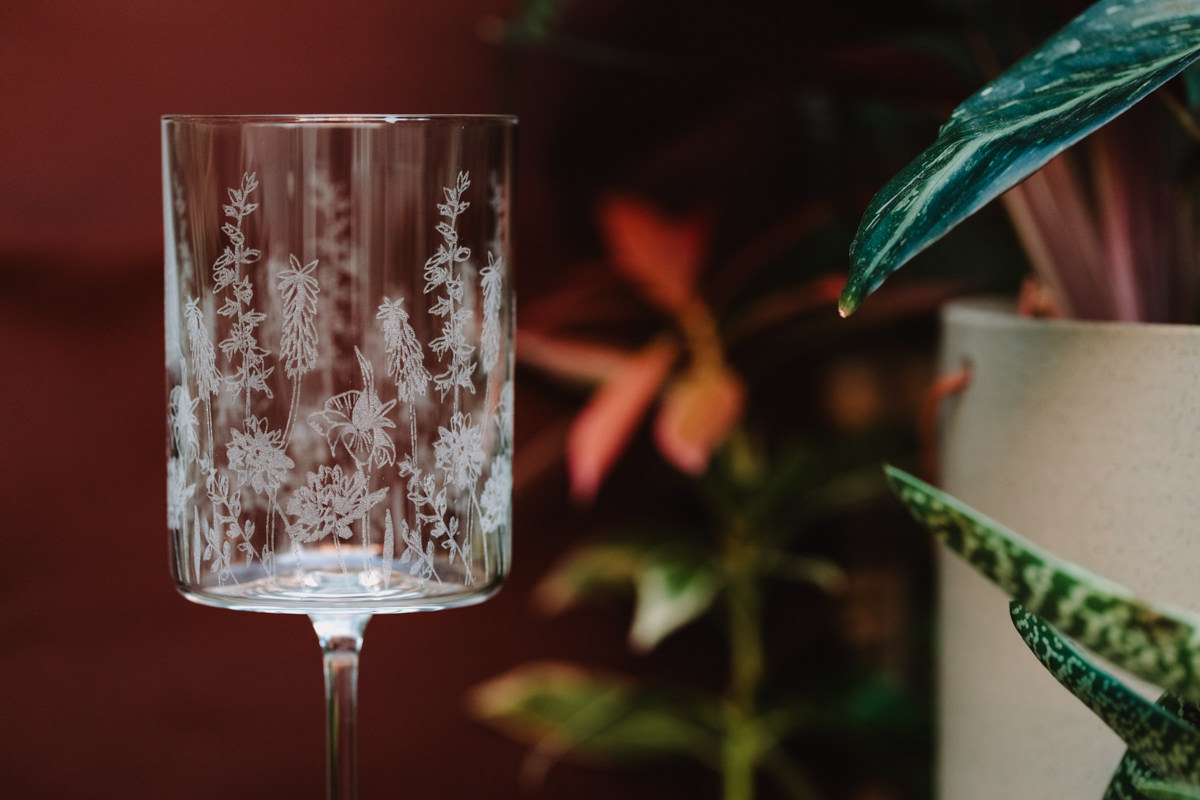
White wines, in contrast, are best enjoyed in glasses with a narrower bowl. A smaller bowl helps preserve the wine’s fresh and crisp qualities while also limiting the amount of oxygen exposure. For wines like Sauvignon Blanc, Pinot Grigio, and Chardonnay, this shape accentuates the wine’s delicate aromatics and highlights its freshness. The narrower rim also helps to funnel the aromas toward the nose, ensuring that the wine’s subtle floral and citrus notes are fully appreciated.
3. Sparkling Wine Glasses
Sparkling wines, including Champagne and Prosecco, are typically served in flutes. The long, narrow bowl and stem of a flute helps retain the effervescence of the wine, as it minimizes surface area and prevents the bubbles from escaping too quickly. The flute also concentrates the aromas, allowing the delicate floral and fruity notes of sparkling wines to be easily detected. However, while flutes are great for preserving bubbles, some experts argue that tulip-shaped glasses are a better choice for full aromatic expression, as they offer a wider base and a narrow rim.
4. Dessert Wine Glasses
Dessert wines, such as Port or Sauternes, are often served in glasses that are smaller in size but still have a wider bowl. This allows for more concentration of the wine’s rich and intense aromas while keeping the higher sugar content balanced. The slightly smaller volume also ensures that the sweetness of the wine doesn’t overwhelm the drinker, creating a more enjoyable and controlled experience.
Glass Material: Crystal vs. Glass
While the shape of the glass is important, the material from which the glass is made also plays a significant role in the overall experience. The two primary options are crystal and glass. Crystal glasses are made with lead or another metal oxide to enhance their clarity and ability to refract light. They are often thinner and more delicate than regular glass, allowing for a smoother drinking experience and helping to focus aromas.
Some wine connoisseurs argue that crystal glasses offer superior performance, as the thinness of the material allows for a more refined tasting experience. The lightness of crystal also means it’s less likely to distort the wine’s aromas or flavor profile. However, many find that regular glass can work perfectly well for wine tasting, particularly for everyday drinking. Ultimately, it comes down to preference and occasion.
The Psychology of Wine Glasses
The psychology behind the shape and design of wine glasses also cannot be overlooked. Research has shown that people tend to perceive wine differently based on the glass it is served in. For example, drinking from a more elegant, larger glass can make the wine seem more refined and expensive, even if it’s not. The aesthetic appeal of the glass can influence a person’s expectation and perception of the wine’s taste.

Additionally, the act of holding a wine glass by the stem (as opposed to the bowl) can have an effect on the sensory experience. Holding the stem prevents your hand from warming the wine, ensuring it stays at the proper temperature. Moreover, the act of swirling the wine in the glass creates anticipation and excitement, which can enhance the overall experience.
Why Does Wine Glass Design Matter?
It may seem like a luxury or an unnecessary detail, but the shape and design of a wine glass truly enhance the overall drinking experience. When you use the right glass for each wine, you’re allowing yourself to fully appreciate the nuances that the wine has to offer. Each glass type is designed with the goal of maximizing a specific wine’s qualities—whether it’s the intensity of a red’s fruit profile, the sharpness of a white’s acidity, or the crisp, delicate bubbles of a sparkling wine.
By using the correct wine glass, you are engaging in a more thoughtful, mindful approach to tasting, one that encourages you to savor the flavors, aromas, and textures in a way that you might not experience with a generic, all-purpose glass. The right glass doesn’t just improve your wine—it enhances your connection to the wine.
The Art of Wine Glass Selection
When choosing the right wine glass, it’s essential to consider not just the aesthetics but also the practicalities of the wine’s characteristics. While there’s a broad array of shapes and designs on the market, what truly matters is that the glass complements the wine. Whether you’re hosting a casual dinner with friends or preparing for a sophisticated tasting, selecting the right glass can elevate the experience and ensure that you’re getting the most from the wine.
Moreover, it’s worth mentioning that wine glassware has become somewhat of an art form, with glass manufacturers producing bespoke designs tailored to enhance different varieties of wine. Companies like Riedel and Zalto are known for their high-quality, handcrafted glasses, designed with precision to offer the best possible experience for the drinker. These glasses are often designed with input from winemakers and sommeliers, making them a favorite choice for those who truly want to immerse themselves in the world of wine.
Conclusion
The wine glass is more than just a vessel for drinking; it is an essential tool that influences how we experience wine. From its shape to its material, the glass can affect the aroma, taste, and overall sensory experience of wine. Whether you’re a casual wine drinker or a connoisseur, understanding the role of the glass can help you appreciate wine on a deeper level. The next time you pour a glass of wine, take a moment to consider the type of glass you’re using—it’s a small detail that could make a big difference in your tasting experience.










