



SipsavorLife
  • Home
  • Wine
    Wine Pairings: Can They Change the Flavor Profile of a Dish?

    Wine Pairings: Can They Change the Flavor Profile of a Dish?

    How Do Wine Glasses Influence the Tasting Experience?

    How Do Wine Glasses Influence the Tasting Experience?

    Is Organic Wine Healthier Than Conventional Wine?

    Is Organic Wine Healthier Than Conventional Wine?

    Why Do Some Wines Taste Better from Specific Vintages?

    Why Do Some Wines Taste Better from Specific Vintages?

    Wine Tasting: Can It Truly Be an Art Form?

    Wine Tasting: Can It Truly Be an Art Form?

    What Does Terroir Actually Mean for Your Wine?

    What Does Terroir Actually Mean for Your Wine?

  • Whiskey
    Can Beer Be an Effective Ingredient in Culinary Cooking?

    Can Beer Be an Effective Ingredient in Culinary Cooking?

    Second Fermentation in Champagne: Is It Really That Crucial?

    Second Fermentation in Champagne: Is It Really That Crucial?

    How Do Different Grains Impact the Flavor Profile of Distilled Spirits?

    How Do Different Grains Impact the Flavor Profile of Distilled Spirits?

    How Do Whiskey Master Blenders Create Perfection?

    How Do Whiskey Master Blenders Create Perfection?

    Wine Pairings: Can They Change the Flavor Profile of a Dish?

    Wine Pairings: Can They Change the Flavor Profile of a Dish?

    Beer the Ultimate Beverage for Pairing with Spicy Food?

    Beer the Ultimate Beverage for Pairing with Spicy Food?

  • Beer
    Can Beer Be an Effective Ingredient in Culinary Cooking?

    Can Beer Be an Effective Ingredient in Culinary Cooking?

    Beer the Ultimate Beverage for Pairing with Spicy Food?

    Beer the Ultimate Beverage for Pairing with Spicy Food?

    How Did Ancient Civilizations Brew Beer Without Modern Technology?

    How Did Ancient Civilizations Brew Beer Without Modern Technology?

    Is It Possible to Brew a Beer with No Alcohol and No Compromise on Taste?

    Is It Possible to Brew a Beer with No Alcohol and No Compromise on Taste?

    Why Does Beer Taste Different at High Altitudes?

    Why Does Beer Taste Different at High Altitudes?

    Is Hops the Secret Ingredient Behind Beer’s Bold Flavor?

    Is Hops the Secret Ingredient Behind Beer’s Bold Flavor?

  • Grain Spirits
    How Do Different Grains Impact the Flavor Profile of Distilled Spirits?

    How Do Different Grains Impact the Flavor Profile of Distilled Spirits?

    Grain Spirits the Unsung Heroes of Modern Mixology

    Grain Spirits the Unsung Heroes of Modern Mixology

    What Makes Grain-Based Whiskey So Different from Its Peated Cousins?

    What Makes Grain-Based Whiskey So Different from Its Peated Cousins?

    Grain Spirits: Could They Be the Next Big Trend in Craft Cocktails?

    Grain Spirits: Could They Be the Next Big Trend in Craft Cocktails?

    Why Are Grain Spirits Often Overlooked in the World of Fine Liquor?

    Why Are Grain Spirits Often Overlooked in the World of Fine Liquor?

    Is There a Secret Art to Distilling Grain Spirits?

    Is There a Secret Art to Distilling Grain Spirits?

  • Champagne
    Second Fermentation in Champagne: Is It Really That Crucial?

    Second Fermentation in Champagne: Is It Really That Crucial?

    The Science Behind the ‘Bubble Size’ in Champagne

    The Science Behind the ‘Bubble Size’ in Champagne

    Why Do Some Champagnes Use a High Proportion of Pinot Meunier?

    Why Do Some Champagnes Use a High Proportion of Pinot Meunier?

    Role of Terroir in Champagne Production

    Role of Terroir in Champagne Production

    Champagne Can Be Aged in Wood?

    Champagne Can Be Aged in Wood?

    Is There a Difference Between Blanc de Blancs and Blanc de Noirs Champagne?

    Is There a Difference Between Blanc de Blancs and Blanc de Noirs Champagne?

  • ALL
    Can Beer Be an Effective Ingredient in Culinary Cooking?

    Can Beer Be an Effective Ingredient in Culinary Cooking?

    Second Fermentation in Champagne: Is It Really That Crucial?

    Second Fermentation in Champagne: Is It Really That Crucial?

    How Do Different Grains Impact the Flavor Profile of Distilled Spirits?

    How Do Different Grains Impact the Flavor Profile of Distilled Spirits?

    How Do Whiskey Master Blenders Create Perfection?

    How Do Whiskey Master Blenders Create Perfection?

    Wine Pairings: Can They Change the Flavor Profile of a Dish?

    Wine Pairings: Can They Change the Flavor Profile of a Dish?

    Beer the Ultimate Beverage for Pairing with Spicy Food?

    Beer the Ultimate Beverage for Pairing with Spicy Food?

SipsavorLife
  • Home
  • Wine
    Wine Pairings: Can They Change the Flavor Profile of a Dish?

    Wine Pairings: Can They Change the Flavor Profile of a Dish?

    How Do Wine Glasses Influence the Tasting Experience?

    How Do Wine Glasses Influence the Tasting Experience?

    Is Organic Wine Healthier Than Conventional Wine?

    Is Organic Wine Healthier Than Conventional Wine?

    Why Do Some Wines Taste Better from Specific Vintages?

    Why Do Some Wines Taste Better from Specific Vintages?

    Wine Tasting: Can It Truly Be an Art Form?

    Wine Tasting: Can It Truly Be an Art Form?

    What Does Terroir Actually Mean for Your Wine?

    What Does Terroir Actually Mean for Your Wine?

  • Whiskey
    Can Beer Be an Effective Ingredient in Culinary Cooking?

    Can Beer Be an Effective Ingredient in Culinary Cooking?

    Second Fermentation in Champagne: Is It Really That Crucial?

    Second Fermentation in Champagne: Is It Really That Crucial?

    How Do Different Grains Impact the Flavor Profile of Distilled Spirits?

    How Do Different Grains Impact the Flavor Profile of Distilled Spirits?

    How Do Whiskey Master Blenders Create Perfection?

    How Do Whiskey Master Blenders Create Perfection?

    Wine Pairings: Can They Change the Flavor Profile of a Dish?

    Wine Pairings: Can They Change the Flavor Profile of a Dish?

    Beer the Ultimate Beverage for Pairing with Spicy Food?

    Beer the Ultimate Beverage for Pairing with Spicy Food?

  • Beer
    Can Beer Be an Effective Ingredient in Culinary Cooking?

    Can Beer Be an Effective Ingredient in Culinary Cooking?

    Beer the Ultimate Beverage for Pairing with Spicy Food?

    Beer the Ultimate Beverage for Pairing with Spicy Food?

    How Did Ancient Civilizations Brew Beer Without Modern Technology?

    How Did Ancient Civilizations Brew Beer Without Modern Technology?

    Is It Possible to Brew a Beer with No Alcohol and No Compromise on Taste?

    Is It Possible to Brew a Beer with No Alcohol and No Compromise on Taste?

    Why Does Beer Taste Different at High Altitudes?

    Why Does Beer Taste Different at High Altitudes?

    Is Hops the Secret Ingredient Behind Beer’s Bold Flavor?

    Is Hops the Secret Ingredient Behind Beer’s Bold Flavor?

  • Grain Spirits
    How Do Different Grains Impact the Flavor Profile of Distilled Spirits?

    How Do Different Grains Impact the Flavor Profile of Distilled Spirits?

    Grain Spirits the Unsung Heroes of Modern Mixology

    Grain Spirits the Unsung Heroes of Modern Mixology

    What Makes Grain-Based Whiskey So Different from Its Peated Cousins?

    What Makes Grain-Based Whiskey So Different from Its Peated Cousins?

    Grain Spirits: Could They Be the Next Big Trend in Craft Cocktails?

    Grain Spirits: Could They Be the Next Big Trend in Craft Cocktails?

    Why Are Grain Spirits Often Overlooked in the World of Fine Liquor?

    Why Are Grain Spirits Often Overlooked in the World of Fine Liquor?

    Is There a Secret Art to Distilling Grain Spirits?

    Is There a Secret Art to Distilling Grain Spirits?

  • Champagne
    Second Fermentation in Champagne: Is It Really That Crucial?

    Second Fermentation in Champagne: Is It Really That Crucial?

    The Science Behind the ‘Bubble Size’ in Champagne

    The Science Behind the ‘Bubble Size’ in Champagne

    Why Do Some Champagnes Use a High Proportion of Pinot Meunier?

    Why Do Some Champagnes Use a High Proportion of Pinot Meunier?

    Role of Terroir in Champagne Production

    Role of Terroir in Champagne Production

    Champagne Can Be Aged in Wood?

    Champagne Can Be Aged in Wood?

    Is There a Difference Between Blanc de Blancs and Blanc de Noirs Champagne?

    Is There a Difference Between Blanc de Blancs and Blanc de Noirs Champagne?

  • ALL
    Can Beer Be an Effective Ingredient in Culinary Cooking?

    Can Beer Be an Effective Ingredient in Culinary Cooking?

    Second Fermentation in Champagne: Is It Really That Crucial?

    Second Fermentation in Champagne: Is It Really That Crucial?

    How Do Different Grains Impact the Flavor Profile of Distilled Spirits?

    How Do Different Grains Impact the Flavor Profile of Distilled Spirits?

    How Do Whiskey Master Blenders Create Perfection?

    How Do Whiskey Master Blenders Create Perfection?

    Wine Pairings: Can They Change the Flavor Profile of a Dish?

    Wine Pairings: Can They Change the Flavor Profile of a Dish?

    Beer the Ultimate Beverage for Pairing with Spicy Food?

    Beer the Ultimate Beverage for Pairing with Spicy Food?

SipsavorLife
No Result
View All Result
Home ALL

Why Do Some Wines Taste Better from Specific Vintages?

January 19, 2026
in ALL, Wine
Why Do Some Wines Taste Better from Specific Vintages?

Wine, often referred to as “the drink of the gods,” has been a part of human culture for thousands of years. However, the factors influencing the taste of a wine remain as elusive as ever. One of the most intriguing questions that arise for both wine aficionados and casual drinkers alike is: Why do some wines taste better from specific vintages?

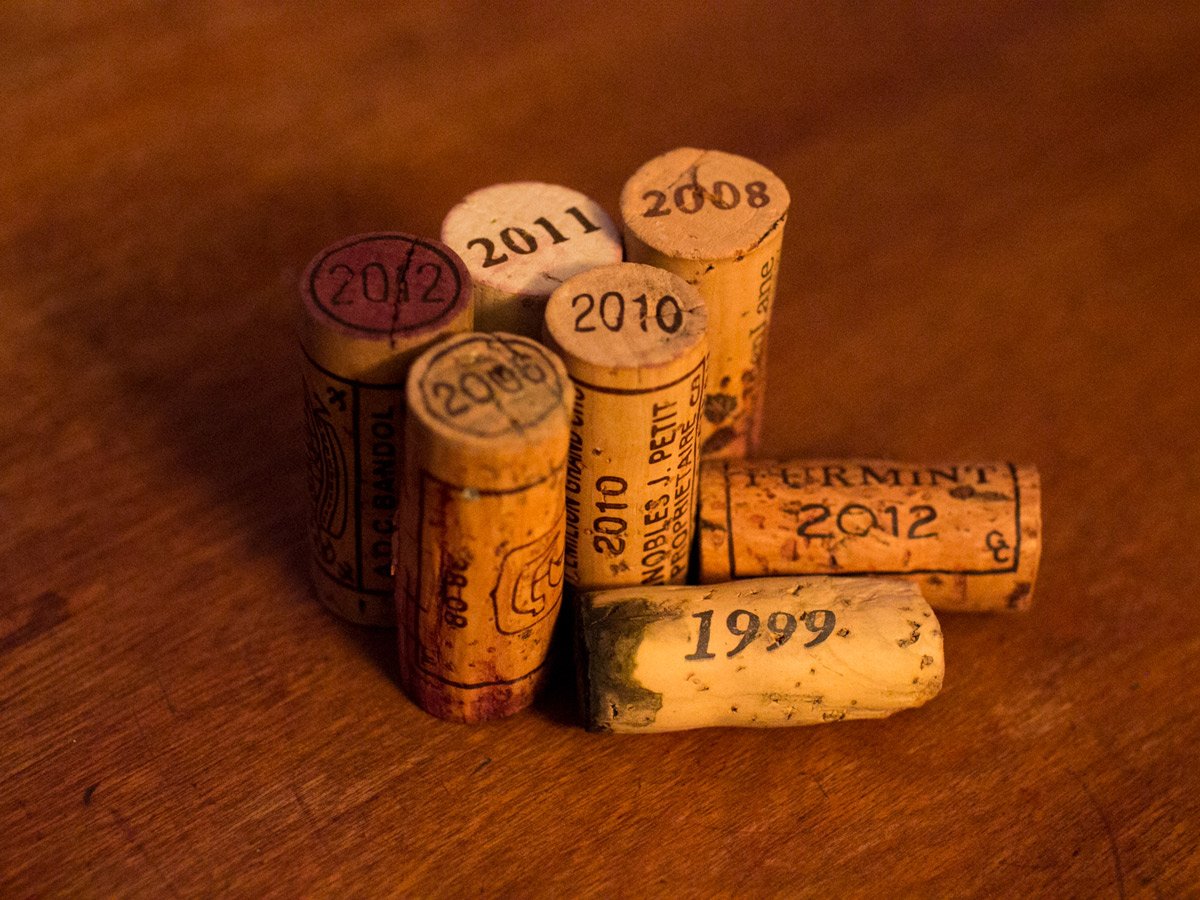
The concept of vintage wine is one that requires a bit of understanding, as it isn’t just a marketing term but a reflection of the complex interplay of nature, time, and human intervention in the winemaking process. In this article, we will explore the significance of wine vintages, the reasons behind the variations in wine quality from one year to the next, and the science and art that make certain vintages stand out.


1. The Role of Weather: The Backbone of Every Vintage

The most significant factor that determines a wine’s quality is the climate of the year it was produced. Each vintage is influenced by the weather conditions experienced by the grapevines throughout the growing season. A cool spring, a dry summer, or an unexpected late-season frost can all leave a distinct mark on the flavor of the wine.

Seasonal Variations

Winemakers often talk about the “growing season,” which starts when the vines bud in the spring and ends with the harvest in the fall. Weather during this period dictates everything from the size of the grape crop to the balance of sugar and acidity in the grapes.

  • Cooler Seasons: In cooler years, the slower ripening process of the grapes can result in wines with higher acidity, making them more refreshing and vibrant. These wines are often well-structured and have a great aging potential.
  • Hotter Seasons: In hotter years, grapes tend to ripen more quickly, producing wines with a higher alcohol content and richer, fruitier flavors. These wines might be more accessible early on but can sometimes lack the balance and finesse of wines made in cooler conditions.

Rainfall and Harvest Timing

Excessive rain can cause dilution of the grape’s flavors, while a drought can lead to smaller but more concentrated berries. The timing of the harvest also plays a role: harvesting too early may result in under-ripe grapes, while harvesting too late can mean overripe grapes, leading to a lack of freshness. Great vintages come from a perfect harmony of the right amount of rain, sun, and the winemaker’s careful decision on the optimal harvest time.


2. Terroir: The Silent Architect of Flavor

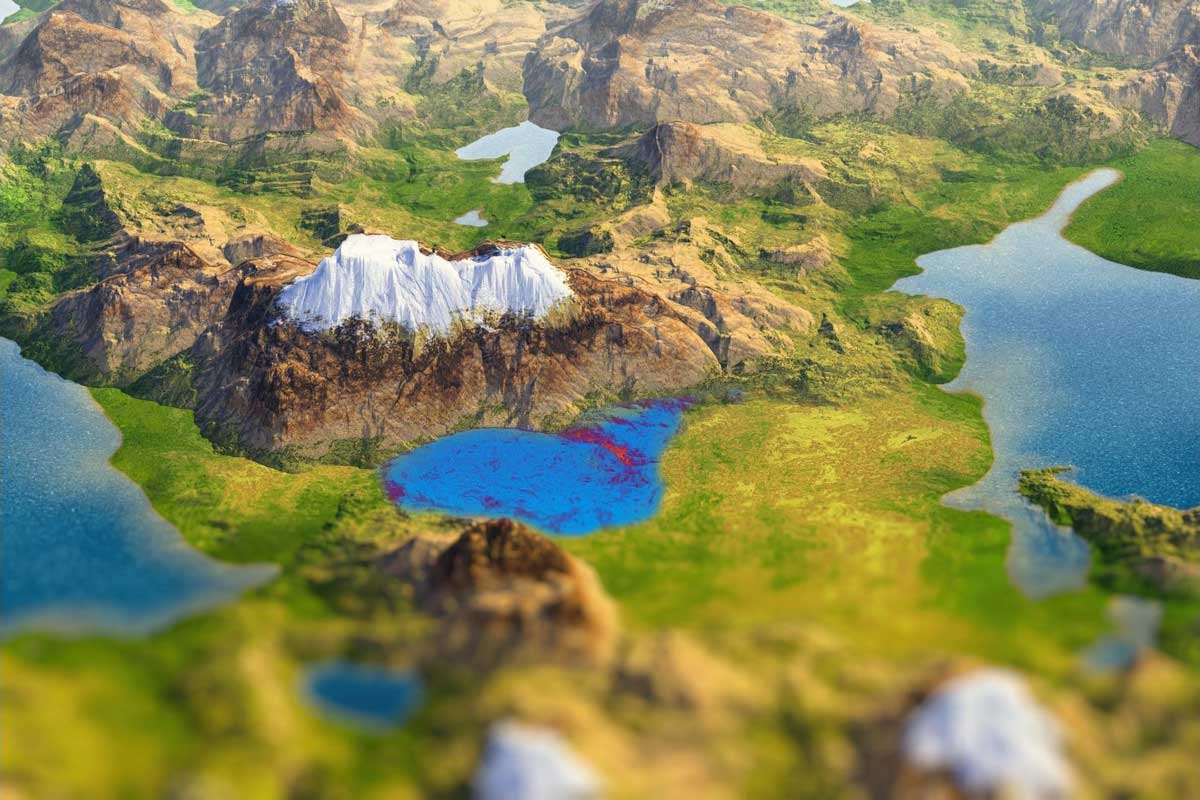
The term terroir refers to the unique combination of environmental factors that influence the taste of wine, including soil composition, topography, and the climate of the region. While each vintage brings its own set of challenges, the concept of terroir ensures that each vineyard’s unique characteristics remain a constant presence in every bottle of wine.

The best wineries to visit in Bordeaux in 2025 - Lost in Bordeaux

Soil Composition

Different soils retain moisture, heat, and nutrients in varying ways. For example, clay-rich soils can help retain moisture during dry years, while gravel soils allow for better drainage in wet years. The soil also affects the root system of the vines, leading to differences in grape quality from one vineyard to another.

A good example of this is the terroir of Bordeaux, where vineyards along the left bank (Medoc) tend to have gravelly soils ideal for Cabernet Sauvignon, while the right bank (Saint-Emilion) has more clay-limestone soils that are better suited for Merlot. The way the soil interacts with the vines can significantly impact the flavor of the wine, and these nuances are emphasized in particular vintages, depending on the conditions of that year.

Elevation and Aspect

The topography of a vineyard can influence how much sunlight the vines receive, how quickly they dry after rainfall, and how well the grapes ripen. Vines planted at higher elevations often experience cooler nights, preserving acidity and freshness in the grapes, which can result in wines with greater complexity and aging potential. On the other hand, vineyards that face south (in the Northern Hemisphere) tend to receive more sunlight, producing wines with more ripeness and richer fruit flavors.


3. Winemaking Decisions: The Human Factor

While nature plays a massive role in shaping the outcome of a vintage, the winemaker’s decisions are equally important. From the moment the grapes are harvested to the time the wine is bottled, the choices made in the cellar have a direct influence on the final product.

Fermentation Techniques

Fermentation is a critical stage in winemaking. The decision of whether to ferment the wine in stainless steel tanks, oak barrels, or concrete eggs can have a massive impact on the wine’s flavor profile. Wines made from specific vintages often undergo different fermentation processes to adapt to the conditions of that year.

In hot years, for example, winemakers may opt for shorter maceration times to avoid over-extraction of tannins, while cooler years may see longer maceration for deeper color and more complex flavors. Similarly, winemakers might use more oak barrels in a vintage with more ripe fruit to enhance the wine’s structure and texture.

Aging Potential

A key element in the appeal of certain vintages is their aging potential. Some wines, especially reds like Bordeaux or Burgundy, are known to improve with age. This is particularly true for vintages where the balance between acidity, tannins, and fruit is just right. A wine that is too young may taste too acidic or tannic, while one that is too old may lose its freshness and vibrancy.

Vintage wines with strong aging potential often have the right balance between these components, allowing them to evolve gracefully over decades, developing more complex flavors and aromas as they mature.


4. The Impact of Harvesting Techniques
Terroir Wine - What Is Terroir And How Can Affect Wine?

The harvesting process can vary significantly depending on the winemaker’s philosophy and the specific conditions of the vintage. Hand-harvesting, though labor-intensive, is often preferred for high-quality wines as it allows the winemaker to select only the best grapes and avoid any damaged fruit. Mechanical harvesting, while more efficient, can lead to uneven quality in the grapes.

In particularly challenging vintages, where the weather has affected the crop, many winemakers will make multiple passes through the vineyard to pick only the best grapes. This careful selection is essential for creating wines that reflect the best of a particular vintage.


5. Exceptional Vintages: A Case Study of Renowned Years

Some vintages are universally recognized as exceptional, and these years are often the most sought after by collectors and investors. What sets these vintages apart is a near-perfect alignment of all the factors discussed above.

1976 Bordeaux – The Vintage of the Century?

One such vintage is the legendary 1976 Bordeaux, which received global acclaim after a famous blind tasting in Paris, known as the “Judgment of Paris.” Despite the hot weather and challenging conditions of the year, the wine from this vintage was exceptional, showcasing the power of terroir and careful winemaking decisions to transcend adversity. The 1976 Bordeaux is still considered one of the finest expressions of the region, and its wines continue to age beautifully.

2009 and 2010 – The Best of Both Worlds in Bordeaux and Burgundy

The 2009 and 2010 vintages in Bordeaux and Burgundy are another example of perfect harmony between nature and winemaking. In Bordeaux, 2009 was a year marked by optimal conditions, with sunny days and cool nights, leading to ripe, yet balanced grapes. The wines from this year are already drinking beautifully, with soft tannins and rich fruit flavors. Meanwhile, 2010 saw slightly cooler conditions, but the resulting wines are more structured, with a potential for long aging.


6. Why Vintage Matters to Wine Lovers

For wine collectors and enthusiasts, the vintage is often one of the most important factors in choosing a bottle. A wine from a great vintage can be seen as a reflection of the winemaker’s skill in capturing the unique qualities of that year’s harvest. The wine itself can offer a snapshot of the year it was produced—its weather, the growing conditions, and the artistry behind its creation.

Moreover, wines from exceptional vintages can be a rewarding investment, as they often improve in value over time due to their scarcity and perceived quality. This is especially true for rare, highly rated wines from famous regions like Bordeaux, Burgundy, and Napa Valley.


Conclusion: A Symphony of Nature and Nurture

At the end of the day, the appeal of a wine from a specific vintage is due to the intricate blend of factors that influence its creation. From the weather that shapes the grapes to the decisions made by the winemaker, every vintage tells a unique story. A great vintage is a perfect storm of nature and nurture—one that produces wines of exceptional quality and character. So, whether you’re a casual wine drinker or a seasoned connoisseur, understanding the importance of vintages can enrich your wine experience and make your next bottle even more enjoyable.

Tags: terroirvintage Champagnewine pairingwine regions
ShareTweetShare

Related Posts

Can Beer Be an Effective Ingredient in Culinary Cooking?
ALL

Can Beer Be an Effective Ingredient in Culinary Cooking?

January 22, 2026
Second Fermentation in Champagne: Is It Really That Crucial?
ALL

Second Fermentation in Champagne: Is It Really That Crucial?

January 22, 2026
How Do Different Grains Impact the Flavor Profile of Distilled Spirits?
ALL

How Do Different Grains Impact the Flavor Profile of Distilled Spirits?

January 22, 2026
How Do Whiskey Master Blenders Create Perfection?
ALL

How Do Whiskey Master Blenders Create Perfection?

January 22, 2026
Wine Pairings: Can They Change the Flavor Profile of a Dish?
ALL

Wine Pairings: Can They Change the Flavor Profile of a Dish?

January 22, 2026
Beer the Ultimate Beverage for Pairing with Spicy Food?
ALL

Beer the Ultimate Beverage for Pairing with Spicy Food?

January 21, 2026
Leave Comment
  • Trending
  • Comments
  • Latest
What Hidden Craftsmanship Lies Behind a Bottle of Quality Grain Spirits?

What Hidden Craftsmanship Lies Behind a Bottle of Quality Grain Spirits?

July 3, 2025
How Is Champagne Made? The Secrets Behind the Sparkle

How Is Champagne Made? The Secrets Behind the Sparkle

April 15, 2025
Grain Spirits vs. Traditional Distilled Spirits: Which One Suits Your Taste?

Grain Spirits vs. Traditional Distilled Spirits: Which One Suits Your Taste?

July 3, 2025
Champagne Bubbles: How Do They Perfectly Convey Celebration, Joy, and Luxury?

Champagne Bubbles: How Do They Perfectly Convey Celebration, Joy, and Luxury?

July 2, 2025
The Timeless Elegance of Wine: A Journey Through History and Culture

The Timeless Elegance of Wine: A Journey Through History and Culture

Why Is Château Lafite Rothschild the Pinnacle of Fine Wine?

Why Is Château Lafite Rothschild the Pinnacle of Fine Wine?

How Did Château Lafite Rothschild Become a Global Icon of Luxury?

How Did Château Lafite Rothschild Become a Global Icon of Luxury?

What Makes Chateau Lafite Rothschild the Pinnacle of Bordeaux Wines?

What Makes Chateau Lafite Rothschild the Pinnacle of Bordeaux Wines?

Can Beer Be an Effective Ingredient in Culinary Cooking?

Can Beer Be an Effective Ingredient in Culinary Cooking?

January 22, 2026
Second Fermentation in Champagne: Is It Really That Crucial?

Second Fermentation in Champagne: Is It Really That Crucial?

January 22, 2026
How Do Different Grains Impact the Flavor Profile of Distilled Spirits?

How Do Different Grains Impact the Flavor Profile of Distilled Spirits?

January 22, 2026
How Do Whiskey Master Blenders Create Perfection?

How Do Whiskey Master Blenders Create Perfection?

January 22, 2026
SipsavorLife

Welcome to our comprehensive beverage guide, where you can explore the fascinating world of alcoholic drinks. From exquisite wines and rich whiskeys to refreshing beers and sparkling champagnes, we provide insights, tips, and recommendations for enthusiasts and casual drinkers alike. Discover your next favorite libation with us!

© 2025 sipsavorlife.com. contacts:sipsavorlife-35376@gmail.com

No Result
View All Result
  • Home
  • Wine
  • Whiskey
  • Beer
  • Grain Spirits
  • Champagne
  • ALL

© 2025 sipsavorlife.com. contacts:sipsavorlife-35376@gmail.com

Welcome Back!

Login to your account below

Forgotten Password?

Retrieve your password

Please enter your username or email address to reset your password.

Log In