






























SipsavorLife
  • Home
  • Wine
    The History, Culture, and Global Influence of Humanity’s Most Celebrated Beverage

    The Wine Revolution: How Modern Winemaking Transformed a Global Industry

    The History, Culture, and Global Influence of Humanity’s Most Celebrated Beverage

    Wine Styles of the World: A Complete Guide to Red, White, Rosé, Sparkling, and Fortified Wines

    The History, Culture, and Global Influence of Humanity’s Most Celebrated Beverage

    The Global Wine Industry: Markets, Trade, Tourism, and Economic Impact

    The History, Culture, and Global Influence of Humanity’s Most Celebrated Beverage

    The Science of Wine: Grapes, Fermentation, and Flavor Development

    The History, Culture, and Global Influence of Humanity’s Most Celebrated Beverage

    The History, Culture, and Global Influence of Humanity’s Most Celebrated Beverage

    The Cultural History of Wine: From Ancient Rituals to Modern Luxury

    The Psychology of Wine: Why Humans Associate Wine with Emotion, Memory, and Identity

  • Whiskey
    Can Beer Be an Effective Ingredient in Culinary Cooking?

    Can Beer Be an Effective Ingredient in Culinary Cooking?

    Second Fermentation in Champagne: Is It Really That Crucial?

    Second Fermentation in Champagne: Is It Really That Crucial?

    How Do Different Grains Impact the Flavor Profile of Distilled Spirits?

    How Do Different Grains Impact the Flavor Profile of Distilled Spirits?

    How Do Whiskey Master Blenders Create Perfection?

    How Do Whiskey Master Blenders Create Perfection?

    Wine Pairings: Can They Change the Flavor Profile of a Dish?

    Wine Pairings: Can They Change the Flavor Profile of a Dish?

    Beer the Ultimate Beverage for Pairing with Spicy Food?

    Beer the Ultimate Beverage for Pairing with Spicy Food?

  • Beer
    Malt Beer: Why Does Its Sweet Malty Aroma Always Bring Endless Satisfaction?

    The Craft Beer Revolution: How Independent Breweries Changed the World of Beer

    Beer: The World’s Oldest and Most Influential Beverage

    Beer Styles of the World: A Complete Guide to Lager, Ale, Stout, IPA, and Beyond

    Beer: The World’s Oldest and Most Influential Beverage

    The Global Beer Industry: Markets, Brands, and Economic Impact

    Beer: The World’s Oldest and Most Influential Beverage

    The Science of Beer: Ingredients, Fermentation, and Flavor

    Beer: The World’s Oldest and Most Influential Beverage

    Beer: The World’s Oldest and Most Influential Beverage

    Beer as a Cultural and Social Force: From Ancient Brew to Modern Identity

    Women in Brewing: The Untold History and Modern Transformation of Beer Culture

  • Grain Spirits
    Grain Spirits: The Origins, Science, and Global Evolution of Distilled Grain Alcohol

    Bourbon: America’s Native Grain Spirit and the Global Story of Corn, Oak, Fire, and Time

    Grain Spirits: The Origins, Science, and Global Evolution of Distilled Grain Alcohol

    Gin: Botanicals, History, Cocktail Culture, and the Artistic Evolution of the World’s Most Aromatic Grain Spirit

    Grain Spirits: The Origins, Science, and Global Evolution of Distilled Grain Alcohol

    Vodka: The Global Rise of the World’s Most Versatile Grain Spirit

    Grain Spirits: The Origins, Science, and Global Evolution of Distilled Grain Alcohol

    Whiskey and the Soul of Grain Spirits: History, Craftsmanship, Culture, and the Global Rise of the World’s Most Iconic Distilled Grain Beverage

    Grain Spirits: The Origins, Science, and Global Evolution of Distilled Grain Alcohol

    Grain Spirits: The Origins, Science, and Global Evolution of Distilled Grain Alcohol

    Grain Spirits Explained — The Foundation of Global Distillation

    The Future of Grain Spirits — Technology, Sustainability, and the Next Era of Distillation

  • Champagne
    Champagne: The Sparkling Wine That Changed Global Celebration Culture

    Dom Pérignon, Cristal, Krug, and Beyond: The World’s Most Famous Champagne Houses and Their Legacy

    Champagne Beyond Celebration: The History, Craftsmanship, and Global Influence of the World’s Most Iconic Sparkling Wine

    The Future of Champagne: Climate Change, Innovation, Sustainability, and the Next Era of Sparkling Wine

    Champagne Beyond Celebration: The History, Craftsmanship, and Global Influence of the World’s Most Iconic Sparkling Wine

    Champagne and Luxury Culture: How Sparkling Wine Became a Global Symbol of Wealth, Celebration, and Prestige

    Champagne Beyond Celebration: The History, Craftsmanship, and Global Influence of the World’s Most Iconic Sparkling Wine

    The Art of Champagne Production: Inside the Science, Skill, and Tradition Behind Every Bottle

    Champagne Beyond Celebration: The History, Craftsmanship, and Global Influence of the World’s Most Iconic Sparkling Wine

    Champagne Beyond Celebration: The History, Craftsmanship, and Global Influence of the World’s Most Iconic Sparkling Wine

    Champagne: The Sparkling Wine That Changed Global Celebration Culture

    Champagne vs Prosecco vs Cava: How the World’s Sparkling Wines Reflect Culture, Geography, and Taste

  • ALL
    Can Beer Be an Effective Ingredient in Culinary Cooking?

    Can Beer Be an Effective Ingredient in Culinary Cooking?

    Second Fermentation in Champagne: Is It Really That Crucial?

    Second Fermentation in Champagne: Is It Really That Crucial?

    How Do Different Grains Impact the Flavor Profile of Distilled Spirits?

    How Do Different Grains Impact the Flavor Profile of Distilled Spirits?

    How Do Whiskey Master Blenders Create Perfection?

    How Do Whiskey Master Blenders Create Perfection?

    Wine Pairings: Can They Change the Flavor Profile of a Dish?

    Wine Pairings: Can They Change the Flavor Profile of a Dish?

    Beer the Ultimate Beverage for Pairing with Spicy Food?

    Beer the Ultimate Beverage for Pairing with Spicy Food?

SipsavorLife
  • Home
  • Wine
    The History, Culture, and Global Influence of Humanity’s Most Celebrated Beverage

    The Wine Revolution: How Modern Winemaking Transformed a Global Industry

    The History, Culture, and Global Influence of Humanity’s Most Celebrated Beverage

    Wine Styles of the World: A Complete Guide to Red, White, Rosé, Sparkling, and Fortified Wines

    The History, Culture, and Global Influence of Humanity’s Most Celebrated Beverage

    The Global Wine Industry: Markets, Trade, Tourism, and Economic Impact

    The History, Culture, and Global Influence of Humanity’s Most Celebrated Beverage

    The Science of Wine: Grapes, Fermentation, and Flavor Development

    The History, Culture, and Global Influence of Humanity’s Most Celebrated Beverage

    The History, Culture, and Global Influence of Humanity’s Most Celebrated Beverage

    The Cultural History of Wine: From Ancient Rituals to Modern Luxury

    The Psychology of Wine: Why Humans Associate Wine with Emotion, Memory, and Identity

  • Whiskey
    Can Beer Be an Effective Ingredient in Culinary Cooking?

    Can Beer Be an Effective Ingredient in Culinary Cooking?

    Second Fermentation in Champagne: Is It Really That Crucial?

    Second Fermentation in Champagne: Is It Really That Crucial?

    How Do Different Grains Impact the Flavor Profile of Distilled Spirits?

    How Do Different Grains Impact the Flavor Profile of Distilled Spirits?

    How Do Whiskey Master Blenders Create Perfection?

    How Do Whiskey Master Blenders Create Perfection?

    Wine Pairings: Can They Change the Flavor Profile of a Dish?

    Wine Pairings: Can They Change the Flavor Profile of a Dish?

    Beer the Ultimate Beverage for Pairing with Spicy Food?

    Beer the Ultimate Beverage for Pairing with Spicy Food?

  • Beer
    Malt Beer: Why Does Its Sweet Malty Aroma Always Bring Endless Satisfaction?

    The Craft Beer Revolution: How Independent Breweries Changed the World of Beer

    Beer: The World’s Oldest and Most Influential Beverage

    Beer Styles of the World: A Complete Guide to Lager, Ale, Stout, IPA, and Beyond

    Beer: The World’s Oldest and Most Influential Beverage

    The Global Beer Industry: Markets, Brands, and Economic Impact

    Beer: The World’s Oldest and Most Influential Beverage

    The Science of Beer: Ingredients, Fermentation, and Flavor

    Beer: The World’s Oldest and Most Influential Beverage

    Beer: The World’s Oldest and Most Influential Beverage

    Beer as a Cultural and Social Force: From Ancient Brew to Modern Identity

    Women in Brewing: The Untold History and Modern Transformation of Beer Culture

  • Grain Spirits
    Grain Spirits: The Origins, Science, and Global Evolution of Distilled Grain Alcohol

    Bourbon: America’s Native Grain Spirit and the Global Story of Corn, Oak, Fire, and Time

    Grain Spirits: The Origins, Science, and Global Evolution of Distilled Grain Alcohol

    Gin: Botanicals, History, Cocktail Culture, and the Artistic Evolution of the World’s Most Aromatic Grain Spirit

    Grain Spirits: The Origins, Science, and Global Evolution of Distilled Grain Alcohol

    Vodka: The Global Rise of the World’s Most Versatile Grain Spirit

    Grain Spirits: The Origins, Science, and Global Evolution of Distilled Grain Alcohol

    Whiskey and the Soul of Grain Spirits: History, Craftsmanship, Culture, and the Global Rise of the World’s Most Iconic Distilled Grain Beverage

    Grain Spirits: The Origins, Science, and Global Evolution of Distilled Grain Alcohol

    Grain Spirits: The Origins, Science, and Global Evolution of Distilled Grain Alcohol

    Grain Spirits Explained — The Foundation of Global Distillation

    The Future of Grain Spirits — Technology, Sustainability, and the Next Era of Distillation

  • Champagne
    Champagne: The Sparkling Wine That Changed Global Celebration Culture

    Dom Pérignon, Cristal, Krug, and Beyond: The World’s Most Famous Champagne Houses and Their Legacy

    Champagne Beyond Celebration: The History, Craftsmanship, and Global Influence of the World’s Most Iconic Sparkling Wine

    The Future of Champagne: Climate Change, Innovation, Sustainability, and the Next Era of Sparkling Wine

    Champagne Beyond Celebration: The History, Craftsmanship, and Global Influence of the World’s Most Iconic Sparkling Wine

    Champagne and Luxury Culture: How Sparkling Wine Became a Global Symbol of Wealth, Celebration, and Prestige

    Champagne Beyond Celebration: The History, Craftsmanship, and Global Influence of the World’s Most Iconic Sparkling Wine

    The Art of Champagne Production: Inside the Science, Skill, and Tradition Behind Every Bottle

    Champagne Beyond Celebration: The History, Craftsmanship, and Global Influence of the World’s Most Iconic Sparkling Wine

    Champagne Beyond Celebration: The History, Craftsmanship, and Global Influence of the World’s Most Iconic Sparkling Wine

    Champagne: The Sparkling Wine That Changed Global Celebration Culture

    Champagne vs Prosecco vs Cava: How the World’s Sparkling Wines Reflect Culture, Geography, and Taste

  • ALL
    Can Beer Be an Effective Ingredient in Culinary Cooking?

    Can Beer Be an Effective Ingredient in Culinary Cooking?

    Second Fermentation in Champagne: Is It Really That Crucial?

    Second Fermentation in Champagne: Is It Really That Crucial?

    How Do Different Grains Impact the Flavor Profile of Distilled Spirits?

    How Do Different Grains Impact the Flavor Profile of Distilled Spirits?

    How Do Whiskey Master Blenders Create Perfection?

    How Do Whiskey Master Blenders Create Perfection?

    Wine Pairings: Can They Change the Flavor Profile of a Dish?

    Wine Pairings: Can They Change the Flavor Profile of a Dish?

    Beer the Ultimate Beverage for Pairing with Spicy Food?

    Beer the Ultimate Beverage for Pairing with Spicy Food?

SipsavorLife
No Result
View All Result
Home ALL

The Science Behind the ‘Bubble Size’ in Champagne

January 21, 2026
in ALL, Champagne
The Science Behind the ‘Bubble Size’ in Champagne

Champagne, the drink of celebration and luxury, is synonymous with bubbles. The effervescence of a glass of Champagne—its fine, lively bubbles—plays a crucial role not just in its appearance but in how it tastes, smells, and even how it feels as it dances across your tongue. But have you ever wondered about the science behind these bubbles? Specifically, why are Champagne bubbles different from those in, say, a beer or a glass of sparkling water? What causes the differences in bubble size, and why does this matter to the Champagne’s flavor and mouthfeel? In this article, we’ll explore the science of Champagne bubbles, from their formation to their impact on the drinking experience, and uncover some fascinating facts about the science behind the ‘bubble size’ in Champagne.

The Formation of Champagne Bubbles

To understand the science behind Champagne bubbles, we first need to talk about how they form. Champagne is produced through a process called secondary fermentation. After the initial fermentation, the wine is bottled with a small amount of sugar and yeast. This second fermentation creates carbon dioxide, which dissolves in the wine under pressure. When you open a bottle of Champagne, the release of pressure allows the gas to escape in the form of tiny bubbles.

These bubbles are essentially pockets of gas that were dissolved in the wine. In theory, when the bottle is sealed, the carbon dioxide is forced into solution due to the high pressure inside the bottle. The yeast also creates byproducts like acetaldehyde and other organic compounds, contributing to Champagne’s complex flavor profile. But it’s the bubbles that get the most attention from enthusiasts and scientists alike.

The size of the bubbles in Champagne is influenced by several factors, all of which play a role in its texture, aroma, and taste. Let’s break down the key aspects that affect bubble size and formation.

Surface Tension and Nucleation Sites

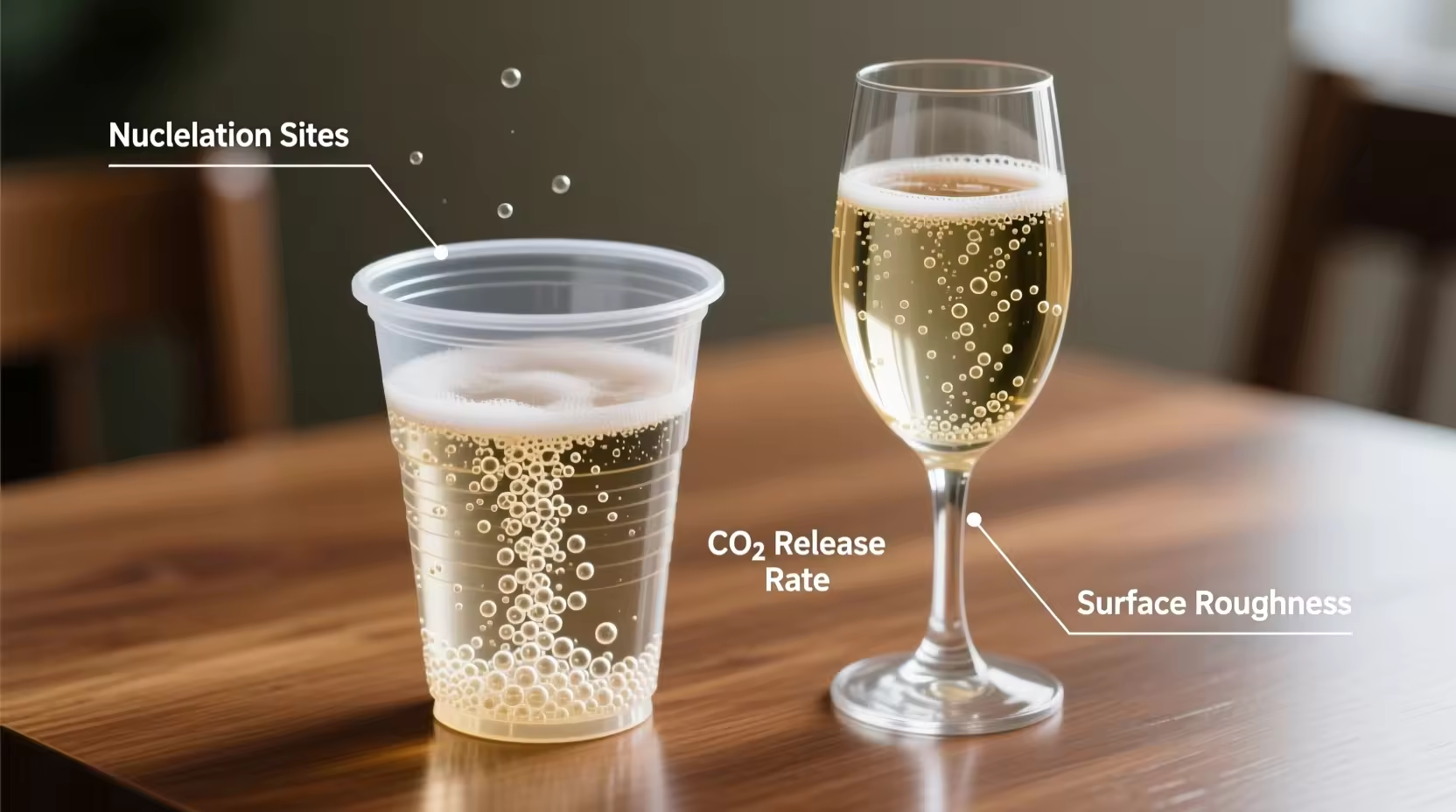
One of the most important factors in bubble formation is surface tension. In Champagne, bubbles don’t just form randomly. They need a surface to form on, and this surface is called a “nucleation site.” Nucleation sites are tiny imperfections or particles in the glass or the liquid itself. These can be microscopic scratches on the surface of the glass, bits of dust, or even yeast residues from the fermentation process.

These imperfections provide a place for the carbon dioxide gas to gather and form a bubble. The size of the bubbles depends on how easily the gas can accumulate and escape. In general, the more nucleation sites there are, the smaller and more numerous the bubbles will be. When you pour Champagne into a glass, you’ll notice that the bubbles often rise in streams from certain points in the glass, indicating the presence of these nucleation sites.

Why Does Champagne Have Bubbles? Carbonation Explained | LoveToKnow

But what about the glass itself? The shape of the glass also plays a key role in how bubbles form and behave. The traditional Champagne flute, with its long, narrow bowl, helps concentrate the bubbles and creates a visually appealing cascade. This narrow shape forces the gas to travel a longer distance, resulting in smaller, more persistent bubbles.

On the other hand, a wider glass like a coupe may encourage larger, less stable bubbles due to the reduced surface area for nucleation. The shape of the glass can thus subtly influence the appearance and mouthfeel of Champagne, making it a key factor in enjoying the drink to its fullest.

The Role of Pressure in Bubble Size

The pressure inside the Champagne bottle also affects bubble formation. Champagne is typically bottled at a pressure of around 5-6 atmospheres, which is equivalent to the pressure found in a typical car tire. This high pressure forces the carbon dioxide to dissolve in the liquid. When the bottle is opened, this pressure is released, and the dissolved carbon dioxide escapes in the form of bubbles.

However, not all bubbles are created equal. Larger bubbles generally form when there is a rapid release of gas, often due to a large nucleation site or a burst of gas from a small area. Smaller bubbles, on the other hand, form more gradually, with gas escaping in a slower, more controlled manner.

Interestingly, Champagne producers take great care to control the pressure during the fermentation and bottling process. This pressure is key not only to the formation of bubbles but also to the flavor profile of the Champagne. A higher pressure leads to smaller, finer bubbles, while lower pressure results in larger, more aggressive bubbles. This is why the level of carbonation is often discussed in tasting notes, as the texture of Champagne plays a huge role in the overall drinking experience.

The Effect of Yeast and Fermentation

Yeast, the microorganism responsible for fermentation, also plays a crucial role in the bubble size of Champagne. During secondary fermentation, the yeast consumes the sugar added to the bottle and produces carbon dioxide as a byproduct. This CO2 is what forms the bubbles in the Champagne.

The type of yeast used can have a subtle but noticeable effect on the size and persistence of bubbles. For example, certain strains of yeast produce smaller, finer bubbles, while others may create slightly larger bubbles with a more pronounced fizz. The length of time the Champagne spends fermenting and the temperature at which it is stored can also influence bubble formation.

Longer fermentation times tend to produce smaller, more delicate bubbles, while quicker fermentations may result in larger bubbles. This is one of the reasons why vintage Champagnes, which undergo longer aging periods, often have more refined bubbles compared to non-vintage bottles.

The Chemical Makeup of Champagne

The chemical composition of Champagne also plays a part in the size and behavior of its bubbles. The wine’s acidity, for example, influences how carbon dioxide interacts with the liquid. Higher acidity allows the carbon dioxide to stay dissolved longer, leading to smaller, finer bubbles. In contrast, lower acidity allows the gas to escape more quickly, which can result in larger bubbles.
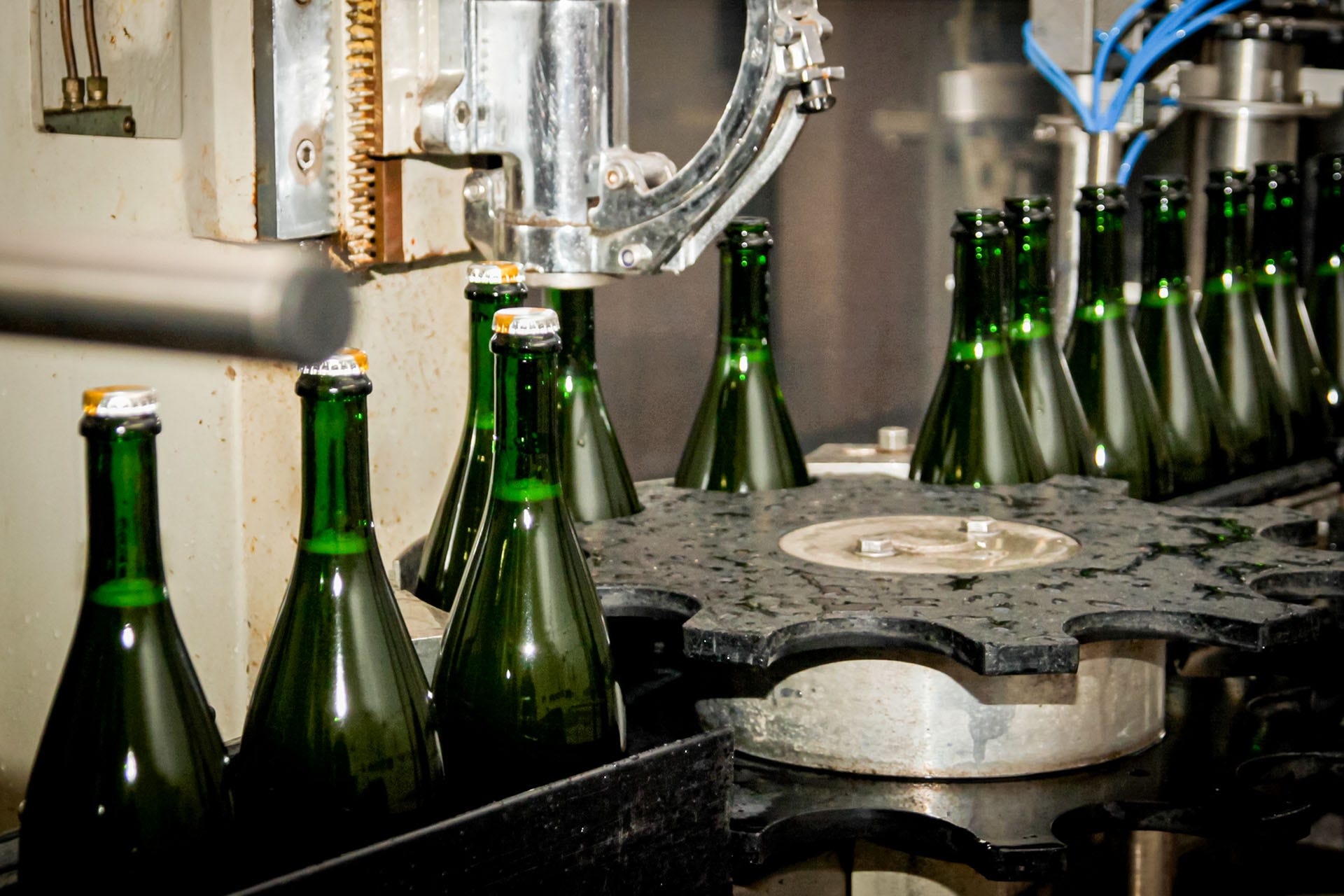
A Lesser-Seen Closure in Sparkling Wine | Wine Enthusiast

Similarly, the presence of other dissolved compounds, such as sugars and amino acids, can affect the stability of the bubbles. Sugars, for instance, help stabilize bubbles, allowing them to persist for longer periods of time.

The influence of acidity and chemical composition is one reason why Champagne is often described as having a “clean” or “crisp” taste. The fine bubbles enhance the overall freshness of the drink, contributing to its signature mouthfeel.

How Bubble Size Affects the Champagne Experience

The size of the bubbles in Champagne can have a dramatic impact on the overall drinking experience. Smaller, finer bubbles are generally considered more desirable because they create a smoother, more refined mouthfeel. These delicate bubbles are less likely to cause a sharp, fizzy sensation on the tongue and are more likely to deliver a creamy, velvety texture that enhances the complexity of the Champagne’s flavor.

Larger bubbles, on the other hand, tend to create a more pronounced effervescence that can sometimes be perceived as overly aggressive or “rough.” These bubbles tend to pop more quickly, which can lead to a less refined texture and may overpower the subtler flavors of the wine. While larger bubbles are sometimes associated with cheaper sparkling wines, some Champagne producers intentionally use slightly larger bubbles to create a more robust, lively drinking experience.

The bubbles also play a significant role in releasing the Champagne’s aromas. As the bubbles rise to the surface, they carry volatile compounds—such as esters and aldehydes—up to your nose, where they contribute to the overall aromatic profile of the wine. Smaller bubbles release these compounds more gradually, allowing for a more subtle, nuanced aroma, while larger bubbles tend to release them more quickly, creating a more intense, punchy fragrance.

Why Smaller Bubbles Are a Sign of Quality

The perception that smaller bubbles are a sign of higher-quality Champagne is not just a matter of aesthetics. Small bubbles indicate a slow, controlled release of carbon dioxide, which is generally the result of longer fermentation times and careful production methods. These bubbles also create a finer, smoother mouthfeel, which is often associated with higher-end Champagnes.

Champagnes with smaller bubbles often have a more refined, elegant character, while those with larger bubbles can feel more effervescent and youthful. The bubble size can also indicate how long the Champagne has spent aging on its lees (the dead yeast cells left over from fermentation). The longer the aging process, the finer the bubbles tend to be, as the yeast breaks down more gradually and creates smaller gas pockets.

Conclusion: The Importance of Bubble Size in Champagne

In the world of Champagne, the size of the bubbles is far more than just a visual characteristic. It’s a reflection of the wine’s production process, its aging potential, and even its taste. Smaller bubbles generally indicate a smoother, more refined texture, while larger bubbles offer a more lively, effervescent experience. The science behind bubble size in Champagne is a fascinating interplay of pressure, yeast, surface tension, and chemical composition, all of which contribute to the final product’s texture, aroma, and mouthfeel.

For Champagne enthusiasts, understanding the science of bubbles adds another layer of appreciation for this sparkling beverage. The next time you pop open a bottle, take a moment to appreciate the delicate stream of fine bubbles rising in your glass, knowing that they are the result of years of tradition, meticulous craftsmanship, and a little bit of science.


Tags: champagneChampagne productionsparkling wineyeast
ShareTweetShare

Related Posts

Champagne: The Sparkling Wine That Changed Global Celebration Culture
Champagne

Dom Pérignon, Cristal, Krug, and Beyond: The World’s Most Famous Champagne Houses and Their Legacy

May 27, 2026
Champagne Beyond Celebration: The History, Craftsmanship, and Global Influence of the World’s Most Iconic Sparkling Wine
Champagne

The Future of Champagne: Climate Change, Innovation, Sustainability, and the Next Era of Sparkling Wine

May 27, 2026
Champagne Beyond Celebration: The History, Craftsmanship, and Global Influence of the World’s Most Iconic Sparkling Wine
Champagne

Champagne and Luxury Culture: How Sparkling Wine Became a Global Symbol of Wealth, Celebration, and Prestige

May 27, 2026
Champagne Beyond Celebration: The History, Craftsmanship, and Global Influence of the World’s Most Iconic Sparkling Wine
Champagne

The Art of Champagne Production: Inside the Science, Skill, and Tradition Behind Every Bottle

May 27, 2026
Champagne Beyond Celebration: The History, Craftsmanship, and Global Influence of the World’s Most Iconic Sparkling Wine
Champagne

Champagne Beyond Celebration: The History, Craftsmanship, and Global Influence of the World’s Most Iconic Sparkling Wine

May 27, 2026
Champagne: The Sparkling Wine That Changed Global Celebration Culture
Champagne

Champagne vs Prosecco vs Cava: How the World’s Sparkling Wines Reflect Culture, Geography, and Taste

May 24, 2026
Leave Comment
  • Trending
  • Comments
  • Latest
Role of Terroir in Champagne Production

Role of Terroir in Champagne Production

January 19, 2026
Champagne Can Be Aged in Wood?

Champagne Can Be Aged in Wood?

January 18, 2026
Is Organic Wine Healthier Than Conventional Wine?

Is Organic Wine Healthier Than Conventional Wine?

January 20, 2026
Why Do Some Champagnes Use a High Proportion of Pinot Meunier?

Why Do Some Champagnes Use a High Proportion of Pinot Meunier?

January 20, 2026
The Timeless Elegance of Wine: A Journey Through History and Culture

The Timeless Elegance of Wine: A Journey Through History and Culture

Why Is Château Lafite Rothschild the Pinnacle of Fine Wine?

Why Is Château Lafite Rothschild the Pinnacle of Fine Wine?

How Did Château Lafite Rothschild Become a Global Icon of Luxury?

How Did Château Lafite Rothschild Become a Global Icon of Luxury?

What Makes Chateau Lafite Rothschild the Pinnacle of Bordeaux Wines?

What Makes Chateau Lafite Rothschild the Pinnacle of Bordeaux Wines?

The History, Culture, and Global Influence of Humanity’s Most Celebrated Beverage

The Wine Revolution: How Modern Winemaking Transformed a Global Industry

June 3, 2026
The History, Culture, and Global Influence of Humanity’s Most Celebrated Beverage

Wine Styles of the World: A Complete Guide to Red, White, Rosé, Sparkling, and Fortified Wines

June 3, 2026
The History, Culture, and Global Influence of Humanity’s Most Celebrated Beverage

The Global Wine Industry: Markets, Trade, Tourism, and Economic Impact

June 3, 2026
The History, Culture, and Global Influence of Humanity’s Most Celebrated Beverage

The Science of Wine: Grapes, Fermentation, and Flavor Development

June 3, 2026
SipsavorLife

Welcome to our comprehensive beverage guide, where you can explore the fascinating world of alcoholic drinks. From exquisite wines and rich whiskeys to refreshing beers and sparkling champagnes, we provide insights, tips, and recommendations for enthusiasts and casual drinkers alike. Discover your next favorite libation with us!

© 2025 sipsavorlife.com. contacts:sipsavorlife-35376@gmail.com

No Result
View All Result
  • Home
  • Wine
  • Whiskey
  • Beer
  • Grain Spirits
  • Champagne
  • ALL

© 2025 sipsavorlife.com. contacts:sipsavorlife-35376@gmail.com

Welcome Back!

Login to your account below

Forgotten Password?

Retrieve your password

Please enter your username or email address to reset your password.

Log In





