













SipsavorLife
  • Home
  • Wine
    Wine Pairings: Can They Change the Flavor Profile of a Dish?

    Wine Pairings: Can They Change the Flavor Profile of a Dish?

    How Do Wine Glasses Influence the Tasting Experience?

    How Do Wine Glasses Influence the Tasting Experience?

    Is Organic Wine Healthier Than Conventional Wine?

    Is Organic Wine Healthier Than Conventional Wine?

    Why Do Some Wines Taste Better from Specific Vintages?

    Why Do Some Wines Taste Better from Specific Vintages?

    Wine Tasting: Can It Truly Be an Art Form?

    Wine Tasting: Can It Truly Be an Art Form?

    What Does Terroir Actually Mean for Your Wine?

    What Does Terroir Actually Mean for Your Wine?

  • Whiskey
    Can Beer Be an Effective Ingredient in Culinary Cooking?

    Can Beer Be an Effective Ingredient in Culinary Cooking?

    Second Fermentation in Champagne: Is It Really That Crucial?

    Second Fermentation in Champagne: Is It Really That Crucial?

    How Do Different Grains Impact the Flavor Profile of Distilled Spirits?

    How Do Different Grains Impact the Flavor Profile of Distilled Spirits?

    How Do Whiskey Master Blenders Create Perfection?

    How Do Whiskey Master Blenders Create Perfection?

    Wine Pairings: Can They Change the Flavor Profile of a Dish?

    Wine Pairings: Can They Change the Flavor Profile of a Dish?

    Beer the Ultimate Beverage for Pairing with Spicy Food?

    Beer the Ultimate Beverage for Pairing with Spicy Food?

  • Beer
    Can Beer Be an Effective Ingredient in Culinary Cooking?

    Can Beer Be an Effective Ingredient in Culinary Cooking?

    Beer the Ultimate Beverage for Pairing with Spicy Food?

    Beer the Ultimate Beverage for Pairing with Spicy Food?

    How Did Ancient Civilizations Brew Beer Without Modern Technology?

    How Did Ancient Civilizations Brew Beer Without Modern Technology?

    Is It Possible to Brew a Beer with No Alcohol and No Compromise on Taste?

    Is It Possible to Brew a Beer with No Alcohol and No Compromise on Taste?

    Why Does Beer Taste Different at High Altitudes?

    Why Does Beer Taste Different at High Altitudes?

    Is Hops the Secret Ingredient Behind Beer’s Bold Flavor?

    Is Hops the Secret Ingredient Behind Beer’s Bold Flavor?

  • Grain Spirits
    How Do Different Grains Impact the Flavor Profile of Distilled Spirits?

    How Do Different Grains Impact the Flavor Profile of Distilled Spirits?

    Grain Spirits the Unsung Heroes of Modern Mixology

    Grain Spirits the Unsung Heroes of Modern Mixology

    What Makes Grain-Based Whiskey So Different from Its Peated Cousins?

    What Makes Grain-Based Whiskey So Different from Its Peated Cousins?

    Grain Spirits: Could They Be the Next Big Trend in Craft Cocktails?

    Grain Spirits: Could They Be the Next Big Trend in Craft Cocktails?

    Why Are Grain Spirits Often Overlooked in the World of Fine Liquor?

    Why Are Grain Spirits Often Overlooked in the World of Fine Liquor?

    Is There a Secret Art to Distilling Grain Spirits?

    Is There a Secret Art to Distilling Grain Spirits?

  • Champagne
    Second Fermentation in Champagne: Is It Really That Crucial?

    Second Fermentation in Champagne: Is It Really That Crucial?

    The Science Behind the ‘Bubble Size’ in Champagne

    The Science Behind the ‘Bubble Size’ in Champagne

    Why Do Some Champagnes Use a High Proportion of Pinot Meunier?

    Why Do Some Champagnes Use a High Proportion of Pinot Meunier?

    Role of Terroir in Champagne Production

    Role of Terroir in Champagne Production

    Champagne Can Be Aged in Wood?

    Champagne Can Be Aged in Wood?

    Is There a Difference Between Blanc de Blancs and Blanc de Noirs Champagne?

    Is There a Difference Between Blanc de Blancs and Blanc de Noirs Champagne?

  • ALL
    Can Beer Be an Effective Ingredient in Culinary Cooking?

    Can Beer Be an Effective Ingredient in Culinary Cooking?

    Second Fermentation in Champagne: Is It Really That Crucial?

    Second Fermentation in Champagne: Is It Really That Crucial?

    How Do Different Grains Impact the Flavor Profile of Distilled Spirits?

    How Do Different Grains Impact the Flavor Profile of Distilled Spirits?

    How Do Whiskey Master Blenders Create Perfection?

    How Do Whiskey Master Blenders Create Perfection?

    Wine Pairings: Can They Change the Flavor Profile of a Dish?

    Wine Pairings: Can They Change the Flavor Profile of a Dish?

    Beer the Ultimate Beverage for Pairing with Spicy Food?

    Beer the Ultimate Beverage for Pairing with Spicy Food?

SipsavorLife
  • Home
  • Wine
    Wine Pairings: Can They Change the Flavor Profile of a Dish?

    Wine Pairings: Can They Change the Flavor Profile of a Dish?

    How Do Wine Glasses Influence the Tasting Experience?

    How Do Wine Glasses Influence the Tasting Experience?

    Is Organic Wine Healthier Than Conventional Wine?

    Is Organic Wine Healthier Than Conventional Wine?

    Why Do Some Wines Taste Better from Specific Vintages?

    Why Do Some Wines Taste Better from Specific Vintages?

    Wine Tasting: Can It Truly Be an Art Form?

    Wine Tasting: Can It Truly Be an Art Form?

    What Does Terroir Actually Mean for Your Wine?

    What Does Terroir Actually Mean for Your Wine?

  • Whiskey
    Can Beer Be an Effective Ingredient in Culinary Cooking?

    Can Beer Be an Effective Ingredient in Culinary Cooking?

    Second Fermentation in Champagne: Is It Really That Crucial?

    Second Fermentation in Champagne: Is It Really That Crucial?

    How Do Different Grains Impact the Flavor Profile of Distilled Spirits?

    How Do Different Grains Impact the Flavor Profile of Distilled Spirits?

    How Do Whiskey Master Blenders Create Perfection?

    How Do Whiskey Master Blenders Create Perfection?

    Wine Pairings: Can They Change the Flavor Profile of a Dish?

    Wine Pairings: Can They Change the Flavor Profile of a Dish?

    Beer the Ultimate Beverage for Pairing with Spicy Food?

    Beer the Ultimate Beverage for Pairing with Spicy Food?

  • Beer
    Can Beer Be an Effective Ingredient in Culinary Cooking?

    Can Beer Be an Effective Ingredient in Culinary Cooking?

    Beer the Ultimate Beverage for Pairing with Spicy Food?

    Beer the Ultimate Beverage for Pairing with Spicy Food?

    How Did Ancient Civilizations Brew Beer Without Modern Technology?

    How Did Ancient Civilizations Brew Beer Without Modern Technology?

    Is It Possible to Brew a Beer with No Alcohol and No Compromise on Taste?

    Is It Possible to Brew a Beer with No Alcohol and No Compromise on Taste?

    Why Does Beer Taste Different at High Altitudes?

    Why Does Beer Taste Different at High Altitudes?

    Is Hops the Secret Ingredient Behind Beer’s Bold Flavor?

    Is Hops the Secret Ingredient Behind Beer’s Bold Flavor?

  • Grain Spirits
    How Do Different Grains Impact the Flavor Profile of Distilled Spirits?

    How Do Different Grains Impact the Flavor Profile of Distilled Spirits?

    Grain Spirits the Unsung Heroes of Modern Mixology

    Grain Spirits the Unsung Heroes of Modern Mixology

    What Makes Grain-Based Whiskey So Different from Its Peated Cousins?

    What Makes Grain-Based Whiskey So Different from Its Peated Cousins?

    Grain Spirits: Could They Be the Next Big Trend in Craft Cocktails?

    Grain Spirits: Could They Be the Next Big Trend in Craft Cocktails?

    Why Are Grain Spirits Often Overlooked in the World of Fine Liquor?

    Why Are Grain Spirits Often Overlooked in the World of Fine Liquor?

    Is There a Secret Art to Distilling Grain Spirits?

    Is There a Secret Art to Distilling Grain Spirits?

  • Champagne
    Second Fermentation in Champagne: Is It Really That Crucial?

    Second Fermentation in Champagne: Is It Really That Crucial?

    The Science Behind the ‘Bubble Size’ in Champagne

    The Science Behind the ‘Bubble Size’ in Champagne

    Why Do Some Champagnes Use a High Proportion of Pinot Meunier?

    Why Do Some Champagnes Use a High Proportion of Pinot Meunier?

    Role of Terroir in Champagne Production

    Role of Terroir in Champagne Production

    Champagne Can Be Aged in Wood?

    Champagne Can Be Aged in Wood?

    Is There a Difference Between Blanc de Blancs and Blanc de Noirs Champagne?

    Is There a Difference Between Blanc de Blancs and Blanc de Noirs Champagne?

  • ALL
    Can Beer Be an Effective Ingredient in Culinary Cooking?

    Can Beer Be an Effective Ingredient in Culinary Cooking?

    Second Fermentation in Champagne: Is It Really That Crucial?

    Second Fermentation in Champagne: Is It Really That Crucial?

    How Do Different Grains Impact the Flavor Profile of Distilled Spirits?

    How Do Different Grains Impact the Flavor Profile of Distilled Spirits?

    How Do Whiskey Master Blenders Create Perfection?

    How Do Whiskey Master Blenders Create Perfection?

    Wine Pairings: Can They Change the Flavor Profile of a Dish?

    Wine Pairings: Can They Change the Flavor Profile of a Dish?

    Beer the Ultimate Beverage for Pairing with Spicy Food?

    Beer the Ultimate Beverage for Pairing with Spicy Food?

SipsavorLife
No Result
View All Result
Home ALL

Is Organic Wine Healthier Than Conventional Wine?

January 20, 2026
in ALL, Wine
Is Organic Wine Healthier Than Conventional Wine?

Wine is one of humanity’s oldest and most celebrated beverages, steeped in culture, ritual, and sheer enjoyment. But in recent years, a new question has emerged at the intersection of health consciousness and culinary sophistication: is organic wine healthier than conventional wine? At first glance, this may seem like a simple query, but the reality is far more nuanced, involving soil science, fermentation chemistry, agricultural practices, and even psychological perception. In this article, we’ll explore every angle, from vineyard to glass, to determine whether organic wine truly offers a health advantage.


1. Understanding the Difference: Organic vs. Conventional Wine

To evaluate whether organic wine is healthier, we first need to define the two categories. Conventional wine typically comes from vineyards that use synthetic pesticides, herbicides, and chemical fertilizers. These chemicals can improve yields and protect crops from disease, but they may leave residues on grapes and subtly alter the composition of the wine.

Organic wine, on the other hand, is made from grapes cultivated without synthetic chemicals. Organic certification standards vary by country but generally require the use of natural fertilizers, biological pest management, and strict limitations on additives during winemaking. Some organic producers also follow biodynamic principles, integrating lunar cycles and holistic vineyard practices to promote soil vitality and ecosystem balance.

But here’s the catch: the term “organic wine” does not automatically mean “better for you.” Health impacts depend not only on the grape-growing method but also on winemaking processes, storage, and, of course, consumption levels.


2. Nutritional Profile: More Than Just Calories

At its core, wine is a beverage composed of water, alcohol (ethanol), sugars, organic acids, and trace compounds including antioxidants and minerals. When comparing organic and conventional wines, research suggests there are subtle differences in these trace compounds, but the macronutrient profile—calories, carbs, and alcohol content—remains largely the same.

Polyphenols and Antioxidants: One of the most touted health benefits of wine is its polyphenol content. Polyphenols, including flavonoids, resveratrol, and tannins, are compounds that have antioxidant properties. Some studies indicate that organically grown grapes may have slightly higher polyphenol concentrations due to the mild stress induced by natural pest and disease pressures. In simple terms, when grapes defend themselves naturally, they produce more protective compounds—some of which we enjoy in the bottle.

Sulfites: Sulfites are added to most conventional wines to prevent oxidation and microbial growth. Organic wines typically contain fewer added sulfites, although natural fermentation produces some level of sulfites anyway. People sensitive to sulfites may tolerate organic wines better, but for most consumers, the difference is negligible.

Trace Minerals: Soil composition and farming practices influence mineral uptake in grapes. Organic vineyards with rich, biodiverse soils may produce grapes slightly richer in minerals like magnesium, potassium, and calcium, which can support overall nutrient intake, though the quantities are modest relative to dietary needs.


3. Chemical Residues and Pesticides

A common perception is that organic wine is healthier because it contains fewer chemical residues. Conventional vineyards often apply fungicides, insecticides, and herbicides to protect grape crops. While the winemaking process can reduce some residues, trace amounts may persist.

Several studies have measured pesticide residues in wine and found that conventional wines occasionally contain detectable levels, while organic wines generally do not. Although the absolute health risk from these traces is debated, individuals seeking to minimize chemical exposure often prefer organic options.
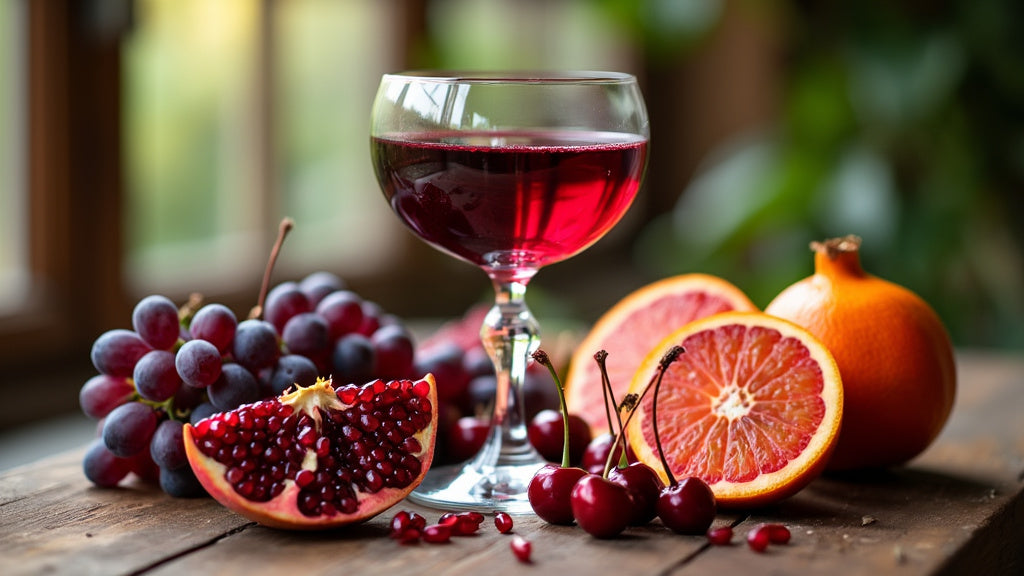
12 Antioxidants in Non-Alcoholic Wines: Myths vs. Facts – YOURS  Non-Alcoholic Wine

4. Fermentation Practices: Yeast, Additives, and Health Implications

Fermentation is where grapes transform into wine, guided by yeast and careful chemical balance. Organic wines often favor natural or wild yeasts rather than commercial strains. This can influence flavor complexity and the presence of secondary metabolites, some of which may have antioxidant or anti-inflammatory properties.

Additives in conventional wines—such as synthetic tannins, color enhancers, and flavor stabilizers—are often restricted in organic production. While these additives are generally regarded as safe, their exclusion aligns with a “cleaner” label philosophy, appealing to those seeking minimal processing.


5. Alcohol and Moderation: The Ultimate Health Factor

No matter how carefully a wine is grown or fermented, ethanol remains the main bioactive ingredient with the greatest health implications. Moderate consumption has been linked to cardiovascular benefits, improved HDL cholesterol, and possibly reduced inflammation. However, excessive intake overwhelms any potential advantage of organic production, increasing risks of liver disease, cancer, and cognitive decline.

In other words, the health impact of choosing organic over conventional wine is far less significant than the impact of drinking responsibly. Organic wine is not a “magic bullet” for health; it’s one component in a broader lifestyle.


6. Microbiome Effects: Emerging Science

Recent studies have begun exploring how wine interacts with the gut microbiome. Polyphenols and other phytochemicals in wine can act as prebiotics, nourishing beneficial gut bacteria. The hypothesis is that organic wines, with higher natural polyphenol levels and fewer chemical residues, may be more microbiome-friendly. While fascinating, this research is still in its infancy, and no conclusive claims can yet be made.


7. Psychological and Lifestyle Considerations

Perception matters. People often associate organic products with health, sustainability, and purity. Choosing organic wine may encourage mindful drinking, slower consumption, and overall healthier lifestyle choices. These behavioral effects, while indirect, can contribute meaningfully to well-being.


8. Environmental Health: A Broader Perspective

Health isn’t just about what’s in your glass—it’s also about the impact on the planet. Organic vineyards promote biodiversity, reduce chemical runoff, and improve soil health. Healthier ecosystems indirectly benefit human health through cleaner water, air, and food systems. From this angle, choosing organic wine may be considered “healthier” for society at large.


9. Taste and Sensory Perception

While not strictly a health factor, taste and enjoyment are essential to the holistic experience of wine. Many wine enthusiasts claim that organic wines have a more “authentic” or “vibrant” flavor, with nuanced aromas and richer complexity. Scientific studies suggest that stress-induced polyphenols may enhance flavor depth. Enjoyment and satisfaction, in turn, contribute to psychological health, reinforcing the benefits of mindful consumption.

The 8 Best Wine Glasses of 2025, Tested & Reviewed

10. Cost vs. Benefit: Practical Considerations

Organic wines are often more expensive due to labor-intensive farming and lower yields. While the health differences may be subtle, some consumers feel the environmental and ethical benefits justify the premium. Others prioritize taste, provenance, or lifestyle alignment.

Ultimately, choosing organic wine is a blend of health, ethics, and personal preference. For those strictly seeking a health advantage, moderate conventional wine may provide similar benefits without breaking the bank.


11. Debunking Common Myths

  1. Organic wine cures disease: False. Organic wine is not a therapeutic agent; its benefits are subtle and preventive.
  2. No sulfites means no headaches: Partially true. Some people sensitive to sulfites may benefit, but headaches are more commonly linked to histamines and alcohol itself.
  3. Organic wine is always better: Not necessarily. Winemaking practices, grape quality, and storage conditions often have a bigger impact than organic certification alone.

12. Key Takeaways

  • Nutritionally similar: Both organic and conventional wines are comparable in calories, carbs, and alcohol content.
  • Polyphenol advantage: Organic wines may contain slightly higher antioxidants due to natural vineyard stress.
  • Lower chemical exposure: Organic wines generally have fewer synthetic pesticides and additives.
  • Moderation matters more: Health effects of wine are dominated by drinking patterns rather than organic status.
  • Environmental impact: Organic production benefits ecosystems, indirectly supporting human health.
  • Mindful enjoyment: Psychological satisfaction from choosing organic wine may enhance overall wellness.

13. Future Research Directions

Emerging research areas include:

  • Microbiome interactions and gut health
  • Long-term health outcomes from organic vs. conventional wine
  • Impact of biodynamic and regenerative viticulture on nutrient density
  • Polyphenol bioavailability and synergy with other dietary compounds

Conclusion

So, is organic wine healthier than conventional wine? The answer is nuanced. From a strictly nutritional perspective, differences are modest. However, organic wine often carries slightly higher levels of antioxidants, fewer chemical residues, and aligns with environmentally sustainable practices. For sensitive individuals or those seeking a holistic approach to health—including ethical and psychological factors—organic wine may offer meaningful benefits.

Yet the ultimate determinant of wine’s health impact remains your consumption habits. Whether organic or conventional, moderation, quality, and enjoyment are far more important than the certification label alone. So raise your glass wisely, savor the nuances, and toast to both personal wellness and the health of our planet.

Tags: fermentationHealthterroirWine
ShareTweetShare

Related Posts

Can Beer Be an Effective Ingredient in Culinary Cooking?
ALL

Can Beer Be an Effective Ingredient in Culinary Cooking?

January 22, 2026
Second Fermentation in Champagne: Is It Really That Crucial?
ALL

Second Fermentation in Champagne: Is It Really That Crucial?

January 22, 2026
How Do Different Grains Impact the Flavor Profile of Distilled Spirits?
ALL

How Do Different Grains Impact the Flavor Profile of Distilled Spirits?

January 22, 2026
How Do Whiskey Master Blenders Create Perfection?
ALL

How Do Whiskey Master Blenders Create Perfection?

January 22, 2026
Wine Pairings: Can They Change the Flavor Profile of a Dish?
ALL

Wine Pairings: Can They Change the Flavor Profile of a Dish?

January 22, 2026
Beer the Ultimate Beverage for Pairing with Spicy Food?
ALL

Beer the Ultimate Beverage for Pairing with Spicy Food?

January 21, 2026
Leave Comment
  • Trending
  • Comments
  • Latest
What Hidden Craftsmanship Lies Behind a Bottle of Quality Grain Spirits?

What Hidden Craftsmanship Lies Behind a Bottle of Quality Grain Spirits?

July 3, 2025
How Is Champagne Made? The Secrets Behind the Sparkle

How Is Champagne Made? The Secrets Behind the Sparkle

April 15, 2025
Grain Spirits vs. Traditional Distilled Spirits: Which One Suits Your Taste?

Grain Spirits vs. Traditional Distilled Spirits: Which One Suits Your Taste?

July 3, 2025
Champagne Bubbles: How Do They Perfectly Convey Celebration, Joy, and Luxury?

Champagne Bubbles: How Do They Perfectly Convey Celebration, Joy, and Luxury?

July 2, 2025
The Timeless Elegance of Wine: A Journey Through History and Culture

The Timeless Elegance of Wine: A Journey Through History and Culture

Why Is Château Lafite Rothschild the Pinnacle of Fine Wine?

Why Is Château Lafite Rothschild the Pinnacle of Fine Wine?

How Did Château Lafite Rothschild Become a Global Icon of Luxury?

How Did Château Lafite Rothschild Become a Global Icon of Luxury?

What Makes Chateau Lafite Rothschild the Pinnacle of Bordeaux Wines?

What Makes Chateau Lafite Rothschild the Pinnacle of Bordeaux Wines?

Can Beer Be an Effective Ingredient in Culinary Cooking?

Can Beer Be an Effective Ingredient in Culinary Cooking?

January 22, 2026
Second Fermentation in Champagne: Is It Really That Crucial?

Second Fermentation in Champagne: Is It Really That Crucial?

January 22, 2026
How Do Different Grains Impact the Flavor Profile of Distilled Spirits?

How Do Different Grains Impact the Flavor Profile of Distilled Spirits?

January 22, 2026
How Do Whiskey Master Blenders Create Perfection?

How Do Whiskey Master Blenders Create Perfection?

January 22, 2026
SipsavorLife

Welcome to our comprehensive beverage guide, where you can explore the fascinating world of alcoholic drinks. From exquisite wines and rich whiskeys to refreshing beers and sparkling champagnes, we provide insights, tips, and recommendations for enthusiasts and casual drinkers alike. Discover your next favorite libation with us!

© 2025 sipsavorlife.com. contacts:sipsavorlife-35376@gmail.com

No Result
View All Result
  • Home
  • Wine
  • Whiskey
  • Beer
  • Grain Spirits
  • Champagne
  • ALL

© 2025 sipsavorlife.com. contacts:sipsavorlife-35376@gmail.com

Welcome Back!

Login to your account below

Forgotten Password?

Retrieve your password

Please enter your username or email address to reset your password.

Log In