










SipsavorLife
  • Home
  • Wine
    Wine Pairings: Can They Change the Flavor Profile of a Dish?

    Wine Pairings: Can They Change the Flavor Profile of a Dish?

    How Do Wine Glasses Influence the Tasting Experience?

    How Do Wine Glasses Influence the Tasting Experience?

    Is Organic Wine Healthier Than Conventional Wine?

    Is Organic Wine Healthier Than Conventional Wine?

    Why Do Some Wines Taste Better from Specific Vintages?

    Why Do Some Wines Taste Better from Specific Vintages?

    Wine Tasting: Can It Truly Be an Art Form?

    Wine Tasting: Can It Truly Be an Art Form?

    What Does Terroir Actually Mean for Your Wine?

    What Does Terroir Actually Mean for Your Wine?

  • Whiskey
    Can Beer Be an Effective Ingredient in Culinary Cooking?

    Can Beer Be an Effective Ingredient in Culinary Cooking?

    Second Fermentation in Champagne: Is It Really That Crucial?

    Second Fermentation in Champagne: Is It Really That Crucial?

    How Do Different Grains Impact the Flavor Profile of Distilled Spirits?

    How Do Different Grains Impact the Flavor Profile of Distilled Spirits?

    How Do Whiskey Master Blenders Create Perfection?

    How Do Whiskey Master Blenders Create Perfection?

    Wine Pairings: Can They Change the Flavor Profile of a Dish?

    Wine Pairings: Can They Change the Flavor Profile of a Dish?

    Beer the Ultimate Beverage for Pairing with Spicy Food?

    Beer the Ultimate Beverage for Pairing with Spicy Food?

  • Beer
    Can Beer Be an Effective Ingredient in Culinary Cooking?

    Can Beer Be an Effective Ingredient in Culinary Cooking?

    Beer the Ultimate Beverage for Pairing with Spicy Food?

    Beer the Ultimate Beverage for Pairing with Spicy Food?

    How Did Ancient Civilizations Brew Beer Without Modern Technology?

    How Did Ancient Civilizations Brew Beer Without Modern Technology?

    Is It Possible to Brew a Beer with No Alcohol and No Compromise on Taste?

    Is It Possible to Brew a Beer with No Alcohol and No Compromise on Taste?

    Why Does Beer Taste Different at High Altitudes?

    Why Does Beer Taste Different at High Altitudes?

    Is Hops the Secret Ingredient Behind Beer’s Bold Flavor?

    Is Hops the Secret Ingredient Behind Beer’s Bold Flavor?

  • Grain Spirits
    How Do Different Grains Impact the Flavor Profile of Distilled Spirits?

    How Do Different Grains Impact the Flavor Profile of Distilled Spirits?

    Grain Spirits the Unsung Heroes of Modern Mixology

    Grain Spirits the Unsung Heroes of Modern Mixology

    What Makes Grain-Based Whiskey So Different from Its Peated Cousins?

    What Makes Grain-Based Whiskey So Different from Its Peated Cousins?

    Grain Spirits: Could They Be the Next Big Trend in Craft Cocktails?

    Grain Spirits: Could They Be the Next Big Trend in Craft Cocktails?

    Why Are Grain Spirits Often Overlooked in the World of Fine Liquor?

    Why Are Grain Spirits Often Overlooked in the World of Fine Liquor?

    Is There a Secret Art to Distilling Grain Spirits?

    Is There a Secret Art to Distilling Grain Spirits?

  • Champagne
    Second Fermentation in Champagne: Is It Really That Crucial?

    Second Fermentation in Champagne: Is It Really That Crucial?

    The Science Behind the ‘Bubble Size’ in Champagne

    The Science Behind the ‘Bubble Size’ in Champagne

    Why Do Some Champagnes Use a High Proportion of Pinot Meunier?

    Why Do Some Champagnes Use a High Proportion of Pinot Meunier?

    Role of Terroir in Champagne Production

    Role of Terroir in Champagne Production

    Champagne Can Be Aged in Wood?

    Champagne Can Be Aged in Wood?

    Is There a Difference Between Blanc de Blancs and Blanc de Noirs Champagne?

    Is There a Difference Between Blanc de Blancs and Blanc de Noirs Champagne?

  • ALL
    Can Beer Be an Effective Ingredient in Culinary Cooking?

    Can Beer Be an Effective Ingredient in Culinary Cooking?

    Second Fermentation in Champagne: Is It Really That Crucial?

    Second Fermentation in Champagne: Is It Really That Crucial?

    How Do Different Grains Impact the Flavor Profile of Distilled Spirits?

    How Do Different Grains Impact the Flavor Profile of Distilled Spirits?

    How Do Whiskey Master Blenders Create Perfection?

    How Do Whiskey Master Blenders Create Perfection?

    Wine Pairings: Can They Change the Flavor Profile of a Dish?

    Wine Pairings: Can They Change the Flavor Profile of a Dish?

    Beer the Ultimate Beverage for Pairing with Spicy Food?

    Beer the Ultimate Beverage for Pairing with Spicy Food?

SipsavorLife
  • Home
  • Wine
    Wine Pairings: Can They Change the Flavor Profile of a Dish?

    Wine Pairings: Can They Change the Flavor Profile of a Dish?

    How Do Wine Glasses Influence the Tasting Experience?

    How Do Wine Glasses Influence the Tasting Experience?

    Is Organic Wine Healthier Than Conventional Wine?

    Is Organic Wine Healthier Than Conventional Wine?

    Why Do Some Wines Taste Better from Specific Vintages?

    Why Do Some Wines Taste Better from Specific Vintages?

    Wine Tasting: Can It Truly Be an Art Form?

    Wine Tasting: Can It Truly Be an Art Form?

    What Does Terroir Actually Mean for Your Wine?

    What Does Terroir Actually Mean for Your Wine?

  • Whiskey
    Can Beer Be an Effective Ingredient in Culinary Cooking?

    Can Beer Be an Effective Ingredient in Culinary Cooking?

    Second Fermentation in Champagne: Is It Really That Crucial?

    Second Fermentation in Champagne: Is It Really That Crucial?

    How Do Different Grains Impact the Flavor Profile of Distilled Spirits?

    How Do Different Grains Impact the Flavor Profile of Distilled Spirits?

    How Do Whiskey Master Blenders Create Perfection?

    How Do Whiskey Master Blenders Create Perfection?

    Wine Pairings: Can They Change the Flavor Profile of a Dish?

    Wine Pairings: Can They Change the Flavor Profile of a Dish?

    Beer the Ultimate Beverage for Pairing with Spicy Food?

    Beer the Ultimate Beverage for Pairing with Spicy Food?

  • Beer
    Can Beer Be an Effective Ingredient in Culinary Cooking?

    Can Beer Be an Effective Ingredient in Culinary Cooking?

    Beer the Ultimate Beverage for Pairing with Spicy Food?

    Beer the Ultimate Beverage for Pairing with Spicy Food?

    How Did Ancient Civilizations Brew Beer Without Modern Technology?

    How Did Ancient Civilizations Brew Beer Without Modern Technology?

    Is It Possible to Brew a Beer with No Alcohol and No Compromise on Taste?

    Is It Possible to Brew a Beer with No Alcohol and No Compromise on Taste?

    Why Does Beer Taste Different at High Altitudes?

    Why Does Beer Taste Different at High Altitudes?

    Is Hops the Secret Ingredient Behind Beer’s Bold Flavor?

    Is Hops the Secret Ingredient Behind Beer’s Bold Flavor?

  • Grain Spirits
    How Do Different Grains Impact the Flavor Profile of Distilled Spirits?

    How Do Different Grains Impact the Flavor Profile of Distilled Spirits?

    Grain Spirits the Unsung Heroes of Modern Mixology

    Grain Spirits the Unsung Heroes of Modern Mixology

    What Makes Grain-Based Whiskey So Different from Its Peated Cousins?

    What Makes Grain-Based Whiskey So Different from Its Peated Cousins?

    Grain Spirits: Could They Be the Next Big Trend in Craft Cocktails?

    Grain Spirits: Could They Be the Next Big Trend in Craft Cocktails?

    Why Are Grain Spirits Often Overlooked in the World of Fine Liquor?

    Why Are Grain Spirits Often Overlooked in the World of Fine Liquor?

    Is There a Secret Art to Distilling Grain Spirits?

    Is There a Secret Art to Distilling Grain Spirits?

  • Champagne
    Second Fermentation in Champagne: Is It Really That Crucial?

    Second Fermentation in Champagne: Is It Really That Crucial?

    The Science Behind the ‘Bubble Size’ in Champagne

    The Science Behind the ‘Bubble Size’ in Champagne

    Why Do Some Champagnes Use a High Proportion of Pinot Meunier?

    Why Do Some Champagnes Use a High Proportion of Pinot Meunier?

    Role of Terroir in Champagne Production

    Role of Terroir in Champagne Production

    Champagne Can Be Aged in Wood?

    Champagne Can Be Aged in Wood?

    Is There a Difference Between Blanc de Blancs and Blanc de Noirs Champagne?

    Is There a Difference Between Blanc de Blancs and Blanc de Noirs Champagne?

  • ALL
    Can Beer Be an Effective Ingredient in Culinary Cooking?

    Can Beer Be an Effective Ingredient in Culinary Cooking?

    Second Fermentation in Champagne: Is It Really That Crucial?

    Second Fermentation in Champagne: Is It Really That Crucial?

    How Do Different Grains Impact the Flavor Profile of Distilled Spirits?

    How Do Different Grains Impact the Flavor Profile of Distilled Spirits?

    How Do Whiskey Master Blenders Create Perfection?

    How Do Whiskey Master Blenders Create Perfection?

    Wine Pairings: Can They Change the Flavor Profile of a Dish?

    Wine Pairings: Can They Change the Flavor Profile of a Dish?

    Beer the Ultimate Beverage for Pairing with Spicy Food?

    Beer the Ultimate Beverage for Pairing with Spicy Food?

SipsavorLife
No Result
View All Result
Home ALL

How Did Ancient Civilizations Brew Beer Without Modern Technology?

January 20, 2026
in ALL, Beer
How Did Ancient Civilizations Brew Beer Without Modern Technology?

Beer is one of humanity’s oldest and most beloved fermented beverages, predating written history and standing as a testament to human ingenuity. Long before stainless steel fermenters, digital temperature controls, or even thermometers existed, ancient civilizations were brewing beers that nourished, delighted, and even played spiritual roles in their communities. Understanding how they achieved this without modern technology reveals both the simplicity and sophistication of early brewing practices.

The Origins of Beer: Accidental Discovery and Intentional Craft

The story of beer begins not with barrels or breweries, but with grain, water, and the persistent presence of wild yeast. Scholars suggest that beer likely emerged as an accidental byproduct of storing wet cereal grains, which naturally fermented. Early humans observed that this fermented porridge produced intoxicating effects. This accidental discovery would spark millennia of experimentation and refinement.

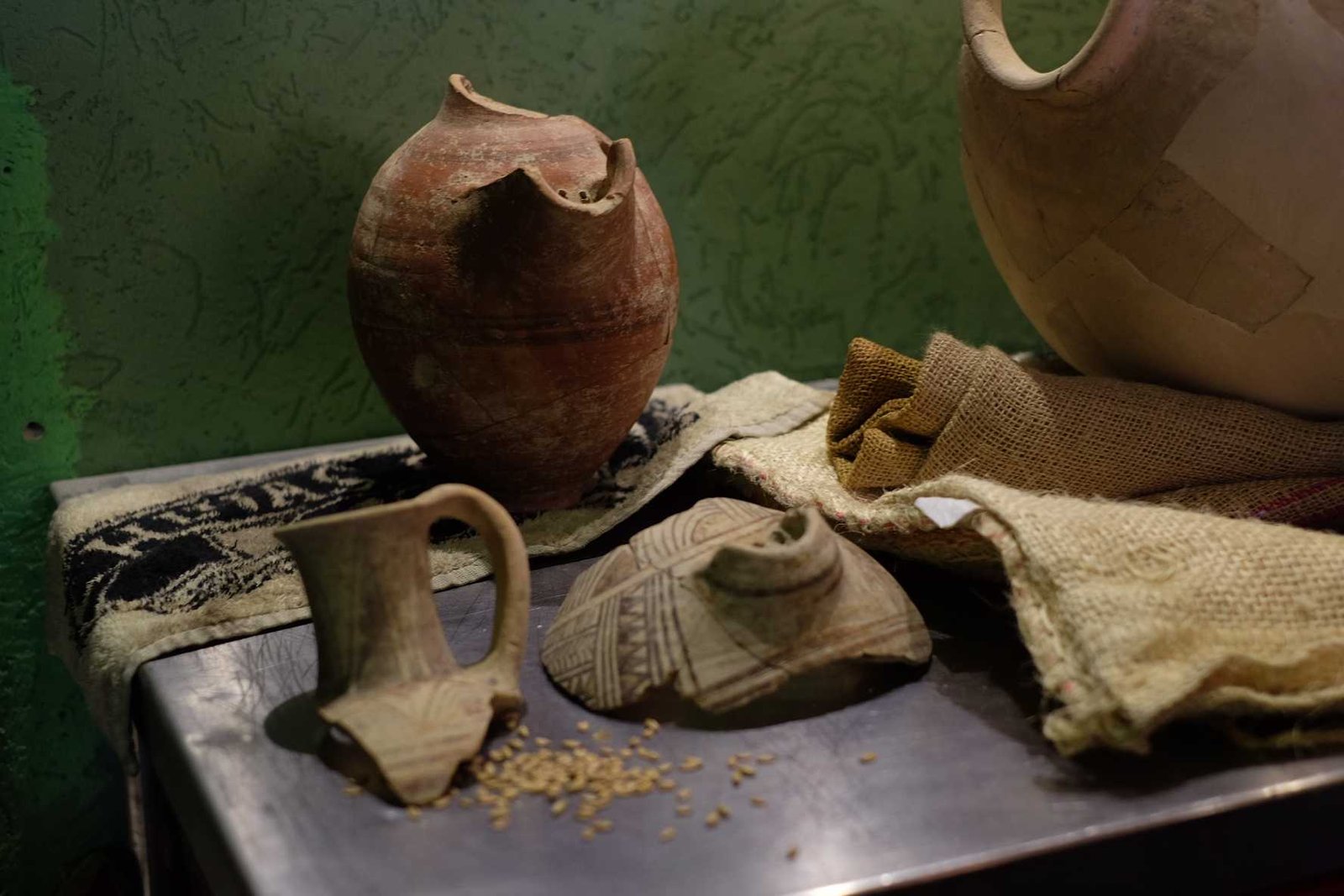
Archaeological evidence indicates that Mesopotamians, Egyptians, and even Neolithic societies in China and Europe brewed beer. Clay vessels with residue of barley, wheat, millet, and other grains, dating back over 7,000 years, have been found, showing that fermentation techniques were surprisingly advanced even in prehistory.

The ingenuity lies in recognizing that while yeast and bacteria were invisible, their effects were visible: bubbling, frothing, and the sweet-to-sour transformation of grain mashes.

Ingredients in Ancient Beer

Modern beer has four basic ingredients: water, malted grains, hops, and yeast. Ancient brewers relied on what was locally available, often improvising with surprising creativity.

  1. Grains: Barley was the most common base in Mesopotamia and Egypt, while millet, wheat, and rice were prominent in Asia and Africa. These grains were either lightly roasted or sprouted to convert starches into sugars, a process akin to modern malting. Sprouting grains allowed enzymes to break down starches into fermentable sugars, essential for producing alcohol.
  2. Water: Clean water sources were vital. Many early settlements developed around rivers or springs, not only for drinking but because fermentation required uncontaminated water.
  3. Adjuncts and Flavoring Agents: Hops were not universally used in antiquity; flavorings often came from herbs, dates, honey, or spices. Ancient Egyptian brewers added dates and herbs to sweeten or aromatize their beers. Sumerians sometimes included safflower or licorice.
  4. Yeast: Early brewers relied on naturally occurring yeast. Wild yeast in the air or on the surfaces of fruits and grains would inoculate the mash. Some cultures even saved a portion of a previous batch as a rudimentary starter culture.

The careful observation of fermentation allowed ancient civilizations to refine their methods over generations, giving rise to distinct regional beer styles long before industrial brewing standardized recipes.

Brewing Methods in Ancient Times

While modern brewing often follows strict temperature and timing schedules, ancient techniques were intuitive, sensory-driven, and adapted to the environment. The process can be broken down into several key steps:

1. Malting and Mashing

Malting involved soaking grains in water, allowing them to germinate, and then drying them to halt growth. This process produced enzymes essential for converting starch into sugar. In Mesopotamia, grains were sprouted on mats or shallow pits, while in Egypt, they were germinated in woven baskets.
Ancient Beer Is Craft's New Frontier – SAPIENS

Mashing—the combination of malted grains with warm water to extract sugars—was performed in large clay vessels. Without thermometers, brewers relied on touch or sight: water warmed until comfortable to the hand, and bubbling foams signaled activity.

Some cultures ground their grains into coarse pastes, sometimes mixing them with milk or honey to create thicker brews, demonstrating both creativity and practical adaptation to available ingredients.

2. Boiling and Flavoring

Boiling as a step was not universal in ancient brewing. In many early cultures, such as Sumer or China, mashes were fermented directly without heat. Others, particularly in Egypt, boiled portions of the mash to sterilize it or concentrate sugars.

Flavorings were often added post-boil or during fermentation. The addition of herbs, spices, and fruits was as much about masking off-flavors as it was about improving taste. The lack of hops meant brewers had to experiment with local botanicals to balance sweetness and bitterness.

3. Fermentation

Fermentation is the heart of beer. Ancient brewers had no pure yeast cultures, yet they mastered the art of harnessing wild fermentation. They stored mashes in clay jars, wooden barrels, or even animal skins. Warm climates encouraged quicker fermentation, while cooler areas required longer exposure.

Observation and repetition were key. Brewers learned which vessels, temperatures, and timings produced consistent results. Some civilizations even considered fermentation a mystical process, attributing success to divine forces. In Sumerian culture, beer was often associated with the goddess Ninkasi, blending ritual with practical knowledge.

4. Filtration and Storage

Without modern filtration, ancient beers were often cloudy and gritty. Solids were removed using woven mats, cloth, or by decanting. Storage was typically in sealed clay jars or leather containers, which allowed carbonation to develop naturally.

Surprisingly, some ancient beers could remain drinkable for weeks or months, suggesting a level of microbial control that modern brewers often underestimate. Acidity, alcohol, and residual sugars all contributed to preservation, demonstrating an intuitive understanding of biochemistry.

Regional Variations in Ancient Brewing

Different civilizations adapted brewing to their environment, culture, and available ingredients. The variety of methods shows remarkable innovation.

Mesopotamia

Sumerians and Babylonians had some of the earliest recorded brewing practices. Beer was both a dietary staple and a ritual offering. Sumerians brewed beers from barley bread called bappir, mixing it with water and fermenting it in clay vessels. This produced a thick, nutritious brew consumed with straws to avoid solids.

Babylonian cuneiform tablets even contain recipes and instructions for different types of beer, revealing that beer was systematically produced, measured, and categorized.

Ancient Egypt

Beer was ubiquitous in Egypt, both for daily consumption and religious ceremonies. Egyptian brewers often used emmer wheat or barley, sometimes mixing it with dates and herbs. Laborers on the pyramids were partly paid in beer rations, emphasizing its nutritional and social importance.

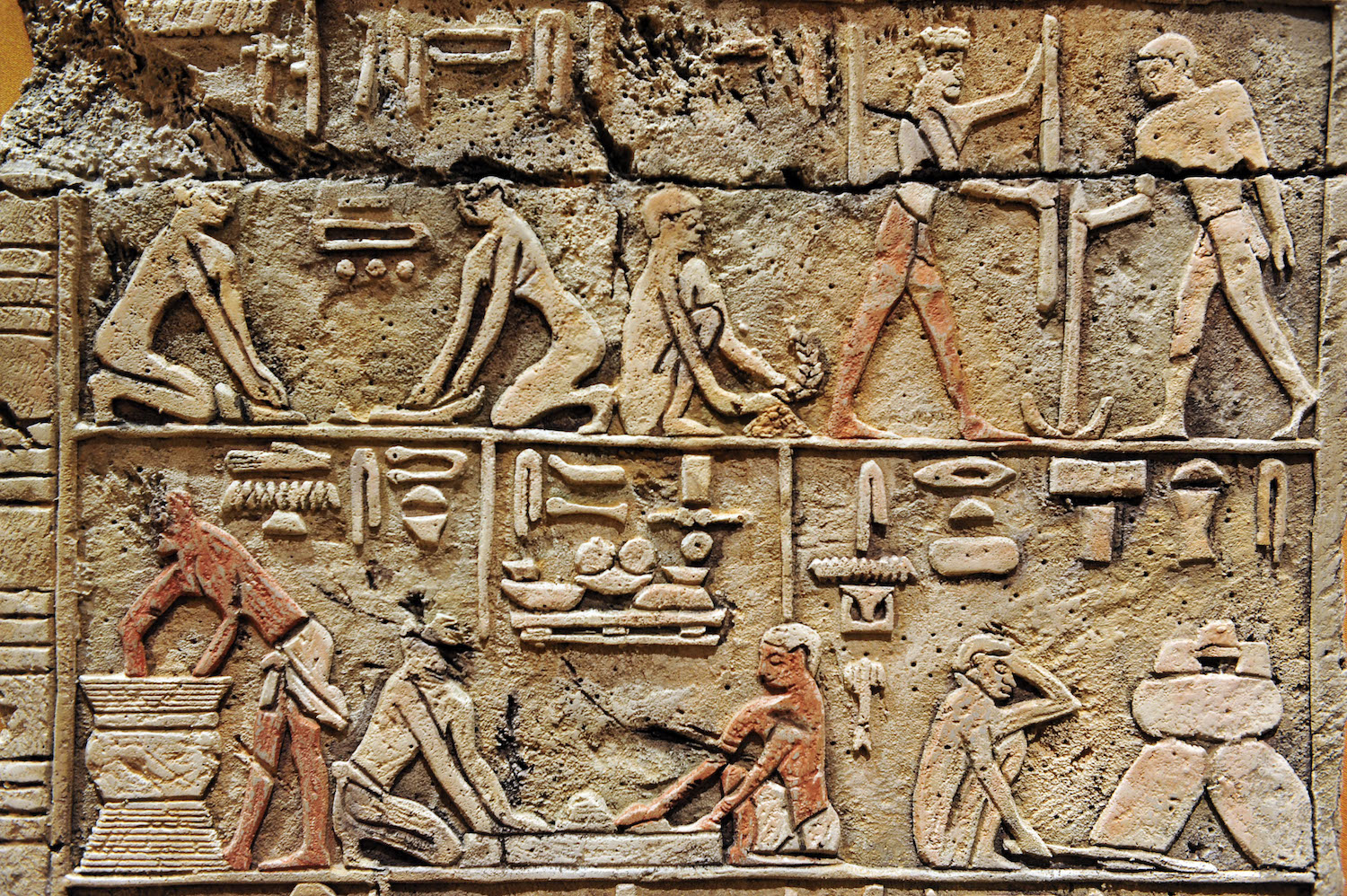
Egyptians developed large-scale brewing operations using open fermentation vats. They mastered temperature control by moving vessels between sun-exposed courtyards and shaded areas, showing ingenuity in the absence of modern thermoregulation.

Ancient China

Ancient Egyptian Beer Brewery - Biblical Archaeology Society

In Neolithic China, evidence points to beer-like drinks made from millet, rice, and tubers. Unlike the malted-barley beers of Mesopotamia, Chinese brews were often saccharified using molds that broke down starch into sugar—a method resembling early sake production.

Fermentation occurred in large clay pots sealed with mud, with yeasts naturally present on grains initiating the process. These early brews were likely sweet, low in alcohol, and mildly effervescent.

Europe

In prehistoric Europe, beer was often made from barley and wheat, sometimes with the addition of herbs like bog myrtle before hops became common in the Middle Ages. Celtic and Germanic tribes practiced communal brewing, fermenting in large wooden vessels over fire-heated stones.

European brews were often used in feasts and ceremonies, and women frequently held the role of alewives, combining technical skill with social influence. These early brews laid the foundation for medieval monastic brewing traditions.

Tools and Vessels of Ancient Brewing

Without stainless steel or precision instruments, ancient brewers relied on clay, wood, and stone. The choice of vessel affected flavor, fermentation, and storage.

  • Clay Jars and Pots: Ideal for fermentation because they retained heat and allowed slow oxygen exchange. Residual yeast could remain in porous clay, aiding continuous fermentation.
  • Wooden Barrels: Used primarily in Europe, wood could add tannins and complex flavors. Barrels were reusable but required careful cleaning to prevent spoilage.
  • Stone Basins and Mortars: Essential for mashing and crushing grains, especially in cultures without metal tools.
  • Strainers and Cloths: Allowed brewers to separate solids from liquids, though beer remained cloudier than modern standards.

The materials themselves contributed to flavor. Porous clay absorbed some microbes and flavors, imparting subtle sourness or depth, an early form of terroir in brewing.

Fermentation Control Without Modern Science

The greatest challenge was controlling fermentation. Ancient brewers lacked thermometers, pH meters, or sterile environments. Yet through trial, error, and observation, they learned:

  • Timing: Fermentation length was judged by sight and smell. Bubbling, froth, and aroma indicated progress.
  • Temperature: Seasonal adjustments or moving vessels indoors or outdoors helped regulate warmth.
  • Microbial Selection: Reusing portions of successful batches encouraged desirable yeasts to dominate, an early form of starter culture.
  • Acidity Management: Sourness was monitored by taste; over-acidification meant discarding or blending with sweeter brews.

In essence, they applied practical microbiology long before microbes were discovered, relying on intuition honed over generations.

Cultural and Social Roles of Ancient Beer

Beer was more than a beverage—it was medicine, nutrition, and currency. Workers drank it for calories and hydration; priests offered it in rituals; kings and elites used it to demonstrate status. Recipes were guarded secrets, and brewing knowledge was often transmitted orally or within guilds.

In Mesopotamia, beer had legal and social implications, with fines and wages sometimes denominated in beer. Egyptian workers relied on beer as a protein-rich staple during construction projects. In many cultures, communal drinking strengthened social bonds, turning beer into a glue for early society.

Lessons from Ancient Brewing for Modern Brewers

Modern craft brewers often look to the past for inspiration. Ancient techniques remind us that simplicity can yield complexity, and that observation and adaptation are as crucial as technology.

  • Wild fermentation can produce complex, layered flavors that pure cultures sometimes cannot replicate.
  • Local grains and adjuncts can define a region’s signature style, echoing the concept of terroir.
  • Patience, intuition, and sensory evaluation remain critical, even in an era of laboratory precision.

By studying ancient methods, contemporary brewers reconnect with the origins of their craft, blending tradition with innovation.

Conclusion

Ancient civilizations brewed beer with remarkable sophistication, despite lacking modern tools, thermometers, or sterilization techniques. By harnessing natural enzymes, wild yeast, and careful observation, they created beverages that were not only safe and nutritious but culturally transformative. From Mesopotamian bappir to Egyptian date-infused ales, from Chinese millet beers to European herbal brews, the ingenuity and resilience of these early brewers are evident.

Understanding these methods deepens our appreciation for beer, highlighting it not merely as a modern drink but as a human invention shaped by environment, culture, and creativity. In every frothy cup, we taste a connection to the past, a testament to human curiosity and the enduring allure of fermentation.

Tags: beerCulturefermentationHistory
ShareTweetShare

Related Posts

Can Beer Be an Effective Ingredient in Culinary Cooking?
ALL

Can Beer Be an Effective Ingredient in Culinary Cooking?

January 22, 2026
Second Fermentation in Champagne: Is It Really That Crucial?
ALL

Second Fermentation in Champagne: Is It Really That Crucial?

January 22, 2026
How Do Different Grains Impact the Flavor Profile of Distilled Spirits?
ALL

How Do Different Grains Impact the Flavor Profile of Distilled Spirits?

January 22, 2026
How Do Whiskey Master Blenders Create Perfection?
ALL

How Do Whiskey Master Blenders Create Perfection?

January 22, 2026
Wine Pairings: Can They Change the Flavor Profile of a Dish?
ALL

Wine Pairings: Can They Change the Flavor Profile of a Dish?

January 22, 2026
Beer the Ultimate Beverage for Pairing with Spicy Food?
ALL

Beer the Ultimate Beverage for Pairing with Spicy Food?

January 21, 2026
Leave Comment
  • Trending
  • Comments
  • Latest
What Hidden Craftsmanship Lies Behind a Bottle of Quality Grain Spirits?

What Hidden Craftsmanship Lies Behind a Bottle of Quality Grain Spirits?

July 3, 2025
How Is Champagne Made? The Secrets Behind the Sparkle

How Is Champagne Made? The Secrets Behind the Sparkle

April 15, 2025
Grain Spirits vs. Traditional Distilled Spirits: Which One Suits Your Taste?

Grain Spirits vs. Traditional Distilled Spirits: Which One Suits Your Taste?

July 3, 2025
Champagne Bubbles: How Do They Perfectly Convey Celebration, Joy, and Luxury?

Champagne Bubbles: How Do They Perfectly Convey Celebration, Joy, and Luxury?

July 2, 2025
The Timeless Elegance of Wine: A Journey Through History and Culture

The Timeless Elegance of Wine: A Journey Through History and Culture

Why Is Château Lafite Rothschild the Pinnacle of Fine Wine?

Why Is Château Lafite Rothschild the Pinnacle of Fine Wine?

How Did Château Lafite Rothschild Become a Global Icon of Luxury?

How Did Château Lafite Rothschild Become a Global Icon of Luxury?

What Makes Chateau Lafite Rothschild the Pinnacle of Bordeaux Wines?

What Makes Chateau Lafite Rothschild the Pinnacle of Bordeaux Wines?

Can Beer Be an Effective Ingredient in Culinary Cooking?

Can Beer Be an Effective Ingredient in Culinary Cooking?

January 22, 2026
Second Fermentation in Champagne: Is It Really That Crucial?

Second Fermentation in Champagne: Is It Really That Crucial?

January 22, 2026
How Do Different Grains Impact the Flavor Profile of Distilled Spirits?

How Do Different Grains Impact the Flavor Profile of Distilled Spirits?

January 22, 2026
How Do Whiskey Master Blenders Create Perfection?

How Do Whiskey Master Blenders Create Perfection?

January 22, 2026
SipsavorLife

Welcome to our comprehensive beverage guide, where you can explore the fascinating world of alcoholic drinks. From exquisite wines and rich whiskeys to refreshing beers and sparkling champagnes, we provide insights, tips, and recommendations for enthusiasts and casual drinkers alike. Discover your next favorite libation with us!

© 2025 sipsavorlife.com. contacts:sipsavorlife-35376@gmail.com

No Result
View All Result
  • Home
  • Wine
  • Whiskey
  • Beer
  • Grain Spirits
  • Champagne
  • ALL

© 2025 sipsavorlife.com. contacts:sipsavorlife-35376@gmail.com

Welcome Back!

Login to your account below

Forgotten Password?

Retrieve your password

Please enter your username or email address to reset your password.

Log In