










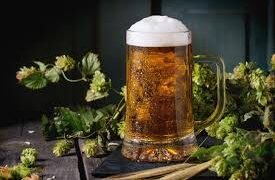
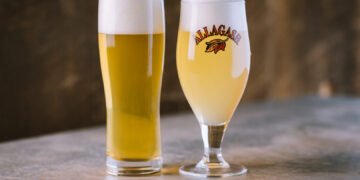









Beer, one of the world’s most beloved beverages, has evolved into countless styles, flavors, and innovations. But what if you could enjoy a brew without the intoxicating effects of alcohol, yet still savor the full spectrum of taste? This question has been gaining traction as more people explore non-alcoholic options without compromising on flavor. With the global shift toward healthier lifestyles and mindfulness about alcohol consumption, breweries are stepping up to the challenge: Can a beer exist that maintains the soul-stirring, complex flavors of traditional brews, minus the alcohol?
The quest for alcohol-free beer is not just a passing trend. It reflects an evolution in consumer demand, where taste and quality are just as important as the absence of alcohol. But the challenge lies in how to create a beer that not only stands up to its alcoholic counterparts but actually excels in flavor. This article will delve into the science, art, and innovation behind brewing non-alcoholic beers that don’t compromise on taste. We’ll also explore how brewers are overcoming traditional limitations and transforming the non-alcoholic beer market.
Understanding Non-Alcoholic Beer
First, let’s define what “non-alcoholic beer” is. By definition, non-alcoholic beer typically contains less than 0.5% alcohol by volume (ABV), though some versions may have zero alcohol altogether. In comparison, regular beers can range anywhere from 4% to 12% ABV, depending on the style. In the past, non-alcoholic beers were often criticized for being bland or lacking the richness and body that made alcoholic beers so enticing. But today, things are different.
Recent innovations in brewing techniques have led to non-alcoholic beers that mimic the complexity, mouthfeel, and flavor of their full-strength counterparts. Yet, the question remains: Can a beer be brewed without alcohol, without sacrificing the deep, malty character that beer drinkers love?
The Brewing Process: Can Alcohol Be Removed Without Losing Flavor?
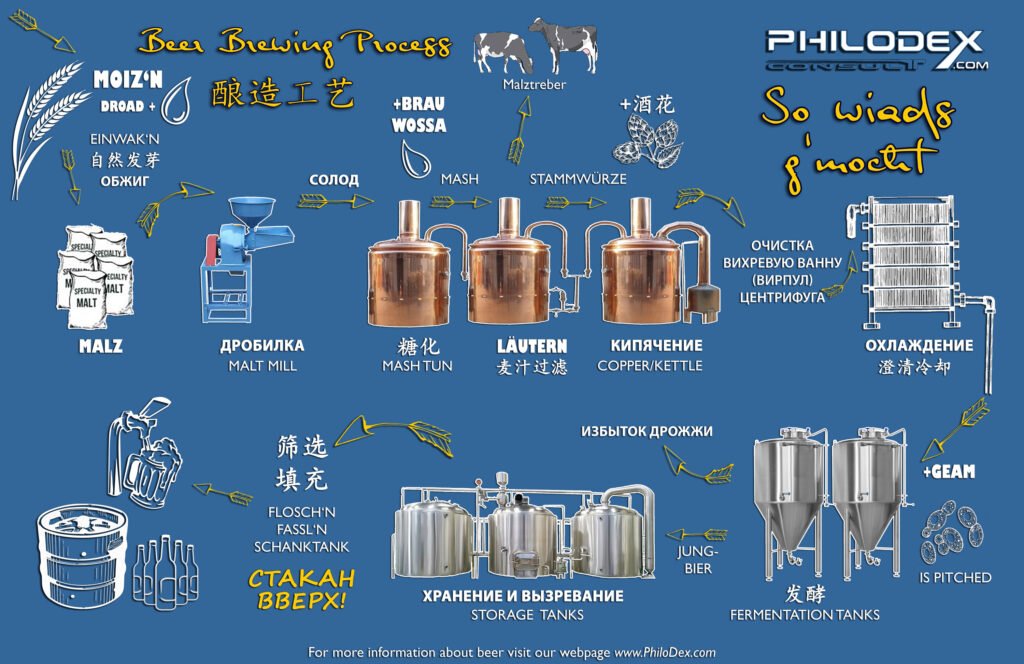
To understand how non-alcoholic beers are made, it’s essential to know a bit about the brewing process. Traditionally, beer is made by fermenting a mash of water, barley (or other grains), hops, and yeast. The yeast consumes sugars from the malted barley and converts them into alcohol. The more sugar the yeast consumes, the higher the alcohol content in the beer. To make non-alcoholic beer, however, brewers face the challenge of stopping the fermentation process before the yeast produces too much alcohol, or finding ways to remove the alcohol from the finished beer without damaging the taste.
The Two Main Approaches to Non-Alcoholic Brewing
- Interrupting Fermentation Early The first method involves limiting fermentation time to prevent alcohol from being produced in the first place. This can be done by using special yeasts that produce little or no alcohol or by halting the fermentation process before alcohol levels reach significant levels. One of the more common techniques is known as “cold fermentation,” which involves fermenting the beer at low temperatures. The result is a brew with a beer-like flavor, though it often lacks the complexity and depth of traditional beer due to limited fermentation.
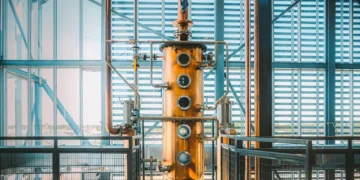
- Removing Alcohol After Fermentation The second approach is more advanced and involves brewing a full-strength beer first and then removing the alcohol afterward. This is achieved through several methods, such as vacuum distillation, reverse osmosis, or spinning cone technology. These techniques essentially remove the alcohol without affecting the beer’s flavor too much. However, this method requires careful balancing, as any disruption to the beer’s chemical makeup can lead to an undesirable product, often leaving a flat or watered-down taste.
Innovations in Non-Alcoholic Brewing
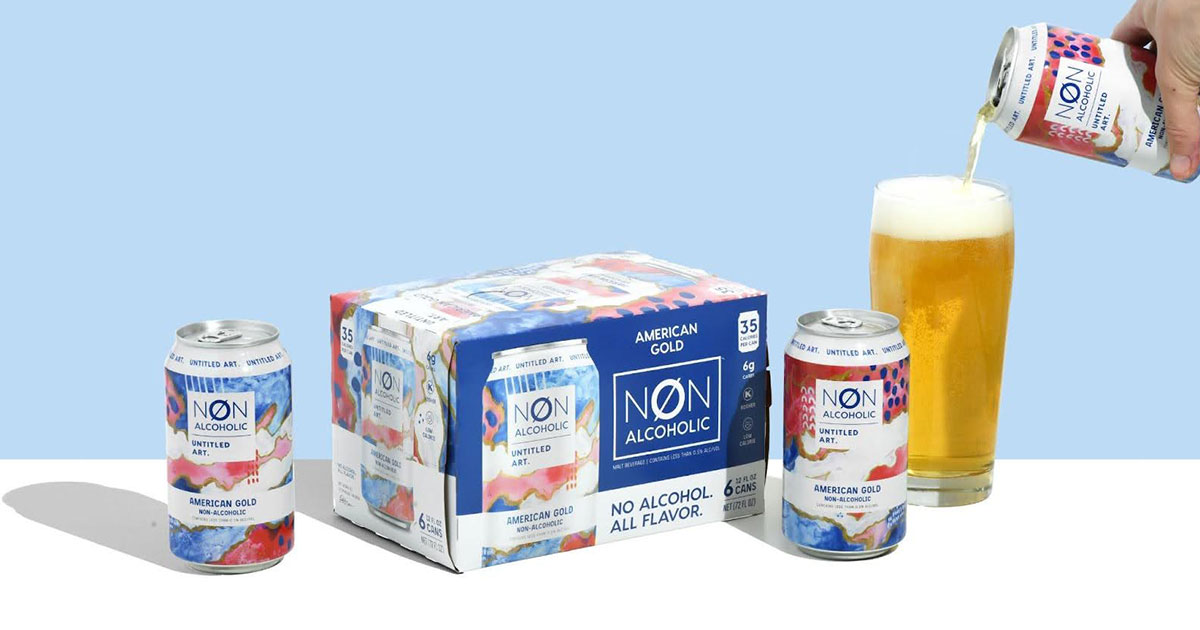
Recent developments in brewing technology have helped eliminate many of the challenges of crafting alcohol-free beer without compromising taste. For instance, the use of “yeast manipulation” has come a long way. Brewers now have access to new yeast strains designed specifically for non-alcoholic beers. These yeasts consume sugars but produce minimal alcohol, giving brewers more control over the final product’s alcohol content and flavor.
Another important innovation is the use of advanced filtration systems like reverse osmosis, which allow brewers to remove alcohol while retaining the full flavor profile of the beer. This method involves using a special membrane to filter the alcohol out of the beer, keeping the essential flavors intact. The filtered beer is then reintroduced with additional hops or flavors to restore any lost characteristics.
The introduction of new brewing techniques and ingredients, including experimental grains and hops, has further improved the complexity of non-alcoholic beers. In some cases, brewers have begun using non-fermentable sugars, which contribute to a fuller mouthfeel without adding any alcohol. Additionally, certain adjuncts like fruit, spices, and even coffee can elevate the flavors of a non-alcoholic beer, providing a unique taste profile that rivals traditional brews.
Non-Alcoholic Beer Styles: A Broadening Range of Flavors
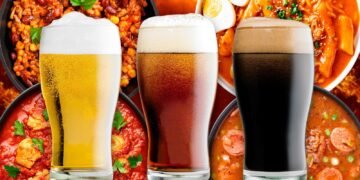
Just as with alcoholic beer, non-alcoholic brews are available in a wide range of styles, from light lagers to rich stouts, hoppy IPAs, and even sour ales. In the past, non-alcoholic beer was largely limited to bland pilsners or overly sweet, watered-down versions of popular styles. Today, however, the non-alcoholic beer world is far more diverse, offering enthusiasts a variety of options.
- Non-Alcoholic Lagers: Crisp, clean, and refreshing, these beers maintain the signature lightness and carbonation of their alcoholic counterparts. They are a favorite for those looking for an easy-drinking brew with minimal bitterness.
- Non-Alcoholic IPAs: Hoppy and bold, these beers appeal to fans of more intense flavors. Brewers use a combination of advanced hop techniques to pack in bitterness, citrusy notes, and floral aromas, ensuring that the beer remains flavorful despite the lack of alcohol.
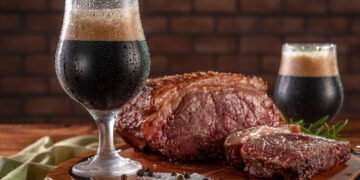
- Non-Alcoholic Stouts & Porters: Rich, dark, and malty, these beers replicate the deep, roasty flavors of their alcoholic counterparts. Some even feature notes of coffee, chocolate, and caramel, making them perfect for those who enjoy more robust styles.
- Non-Alcoholic Sour Beers: Tart, tangy, and refreshing, these beers mimic the flavors of traditional sour ales, often with added fruits or spices to create a truly dynamic flavor profile.
The Taste Experience: How Non-Alcoholic Beer Measures Up
The most significant question for many beer lovers remains: Does non-alcoholic beer taste as good as the real thing? The answer, more often than not, is yes—at least, it’s getting closer every year. Brewers have become adept at crafting beers with layers of flavor, mouthfeel, and complexity, making the experience of drinking non-alcoholic beer enjoyable and satisfying.
That said, while non-alcoholic beers can closely resemble their alcoholic counterparts, there are subtle differences. The biggest change is the body of the beer. Alcohol contributes to the beer’s mouthfeel and richness, so non-alcoholic beers can sometimes feel lighter or thinner. However, brewers are experimenting with techniques like adding extra malt or using different grains to give non-alcoholic beers a fuller body.
Another factor to consider is the balance of bitterness and sweetness. Some non-alcoholic beers can taste sweeter because they lack the bittering qualities that alcohol provides. However, advancements in hop usage and the art of balancing malt sweetness have made this issue less prominent in recent years.
The Growing Popularity of Non-Alcoholic Beers
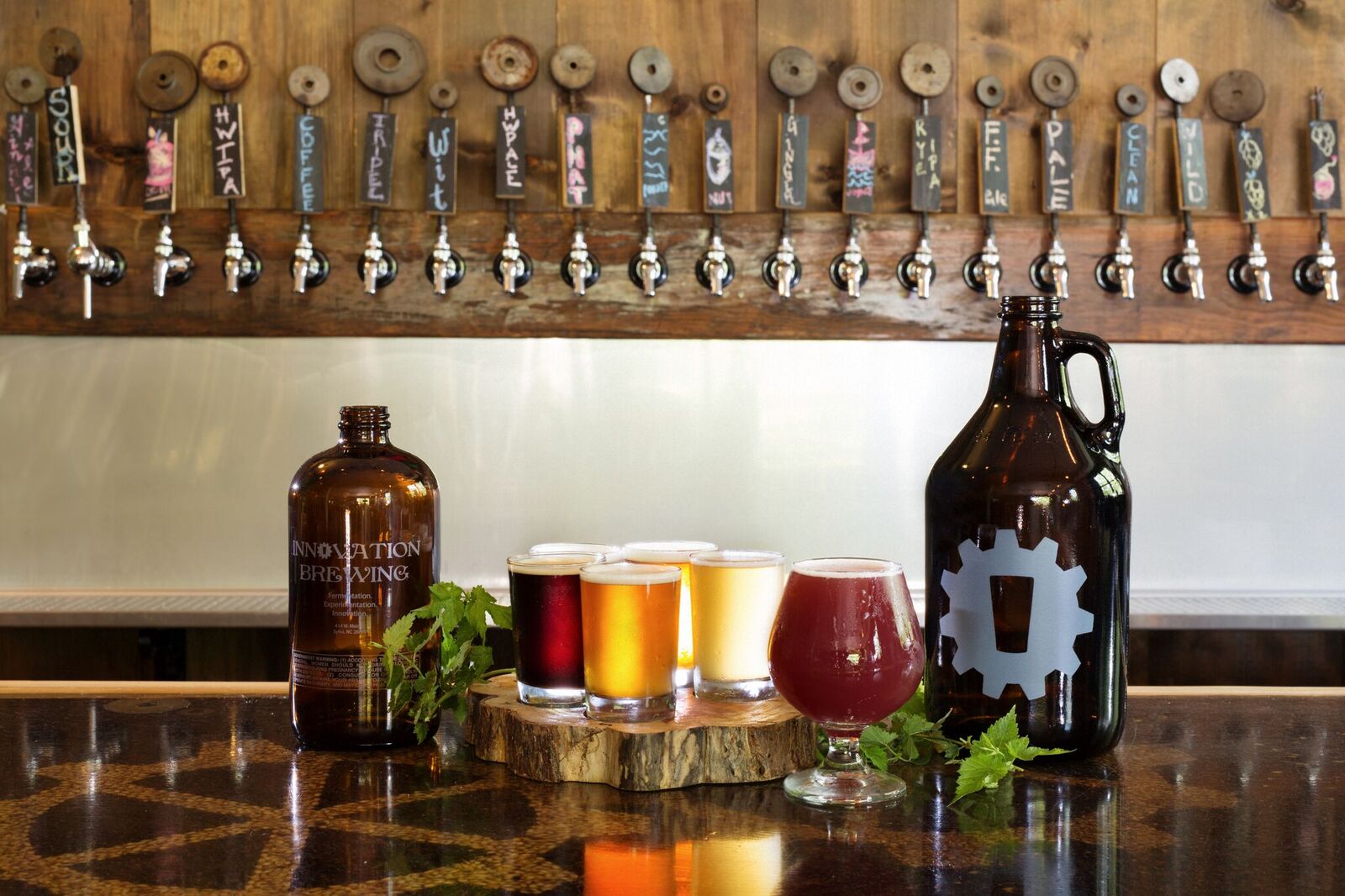
The non-alcoholic beer market has exploded in recent years, with major beer brands jumping on the bandwagon and producing their own alcohol-free options. From Heineken 0.0 to Budweiser Zero, it’s clear that the demand for non-alcoholic beer is only growing. In fact, it is one of the fastest-growing segments in the global beer industry, with many consumers citing health reasons, designated driving, or simply a preference for less alcohol as their motivation.
This trend isn’t limited to just mainstream brands. Craft brewers have also embraced the challenge, creating high-quality non-alcoholic beers that reflect their unique brewing styles. As a result, drinkers now have a broader selection of non-alcoholic beers to choose from, each with its own distinctive flavor profile.
The Health and Wellness Connection
With health consciousness on the rise, many people are opting for non-alcoholic beers as a way to enjoy the flavors of beer without the negative effects of alcohol. Non-alcoholic beer is often lower in calories and contains fewer harmful substances like congeners (byproducts of alcohol fermentation), making it a healthier alternative for some.
For those who want to maintain a balanced lifestyle but still enjoy a flavorful drink, non-alcoholic beer offers a perfect compromise. And while it may not replace traditional beer for all drinkers, it’s a viable option for anyone looking to reduce alcohol intake without sacrificing taste.
The Future of Non-Alcoholic Beer
As the craft beer scene continues to evolve, so too does the landscape of non-alcoholic beer. Innovations in brewing technologies, yeast strains, and ingredient combinations will continue to improve the flavors and varieties of non-alcoholic beers. With more attention being paid to the quality of these brews, it’s likely that non-alcoholic beer will continue to attract a wider audience, offering a broader spectrum of choices and flavors.
In the near future, we may see even more sophisticated non-alcoholic beers that push the boundaries of flavor, complexity, and mouthfeel. And while they may never completely replace the traditional alcoholic beer experience for some, they are undoubtedly carving out their own space in the world of craft brewing.
Conclusion: The Non-Alcoholic Beer Revolution
Brewing a beer with no alcohol and no compromise on taste is no longer just a theoretical question—it’s a reality. Thanks to the innovations in brewing techniques, the use of advanced filtration systems, and the creative spirit of brewers, non-alcoholic beers have come a long way in terms of taste and quality. Whether you’re a health-conscious consumer, a designated driver, or simply someone who enjoys the experience of beer without the buzz, the non-alcoholic beer market offers a growing selection of brews that don’t skimp on flavor.
As non-alcoholic beers continue to improve, they are becoming a legitimate option for anyone who wants to enjoy a great beer, without the alcohol. The revolution in non-alcoholic brewing is just beginning, and it’s clear that the future of beer, with or without alcohol, is bright.