




























Grain spirits are often overshadowed by the glitz and glamour of high-end whiskeys, vodkas, and gins. In the world of modern mixology, where creativity and innovation are key, grain spirits have been somewhat relegated to the background, viewed as mere supporting players in the cocktail scene. Yet, there is a growing recognition that these spirits deserve more than just a fleeting mention. From their versatility in cocktails to their rich history and intricate production methods, grain spirits are starting to emerge as the unsung heroes of modern mixology.
What Are Grain Spirits?
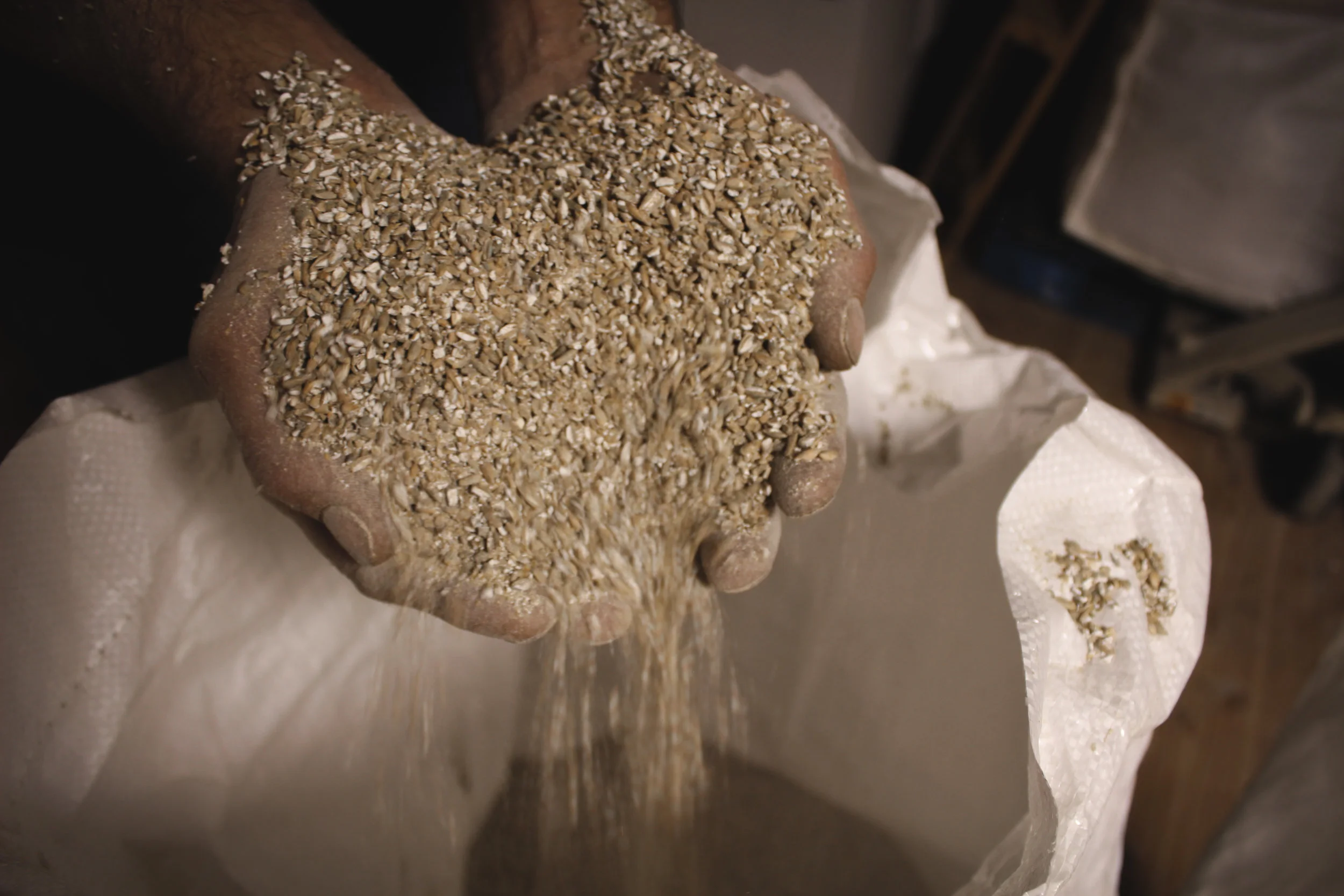
Grain spirits are alcoholic beverages made from fermented grains. The term “grain spirits” typically refers to a broad category that includes products like vodka, gin, certain types of whiskey, and even some rums when made with sugarcane or grain-based ingredients. Essentially, the term encompasses any spirit that derives its alcohol content primarily from grains like wheat, rye, corn, barley, or oats.
But what makes these spirits truly fascinating is their ability to highlight the unique qualities of the grains themselves. Unlike single malt whiskeys, which focus on a specific type of grain and aging process, grain spirits are typically distilled to achieve a neutral, clean taste. This purity provides the ideal base for the innovative, flavor-forward cocktails that are the hallmark of modern mixology.
The Historical Backbone of Grain Spirits
The legacy of grain spirits can be traced back to the dawn of distillation, long before the craft cocktail revolution. In the early days of distillation, grain spirits were seen as practical and cost-effective alcohols. Vodka, for example, is a spirit with deep roots in Eastern Europe and Russia, where it has been produced for centuries using grains like rye and wheat. Similarly, gin, which began as a medicinal tonic in the 17th century, evolved from simple grain distillates flavored with juniper and other botanicals.
In the U.S., grain spirits are often tied to the country’s whiskey tradition, which dates back to colonial times. Bourbon, one of the most iconic American spirits, is a grain-based liquor made primarily from corn, with a rich history that reflects the early agricultural practices of the American South.
Despite their historical significance, grain spirits have often been overshadowed by the more prestigious spirits that dominate contemporary drinking culture. However, as the craft cocktail movement has evolved, so too has the appreciation for the more subtle, versatile aspects of grain-based spirits.
The Versatility of Grain Spirits in Modern Mixology
One of the key factors behind the resurgence of grain spirits in modern mixology is their incredible versatility. Unlike aged spirits, which carry the weight of decades of barrel maturation, grain spirits offer a clean slate that bartenders can mold and shape to fit their creative vision.

Take vodka, for example. While often maligned as a neutral spirit with little personality, it is this very neutrality that makes it an ideal foundation for some of the most iconic cocktails in history. The Moscow Mule, Bloody Mary, and Cosmopolitan all owe their existence to vodka’s ability to seamlessly integrate with a wide variety of mixers, from fruit juices to herbs and spices. The clean taste allows the other ingredients to shine, creating a well-balanced drink.
Gin, on the other hand, is a prime example of how grain spirits can be both simple and complex. At its core, gin is a distilled spirit made from a neutral grain base and flavored with botanicals such as juniper, coriander, and citrus. The resulting spirit is highly adaptable, forming the backbone of classics like the Martini, Negroni, and Gin and Tonic. With the rise of craft gin distilleries, the spirit has taken on an endless variety of regional and flavor profiles, from London Dry to floral and fruity varieties.
Even bourbon, traditionally thought of as a sipping spirit, has made its way into the world of cocktails. In recent years, bartenders have revived bourbon-based classics like the Old Fashioned and Whiskey Sour, as well as created new concoctions that highlight the richness and sweetness of this distinctive grain spirit.
Grain Spirits and the Craft Cocktail Renaissance
The modern cocktail renaissance, which has been defined by an emphasis on artisanal ingredients, sustainability, and innovation, has placed grain spirits at the forefront of the cocktail scene. Bartenders today are increasingly turning to grain spirits as a way to create refreshing, nuanced drinks that celebrate both tradition and innovation.
Take, for example, the popularity of whiskey-based cocktails in recent years. While bourbon has long been a staple of American bars, the craft cocktail movement has brought about a renaissance in whiskey drinks. The Old Fashioned and Manhattan have become essential cocktail bar offerings, but bartenders are also experimenting with new combinations, using rye whiskey, corn whiskey, and other grain-based spirits to create complex, layered cocktails that appeal to modern palates.
In the world of gin, the rise of small-batch distilleries has given rise to new interpretations of the classic spirit. With an emphasis on using locally-sourced, botanically rich ingredients, modern gins have developed an almost cult-like following. Bartenders now have access to a wide range of craft gins, each with unique flavors that enhance the creation of custom cocktails.
Moreover, the focus on sustainability in the craft cocktail world has brought attention to the production of grain spirits. Many distilleries are embracing eco-friendly practices, including the use of organic grains, low-waste distillation processes, and innovative packaging. This shift aligns perfectly with the growing demand for conscientious consumption in both the food and beverage industries.

The Art of Tasting Grain Spirits
For those who appreciate the subtleties of fine spirits, tasting grain spirits offers an experience rich in complexity and nuance. Just like whiskey tasting, the process of savoring grain spirits involves paying attention to the flavors that emerge as the spirit hits your palate.
Take vodka, for instance. While it’s known for being “neutral,” the best vodkas reveal a surprising depth of flavor, with subtle notes of grain, a hint of sweetness, and an almost creamy mouthfeel. The quality of the base ingredients—often high-quality wheat, rye, or corn—plays a significant role in the character of the spirit.
Gin, as a more aromatic spirit, invites a different approach to tasting. The interplay of botanicals can shift depending on the distillery and the specific recipe. Some gins are sharp and piney, while others are soft and floral, creating a spectrum of flavors that can range from the earthy to the citrusy.
When it comes to whiskey, especially rye whiskey, the distinctive spicy kick offers a totally different sensory experience. Rye tends to be drier and more robust compared to the sweeter corn-based bourbons, and when aged, it can develop deeper flavors, including vanilla, caramel, and toasted oak.
The Future of Grain Spirits
As the cocktail world continues to evolve, the future of grain spirits looks bright. With the rise of sustainable practices, small-batch distilling, and innovative flavor pairings, grain spirits are poised to play an even larger role in the coming years. Bartenders and drinkers alike are embracing these spirits for their versatility, richness, and ability to adapt to the tastes of the modern world.
The continuing trend towards “low-proof” cocktails, which feature spirits like vodka, gin, and light whiskey, reflects the shift towards drinks that focus on flavor and balance rather than sheer alcohol content. This makes grain spirits even more relevant in a world where the emphasis is on taste rather than just strength.
Additionally, the global nature of spirits production means that consumers now have access to a wider variety of grain-based spirits than ever before. From Japanese whiskey to European vodka and New World gin, the possibilities for mixing and tasting are nearly endless. As these spirits become more accessible and respected, it’s likely that they will continue to occupy a central place in the world of mixology.
Conclusion
Grain spirits, once relegated to the background of mixology, are now rightfully claiming their spot as the unsung heroes of modern cocktail culture. Their versatility, rich history, and ability to create balanced, flavor-forward drinks make them an invaluable tool for bartenders and a favorite for cocktail enthusiasts. As the craft cocktail movement continues to grow, grain spirits will no longer be in the shadows but celebrated for their unique role in shaping the drinks of today—and tomorrow.