






SipsavorLife
  • Home
  • Wine
    Wine Pairings: Can They Change the Flavor Profile of a Dish?

    Wine Pairings: Can They Change the Flavor Profile of a Dish?

    How Do Wine Glasses Influence the Tasting Experience?

    How Do Wine Glasses Influence the Tasting Experience?

    Is Organic Wine Healthier Than Conventional Wine?

    Is Organic Wine Healthier Than Conventional Wine?

    Why Do Some Wines Taste Better from Specific Vintages?

    Why Do Some Wines Taste Better from Specific Vintages?

    Wine Tasting: Can It Truly Be an Art Form?

    Wine Tasting: Can It Truly Be an Art Form?

    What Does Terroir Actually Mean for Your Wine?

    What Does Terroir Actually Mean for Your Wine?

  • Whiskey
    Can Beer Be an Effective Ingredient in Culinary Cooking?

    Can Beer Be an Effective Ingredient in Culinary Cooking?

    Second Fermentation in Champagne: Is It Really That Crucial?

    Second Fermentation in Champagne: Is It Really That Crucial?

    How Do Different Grains Impact the Flavor Profile of Distilled Spirits?

    How Do Different Grains Impact the Flavor Profile of Distilled Spirits?

    How Do Whiskey Master Blenders Create Perfection?

    How Do Whiskey Master Blenders Create Perfection?

    Wine Pairings: Can They Change the Flavor Profile of a Dish?

    Wine Pairings: Can They Change the Flavor Profile of a Dish?

    Beer the Ultimate Beverage for Pairing with Spicy Food?

    Beer the Ultimate Beverage for Pairing with Spicy Food?

  • Beer
    Can Beer Be an Effective Ingredient in Culinary Cooking?

    Can Beer Be an Effective Ingredient in Culinary Cooking?

    Beer the Ultimate Beverage for Pairing with Spicy Food?

    Beer the Ultimate Beverage for Pairing with Spicy Food?

    How Did Ancient Civilizations Brew Beer Without Modern Technology?

    How Did Ancient Civilizations Brew Beer Without Modern Technology?

    Is It Possible to Brew a Beer with No Alcohol and No Compromise on Taste?

    Is It Possible to Brew a Beer with No Alcohol and No Compromise on Taste?

    Why Does Beer Taste Different at High Altitudes?

    Why Does Beer Taste Different at High Altitudes?

    Is Hops the Secret Ingredient Behind Beer’s Bold Flavor?

    Is Hops the Secret Ingredient Behind Beer’s Bold Flavor?

  • Grain Spirits
    How Do Different Grains Impact the Flavor Profile of Distilled Spirits?

    How Do Different Grains Impact the Flavor Profile of Distilled Spirits?

    Grain Spirits the Unsung Heroes of Modern Mixology

    Grain Spirits the Unsung Heroes of Modern Mixology

    What Makes Grain-Based Whiskey So Different from Its Peated Cousins?

    What Makes Grain-Based Whiskey So Different from Its Peated Cousins?

    Grain Spirits: Could They Be the Next Big Trend in Craft Cocktails?

    Grain Spirits: Could They Be the Next Big Trend in Craft Cocktails?

    Why Are Grain Spirits Often Overlooked in the World of Fine Liquor?

    Why Are Grain Spirits Often Overlooked in the World of Fine Liquor?

    Is There a Secret Art to Distilling Grain Spirits?

    Is There a Secret Art to Distilling Grain Spirits?

  • Champagne
    Second Fermentation in Champagne: Is It Really That Crucial?

    Second Fermentation in Champagne: Is It Really That Crucial?

    The Science Behind the ‘Bubble Size’ in Champagne

    The Science Behind the ‘Bubble Size’ in Champagne

    Why Do Some Champagnes Use a High Proportion of Pinot Meunier?

    Why Do Some Champagnes Use a High Proportion of Pinot Meunier?

    Role of Terroir in Champagne Production

    Role of Terroir in Champagne Production

    Champagne Can Be Aged in Wood?

    Champagne Can Be Aged in Wood?

    Is There a Difference Between Blanc de Blancs and Blanc de Noirs Champagne?

    Is There a Difference Between Blanc de Blancs and Blanc de Noirs Champagne?

  • ALL
    Can Beer Be an Effective Ingredient in Culinary Cooking?

    Can Beer Be an Effective Ingredient in Culinary Cooking?

    Second Fermentation in Champagne: Is It Really That Crucial?

    Second Fermentation in Champagne: Is It Really That Crucial?

    How Do Different Grains Impact the Flavor Profile of Distilled Spirits?

    How Do Different Grains Impact the Flavor Profile of Distilled Spirits?

    How Do Whiskey Master Blenders Create Perfection?

    How Do Whiskey Master Blenders Create Perfection?

    Wine Pairings: Can They Change the Flavor Profile of a Dish?

    Wine Pairings: Can They Change the Flavor Profile of a Dish?

    Beer the Ultimate Beverage for Pairing with Spicy Food?

    Beer the Ultimate Beverage for Pairing with Spicy Food?

SipsavorLife
  • Home
  • Wine
    Wine Pairings: Can They Change the Flavor Profile of a Dish?

    Wine Pairings: Can They Change the Flavor Profile of a Dish?

    How Do Wine Glasses Influence the Tasting Experience?

    How Do Wine Glasses Influence the Tasting Experience?

    Is Organic Wine Healthier Than Conventional Wine?

    Is Organic Wine Healthier Than Conventional Wine?

    Why Do Some Wines Taste Better from Specific Vintages?

    Why Do Some Wines Taste Better from Specific Vintages?

    Wine Tasting: Can It Truly Be an Art Form?

    Wine Tasting: Can It Truly Be an Art Form?

    What Does Terroir Actually Mean for Your Wine?

    What Does Terroir Actually Mean for Your Wine?

  • Whiskey
    Can Beer Be an Effective Ingredient in Culinary Cooking?

    Can Beer Be an Effective Ingredient in Culinary Cooking?

    Second Fermentation in Champagne: Is It Really That Crucial?

    Second Fermentation in Champagne: Is It Really That Crucial?

    How Do Different Grains Impact the Flavor Profile of Distilled Spirits?

    How Do Different Grains Impact the Flavor Profile of Distilled Spirits?

    How Do Whiskey Master Blenders Create Perfection?

    How Do Whiskey Master Blenders Create Perfection?

    Wine Pairings: Can They Change the Flavor Profile of a Dish?

    Wine Pairings: Can They Change the Flavor Profile of a Dish?

    Beer the Ultimate Beverage for Pairing with Spicy Food?

    Beer the Ultimate Beverage for Pairing with Spicy Food?

  • Beer
    Can Beer Be an Effective Ingredient in Culinary Cooking?

    Can Beer Be an Effective Ingredient in Culinary Cooking?

    Beer the Ultimate Beverage for Pairing with Spicy Food?

    Beer the Ultimate Beverage for Pairing with Spicy Food?

    How Did Ancient Civilizations Brew Beer Without Modern Technology?

    How Did Ancient Civilizations Brew Beer Without Modern Technology?

    Is It Possible to Brew a Beer with No Alcohol and No Compromise on Taste?

    Is It Possible to Brew a Beer with No Alcohol and No Compromise on Taste?

    Why Does Beer Taste Different at High Altitudes?

    Why Does Beer Taste Different at High Altitudes?

    Is Hops the Secret Ingredient Behind Beer’s Bold Flavor?

    Is Hops the Secret Ingredient Behind Beer’s Bold Flavor?

  • Grain Spirits
    How Do Different Grains Impact the Flavor Profile of Distilled Spirits?

    How Do Different Grains Impact the Flavor Profile of Distilled Spirits?

    Grain Spirits the Unsung Heroes of Modern Mixology

    Grain Spirits the Unsung Heroes of Modern Mixology

    What Makes Grain-Based Whiskey So Different from Its Peated Cousins?

    What Makes Grain-Based Whiskey So Different from Its Peated Cousins?

    Grain Spirits: Could They Be the Next Big Trend in Craft Cocktails?

    Grain Spirits: Could They Be the Next Big Trend in Craft Cocktails?

    Why Are Grain Spirits Often Overlooked in the World of Fine Liquor?

    Why Are Grain Spirits Often Overlooked in the World of Fine Liquor?

    Is There a Secret Art to Distilling Grain Spirits?

    Is There a Secret Art to Distilling Grain Spirits?

  • Champagne
    Second Fermentation in Champagne: Is It Really That Crucial?

    Second Fermentation in Champagne: Is It Really That Crucial?

    The Science Behind the ‘Bubble Size’ in Champagne

    The Science Behind the ‘Bubble Size’ in Champagne

    Why Do Some Champagnes Use a High Proportion of Pinot Meunier?

    Why Do Some Champagnes Use a High Proportion of Pinot Meunier?

    Role of Terroir in Champagne Production

    Role of Terroir in Champagne Production

    Champagne Can Be Aged in Wood?

    Champagne Can Be Aged in Wood?

    Is There a Difference Between Blanc de Blancs and Blanc de Noirs Champagne?

    Is There a Difference Between Blanc de Blancs and Blanc de Noirs Champagne?

  • ALL
    Can Beer Be an Effective Ingredient in Culinary Cooking?

    Can Beer Be an Effective Ingredient in Culinary Cooking?

    Second Fermentation in Champagne: Is It Really That Crucial?

    Second Fermentation in Champagne: Is It Really That Crucial?

    How Do Different Grains Impact the Flavor Profile of Distilled Spirits?

    How Do Different Grains Impact the Flavor Profile of Distilled Spirits?

    How Do Whiskey Master Blenders Create Perfection?

    How Do Whiskey Master Blenders Create Perfection?

    Wine Pairings: Can They Change the Flavor Profile of a Dish?

    Wine Pairings: Can They Change the Flavor Profile of a Dish?

    Beer the Ultimate Beverage for Pairing with Spicy Food?

    Beer the Ultimate Beverage for Pairing with Spicy Food?

SipsavorLife
No Result
View All Result
Home ALL

What Does Terroir Actually Mean for Your Wine?

January 17, 2026
in ALL, Wine
What Does Terroir Actually Mean for Your Wine?

Wine is more than just fermented grape juice; it’s a story in a bottle. Every sip carries whispers of sun-soaked slopes, mineral-rich soils, and centuries-old traditions. And at the heart of this narrative is a concept that has fascinated winemakers, sommeliers, and wine enthusiasts alike: terroir. But what does terroir actually mean for your wine? Is it just a fancy word used on wine labels to make them sound sophisticated, or does it truly impact what ends up in your glass? Let’s embark on a journey to uncover the depth and magic of terroir.


The Birth of Terroir: A French Idea with Global Reach

Terroir is a French term derived from “terre,” meaning land or soil. Traditionally, it referred to the geographical and environmental characteristics that influence agricultural products, particularly grapes. Over time, the concept has evolved to encapsulate not only the physical characteristics of the vineyard but also the cultural and human practices that interact with the land.

In the wine world, terroir is essentially the unique fingerprint of a vineyard. It’s a complex interaction between soil, climate, topography, grape variety, and human intervention. When a wine carries the imprint of its terroir, it’s often described as having a sense of place—an ability to express the environment in which it was grown.


Breaking Down Terroir: Soil, Climate, and Topography

Terroir is multidimensional. To understand it fully, we need to dissect its main components.

1. Soil: The Foundation of Flavor

Soil is arguably the most tangible aspect of terroir. Different soil types—limestone, clay, sand, volcanic ash—affect drainage, mineral availability, and root development. These factors influence how grapes ripen, their sugar content, acidity, and even aromatic compounds.

For example, chalky soils, like those in Champagne, lend wines crisp acidity and a subtle mineral character. Volcanic soils, such as those found on Mount Etna in Sicily, produce grapes with intense flavors and a distinct smokiness. Even slight variations in soil composition within a single vineyard can yield remarkably different wines.

2. Climate: The Mood Setter

Climate dictates how grapes grow, how sugars accumulate, and how acids balance. Terroir is deeply tied to two types of climate:

  • Macroclimate: The overall regional climate, influencing the general style of wine.
  • Mesoclimate: The localized climate of a specific vineyard, including sunlight exposure, wind patterns, and rainfall.

Cool climates, like Burgundy or Germany’s Mosel, favor higher acidity and delicate aromatics. Warmer regions, such as Spain’s Rioja or California’s Napa Valley, often produce riper, fuller-bodied wines.

3. Topography: Nature’s Stage Design

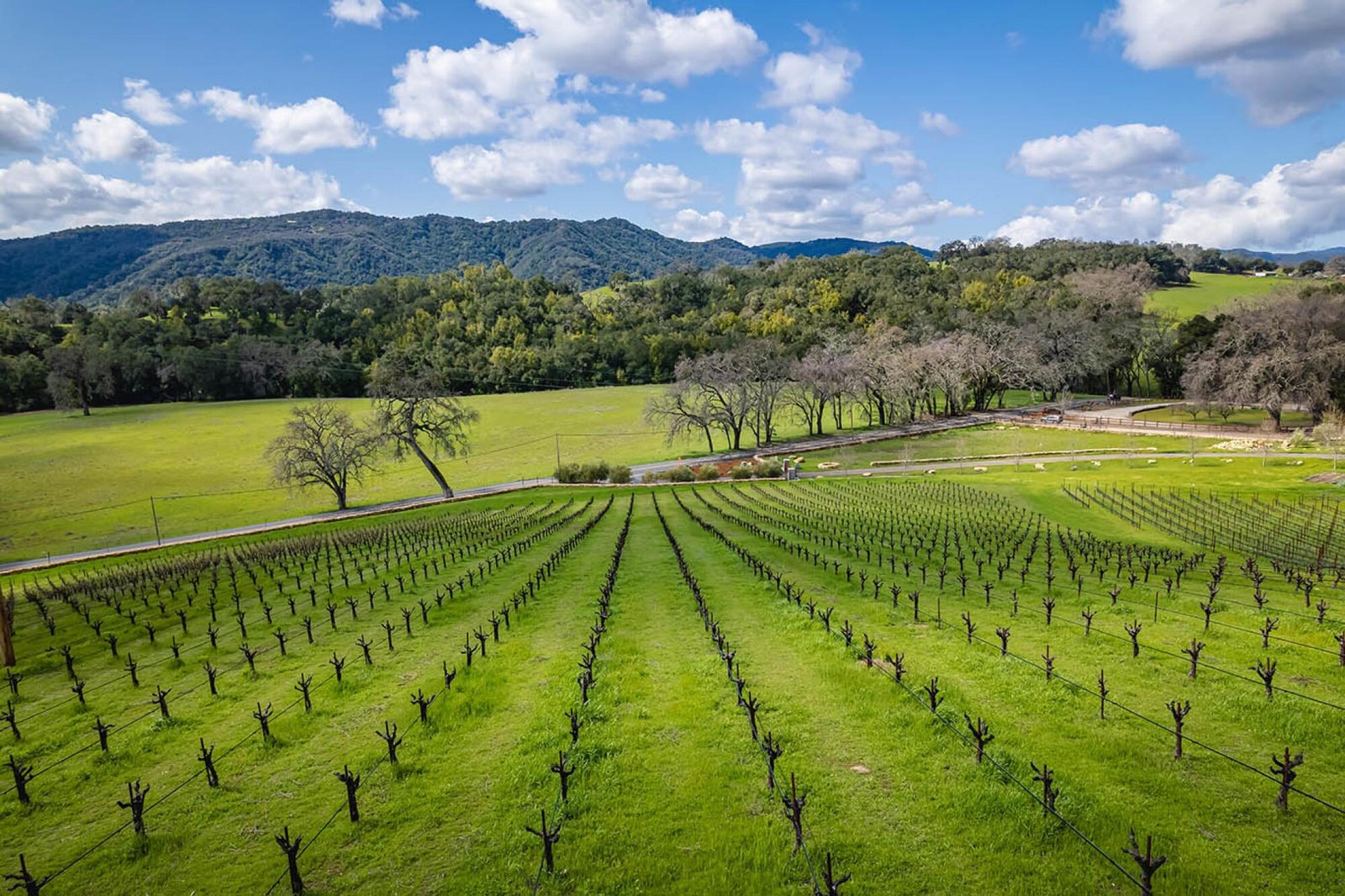
The slope, elevation, and orientation of a vineyard can dramatically influence wine character. South-facing slopes in the Northern Hemisphere capture more sunlight, promoting ripening. Elevation affects temperature swings; high-altitude vineyards often produce grapes with intense aromatics and vibrant acidity. Even wind patterns and fog exposure are crucial—think of coastal vineyards in Chile or Sonoma, where fog moderates heat and protects grapes from overripening.


Human Influence: Terroir is Not Just Nature
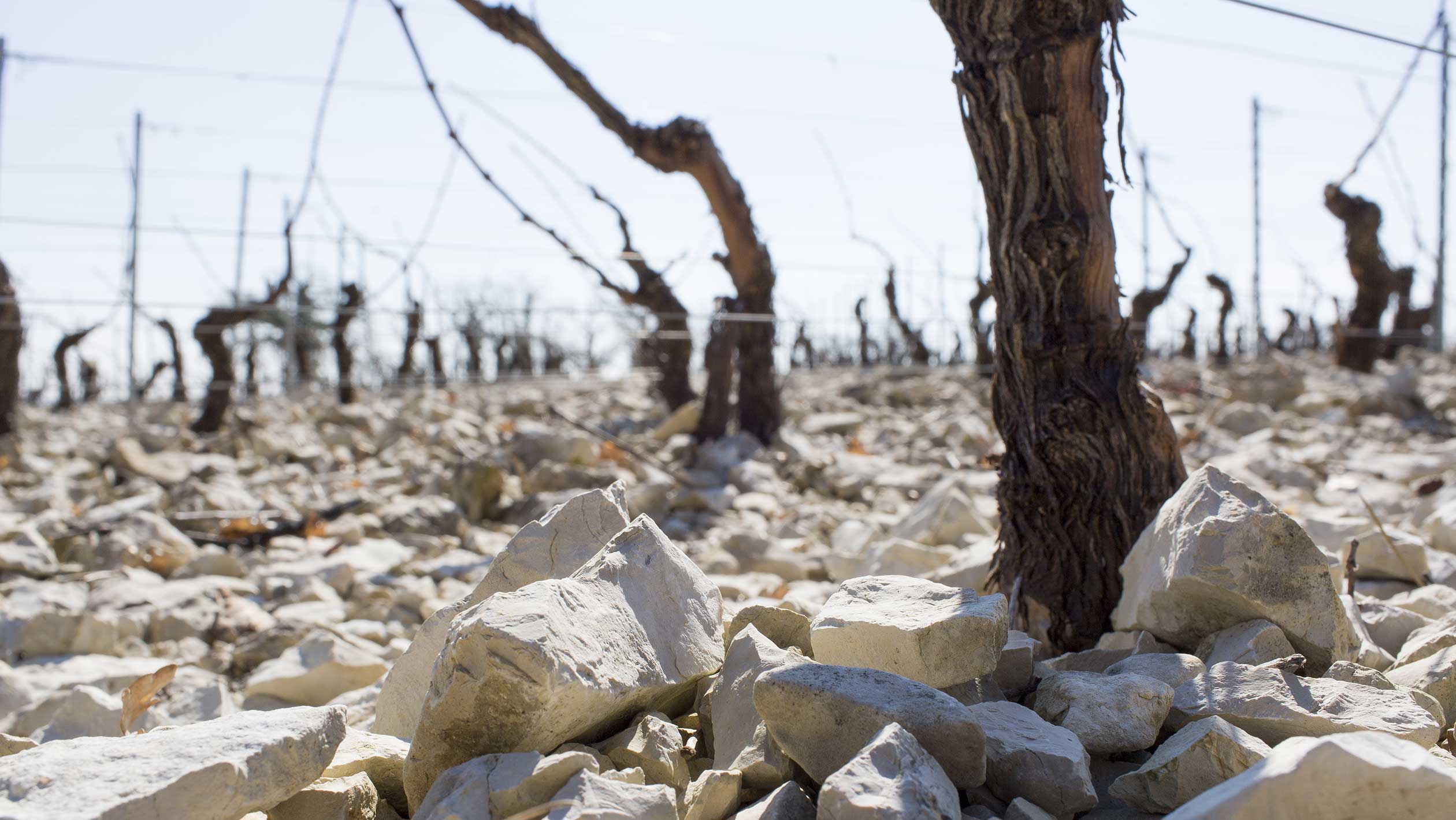
A Closer Look at the Role of Limestone Soil in Wine | SevenFifty Daily

Terroir is often thought of as purely natural, but human decisions are a fundamental part of it. Vineyard management—pruning, canopy control, irrigation, harvest timing—interacts with natural elements to shape wine. Traditional practices, like hand-harvesting and natural fermentation, preserve the vineyard’s expression, while modern interventions, such as precision irrigation or mechanical harvesting, can alter or standardize it.

In essence, terroir is a collaboration between nature and nurture. The land provides the canvas, and the winemaker paints with skill, restraint, and vision.


Terroir and Grape Varieties: The Perfect Match

Not all grapes express terroir equally. Some varieties are more “transparent,” meaning they reflect their environment more clearly, while others are more resilient and mask environmental differences.

  • Pinot Noir: Highly sensitive to soil and climate, it often reveals the subtleties of its vineyard. A Pinot Noir from Oregon will taste markedly different from one in Burgundy.
  • Cabernet Sauvignon: More robust, it can thrive in various climates, often expressing its varietal characteristics over terroir nuances.
  • Chardonnay: A chameleon grape; in cool climates it is crisp and mineral, in warm climates it becomes rich and tropical.

Understanding the interplay between grape and terroir allows winemakers to make informed choices about planting, vineyard management, and wine style.


Does Terroir Really Affect Flavor?

The debate is ongoing. Some critics argue that terroir is overstated, pointing out that winemaking techniques, oak aging, and blending can mask environmental influences. Others contend that terroir is palpable to the trained palate.

In practice, wines with strong terroir often exhibit:

  • Minerality: Subtle saline, flinty, or earthy notes.
  • Acid structure: Reflecting the ripening pattern influenced by sun, wind, and soil.
  • Aromatic complexity: Unique floral, herbal, or spicy hints tied to the vineyard ecosystem.

For example, Rieslings from the Mosel convey slate-driven minerality, while the same grape from Alsace may feel richer and more opulent due to different soils and sunlight exposure.


Terroir Beyond Soil and Climate: Microbial Magic

Recent research has revealed that microbes—yeasts, bacteria, and fungi living in the vineyard—play a critical role in shaping wine. Different soils host distinct microbial populations that influence fermentation and aromatic development. This adds another layer of uniqueness to terroir, making it not just about where a grape grows, but also about which tiny organisms accompany it.


Famous Terroirs and Their Signatures

Some wine regions are celebrated precisely because of their terroir:

  • Bordeaux, France: Gravelly soils, maritime climate, and careful varietal blending produce structured, age-worthy reds.
  • Burgundy, France: Limestone-rich soils and small, fragmented vineyards lead to nuanced, terroir-driven Pinot Noirs and Chardonnays.
  • Napa Valley, California: Volcanic soils, warm sunshine, and innovative viticulture yield bold, fruit-forward Cabernet Sauvignons.
  • Barolo, Italy: The foggy, calcareous hills of Piedmont create Nebbiolo wines with pronounced tannins and ethereal aromas.

These regions exemplify how terroir influences both wine style and cultural identity.


Terroir and the Wine Consumer: Why It Matters to You

Understanding terroir elevates wine appreciation. When you sip a wine that truly reflects its vineyard, you are tasting a place and a story. Terroir also helps consumers:

  • Choose wines thoughtfully: Knowing the climate and soil preferences of a grape can guide selection.
  • Compare wines meaningfully: Terroir highlights differences between bottles that might otherwise appear similar.
  • Connect with history and culture: Each bottle carries centuries of tradition and land stewardship.
This Grape Is the Secret Behind Oregon's Most Structured, Elegant Rosés

For sommeliers, terroir is a lens through which they can pair wines with food, anticipate aging potential, and guide patrons through sensory experiences.


Terroir in a Changing Climate

Climate change is shifting traditional notions of terroir. Warmer temperatures, unpredictable rainfall, and extreme weather events are altering ripening patterns and soil conditions. Some regions may lose classic expressions of their terroir, while others may emerge as new hotspots.

Winemakers are responding with adaptive strategies:

  • Selecting heat-tolerant grape varieties.
  • Adjusting vineyard orientation and spacing.
  • Experimenting with irrigation and cover crops.

Terroir is no longer static; it’s a dynamic relationship between land, climate, and human ingenuity.


Terroir in the Modern Wine Market

In today’s globalized wine market, terroir has also become a powerful marketing tool. Labels proudly declaring appellations, single-vineyard origins, or geographic specificity cater to consumers seeking authenticity and uniqueness. While marketing may exaggerate sometimes, true terroir-driven wines still command respect among connoisseurs and collectors for their complexity and identity.


Misconceptions About Terroir

  • It’s not just soil: Climate, topography, and human influence are equally crucial.
  • It doesn’t guarantee quality: A vineyard can have exceptional terroir but produce mediocre wine if mishandled.
  • It’s not only for old-world wines: New-world regions, from South Africa to New Zealand, are producing terroir-driven wines that rival European classics.

Understanding these nuances helps separate marketing hype from genuine vineyard expression.


Terroir and Wine Education

For enthusiasts, mastering terroir is like learning a new language. It involves:

  • Tasting with intention: Identifying mineral notes, acid balance, and aroma profiles.
  • Studying regional differences: Recognizing how the same grape varies across soils and climates.
  • Visiting vineyards: Experiencing first-hand the impact of slope, sunlight, and soil on grape quality.

The more you explore terroir, the more profound your appreciation becomes, turning casual drinking into a rich, sensory adventure.


Final Thoughts: Terroir as the Soul of Wine

Terroir is an intricate tapestry woven from soil, climate, topography, microbes, and human care. It’s the invisible signature that transforms grapes into a narrative. Whether you’re sipping a delicate Burgundy Pinot Noir, a bold Napa Cabernet, or a lively Riesling from Mosel, understanding terroir adds depth and context to every glass.

So next time you pour a bottle of wine, take a moment to consider its origins. Imagine the sun, wind, rain, and soil that nurtured those grapes. Terroir isn’t just a word—it’s the essence of why wine is one of humanity’s most beautiful expressions of place, culture, and nature.

Tags: flavorterroirvintage Champagnewine regions
ShareTweetShare

Related Posts

Can Beer Be an Effective Ingredient in Culinary Cooking?
ALL

Can Beer Be an Effective Ingredient in Culinary Cooking?

January 22, 2026
Second Fermentation in Champagne: Is It Really That Crucial?
ALL

Second Fermentation in Champagne: Is It Really That Crucial?

January 22, 2026
How Do Different Grains Impact the Flavor Profile of Distilled Spirits?
ALL

How Do Different Grains Impact the Flavor Profile of Distilled Spirits?

January 22, 2026
How Do Whiskey Master Blenders Create Perfection?
ALL

How Do Whiskey Master Blenders Create Perfection?

January 22, 2026
Wine Pairings: Can They Change the Flavor Profile of a Dish?
ALL

Wine Pairings: Can They Change the Flavor Profile of a Dish?

January 22, 2026
Beer the Ultimate Beverage for Pairing with Spicy Food?
ALL

Beer the Ultimate Beverage for Pairing with Spicy Food?

January 21, 2026
Leave Comment
  • Trending
  • Comments
  • Latest
What Hidden Craftsmanship Lies Behind a Bottle of Quality Grain Spirits?

What Hidden Craftsmanship Lies Behind a Bottle of Quality Grain Spirits?

July 3, 2025
How Is Champagne Made? The Secrets Behind the Sparkle

How Is Champagne Made? The Secrets Behind the Sparkle

April 15, 2025
Grain Spirits vs. Traditional Distilled Spirits: Which One Suits Your Taste?

Grain Spirits vs. Traditional Distilled Spirits: Which One Suits Your Taste?

July 3, 2025
Champagne Bubbles: How Do They Perfectly Convey Celebration, Joy, and Luxury?

Champagne Bubbles: How Do They Perfectly Convey Celebration, Joy, and Luxury?

July 2, 2025
The Timeless Elegance of Wine: A Journey Through History and Culture

The Timeless Elegance of Wine: A Journey Through History and Culture

Why Is Château Lafite Rothschild the Pinnacle of Fine Wine?

Why Is Château Lafite Rothschild the Pinnacle of Fine Wine?

How Did Château Lafite Rothschild Become a Global Icon of Luxury?

How Did Château Lafite Rothschild Become a Global Icon of Luxury?

What Makes Chateau Lafite Rothschild the Pinnacle of Bordeaux Wines?

What Makes Chateau Lafite Rothschild the Pinnacle of Bordeaux Wines?

Can Beer Be an Effective Ingredient in Culinary Cooking?

Can Beer Be an Effective Ingredient in Culinary Cooking?

January 22, 2026
Second Fermentation in Champagne: Is It Really That Crucial?

Second Fermentation in Champagne: Is It Really That Crucial?

January 22, 2026
How Do Different Grains Impact the Flavor Profile of Distilled Spirits?

How Do Different Grains Impact the Flavor Profile of Distilled Spirits?

January 22, 2026
How Do Whiskey Master Blenders Create Perfection?

How Do Whiskey Master Blenders Create Perfection?

January 22, 2026
SipsavorLife

Welcome to our comprehensive beverage guide, where you can explore the fascinating world of alcoholic drinks. From exquisite wines and rich whiskeys to refreshing beers and sparkling champagnes, we provide insights, tips, and recommendations for enthusiasts and casual drinkers alike. Discover your next favorite libation with us!

© 2025 sipsavorlife.com. contacts:sipsavorlife-35376@gmail.com

No Result
View All Result
  • Home
  • Wine
  • Whiskey
  • Beer
  • Grain Spirits
  • Champagne
  • ALL

© 2025 sipsavorlife.com. contacts:sipsavorlife-35376@gmail.com

Welcome Back!

Login to your account below

Forgotten Password?

Retrieve your password

Please enter your username or email address to reset your password.

Log In