






























Beer has been quenching thirsts and igniting conversations for thousands of years. From ancient Mesopotamian brews to the booming craft beer movement of today, the drink has continuously evolved. But when it comes to what gives beer its distinctive punch—the element that teases the palate, balances sweetness, and lingers in memory—it all often comes down to one unassuming plant: hops. While malt provides the body and yeast drives fermentation, hops are the unsung heroes behind the aroma, flavor, and bitterness that define a great beer.
The Botanical Backbone: What Are Hops?
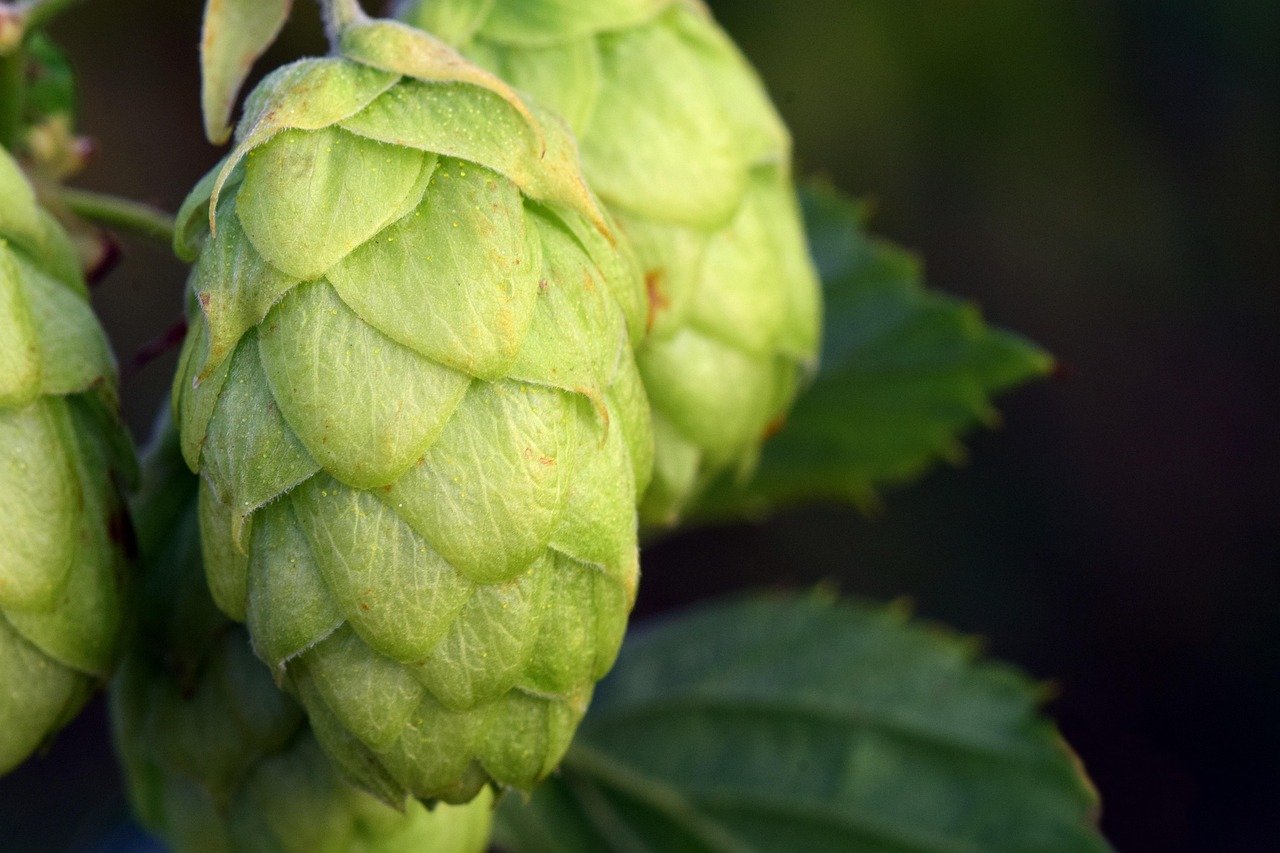
Hops, scientifically known as Humulus lupulus, are climbing plants native to Europe, North America, and parts of Asia. While they might look like ordinary green cones dangling from vines, these tiny blossoms are chemically rich powerhouses. Hops contain alpha acids, beta acids, essential oils, and polyphenols—all compounds that directly influence the taste and aroma of beer.
Alpha acids are primarily responsible for bitterness. They are the compounds that, when boiled in wort (the sugary liquid extracted from malt), isomerize and create the sharp, lingering bitterness that balances the sweetness of malt. Beta acids, on the other hand, play a more subtle role in aroma, contributing to the overall depth of flavor but not adding as much bitterness. Essential oils, like myrcene, humulene, and caryophyllene, carry the aromatic complexity—ranging from floral and citrusy to piney and spicy—that can turn a standard brew into an olfactory experience.
A Historical Sip: How Hops Entered Brewing
Hops weren’t always a staple of brewing. Ancient beers were bittered using a mixture of herbs and spices called “gruit,” which often included ingredients like yarrow, bog myrtle, and heather. While gruit added bitterness, it was inconsistent in flavor and sometimes even spoiled quickly.
The introduction of hops in brewing is traced back to the 9th century, but their widespread adoption didn’t occur until the 13th and 14th centuries in Europe. Hops offered not only a reliable bitterness but also preservative qualities, thanks to their antibacterial properties. This allowed beer to last longer, a significant advantage before modern refrigeration.
Germany, the Netherlands, and later England became hotbeds of hop cultivation. Each region began experimenting with varieties, discovering that subtle differences in hop type could dramatically alter the flavor profile of beer. Over time, hops evolved from a preservative tool to a key instrument in flavor design.
Hops and the Flavor Symphony
Beer is a balancing act of sweetness, bitterness, and aroma. Without hops, the malt would dominate, producing an overly sweet or cloying beer. But when hops enter the equation, magic happens.
Bitterness: The Counterbalance
Bitterness in beer is measured in International Bitterness Units (IBUs). A low-IBU beer, like a Hefeweizen, may register around 10–20 IBUs, barely noticeable to the average drinker. By contrast, an intensely hopped IPA may exceed 70 IBUs, delivering a pronounced bitterness that counteracts the malt’s sugar and creates a crisp, refreshing finish.
Aroma: The Invisible Signature
Hop aroma is as important as bitterness. Dry hopping, a technique where hops are added after fermentation, allows essential oils to infuse the beer without adding additional bitterness. This produces beer with floral, fruity, or piney notes that tantalize the senses. Some hops provide tropical fruit aromas reminiscent of mango or passionfruit, while others lean toward earthy or herbal profiles.
Complexity: Layering Flavors
Hops don’t just create a one-note bitterness or a single aroma. Skilled brewers layer different hop varieties and time their additions strategically during the brewing process. Early boil additions emphasize bitterness, late boil additions enhance aroma, and post-fermentation dry hopping magnifies scent. The result is a complex flavor profile that can evolve in the glass, giving drinkers something new to discover with each sip.
:max_bytes(150000):strip_icc()/sea-tier-3-spiegelau-craft-ipa-glasses-hwortock-008-003-ee837ab5253a4707837e18d32247f380.jpeg)
The Science Behind Hops’ Boldness
The boldness of hops comes down to chemistry. Alpha acids like humulone, cohumulone, and adhumulone react with heat during boiling to form iso-alpha acids, the primary bittering agents. Iso-alpha acids are not only bitter; they interact with taste receptors and olfactory neurons to heighten perceived complexity.
Meanwhile, essential oils contain volatile compounds such as monoterpenes and sesquiterpenes, which interact with our sense of smell. Since taste and aroma are intertwined, these oils can enhance the perception of bitterness, sweetness, and even mouthfeel. In essence, hops do more than simply make beer bitter—they orchestrate a sensory experience that activates multiple senses at once.
Polyphenols in hops also contribute to mouthfeel, adding a subtle astringency and body. They may also interact with proteins in beer to influence clarity and stability, which is why certain hoppy beers develop a slightly hazy appearance.
Hops Around the World: Regional Varieties
Not all hops are created equal. Different varieties bring unique aromas, bitterness levels, and chemical compositions, giving brewers endless tools to shape flavor.
- Saaz: A traditional Czech hop, Saaz is known for its delicate, earthy aroma and low bitterness. It’s a key ingredient in classic Pilsners.
- Cascade: Famous in American craft beer, Cascade hops offer citrusy, floral notes, often associated with West Coast IPAs.
- Centennial: Sometimes called a “super Cascade,” Centennial hops deliver a bold balance of floral and citrus flavors with moderate bitterness.
- Fuggle: An English variety, Fuggle hops are subtle and woody, lending a mellow, herbal aroma ideal for ales and stouts.
- Galaxy: An Australian hop known for intense tropical fruit notes, including passionfruit and peach, perfect for modern hop-forward beers.
Each variety is more than a flavor agent—it’s a signature of terroir, capturing the climate, soil, and cultivation practices of its origin. Just like wine, the same hop grown in a different region can express subtly different flavors, giving brewers another layer of creative latitude.
The Role of Hops in Beer Styles
Hops define styles as much as yeast or malt.
- Lagers and Pilsners: Typically light, crisp, and moderately hopped. The hops provide a clean, refreshing bitterness without overwhelming the malt.
- IPAs (India Pale Ales): Characterized by high hop content and bold, often aggressive bitterness. Aromas can range from citrus and pine to tropical fruit, depending on the hops.
- Stouts and Porters: Hops are used sparingly but strategically to balance roasted malt flavors, creating a smooth yet complex mouthfeel.
- Belgian Ales: Often feature spicy, floral hop notes that complement fruity yeast esters rather than overpowering them.
Through these styles, it becomes clear that hops are not a monolithic ingredient. They are dynamic and versatile, shaping beer from subtle nuance to bold statement.
Modern Innovations: Beyond Traditional Hops
The craft beer revolution has propelled hops into uncharted territory. Breeders and scientists now develop new hop strains with targeted aroma and flavor profiles. Some focus on low-bittering hops for sessionable beers with intense aroma, while others explore high-alpha hops that deliver extreme bitterness for experimental IPAs.
Brewing technology has also advanced. Techniques like dry hopping, hop bursting, and cryo-hopping allow brewers to maximize aroma without excessive bitterness. Cryo-hops, in particular, are processed to concentrate lupulin (the resinous core of the hop cone), providing intense flavor and aroma while reducing vegetal matter that can create off-flavors.
Hybrid beers, barrel-aged hoppy stouts, and hazy IPAs are all products of these modern innovations. Hops are no longer just a balancing tool—they are a canvas for creativity, a way to craft a signature flavor identity for breweries around the world.
Health Perceptions and Hops
While beer is primarily consumed for enjoyment, hops have historically been recognized for medicinal properties. Early European herbalists considered hops a sedative and digestive aid. Modern research points to compounds in hops with antioxidant, anti-inflammatory, and mild sedative effects. Iso-alpha acids may even support digestive health and metabolic function.
That said, the health impact of beer is moderated by alcohol content and consumption level. Hops alone aren’t a health supplement, but their presence enriches the sensory and functional qualities of beer.
Cultural Impact: Hops as a Status Symbol
Hops have also played a role in the cultural and economic fabric of brewing. Hoppy beers often carry an aura of sophistication and adventure. A well-hopped IPA can symbolize craft mastery, innovation, and bold taste—a reflection of the brewer’s artistry and the drinker’s curiosity.
Historically, hop cultivation influenced rural economies in Europe and America. Towns and regions became synonymous with their hops, much like Champagne is linked to sparkling wine or Cognac to brandy. Today, hop festivals, tasting events, and hop-forward competitions celebrate this botanical marvel, cementing its status as more than an ingredient—it’s a cultural icon.
Challenges and Sustainability in Hop Production
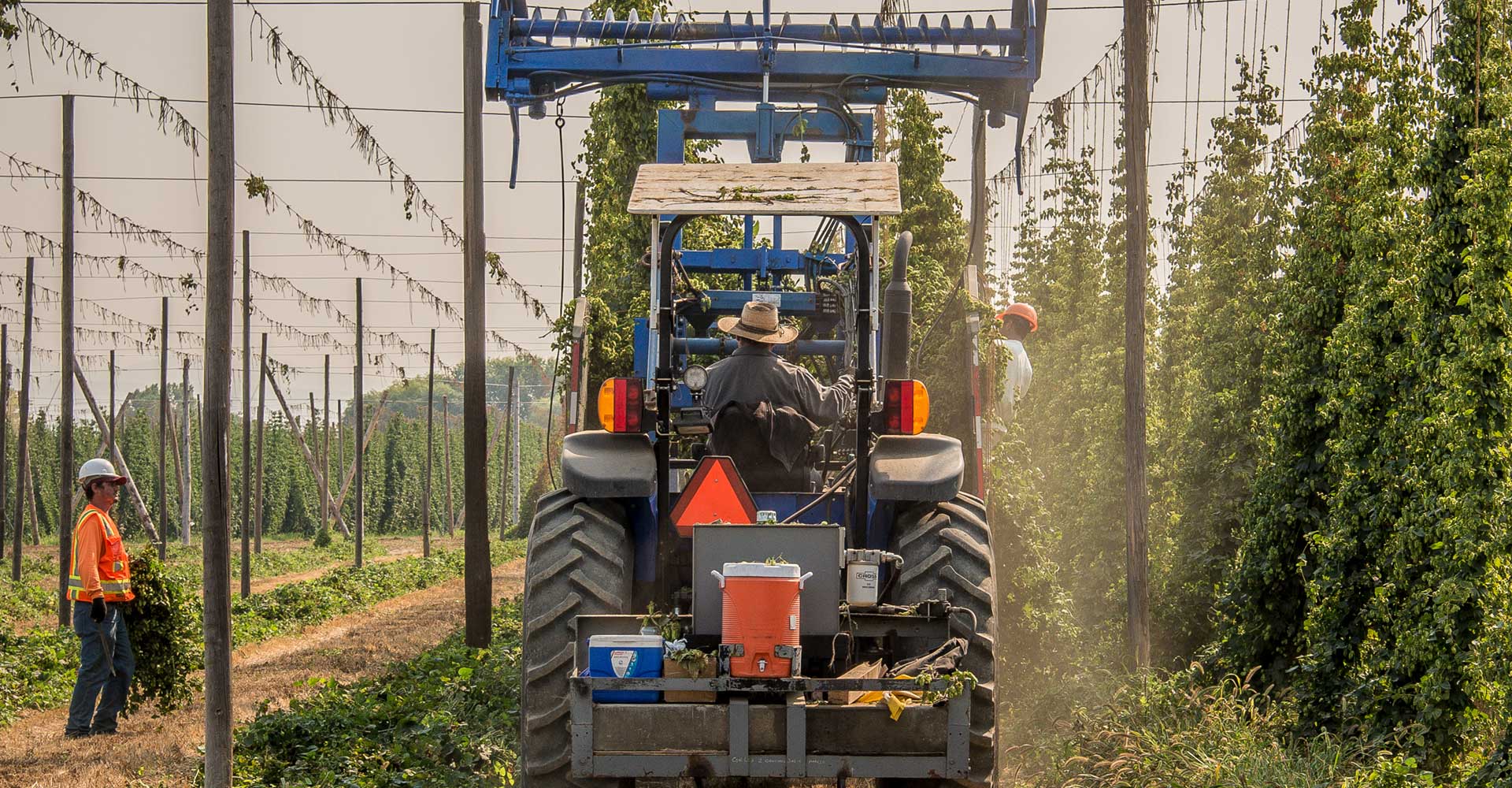
Despite its importance, hops face agricultural challenges. They are sensitive to climate, pests, and disease. Successful cultivation requires precise soil, irrigation, and temperature conditions. Climate change threatens traditional hop-growing regions, forcing innovation in irrigation, pest management, and even hop genetics.
Sustainability initiatives are emerging, from organic cultivation to water-efficient practices. Some breweries are experimenting with locally grown hops, reducing carbon footprints while supporting regional economies. In this way, the hop plant doesn’t just influence flavor—it shapes the future of brewing itself.
Conclusion: Are Hops the Secret Ingredient?
So, is hops the secret behind beer’s bold flavor? Absolutely—but it’s not the only ingredient. Beer is a symphony of malt, yeast, water, and hops, each contributing its voice. Yet hops play the role of conductor, orchestrating bitterness, aroma, and complexity in ways that define the modern beer experience. Without hops, beer would be sweeter, flatter, and far less adventurous. With hops, brewers can craft everything from a delicate Pilsner to a tropical IPA with pungent floral notes.
In essence, hops aren’t just a component—they are a story. A story of biology, chemistry, culture, and creativity. Every sip of hoppy beer connects us to centuries of brewing tradition while inviting us to explore new sensory landscapes. Hops are bold, complex, and unforgettable—much like the beers they define.
For anyone curious about beer, understanding hops is not optional—it’s essential. They are, indeed, the secret ingredient behind beer’s bold flavor.










