






SipsavorLife
  • Home
  • Wine
    The History, Culture, and Global Influence of Humanity’s Most Celebrated Beverage

    The Wine Revolution: How Modern Winemaking Transformed a Global Industry

    The History, Culture, and Global Influence of Humanity’s Most Celebrated Beverage

    Wine Styles of the World: A Complete Guide to Red, White, Rosé, Sparkling, and Fortified Wines

    The History, Culture, and Global Influence of Humanity’s Most Celebrated Beverage

    The Global Wine Industry: Markets, Trade, Tourism, and Economic Impact

    The History, Culture, and Global Influence of Humanity’s Most Celebrated Beverage

    The Science of Wine: Grapes, Fermentation, and Flavor Development

    The History, Culture, and Global Influence of Humanity’s Most Celebrated Beverage

    The History, Culture, and Global Influence of Humanity’s Most Celebrated Beverage

    The Cultural History of Wine: From Ancient Rituals to Modern Luxury

    The Psychology of Wine: Why Humans Associate Wine with Emotion, Memory, and Identity

  • Whiskey
    Can Beer Be an Effective Ingredient in Culinary Cooking?

    Can Beer Be an Effective Ingredient in Culinary Cooking?

    Second Fermentation in Champagne: Is It Really That Crucial?

    Second Fermentation in Champagne: Is It Really That Crucial?

    How Do Different Grains Impact the Flavor Profile of Distilled Spirits?

    How Do Different Grains Impact the Flavor Profile of Distilled Spirits?

    How Do Whiskey Master Blenders Create Perfection?

    How Do Whiskey Master Blenders Create Perfection?

    Wine Pairings: Can They Change the Flavor Profile of a Dish?

    Wine Pairings: Can They Change the Flavor Profile of a Dish?

    Beer the Ultimate Beverage for Pairing with Spicy Food?

    Beer the Ultimate Beverage for Pairing with Spicy Food?

  • Beer
    Malt Beer: Why Does Its Sweet Malty Aroma Always Bring Endless Satisfaction?

    The Craft Beer Revolution: How Independent Breweries Changed the World of Beer

    Beer: The World’s Oldest and Most Influential Beverage

    Beer Styles of the World: A Complete Guide to Lager, Ale, Stout, IPA, and Beyond

    Beer: The World’s Oldest and Most Influential Beverage

    The Global Beer Industry: Markets, Brands, and Economic Impact

    Beer: The World’s Oldest and Most Influential Beverage

    The Science of Beer: Ingredients, Fermentation, and Flavor

    Beer: The World’s Oldest and Most Influential Beverage

    Beer: The World’s Oldest and Most Influential Beverage

    Beer as a Cultural and Social Force: From Ancient Brew to Modern Identity

    Women in Brewing: The Untold History and Modern Transformation of Beer Culture

  • Grain Spirits
    Grain Spirits: The Origins, Science, and Global Evolution of Distilled Grain Alcohol

    Bourbon: America’s Native Grain Spirit and the Global Story of Corn, Oak, Fire, and Time

    Grain Spirits: The Origins, Science, and Global Evolution of Distilled Grain Alcohol

    Gin: Botanicals, History, Cocktail Culture, and the Artistic Evolution of the World’s Most Aromatic Grain Spirit

    Grain Spirits: The Origins, Science, and Global Evolution of Distilled Grain Alcohol

    Vodka: The Global Rise of the World’s Most Versatile Grain Spirit

    Grain Spirits: The Origins, Science, and Global Evolution of Distilled Grain Alcohol

    Whiskey and the Soul of Grain Spirits: History, Craftsmanship, Culture, and the Global Rise of the World’s Most Iconic Distilled Grain Beverage

    Grain Spirits: The Origins, Science, and Global Evolution of Distilled Grain Alcohol

    Grain Spirits: The Origins, Science, and Global Evolution of Distilled Grain Alcohol

    Grain Spirits Explained — The Foundation of Global Distillation

    The Future of Grain Spirits — Technology, Sustainability, and the Next Era of Distillation

  • Champagne
    Champagne: The Sparkling Wine That Changed Global Celebration Culture

    Dom Pérignon, Cristal, Krug, and Beyond: The World’s Most Famous Champagne Houses and Their Legacy

    Champagne Beyond Celebration: The History, Craftsmanship, and Global Influence of the World’s Most Iconic Sparkling Wine

    The Future of Champagne: Climate Change, Innovation, Sustainability, and the Next Era of Sparkling Wine

    Champagne Beyond Celebration: The History, Craftsmanship, and Global Influence of the World’s Most Iconic Sparkling Wine

    Champagne and Luxury Culture: How Sparkling Wine Became a Global Symbol of Wealth, Celebration, and Prestige

    Champagne Beyond Celebration: The History, Craftsmanship, and Global Influence of the World’s Most Iconic Sparkling Wine

    The Art of Champagne Production: Inside the Science, Skill, and Tradition Behind Every Bottle

    Champagne Beyond Celebration: The History, Craftsmanship, and Global Influence of the World’s Most Iconic Sparkling Wine

    Champagne Beyond Celebration: The History, Craftsmanship, and Global Influence of the World’s Most Iconic Sparkling Wine

    Champagne: The Sparkling Wine That Changed Global Celebration Culture

    Champagne vs Prosecco vs Cava: How the World’s Sparkling Wines Reflect Culture, Geography, and Taste

  • ALL
    Can Beer Be an Effective Ingredient in Culinary Cooking?

    Can Beer Be an Effective Ingredient in Culinary Cooking?

    Second Fermentation in Champagne: Is It Really That Crucial?

    Second Fermentation in Champagne: Is It Really That Crucial?

    How Do Different Grains Impact the Flavor Profile of Distilled Spirits?

    How Do Different Grains Impact the Flavor Profile of Distilled Spirits?

    How Do Whiskey Master Blenders Create Perfection?

    How Do Whiskey Master Blenders Create Perfection?

    Wine Pairings: Can They Change the Flavor Profile of a Dish?

    Wine Pairings: Can They Change the Flavor Profile of a Dish?

    Beer the Ultimate Beverage for Pairing with Spicy Food?

    Beer the Ultimate Beverage for Pairing with Spicy Food?

SipsavorLife
  • Home
  • Wine
    The History, Culture, and Global Influence of Humanity’s Most Celebrated Beverage

    The Wine Revolution: How Modern Winemaking Transformed a Global Industry

    The History, Culture, and Global Influence of Humanity’s Most Celebrated Beverage

    Wine Styles of the World: A Complete Guide to Red, White, Rosé, Sparkling, and Fortified Wines

    The History, Culture, and Global Influence of Humanity’s Most Celebrated Beverage

    The Global Wine Industry: Markets, Trade, Tourism, and Economic Impact

    The History, Culture, and Global Influence of Humanity’s Most Celebrated Beverage

    The Science of Wine: Grapes, Fermentation, and Flavor Development

    The History, Culture, and Global Influence of Humanity’s Most Celebrated Beverage

    The History, Culture, and Global Influence of Humanity’s Most Celebrated Beverage

    The Cultural History of Wine: From Ancient Rituals to Modern Luxury

    The Psychology of Wine: Why Humans Associate Wine with Emotion, Memory, and Identity

  • Whiskey
    Can Beer Be an Effective Ingredient in Culinary Cooking?

    Can Beer Be an Effective Ingredient in Culinary Cooking?

    Second Fermentation in Champagne: Is It Really That Crucial?

    Second Fermentation in Champagne: Is It Really That Crucial?

    How Do Different Grains Impact the Flavor Profile of Distilled Spirits?

    How Do Different Grains Impact the Flavor Profile of Distilled Spirits?

    How Do Whiskey Master Blenders Create Perfection?

    How Do Whiskey Master Blenders Create Perfection?

    Wine Pairings: Can They Change the Flavor Profile of a Dish?

    Wine Pairings: Can They Change the Flavor Profile of a Dish?

    Beer the Ultimate Beverage for Pairing with Spicy Food?

    Beer the Ultimate Beverage for Pairing with Spicy Food?

  • Beer
    Malt Beer: Why Does Its Sweet Malty Aroma Always Bring Endless Satisfaction?

    The Craft Beer Revolution: How Independent Breweries Changed the World of Beer

    Beer: The World’s Oldest and Most Influential Beverage

    Beer Styles of the World: A Complete Guide to Lager, Ale, Stout, IPA, and Beyond

    Beer: The World’s Oldest and Most Influential Beverage

    The Global Beer Industry: Markets, Brands, and Economic Impact

    Beer: The World’s Oldest and Most Influential Beverage

    The Science of Beer: Ingredients, Fermentation, and Flavor

    Beer: The World’s Oldest and Most Influential Beverage

    Beer: The World’s Oldest and Most Influential Beverage

    Beer as a Cultural and Social Force: From Ancient Brew to Modern Identity

    Women in Brewing: The Untold History and Modern Transformation of Beer Culture

  • Grain Spirits
    Grain Spirits: The Origins, Science, and Global Evolution of Distilled Grain Alcohol

    Bourbon: America’s Native Grain Spirit and the Global Story of Corn, Oak, Fire, and Time

    Grain Spirits: The Origins, Science, and Global Evolution of Distilled Grain Alcohol

    Gin: Botanicals, History, Cocktail Culture, and the Artistic Evolution of the World’s Most Aromatic Grain Spirit

    Grain Spirits: The Origins, Science, and Global Evolution of Distilled Grain Alcohol

    Vodka: The Global Rise of the World’s Most Versatile Grain Spirit

    Grain Spirits: The Origins, Science, and Global Evolution of Distilled Grain Alcohol

    Whiskey and the Soul of Grain Spirits: History, Craftsmanship, Culture, and the Global Rise of the World’s Most Iconic Distilled Grain Beverage

    Grain Spirits: The Origins, Science, and Global Evolution of Distilled Grain Alcohol

    Grain Spirits: The Origins, Science, and Global Evolution of Distilled Grain Alcohol

    Grain Spirits Explained — The Foundation of Global Distillation

    The Future of Grain Spirits — Technology, Sustainability, and the Next Era of Distillation

  • Champagne
    Champagne: The Sparkling Wine That Changed Global Celebration Culture

    Dom Pérignon, Cristal, Krug, and Beyond: The World’s Most Famous Champagne Houses and Their Legacy

    Champagne Beyond Celebration: The History, Craftsmanship, and Global Influence of the World’s Most Iconic Sparkling Wine

    The Future of Champagne: Climate Change, Innovation, Sustainability, and the Next Era of Sparkling Wine

    Champagne Beyond Celebration: The History, Craftsmanship, and Global Influence of the World’s Most Iconic Sparkling Wine

    Champagne and Luxury Culture: How Sparkling Wine Became a Global Symbol of Wealth, Celebration, and Prestige

    Champagne Beyond Celebration: The History, Craftsmanship, and Global Influence of the World’s Most Iconic Sparkling Wine

    The Art of Champagne Production: Inside the Science, Skill, and Tradition Behind Every Bottle

    Champagne Beyond Celebration: The History, Craftsmanship, and Global Influence of the World’s Most Iconic Sparkling Wine

    Champagne Beyond Celebration: The History, Craftsmanship, and Global Influence of the World’s Most Iconic Sparkling Wine

    Champagne: The Sparkling Wine That Changed Global Celebration Culture

    Champagne vs Prosecco vs Cava: How the World’s Sparkling Wines Reflect Culture, Geography, and Taste

  • ALL
    Can Beer Be an Effective Ingredient in Culinary Cooking?

    Can Beer Be an Effective Ingredient in Culinary Cooking?

    Second Fermentation in Champagne: Is It Really That Crucial?

    Second Fermentation in Champagne: Is It Really That Crucial?

    How Do Different Grains Impact the Flavor Profile of Distilled Spirits?

    How Do Different Grains Impact the Flavor Profile of Distilled Spirits?

    How Do Whiskey Master Blenders Create Perfection?

    How Do Whiskey Master Blenders Create Perfection?

    Wine Pairings: Can They Change the Flavor Profile of a Dish?

    Wine Pairings: Can They Change the Flavor Profile of a Dish?

    Beer the Ultimate Beverage for Pairing with Spicy Food?

    Beer the Ultimate Beverage for Pairing with Spicy Food?

SipsavorLife
No Result
View All Result
Home ALL

Is There a Difference Between Blanc de Blancs and Blanc de Noirs Champagne?

January 17, 2026
in ALL, Champagne
Is There a Difference Between Blanc de Blancs and Blanc de Noirs Champagne?

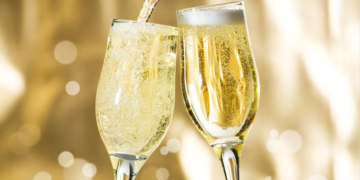
Champagne—the very word evokes images of celebration, sparkling elegance, and a touch of French luxury. But dive a little deeper into a glass of this iconic sparkling wine, and you quickly encounter the terms Blanc de Blancs and Blanc de Noirs. Are these just marketing labels, or do they hint at a more profound difference in flavor, aroma, and production style? Let’s pop the cork and explore the nuances, history, and tasting experience behind these two Champagne expressions.


Understanding the Basics of Champagne

Before diving into Blanc de Blancs and Blanc de Noirs, it’s important to understand what makes Champagne unique. Champagne is more than just sparkling wine; it is a product of a very specific region in France—the Champagne AOC—and a rigorous set of production standards.

At its core, Champagne is crafted using the traditional method, also known as méthode champenoise. This involves a secondary fermentation in the bottle, which creates the signature bubbles. Unlike Prosecco or Cava, which may use tank fermentation, Champagne’s meticulous bottle-aging process develops complex aromas, creamy textures, and an elegant mousse.


The Grapes Behind the Bubbles

The next key to understanding Blanc de Blancs and Blanc de Noirs is the grapes. Champagne is predominantly made from three grape varieties:

  1. Chardonnay – A white grape offering elegance, citrus notes, floral aromas, and crisp acidity.
  2. Pinot Noir – A black grape contributing structure, red fruit aromas, and a creamy texture.
  3. Pinot Meunier – Another black grape that adds fruitiness, roundness, and early drinkability.

The choice of grape, or combination thereof, is the defining factor behind the distinction between Blanc de Blancs and Blanc de Noirs.


Blanc de Blancs Champagne: Pure Elegance in White

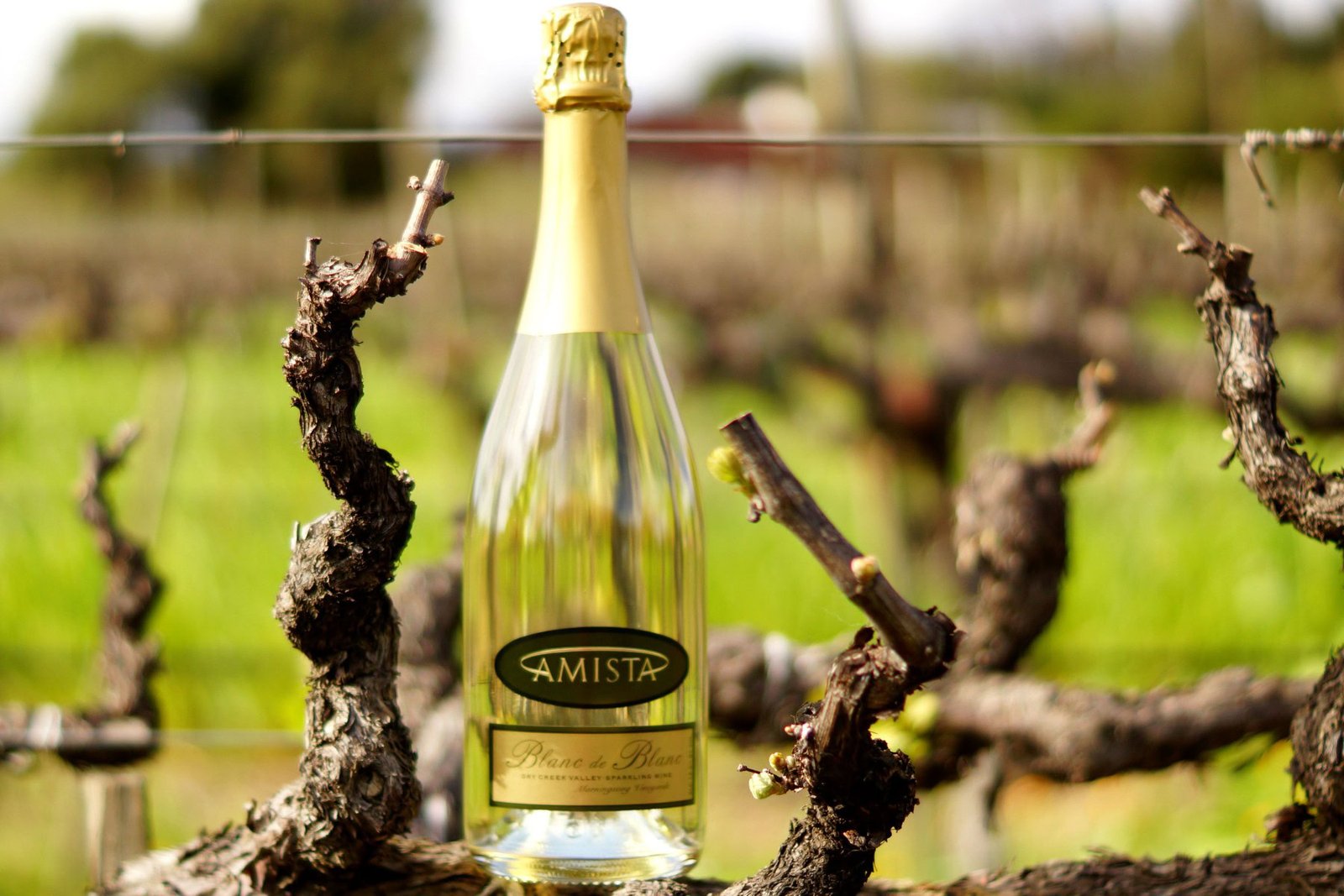
“Blanc de Blancs” translates literally to “white from whites,” meaning it is made entirely from white grapes, most commonly Chardonnay.

Characteristics

  • Appearance: Light straw or pale gold.
  • Aromas: Citrus, green apple, white flowers, and subtle minerality.
  • Palate: Crisp, delicate, and refined. Often shows finesse, zesty acidity, and a lingering floral finish.
  • Structure: Lean but elegant, often more austere than other Champagnes.

Flavor Profile and Experience

Blanc de Blancs is celebrated for its precision. Think of a high-wire act in a circus—each sip feels calculated, graceful, and clean. The high acidity of Chardonnay drives freshness, making these Champagnes perfect for long aging, where they develop nutty, brioche, and honeyed notes over years in the cellar.

Pairing Suggestions

Blanc de Blancs shines with foods that emphasize its elegance rather than overpower it. Examples include:

  • Shellfish: oysters, scallops, lobster
  • Light fish dishes: sole, sea bass
  • Fresh cheeses: goat cheese, ricotta
  • Asian cuisine: sushi and lightly spiced dishes

Famous Styles and Producers

Six of the best: Champagne vineyards to visit | Secret Trips

Some of the most respected Blanc de Blancs Champagnes come from Côte des Blancs, a region celebrated for chalky soils that enhance Chardonnay’s minerality. Producers like Salon, Pierre Peters, and Ruinart Blanc de Blancs highlight how Chardonnay’s purity translates into sparkling artistry.


Blanc de Noirs Champagne: Strength from the Dark Side

“Blanc de Noirs” translates to “white from blacks,” indicating that the Champagne is made entirely from black grape varieties, mainly Pinot Noir or Pinot Meunier. Despite being black-skinned grapes, the juice is pressed gently to avoid coloring the wine, resulting in a white sparkling wine.

Characteristics

  • Appearance: Slightly richer in hue, often pale gold with a hint of rosé-like warmth.
  • Aromas: Red fruits, berries, almond, brioche, sometimes even a touch of spice.
  • Palate: Fuller, rounder, and more robust than Blanc de Blancs, often with a creamy texture.
  • Structure: Strong, bold, and age-worthy, often offering more weight and complexity.

Flavor Profile and Experience

Blanc de Noirs delivers a satisfying mouthfeel with more body and structure, thanks to Pinot Noir and Pinot Meunier. It balances fresh fruitiness with the richness of autolysis (the yeasty, bread-like character developed during aging). While Blanc de Blancs feels like a crisp morning breeze, Blanc de Noirs is more like a warm afternoon sun—bold, comforting, and full of character.

Pairing Suggestions

Because of its fuller body, Blanc de Noirs pairs beautifully with dishes that can stand up to its flavor:

  • Poultry: roasted chicken, duck
  • Creamy seafood: lobster bisque, crab gratin
  • Rich cheeses: Comté, Gruyère
  • Heartier appetizers: charcuterie boards, mushroom dishes

Notable Producers

Blanc de Noirs is often sourced from Montagne de Reims and Vallée de la Marne, regions known for Pinot Noir and Pinot Meunier. Exceptional producers include Bollinger, Louis Roederer, and Veuve Clicquot’s special cuvées.


Key Differences Between Blanc de Blancs and Blanc de Noirs

FeatureBlanc de BlancsBlanc de Noirs
Grapes Used100% Chardonnay100% Pinot Noir or Pinot Meunier
ColorPale straw to light goldSlightly richer pale gold
BodyLight, elegantFuller, rounder
AcidityHigh, crispModerate, balanced
AromasCitrus, floral, mineralRed fruits, almond, subtle spice
MouthfeelLean, delicateCreamy, structured
Ideal PairingsSeafood, light cheeses, sushiPoultry, creamy dishes, charcuterie
AgeabilityExcellent, often decadesGood, but generally shorter than top Blanc de Blancs

Understanding these differences transforms Champagne from a simple luxury indulgence into a curated tasting experience. Knowing which style complements which food or mood enhances both appreciation and enjoyment.


Production Techniques: Why It Matters

While grape selection is the primary factor, production techniques accentuate the differences:

  1. Pressing:
    • Blanc de Blancs requires gentle pressing to preserve Chardonnay’s finesse.
    • Blanc de Noirs needs careful handling to extract juice without color, as Pinot Noir skins can impart color quickly.
  2. Aging on Lees:
    • Both styles benefit from extended aging on the lees (yeast cells), which imparts richness, brioche notes, and complexity.
    • Blanc de Blancs’ acidity keeps it crisp even with long aging, while Blanc de Noirs develops weight and depth.
  3. Blending:
    • Some non-vintage Champagnes blend vintages to maintain consistency.
    • Vintage expressions, especially Blanc de Blancs, often come from a single year to highlight the terroir’s influence.

Terroir Influence: The Subtle Art of Place

Champagne is as much about where the grapes are grown as the grapes themselves. Chalky soils, climate, and slope orientation contribute distinctively to the grape’s character:
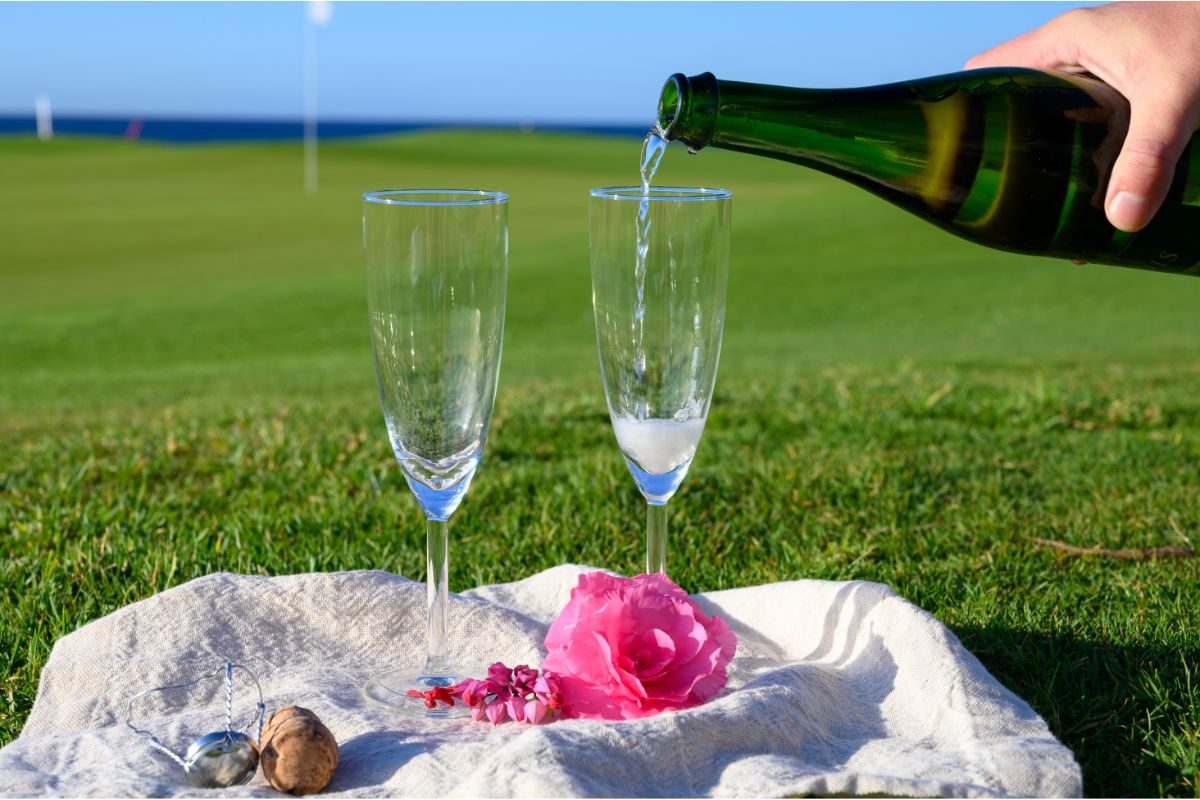
Cava Food Pairing: What To Eat When Sipping Cava - Pinot Days
  • Côte des Blancs: Chardonnay thrives here, producing mineral-driven, zesty Blanc de Blancs.
  • Montagne de Reims & Vallée de la Marne: Pinot Noir and Pinot Meunier dominate, yielding the richness of Blanc de Noirs.

Even subtle differences in soil composition, rainfall, and sun exposure can influence the acidity, aromatic profile, and aging potential of each Champagne type.


Serving and Enjoying Blanc de Blancs vs. Blanc de Noirs

Champagne etiquette enhances appreciation. Here’s a concise guide:

  • Temperature:
    • Blanc de Blancs: 8–10°C (46–50°F)
    • Blanc de Noirs: 10–12°C (50–54°F)
  • Glassware: Use a tulip-shaped flute or white wine glass to focus aromas.
  • Decanting: Generally unnecessary, but older vintage Blanc de Blancs can benefit from brief decanting to reveal complexity.
  • Occasions:
    • Blanc de Blancs: elegant celebrations, refined dinners, delicate courses
    • Blanc de Noirs: festive gatherings, richer meals, winter holidays

Fun Facts to Elevate Your Champagne Knowledge

  • Blanc de Blancs can age gracefully for decades, developing notes of toasted almonds, honey, and subtle spices.
  • Blanc de Noirs is often used in rosé Champagne, where a small proportion of Pinot Noir juice is left in contact with the skins.
  • Champagne bubbles aren’t just for show: fine mousse in Blanc de Blancs tends to be persistent and delicate, while Blanc de Noirs often has creamier, fuller bubbles.
  • World records and luxury labels: Some of the rarest Blanc de Blancs bottles, like Salon’s vintage editions, can fetch thousands of dollars.

Choosing the Right Champagne for You

The choice between Blanc de Blancs and Blanc de Noirs ultimately comes down to personal taste, food pairing, and occasion:

  • Prefer light, crisp, elegant wines with floral aromas? Go for Blanc de Blancs.
  • Crave bold, fruity, structured wines with a creamy texture? Choose Blanc de Noirs.

For those willing to explore, alternating between the two can elevate your appreciation of Champagne as a versatile, sophisticated beverage rather than a singular luxury indulgence.


Conclusion

Blanc de Blancs and Blanc de Noirs are more than simple classifications—they are reflections of grape type, terroir, production style, and aging potential. Blanc de Blancs charms with precision, elegance, and age-worthy finesse. Blanc de Noirs impresses with structure, richness, and a creamy, fruit-forward personality.

Understanding these distinctions transforms Champagne drinking into an exploration of flavor, history, and artistry. Next time you lift a flute of sparkling wine, you won’t just be celebrating—you’ll be savoring centuries of craftsmanship distilled into every bubble.

Tags: champagneChampagne productionsparkling wineterroir
ShareTweetShare

Related Posts

Champagne: The Sparkling Wine That Changed Global Celebration Culture
Champagne

Dom Pérignon, Cristal, Krug, and Beyond: The World’s Most Famous Champagne Houses and Their Legacy

May 27, 2026
Champagne Beyond Celebration: The History, Craftsmanship, and Global Influence of the World’s Most Iconic Sparkling Wine
Champagne

The Future of Champagne: Climate Change, Innovation, Sustainability, and the Next Era of Sparkling Wine

May 27, 2026
Champagne Beyond Celebration: The History, Craftsmanship, and Global Influence of the World’s Most Iconic Sparkling Wine
Champagne

Champagne and Luxury Culture: How Sparkling Wine Became a Global Symbol of Wealth, Celebration, and Prestige

May 27, 2026
Champagne Beyond Celebration: The History, Craftsmanship, and Global Influence of the World’s Most Iconic Sparkling Wine
Champagne

The Art of Champagne Production: Inside the Science, Skill, and Tradition Behind Every Bottle

May 27, 2026
Champagne Beyond Celebration: The History, Craftsmanship, and Global Influence of the World’s Most Iconic Sparkling Wine
Champagne

Champagne Beyond Celebration: The History, Craftsmanship, and Global Influence of the World’s Most Iconic Sparkling Wine

May 27, 2026
Champagne: The Sparkling Wine That Changed Global Celebration Culture
Champagne

Champagne vs Prosecco vs Cava: How the World’s Sparkling Wines Reflect Culture, Geography, and Taste

May 24, 2026
Leave Comment
  • Trending
  • Comments
  • Latest
Role of Terroir in Champagne Production

Role of Terroir in Champagne Production

January 19, 2026
Champagne Can Be Aged in Wood?

Champagne Can Be Aged in Wood?

January 18, 2026
Is Organic Wine Healthier Than Conventional Wine?

Is Organic Wine Healthier Than Conventional Wine?

January 20, 2026
Why Do Some Champagnes Use a High Proportion of Pinot Meunier?

Why Do Some Champagnes Use a High Proportion of Pinot Meunier?

January 20, 2026
The Timeless Elegance of Wine: A Journey Through History and Culture

The Timeless Elegance of Wine: A Journey Through History and Culture

Why Is Château Lafite Rothschild the Pinnacle of Fine Wine?

Why Is Château Lafite Rothschild the Pinnacle of Fine Wine?

How Did Château Lafite Rothschild Become a Global Icon of Luxury?

How Did Château Lafite Rothschild Become a Global Icon of Luxury?

What Makes Chateau Lafite Rothschild the Pinnacle of Bordeaux Wines?

What Makes Chateau Lafite Rothschild the Pinnacle of Bordeaux Wines?

The History, Culture, and Global Influence of Humanity’s Most Celebrated Beverage

The Wine Revolution: How Modern Winemaking Transformed a Global Industry

June 3, 2026
The History, Culture, and Global Influence of Humanity’s Most Celebrated Beverage

Wine Styles of the World: A Complete Guide to Red, White, Rosé, Sparkling, and Fortified Wines

June 3, 2026
The History, Culture, and Global Influence of Humanity’s Most Celebrated Beverage

The Global Wine Industry: Markets, Trade, Tourism, and Economic Impact

June 3, 2026
The History, Culture, and Global Influence of Humanity’s Most Celebrated Beverage

The Science of Wine: Grapes, Fermentation, and Flavor Development

June 3, 2026
SipsavorLife

Welcome to our comprehensive beverage guide, where you can explore the fascinating world of alcoholic drinks. From exquisite wines and rich whiskeys to refreshing beers and sparkling champagnes, we provide insights, tips, and recommendations for enthusiasts and casual drinkers alike. Discover your next favorite libation with us!

© 2025 sipsavorlife.com. contacts:sipsavorlife-35376@gmail.com

No Result
View All Result
  • Home
  • Wine
  • Whiskey
  • Beer
  • Grain Spirits
  • Champagne
  • ALL

© 2025 sipsavorlife.com. contacts:sipsavorlife-35376@gmail.com

Welcome Back!

Login to your account below

Forgotten Password?

Retrieve your password

Please enter your username or email address to reset your password.

Log In