




























Beer, a time-honored beverage cherished worldwide, often finds its place as a companion to hearty meals. But what about using it as a core ingredient in cooking? Whether it’s adding depth to sauces, tenderizing meats, or enhancing the complexity of baked goods, beer can be much more than a drink to pair with your meal. In this article, we’ll explore how beer can be effectively used as a versatile ingredient in the kitchen, transforming the ordinary into the extraordinary. From history to culinary innovations, let’s dive deep into the brewing world and understand how this golden liquid can elevate your dishes.
The Science Behind Cooking with Beer
Beer contains a variety of elements that make it an ideal ingredient in cooking. Its combination of water, barley, hops, and yeast contributes to a complex mixture of flavors that can complement, enhance, or even transform dishes. Beer is rich in sugars, proteins, amino acids, and organic acids. The yeast left over from fermentation provides both tanginess and umami, which can deepen the flavor profile of a dish.
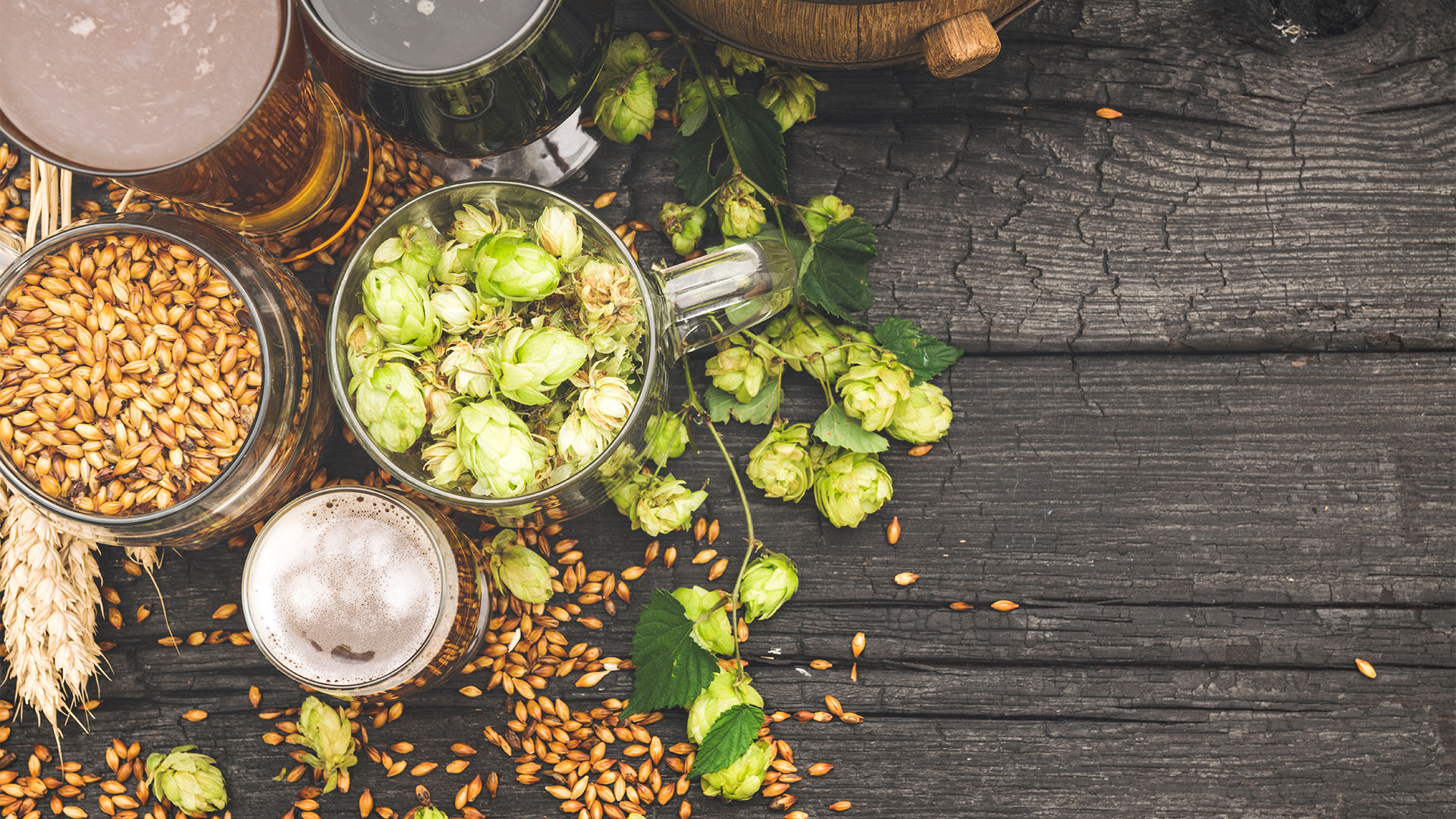
Hops—one of the main ingredients—add bitterness, floral, and herbal notes that can cut through the richness of fatty foods or balance the sweetness of desserts. Additionally, beer’s carbonation provides a leavening effect, which is particularly beneficial in baking, making cakes and batters lighter and fluffier.
Tenderizing with Beer
One of the primary functions of beer in cooking is as a meat tenderizer. The acidity and enzymes in beer break down the protein structure in meats, making them more tender and flavorful. It’s a common trick used in recipes for grilled meats or braises.
For example, marinating chicken in a dark beer like stout or porter not only softens the texture but also infuses the meat with a deep, roasted flavor. Similarly, beef stews or slow-cooked brisket benefit from the infusion of maltiness from beer, giving the dish an earthy, satisfying complexity.
Even seafood dishes, like beer-battered fish, rely on the carbonation in beer to create a light, crispy coating. The beer acts as both a flavor carrier and a texture-enhancer in such dishes.
Flavor Pairings: Beer and Food
The beauty of cooking with beer lies in the endless pairing possibilities. Much like wine, beer’s flavor can be a conduit for enhancing the tastes of different dishes. Beer’s role in food pairing is often overlooked, but it offers a unique set of flavors that can create culinary magic.
- IPA and Spicy Foods: The bitterness and hop-forward notes in an India Pale Ale (IPA) can cut through spicy dishes like Indian curry or spicy barbecue, balancing out the heat and accentuating the richness of the sauce.
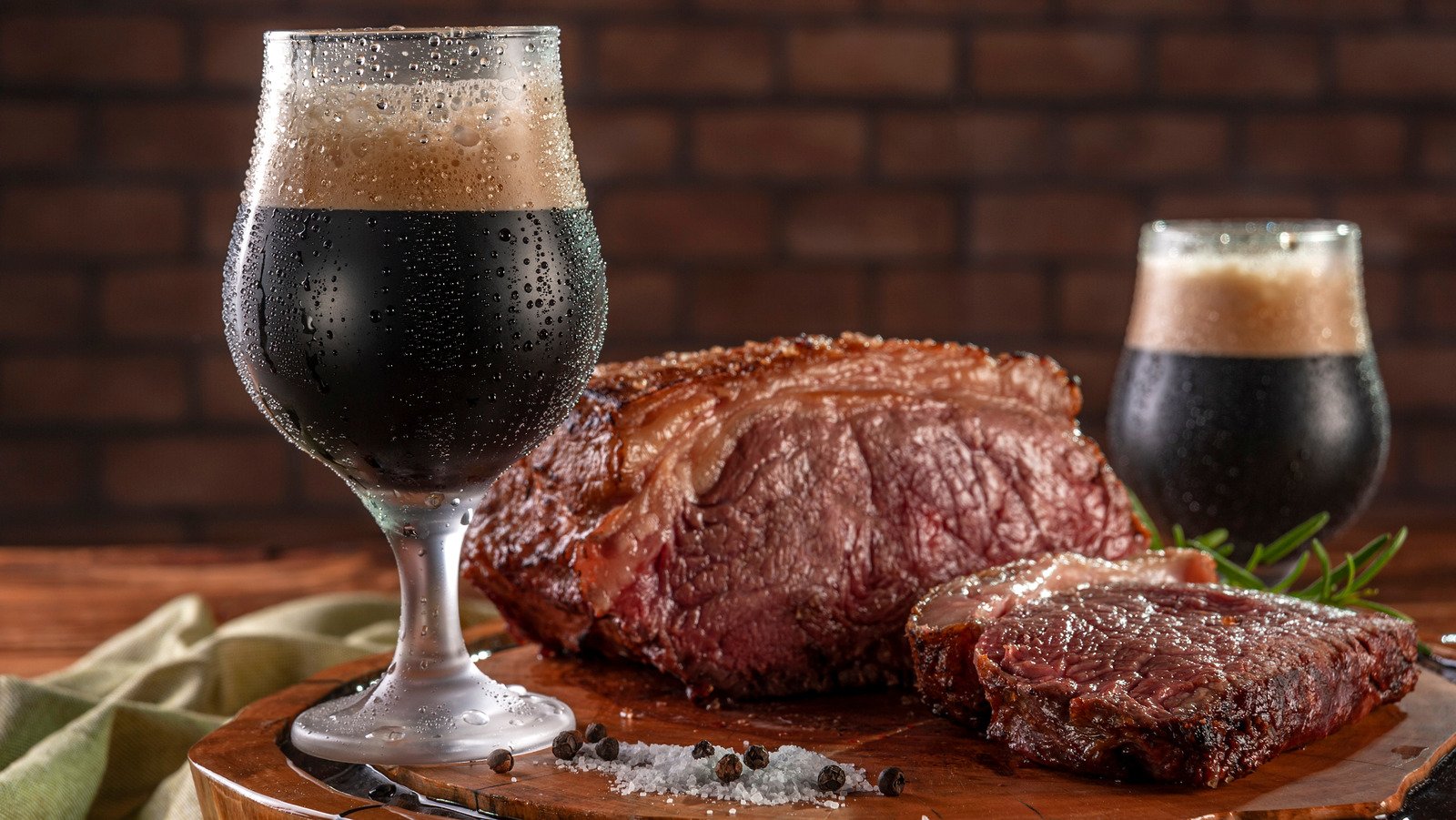
- Stout and Rich Stews: The dark, roasted flavors of stouts pair perfectly with hearty, slow-cooked stews and braised meats. The beer’s maltiness complements the deep flavors of beef or lamb.
- Wheat Beer and Seafood: Light, citrusy wheat beers, like Hefeweizen, provide a refreshing contrast to the brininess of seafood dishes. Think shrimp scampi or fresh oysters.
- Amber Ale and Grilled Meats: Amber ales offer a balanced malt character that pairs wonderfully with grilled steaks or burgers. The toasty sweetness of the ale enhances the savory charred flavors of the meat.
Not only does beer complement these foods, but it also enriches the overall dining experience by adding complexity and layers of flavor.
Beer in Baking: A Hidden Gem
While you might not think of beer as a go-to baking ingredient, its presence in cakes, muffins, and bread is surprisingly beneficial. The yeast, malt, and carbonation all contribute to an airy, flavorful dough.
For example, a stout cake is rich and moist, with a subtle coffee-like bitterness that balances out the sweetness of the frosting. Beer bread, a simple and satisfying option, uses beer’s leavening properties to create a rustic, airy loaf without needing additional yeast. Even pancake and waffle batters can benefit from beer’s carbonation, resulting in light, fluffy breakfast treats.
When using beer in baking, it’s essential to choose the right style. Lighter beers like pale ales or lagers are perfect for bread and delicate cakes, while darker beers like porters and stouts can be used in rich, dessert-style bakes that require a deeper flavor.
Beer as a Cooking Liquid
One of the easiest ways to incorporate beer into your cooking is by using it as a cooking liquid. Beer can replace water, stock, or wine in various recipes, offering a unique depth of flavor that complements the ingredients.
- Beer-Braised Meats: For braising, try replacing the wine or stock with beer. The carbonation helps tenderize the meat while the beer’s maltiness infuses it with additional richness. Consider using a dark beer like a porter or stout for lamb shanks, beef short ribs, or pork belly.
- Beer in Soups and Stews: Beer can also work wonders in hearty soups and stews, adding richness and complexity. A creamy potato soup, for example, can benefit from a light lager, while a beef stew can be elevated with a dark ale or brown beer.
- Beer for Sauces: A beer reduction sauce is a fantastic way to pair beer’s flavors with meats or vegetables. Simply reduce beer with butter, herbs, and stock for a rich sauce that can be drizzled over grilled meats or roasted vegetables.
The key here is to match the beer’s profile with the dish’s flavor. Lighter beers won’t overpower delicate dishes, while dark, full-bodied beers can complement more intense flavors.
:max_bytes(150000):strip_icc()/__opt__aboutcom__coeus__resources__content_migration__serious_eats__seriouseats.com__2018__09__20180913-beer-pairings-crisp-clean-beer-pantry-burrata-tomato-pesto-toast-vicky-wasik-beer-in-glass-5d487cc56ad44a988b37d9d895ceee22.jpg)
Regional Beer-Based Dishes
Throughout history, beer has been used to create some of the most iconic regional dishes. From German beer-based sausages to Belgian carbonnade flamande, the versatility of beer in the kitchen knows no bounds.
- Germany: Beer is central to many German dishes, with the famous beer bratwurst taking center stage. The sausages are often cooked with beer, giving them a juicy texture and a subtle, beer-infused flavor.
- Belgium: Belgian cuisine boasts numerous recipes that rely on beer, such as carbonnade flamande, a beef stew made with a Belgian beer like Dubbel or Tripel. The beer adds a malty sweetness to the dish, balancing the richness of the beef.
- England: In the UK, ale is used in a variety of dishes. Beef and ale pies are a comforting classic, with ale adding both depth and a slight bitterness to the dish. Fish and chips are also often paired with a pale ale, which complements the crisp, fried coating of the fish.
Health Benefits of Cooking with Beer
Beer, when used in moderation, can provide health benefits in the kitchen. Rich in vitamins such as B6, B12, folate, and niacin, beer has some surprising nutritional advantages. The hops in beer are also rich in antioxidants, which can help combat inflammation and promote overall health.
That said, it’s important to remember that the health benefits come from cooking with beer in a balanced manner. The alcohol will cook off during preparation, leaving behind only the flavor and beneficial compounds.
Innovations in Beer Cooking: A Modern Twist
In recent years, there has been a resurgence in using beer as a key ingredient in modern culinary creations. Chefs around the world have been experimenting with beer in new and innovative ways.
- Beer Ice Cream: Creamy, smooth, and refreshing, beer ice cream has become a popular trend. The bitterness of IPAs or the sweetness of a stout can lend themselves beautifully to a frozen dessert.
- Beer Foam: Beer can also be used to create foam, which can be a visually striking and flavorful addition to dishes. By using a siphon and the carbonation in beer, chefs can create beer-infused foams to top off dishes like soups or seafood.
The fusion of traditional cooking methods with modern culinary trends continues to elevate beer’s role in the kitchen, transforming it from a simple ingredient to a powerful tool for creative expression.
Conclusion: Beer—A Culinary Powerhouse
Beer’s versatility and depth make it an invaluable ingredient in the culinary world. Whether it’s adding complexity to sauces, tenderizing meats, or enhancing the texture of baked goods, beer’s ability to complement and transform dishes is undeniable. By embracing beer’s unique flavor profile and experimenting with its use in the kitchen, chefs and home cooks alike can unlock a world of new possibilities.
So next time you’re in the kitchen, don’t just reach for beer to drink. Try reaching for it to cook with—your taste buds will thank you!