


























Introduction: Beer at a Turning Point
Beer has survived wars, empires, industrial revolutions, economic crises, prohibition movements, and massive cultural changes for thousands of years. Few beverages have demonstrated such adaptability across human history. Yet despite its long tradition and enduring popularity, the global beer industry now stands at one of the most transformative moments in its existence.
Modern consumers are changing rapidly. Younger generations drink differently from previous ones. Health awareness is increasing. Climate change threatens agricultural systems critical to brewing. Technology is reshaping production methods, marketing strategies, and consumer expectations. Sustainability concerns are forcing breweries to rethink water usage, packaging, and energy consumption. At the same time, globalization and digital culture are accelerating experimentation and international collaboration.
The beer industry of the future may look dramatically different from the beer industry of the past. Artificial intelligence could help design recipes. Precision fermentation may create entirely new flavor profiles. Climate-resistant grains could replace traditional barley in some regions. Non-alcoholic beer may become as socially accepted as traditional beer. Breweries might increasingly function as hospitality and entertainment centers rather than simple production facilities.
Yet even amid rapid innovation, beer’s deeper purpose remains remarkably consistent. Beer continues to bring people together, create social rituals, and reflect cultural identity. The challenge for modern brewing is therefore not merely technological—it is balancing innovation with authenticity, efficiency with craftsmanship, and global expansion with local character.
This article explores the future of beer through the lenses of sustainability, consumer behavior, brewing science, economic transformation, and cultural evolution.
Climate Change and the Brewing Industry
Brewing’s Agricultural Vulnerability
Beer depends heavily on agriculture, making it particularly vulnerable to climate instability.
The two most essential brewing crops are:
- Barley
- Hops
Both are highly sensitive to environmental conditions.
Rising Temperatures
Increasing global temperatures threaten traditional growing regions. Heat stress can reduce crop yields and alter flavor compounds.
Water Scarcity
Brewing requires enormous amounts of water. Water shortages may become one of the greatest challenges facing breweries in coming decades.
Extreme Weather
Floods, droughts, and unpredictable growing seasons increasingly disrupt agricultural supply chains.
The Future of Hops
Hops are especially climate-sensitive because aroma compounds depend on precise growing conditions.
Changes in temperature and rainfall may alter:
- Bitterness levels
- Essential oil composition
- Yield stability
Brewers already report variations in hop quality due to changing environmental conditions.
Climate-Resilient Brewing Ingredients
To adapt, breweries and agricultural scientists are exploring alternative ingredients.
Potential future grains include:
- Sorghum
- Millet
- Rye
- Climate-resistant barley strains
Some breweries are experimenting with regenerative agriculture to improve soil resilience and biodiversity.
Sustainability in Brewing
Water Efficiency
Traditional brewing can require large quantities of water.
Water is used for:
- Brewing
- Cleaning
- Cooling
- Packaging
Many breweries now invest in water recycling systems.
Advanced Filtration
Modern facilities increasingly reuse treated water for non-product applications.
Dry Cleaning Technologies
Reducing water-intensive cleaning methods may become more common.
Renewable Energy
Breweries consume significant energy during:
- Boiling
- Refrigeration
- Packaging
- Transportation
Many companies are transitioning toward:
- Solar power
- Wind energy
- Biomass systems
- Heat recovery technology
Some breweries already operate with near carbon neutrality.
Packaging Innovation
Packaging contributes heavily to beer’s environmental footprint.
Aluminum vs Glass
Aluminum cans are often lighter and more recyclable than glass bottles.
Refillable Bottles
Some regions are reviving refillable packaging systems to reduce waste.
Biodegradable Materials
Future packaging may increasingly rely on compostable materials.
Localized Brewing
Producing beer closer to consumers can reduce transportation emissions.
Hyper-local brewing may become more important in sustainable beer economies.
The Rise of Non-Alcoholic and Low-Alcohol Beer
Changing Consumer Attitudes
Younger generations increasingly prioritize:
- Health
- Fitness
- Mental wellness
- Moderation
As a result, alcohol consumption patterns are shifting.
The Quality Revolution in Non-Alcoholic Beer
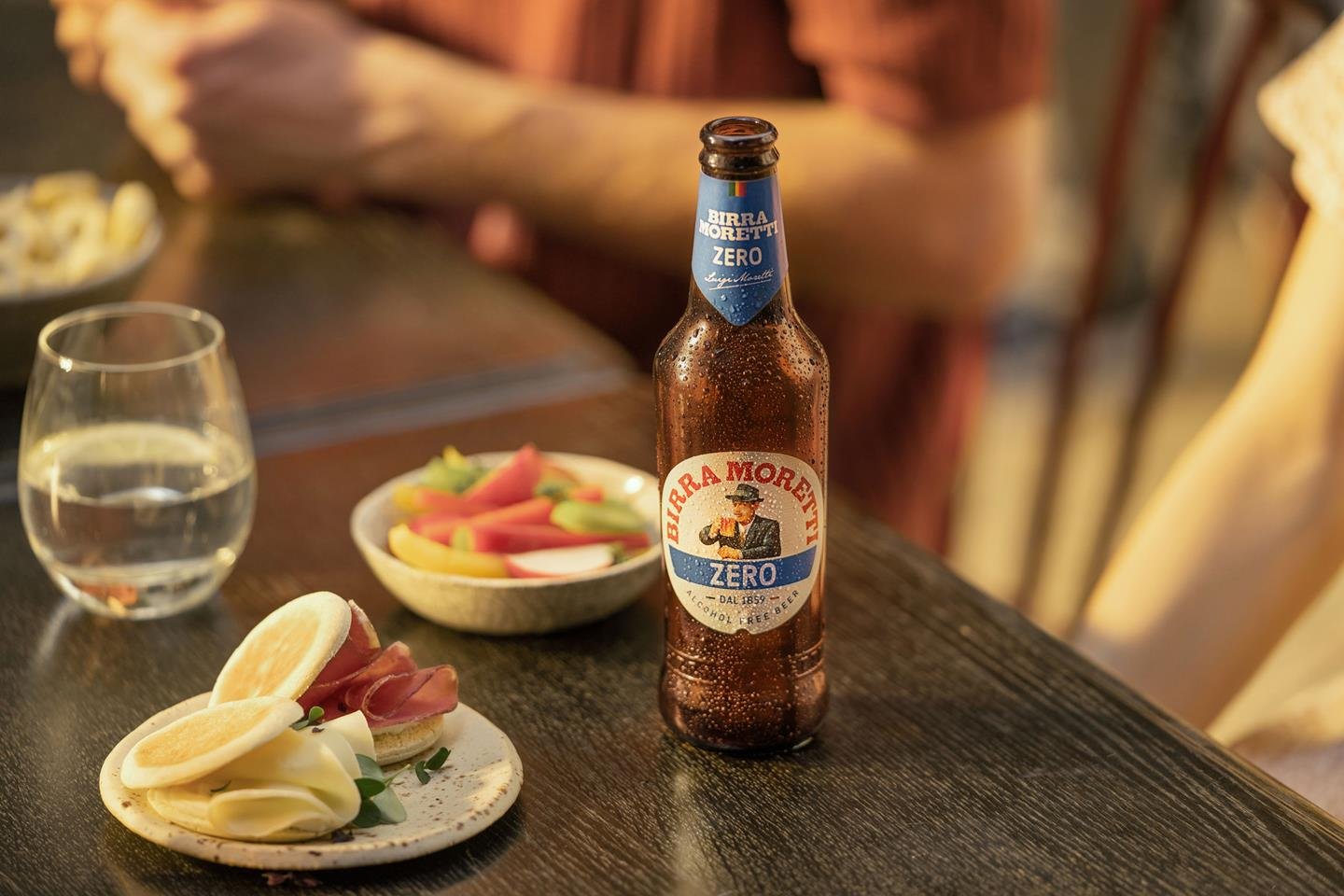
For many years, non-alcoholic beer suffered from poor flavor quality.
Modern brewing technology dramatically improved the category through:
- Vacuum distillation
- Specialized yeast strains
- Membrane filtration
Today’s alcohol-free beers can closely resemble traditional beer.
Functional and Wellness-Oriented Beverages
Future beer markets may increasingly overlap with wellness products.
Possible developments include:
- Adaptogenic ingredients
- Electrolyte-enhanced beer alternatives
- CBD-inspired relaxation beverages
- Probiotic fermentation drinks
The line between beer, soft drinks, and health beverages may continue blurring.
Artificial Intelligence and Smart Brewing
AI-Assisted Recipe Design
Artificial intelligence can analyze massive flavor datasets and suggest ingredient combinations.
Future AI systems may help optimize:
- Hop combinations
- Fermentation profiles
- Consumer preference targeting
- Production efficiency
Brewers may increasingly use predictive analytics during product development.
Smart Fermentation Systems
Advanced sensors now monitor fermentation in real time.
These systems track:
- Temperature
- pH levels
- Sugar consumption
- Yeast activity
- Pressure changes
Automation improves consistency while reducing waste.
Robotics in Brewing
Large breweries already use robotics in:
- Packaging
- Warehousing
- Quality control
Future breweries may become highly automated production environments.
Precision Fermentation and Biotechnology
Engineered Yeast
Scientists are developing yeast strains capable of producing highly specific flavor compounds.
Future yeast could potentially create flavors resembling:
- Tropical fruit
- Vanilla
- Citrus
- Spice
without requiring expensive ingredients.
Sustainable Flavor Production
Precision fermentation may reduce agricultural pressure by producing flavor compounds more efficiently.
However, this also raises philosophical questions about authenticity in brewing.
Synthetic Biology
Biotechnology may eventually allow breweries to design entirely new beverage categories.
The future of fermentation science extends far beyond traditional beer.
The Evolution of Consumer Taste
Experience Over Consumption
Modern consumers increasingly value experiences rather than simple product ownership.
Breweries therefore focus heavily on:
- Taproom design
- Events
- Hospitality
- Community engagement
The social environment surrounding beer may become as important as the beer itself.
Flavor Exploration
Consumers today are more adventurous than previous generations.
Popular modern trends include:
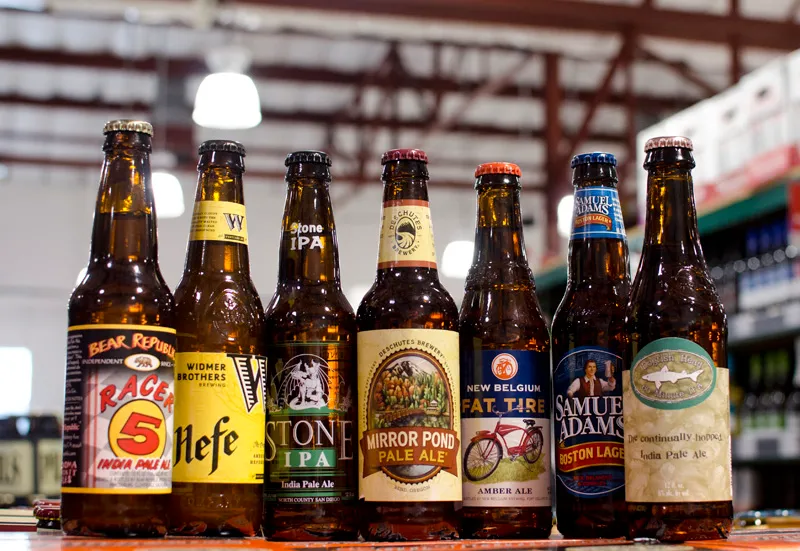
- Sour beers
- Fruit additions
- Barrel aging
- Hybrid styles
- Culinary-inspired brewing
Future beer styles may become even more experimental.
Premiumization
Many drinkers increasingly prefer fewer but higher-quality beverages.
Consumers are often willing to pay more for:
- Limited releases
- Barrel-aged beers
- Specialty ingredients
- Local production
Beer increasingly competes with wine and spirits in premium markets.
The Digital Transformation of Beer Culture
Social Media Influence
Platforms such as Instagram, TikTok, and beer-rating apps strongly influence consumer behavior.
Beer marketing now emphasizes:
- Visual branding
- Viral releases
- Limited-edition hype
- Online communities
Digital culture changed how breweries interact with consumers.
Direct-to-Consumer Models
E-commerce and delivery services expanded rapidly.
Some breweries increasingly rely on:
- Subscription clubs
- Online sales
- Membership programs
Digital infrastructure may become essential for brewery survival.
The Future of Craft Brewing
Market Saturation
The craft beer boom created intense competition.
Many regions now have hundreds or thousands of breweries competing for limited consumer attention.
Consolidation
Large beverage corporations continue acquiring successful craft brands.
This creates ongoing debate about independence and authenticity.
Hyper-Local Identity
Smaller breweries increasingly differentiate themselves through strong community identity and local engagement.
Local storytelling may become more valuable than national scale.
Beer Tourism and Hospitality
Destination Breweries
Some breweries are evolving into major travel destinations.
Modern brewery complexes may include:
- Restaurants
- Hotels
- Music venues
- Event spaces
- Museums
Beer tourism continues growing internationally.
Culinary Pairing
Beer pairing with fine dining is gaining recognition.
Chefs increasingly treat beer as seriously as wine in gastronomy.
The Future of Traditional Beer Styles
Revival of Historic Brewing
Many brewers are rediscovering forgotten historical styles.
Examples include:
- Medieval ales
- Farmhouse beers
- Indigenous fermentation methods
Historical brewing research may inspire future innovation.
Preservation vs Innovation
The beer world constantly balances two forces:
- Protecting tradition
- Encouraging experimentation
Both are essential for beer’s long-term vitality.
Economic Pressures and Industry Survival
Rising Costs
Breweries face increasing expenses including:
- Energy
- Ingredients
- Labor
- Transportation
Profit margins remain challenging.
Independent Brewery Challenges
Small breweries often struggle with:
- Distribution access
- Scaling production
- Brand visibility
- Financial sustainability
Many future breweries may prioritize small-scale local success rather than national expansion.
Diversity and Inclusion in Beer
Expanding Beer Culture
Historically, some beer communities lacked inclusivity.
The future industry increasingly emphasizes:
- Gender diversity
- Cultural representation
- Accessibility
- Inclusive marketing
Broader participation strengthens beer culture overall.
Space Brewing and Extreme Environments
Brewing Beyond Earth
Scientists have even explored brewing possibilities in space environments.
Future long-term space missions may potentially include controlled fermentation systems for:
- Nutrition
- Psychological comfort
- Scientific experimentation
Beer’s future may extend beyond Earth itself.
Philosophical Questions About the Future of Beer
What Counts as Beer?
As technology advances, definitions may blur.
If AI designs recipes, engineered yeast creates flavor, and alcohol-free fermentation dominates markets, what remains essential to beer’s identity?
Authenticity in an Automated Age
Consumers increasingly value authenticity and craftsmanship.
The brewing industry must balance efficiency with emotional connection and cultural meaning.
The Cultural Future of Beer
Despite technological changes, beer’s social role will likely remain central.
Beer continues serving as:
- A communal ritual
- A symbol of hospitality
- A cultural expression
- A vehicle for storytelling
Technology may change brewing methods, but human social behavior evolves more slowly.
Conclusion: Beer’s Next Evolution
Beer has always adapted to changing civilizations. From ancient Mesopotamian grain fermentation to medieval monasteries, industrial lager production, and modern craft brewing, beer continuously evolved alongside humanity itself.
The future of beer will likely be shaped by powerful forces including climate change, biotechnology, digital culture, health consciousness, and economic transformation. Breweries will increasingly adopt sustainable practices, advanced automation, and innovative fermentation science. Consumers will continue demanding greater flavor diversity, authenticity, and social experience.
At the same time, beer’s deeper cultural significance remains remarkably stable across history. People gather around beer not only because of alcohol, but because of what beer represents: community, relaxation, celebration, creativity, and shared identity.
The breweries that thrive in the future may not simply be those with the most advanced technology or largest production capacity. Instead, success will likely belong to those capable of combining innovation with human connection—those that preserve beer’s emotional and cultural value while adapting intelligently to a rapidly changing world.
Beer has survived for thousands of years because it is more than a drink. It is a reflection of civilization itself. As humanity changes, beer will continue evolving alongside it, carrying ancient traditions into entirely new futures.