



















SipsavorLife
  • Home
  • Wine
    The History, Culture, and Global Influence of Humanity’s Most Celebrated Beverage

    The Wine Revolution: How Modern Winemaking Transformed a Global Industry

    The History, Culture, and Global Influence of Humanity’s Most Celebrated Beverage

    Wine Styles of the World: A Complete Guide to Red, White, Rosé, Sparkling, and Fortified Wines

    The History, Culture, and Global Influence of Humanity’s Most Celebrated Beverage

    The Global Wine Industry: Markets, Trade, Tourism, and Economic Impact

    The History, Culture, and Global Influence of Humanity’s Most Celebrated Beverage

    The Science of Wine: Grapes, Fermentation, and Flavor Development

    The History, Culture, and Global Influence of Humanity’s Most Celebrated Beverage

    The History, Culture, and Global Influence of Humanity’s Most Celebrated Beverage

    The Cultural History of Wine: From Ancient Rituals to Modern Luxury

    The Psychology of Wine: Why Humans Associate Wine with Emotion, Memory, and Identity

  • Whiskey
    Can Beer Be an Effective Ingredient in Culinary Cooking?

    Can Beer Be an Effective Ingredient in Culinary Cooking?

    Second Fermentation in Champagne: Is It Really That Crucial?

    Second Fermentation in Champagne: Is It Really That Crucial?

    How Do Different Grains Impact the Flavor Profile of Distilled Spirits?

    How Do Different Grains Impact the Flavor Profile of Distilled Spirits?

    How Do Whiskey Master Blenders Create Perfection?

    How Do Whiskey Master Blenders Create Perfection?

    Wine Pairings: Can They Change the Flavor Profile of a Dish?

    Wine Pairings: Can They Change the Flavor Profile of a Dish?

    Beer the Ultimate Beverage for Pairing with Spicy Food?

    Beer the Ultimate Beverage for Pairing with Spicy Food?

  • Beer
    Malt Beer: Why Does Its Sweet Malty Aroma Always Bring Endless Satisfaction?

    The Craft Beer Revolution: How Independent Breweries Changed the World of Beer

    Beer: The World’s Oldest and Most Influential Beverage

    Beer Styles of the World: A Complete Guide to Lager, Ale, Stout, IPA, and Beyond

    Beer: The World’s Oldest and Most Influential Beverage

    The Global Beer Industry: Markets, Brands, and Economic Impact

    Beer: The World’s Oldest and Most Influential Beverage

    The Science of Beer: Ingredients, Fermentation, and Flavor

    Beer: The World’s Oldest and Most Influential Beverage

    Beer: The World’s Oldest and Most Influential Beverage

    Beer as a Cultural and Social Force: From Ancient Brew to Modern Identity

    Women in Brewing: The Untold History and Modern Transformation of Beer Culture

  • Grain Spirits
    Grain Spirits: The Origins, Science, and Global Evolution of Distilled Grain Alcohol

    Bourbon: America’s Native Grain Spirit and the Global Story of Corn, Oak, Fire, and Time

    Grain Spirits: The Origins, Science, and Global Evolution of Distilled Grain Alcohol

    Gin: Botanicals, History, Cocktail Culture, and the Artistic Evolution of the World’s Most Aromatic Grain Spirit

    Grain Spirits: The Origins, Science, and Global Evolution of Distilled Grain Alcohol

    Vodka: The Global Rise of the World’s Most Versatile Grain Spirit

    Grain Spirits: The Origins, Science, and Global Evolution of Distilled Grain Alcohol

    Whiskey and the Soul of Grain Spirits: History, Craftsmanship, Culture, and the Global Rise of the World’s Most Iconic Distilled Grain Beverage

    Grain Spirits: The Origins, Science, and Global Evolution of Distilled Grain Alcohol

    Grain Spirits: The Origins, Science, and Global Evolution of Distilled Grain Alcohol

    Grain Spirits Explained — The Foundation of Global Distillation

    The Future of Grain Spirits — Technology, Sustainability, and the Next Era of Distillation

  • Champagne
    Champagne: The Sparkling Wine That Changed Global Celebration Culture

    Dom Pérignon, Cristal, Krug, and Beyond: The World’s Most Famous Champagne Houses and Their Legacy

    Champagne Beyond Celebration: The History, Craftsmanship, and Global Influence of the World’s Most Iconic Sparkling Wine

    The Future of Champagne: Climate Change, Innovation, Sustainability, and the Next Era of Sparkling Wine

    Champagne Beyond Celebration: The History, Craftsmanship, and Global Influence of the World’s Most Iconic Sparkling Wine

    Champagne and Luxury Culture: How Sparkling Wine Became a Global Symbol of Wealth, Celebration, and Prestige

    Champagne Beyond Celebration: The History, Craftsmanship, and Global Influence of the World’s Most Iconic Sparkling Wine

    The Art of Champagne Production: Inside the Science, Skill, and Tradition Behind Every Bottle

    Champagne Beyond Celebration: The History, Craftsmanship, and Global Influence of the World’s Most Iconic Sparkling Wine

    Champagne Beyond Celebration: The History, Craftsmanship, and Global Influence of the World’s Most Iconic Sparkling Wine

    Champagne: The Sparkling Wine That Changed Global Celebration Culture

    Champagne vs Prosecco vs Cava: How the World’s Sparkling Wines Reflect Culture, Geography, and Taste

  • ALL
    Can Beer Be an Effective Ingredient in Culinary Cooking?

    Can Beer Be an Effective Ingredient in Culinary Cooking?

    Second Fermentation in Champagne: Is It Really That Crucial?

    Second Fermentation in Champagne: Is It Really That Crucial?

    How Do Different Grains Impact the Flavor Profile of Distilled Spirits?

    How Do Different Grains Impact the Flavor Profile of Distilled Spirits?

    How Do Whiskey Master Blenders Create Perfection?

    How Do Whiskey Master Blenders Create Perfection?

    Wine Pairings: Can They Change the Flavor Profile of a Dish?

    Wine Pairings: Can They Change the Flavor Profile of a Dish?

    Beer the Ultimate Beverage for Pairing with Spicy Food?

    Beer the Ultimate Beverage for Pairing with Spicy Food?

SipsavorLife
  • Home
  • Wine
    The History, Culture, and Global Influence of Humanity’s Most Celebrated Beverage

    The Wine Revolution: How Modern Winemaking Transformed a Global Industry

    The History, Culture, and Global Influence of Humanity’s Most Celebrated Beverage

    Wine Styles of the World: A Complete Guide to Red, White, Rosé, Sparkling, and Fortified Wines

    The History, Culture, and Global Influence of Humanity’s Most Celebrated Beverage

    The Global Wine Industry: Markets, Trade, Tourism, and Economic Impact

    The History, Culture, and Global Influence of Humanity’s Most Celebrated Beverage

    The Science of Wine: Grapes, Fermentation, and Flavor Development

    The History, Culture, and Global Influence of Humanity’s Most Celebrated Beverage

    The History, Culture, and Global Influence of Humanity’s Most Celebrated Beverage

    The Cultural History of Wine: From Ancient Rituals to Modern Luxury

    The Psychology of Wine: Why Humans Associate Wine with Emotion, Memory, and Identity

  • Whiskey
    Can Beer Be an Effective Ingredient in Culinary Cooking?

    Can Beer Be an Effective Ingredient in Culinary Cooking?

    Second Fermentation in Champagne: Is It Really That Crucial?

    Second Fermentation in Champagne: Is It Really That Crucial?

    How Do Different Grains Impact the Flavor Profile of Distilled Spirits?

    How Do Different Grains Impact the Flavor Profile of Distilled Spirits?

    How Do Whiskey Master Blenders Create Perfection?

    How Do Whiskey Master Blenders Create Perfection?

    Wine Pairings: Can They Change the Flavor Profile of a Dish?

    Wine Pairings: Can They Change the Flavor Profile of a Dish?

    Beer the Ultimate Beverage for Pairing with Spicy Food?

    Beer the Ultimate Beverage for Pairing with Spicy Food?

  • Beer
    Malt Beer: Why Does Its Sweet Malty Aroma Always Bring Endless Satisfaction?

    The Craft Beer Revolution: How Independent Breweries Changed the World of Beer

    Beer: The World’s Oldest and Most Influential Beverage

    Beer Styles of the World: A Complete Guide to Lager, Ale, Stout, IPA, and Beyond

    Beer: The World’s Oldest and Most Influential Beverage

    The Global Beer Industry: Markets, Brands, and Economic Impact

    Beer: The World’s Oldest and Most Influential Beverage

    The Science of Beer: Ingredients, Fermentation, and Flavor

    Beer: The World’s Oldest and Most Influential Beverage

    Beer: The World’s Oldest and Most Influential Beverage

    Beer as a Cultural and Social Force: From Ancient Brew to Modern Identity

    Women in Brewing: The Untold History and Modern Transformation of Beer Culture

  • Grain Spirits
    Grain Spirits: The Origins, Science, and Global Evolution of Distilled Grain Alcohol

    Bourbon: America’s Native Grain Spirit and the Global Story of Corn, Oak, Fire, and Time

    Grain Spirits: The Origins, Science, and Global Evolution of Distilled Grain Alcohol

    Gin: Botanicals, History, Cocktail Culture, and the Artistic Evolution of the World’s Most Aromatic Grain Spirit

    Grain Spirits: The Origins, Science, and Global Evolution of Distilled Grain Alcohol

    Vodka: The Global Rise of the World’s Most Versatile Grain Spirit

    Grain Spirits: The Origins, Science, and Global Evolution of Distilled Grain Alcohol

    Whiskey and the Soul of Grain Spirits: History, Craftsmanship, Culture, and the Global Rise of the World’s Most Iconic Distilled Grain Beverage

    Grain Spirits: The Origins, Science, and Global Evolution of Distilled Grain Alcohol

    Grain Spirits: The Origins, Science, and Global Evolution of Distilled Grain Alcohol

    Grain Spirits Explained — The Foundation of Global Distillation

    The Future of Grain Spirits — Technology, Sustainability, and the Next Era of Distillation

  • Champagne
    Champagne: The Sparkling Wine That Changed Global Celebration Culture

    Dom Pérignon, Cristal, Krug, and Beyond: The World’s Most Famous Champagne Houses and Their Legacy

    Champagne Beyond Celebration: The History, Craftsmanship, and Global Influence of the World’s Most Iconic Sparkling Wine

    The Future of Champagne: Climate Change, Innovation, Sustainability, and the Next Era of Sparkling Wine

    Champagne Beyond Celebration: The History, Craftsmanship, and Global Influence of the World’s Most Iconic Sparkling Wine

    Champagne and Luxury Culture: How Sparkling Wine Became a Global Symbol of Wealth, Celebration, and Prestige

    Champagne Beyond Celebration: The History, Craftsmanship, and Global Influence of the World’s Most Iconic Sparkling Wine

    The Art of Champagne Production: Inside the Science, Skill, and Tradition Behind Every Bottle

    Champagne Beyond Celebration: The History, Craftsmanship, and Global Influence of the World’s Most Iconic Sparkling Wine

    Champagne Beyond Celebration: The History, Craftsmanship, and Global Influence of the World’s Most Iconic Sparkling Wine

    Champagne: The Sparkling Wine That Changed Global Celebration Culture

    Champagne vs Prosecco vs Cava: How the World’s Sparkling Wines Reflect Culture, Geography, and Taste

  • ALL
    Can Beer Be an Effective Ingredient in Culinary Cooking?

    Can Beer Be an Effective Ingredient in Culinary Cooking?

    Second Fermentation in Champagne: Is It Really That Crucial?

    Second Fermentation in Champagne: Is It Really That Crucial?

    How Do Different Grains Impact the Flavor Profile of Distilled Spirits?

    How Do Different Grains Impact the Flavor Profile of Distilled Spirits?

    How Do Whiskey Master Blenders Create Perfection?

    How Do Whiskey Master Blenders Create Perfection?

    Wine Pairings: Can They Change the Flavor Profile of a Dish?

    Wine Pairings: Can They Change the Flavor Profile of a Dish?

    Beer the Ultimate Beverage for Pairing with Spicy Food?

    Beer the Ultimate Beverage for Pairing with Spicy Food?

SipsavorLife
No Result
View All Result
Home Beer

Beer and Civilization: The Ancient History of Humanity’s Oldest Social Drink

May 18, 2026
in Beer
The Global Craft Beer Revolution: How Independent Breweries Changed Modern Drinking Culture

Introduction: Beer Before Empires

Long before skyscrapers, modern cities, organized religion, or even written language fully developed, human beings were already brewing beer. While many people today think of beer simply as a recreational beverage consumed in bars, stadiums, or festivals, its historical importance reaches far deeper into the foundations of civilization itself.

Beer has accompanied humanity through nearly every stage of organized society. It helped shape agriculture, religion, economics, medicine, trade, labor systems, and social rituals. Ancient workers were paid with beer. Priests offered beer to gods. Families brewed beer in their homes. Kings taxed beer production. Entire economies developed around grain cultivation partly because of brewing.

Some historians even argue that humanity’s transition from nomadic hunting to permanent agricultural settlement may have been influenced by the desire to produce grain for fermented beverages. Whether or not beer alone caused civilization, it unquestionably evolved alongside it.

Unlike many luxury products throughout history, beer was often consumed by nearly every social class. Farmers, soldiers, nobles, monks, laborers, and rulers all drank beer in various forms. It functioned as nutrition, medicine, payment, social glue, and religious symbol.

This article explores the extraordinary historical journey of beer from prehistoric experimentation to medieval monasteries and early industrial brewing, revealing how deeply beer is woven into the story of human civilization itself.


The Earliest Evidence of Brewing

The exact origin of beer remains uncertain because fermentation likely emerged accidentally many times across different ancient cultures. Grain mixed with water and exposed to wild yeast naturally ferments under the right conditions.

Archaeological discoveries suggest that early brewing dates back thousands of years before recorded history.

Ancient China

One of the oldest known alcoholic beverages was discovered in pottery vessels from Jiahu, China, dating back roughly 9,000 years. This fermented drink combined rice, honey, and fruit.

Although not beer in the modern sense, it demonstrates humanity’s ancient understanding of fermentation.

Mesopotamia

The Sumerians of Mesopotamia, often called the cradle of civilization, produced some of the earliest documented beers around 5,000 to 7,000 years ago.

Beer became deeply integrated into daily life. Sumerian tablets contain brewing records, recipes, and even hymns dedicated to beer.

One famous text, the “Hymn to Ninkasi,” served both as religious praise and brewing instructions. Ninkasi was the goddess of beer, highlighting brewing’s spiritual significance.

Egypt

Ancient Egyptians brewed beer extensively and consumed it daily across social classes. Workers building pyramids reportedly received beer as part of their wages.

Beer in ancient Egypt was nutritious and often safer than contaminated water sources. It provided calories, vitamins, and hydration.

Egyptian breweries operated on large scales, producing beer for workers, ceremonies, and trade.


Beer and the Agricultural Revolution

Beer and agriculture developed closely together.

Grain Cultivation

Brewing requires grains such as:

  • Barley
  • Wheat
  • Millet
  • Rice

As humans transitioned from hunter-gatherer lifestyles to farming societies, grain cultivation became essential.

Some researchers suggest that fermented beverages may have encouraged early farming because grains suitable for brewing became economically valuable.

Settlement and Storage

Beer production also encouraged:

  • Permanent settlements
  • Grain storage systems
  • Specialized labor
  • Trade networks

Fermentation transformed fragile agricultural products into culturally valuable commodities.

Social Cooperation

Large-scale brewing required coordinated labor and resource management, reinforcing social organization within early civilizations.

Beer was therefore not merely a byproduct of civilization—it may have actively contributed to its development.


Brewing in Ancient Mesopotamia

Mesopotamian societies treated beer as both practical necessity and sacred substance.

Daily Consumption

Beer was consumed daily by men, women, and children. Different strengths and qualities existed depending on social class and purpose.

Because water supplies were often unsafe, fermented beverages reduced exposure to harmful bacteria.

Brewing Methods

Ancient brewers used bread-like grain loaves called “bappir” in fermentation processes. These loaves were partially baked and later soaked in water to create fermentable mash.

The resulting beer was often thick, cloudy, and consumed through straws to avoid sediment.

Religious Importance

Beer offerings appeared in temples and rituals. Brewing itself carried spiritual significance.

The Sumerians viewed fermentation as a divine transformation process beyond complete human control.


Beer in Ancient Egypt

Beer became central to Egyptian society.

Nutrition and Health

Egyptian beer was often rich in nutrients because it contained:

  • Grain solids
  • Yeast
  • Vitamins
  • Minerals

For many laborers, beer represented a major dietary component.

Beer as Currency

Workers frequently received beer rations as payment. Records indicate that pyramid builders consumed several liters daily.

Beer therefore functioned not only as food and drink but also as economic infrastructure.

Women Brewers

Women played major roles in brewing throughout ancient Egypt. Household brewing was common, and women often controlled production.

Religious Ceremonies

Beer appeared in offerings to gods and funerary rituals. Egyptians believed the afterlife included continued access to food and drink.


Beer in Ancient Europe

As agriculture spread into Europe, brewing traditions diversified.

Celtic and Germanic Brewing

Northern European tribes brewed grain-based beverages using local ingredients.

Unlike Mediterranean wine cultures, northern climates favored beer production because grapes were difficult to cultivate.

Herbal Beers Before Hops

Before hops became widespread, brewers flavored beer with herbal mixtures called gruit containing ingredients such as:

  • Yarrow
  • Mugwort
  • Rosemary
  • Juniper

These mixtures contributed bitterness, aroma, and preservative qualities.

Beer and Tribal Identity

Different tribes developed distinct brewing traditions that reflected local agriculture and culture.

Beer often accompanied feasts, warfare celebrations, and seasonal rituals.


The Discovery and Spread of Hops

One of the most important developments in brewing history was the adoption of hops.

What Are Hops?

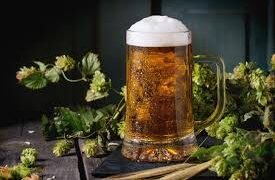
Hops are flowers from the Humulus lupulus plant. They provide:

  • Bitterness
  • Aroma
  • Antimicrobial properties

Early Use

Hops began appearing more widely in European brewing during the medieval period, especially in regions corresponding to modern Germany and the Netherlands.

Resistance to Hops

Some traditional brewers resisted hops initially because gruit systems were economically tied to local authorities and churches.

However, hopped beer lasted longer and traveled better, eventually dominating European brewing.

Long-Term Impact

The adoption of hops fundamentally shaped modern beer flavor profiles and preservation methods.


Monasteries and Medieval Brewing

During the Middle Ages, monasteries became some of Europe’s most sophisticated brewing centers.

Monastic Discipline

Monks carefully documented brewing methods and maintained high production standards.

Monasteries had advantages including:

  • Literacy
  • Agricultural resources
  • Stable labor
  • Technical knowledge

Beer as Safe Nutrition

Monks and local communities consumed beer regularly because it was often safer than water.

Some stronger beers provided significant calories during fasting periods.

Belgian Monastic Traditions

Trappist and abbey brewing traditions became especially influential in Belgium.

These beers remain globally respected for their complexity and craftsmanship.

Hospitality and Charity

Monasteries frequently provided beer to travelers and the poor, reinforcing brewing’s social role.


Beer in Medieval Cities

As urbanization increased, brewing became a major commercial industry.

Guild Systems

Brewers formed guilds regulating:

  • Quality standards
  • Pricing
  • Production methods
  • Apprenticeship systems

Guilds protected both consumers and brewer interests.

Women Brewers in Medieval Europe

Many medieval brewers were women known as “alewives.”

Household brewing remained common, and women often sold surplus beer locally.

However, commercialization gradually shifted brewing toward male-dominated professional industries.

Taxation and Politics

Governments recognized beer’s economic importance and imposed taxes on production and sales.

Beer revenue supported states, monarchies, and local governments.


The German Beer Tradition

Germany developed some of the world’s most influential brewing traditions.

The Reinheitsgebot

In 1516, Bavaria introduced the Reinheitsgebot, or Beer Purity Law, limiting beer ingredients to:

  • Water
  • Barley
  • Hops

Yeast was added later after scientific understanding improved.

Lager Brewing

German brewers perfected lager fermentation using cold temperatures and bottom-fermenting yeast.

Lagers offered:

  • Crisp flavor
  • Stability
  • Long storage potential

This style later became globally dominant.

Beer Halls and Culture

Beer halls became important social institutions where communities gathered for conversation, music, and politics.


Beer in Britain

Britain developed unique brewing traditions emphasizing ales and porters.

Ale vs Beer

Historically, “ale” referred to unhopped beverages while “beer” referred to hopped imports. Eventually the distinction blurred.

Porter and Industrial London

Porter emerged in eighteenth-century London as one of the first mass-produced industrial beers.

Large breweries used advanced technology to supply growing urban populations.

Stout Development

Stouts evolved from stronger porter variations and eventually became iconic styles.

Irish dry stout later gained global recognition through breweries like Guinness.


Beer and Colonial Expansion

European colonialism spread brewing traditions worldwide.

Adaptation to New Climates

Brewers adapted recipes to local ingredients and climates.

Beer in the Americas

Colonists brewed using:

  • Corn
  • Molasses
  • Pumpkin
  • Local grains

Industrial brewing later expanded rapidly in North America.

Globalization of Lager

European immigrants introduced lager brewing globally during the nineteenth century.

German brewing techniques became internationally influential.


Industrialization and Beer

The Industrial Revolution transformed brewing dramatically.

Refrigeration

Mechanical refrigeration enabled year-round lager production.

Pasteurization

Louis Pasteur’s discoveries improved beer stability and sanitation.

Steam Power

Large breweries increased production capacity dramatically.

Scientific Brewing

Industrialization introduced:

  • Laboratory analysis
  • Yeast isolation
  • Quality control systems

Beer production became increasingly standardized and efficient.


Beer During War and Crisis

Beer remained culturally important during periods of conflict.

Military Consumption

Soldiers throughout history consumed beer as morale support and nutrition.

Wartime Restrictions

Wars often caused shortages of:

  • Grain
  • Hops
  • Fuel

Governments sometimes limited alcohol production during crises.

Prohibition

In the United States, Prohibition nearly destroyed many brewing traditions.

However, surviving breweries later helped shape modern beer markets.


Beer and Modern Identity

Beer today continues serving social and cultural functions similar to those of ancient civilizations.

National Identity

Certain beers became symbols of national culture:

  • German lagers
  • Belgian abbey ales
  • Irish stout
  • Czech pilsner

Sports and Celebration

Beer remains closely associated with communal gatherings.

Culinary Recognition

Modern gastronomy increasingly treats beer with sophistication comparable to wine.


Archaeology and Beer Research

Modern science continues uncovering ancient brewing history.

Researchers analyze:

  • Pottery residues
  • Ancient grains
  • Brewing tools
  • Fermentation vessels

Experimental archaeologists even recreate historical beers using ancient methods.

These studies reveal how deeply brewing shaped human development.


The Psychological and Social Role of Beer

Beer’s enduring popularity partly reflects its social function.

Shared Ritual

Drinking beer encourages:

  • Conversation
  • Bonding
  • Celebration
  • Relaxation

Moderation and Community

Historically, beer often served as a controlled social intoxicant integrated into communal life.

Symbol of Hospitality

Offering beer remains a gesture of welcome across many cultures.


Conclusion: Beer as a Companion to Civilization

The history of beer is inseparable from the history of humanity itself. From prehistoric villages to medieval monasteries and modern cities, beer accompanied civilization through nearly every major stage of development.

Beer nourished workers, inspired religious rituals, strengthened communities, fueled economies, and encouraged social interaction. It evolved from accidental fermentation into a highly sophisticated global industry while retaining its deep cultural roots.

What makes beer historically remarkable is not merely its age, but its universality. Across continents and centuries, people independently discovered fermentation and integrated beer into daily life. Few other products have maintained such continuous relevance throughout human history.

Modern craft brewing may seem innovative, but in many ways it represents a return to beer’s ancient role as a local, creative, community-centered beverage. Beneath every modern pint lies a tradition thousands of years old—a tradition woven directly into the foundations of civilization itself.

Tags: beer
ShareTweetShare

Related Posts

Malt Beer: Why Does Its Sweet Malty Aroma Always Bring Endless Satisfaction?
Beer

The Craft Beer Revolution: How Independent Breweries Changed the World of Beer

June 3, 2026
Beer: The World’s Oldest and Most Influential Beverage
Beer

Beer Styles of the World: A Complete Guide to Lager, Ale, Stout, IPA, and Beyond

June 3, 2026
Beer: The World’s Oldest and Most Influential Beverage
Beer

The Global Beer Industry: Markets, Brands, and Economic Impact

June 3, 2026
Beer: The World’s Oldest and Most Influential Beverage
Beer

The Science of Beer: Ingredients, Fermentation, and Flavor

June 3, 2026
Beer: The World’s Oldest and Most Influential Beverage
Beer

Beer: The World’s Oldest and Most Influential Beverage

June 3, 2026
Beer as a Cultural and Social Force: From Ancient Brew to Modern Identity
Beer

Women in Brewing: The Untold History and Modern Transformation of Beer Culture

May 23, 2026
Leave Comment
  • Trending
  • Comments
  • Latest
Role of Terroir in Champagne Production

Role of Terroir in Champagne Production

January 19, 2026
Champagne Can Be Aged in Wood?

Champagne Can Be Aged in Wood?

January 18, 2026
Is Organic Wine Healthier Than Conventional Wine?

Is Organic Wine Healthier Than Conventional Wine?

January 20, 2026
Why Do Some Champagnes Use a High Proportion of Pinot Meunier?

Why Do Some Champagnes Use a High Proportion of Pinot Meunier?

January 20, 2026
The Timeless Elegance of Wine: A Journey Through History and Culture

The Timeless Elegance of Wine: A Journey Through History and Culture

Why Is Château Lafite Rothschild the Pinnacle of Fine Wine?

Why Is Château Lafite Rothschild the Pinnacle of Fine Wine?

How Did Château Lafite Rothschild Become a Global Icon of Luxury?

How Did Château Lafite Rothschild Become a Global Icon of Luxury?

What Makes Chateau Lafite Rothschild the Pinnacle of Bordeaux Wines?

What Makes Chateau Lafite Rothschild the Pinnacle of Bordeaux Wines?

The History, Culture, and Global Influence of Humanity’s Most Celebrated Beverage

The Wine Revolution: How Modern Winemaking Transformed a Global Industry

June 3, 2026
The History, Culture, and Global Influence of Humanity’s Most Celebrated Beverage

Wine Styles of the World: A Complete Guide to Red, White, Rosé, Sparkling, and Fortified Wines

June 3, 2026
The History, Culture, and Global Influence of Humanity’s Most Celebrated Beverage

The Global Wine Industry: Markets, Trade, Tourism, and Economic Impact

June 3, 2026
The History, Culture, and Global Influence of Humanity’s Most Celebrated Beverage

The Science of Wine: Grapes, Fermentation, and Flavor Development

June 3, 2026
SipsavorLife

Welcome to our comprehensive beverage guide, where you can explore the fascinating world of alcoholic drinks. From exquisite wines and rich whiskeys to refreshing beers and sparkling champagnes, we provide insights, tips, and recommendations for enthusiasts and casual drinkers alike. Discover your next favorite libation with us!

© 2025 sipsavorlife.com. contacts:sipsavorlife-35376@gmail.com

No Result
View All Result
  • Home
  • Wine
  • Whiskey
  • Beer
  • Grain Spirits
  • Champagne
  • ALL

© 2025 sipsavorlife.com. contacts:sipsavorlife-35376@gmail.com

Welcome Back!

Login to your account below

Forgotten Password?

Retrieve your password

Please enter your username or email address to reset your password.

Log In