






























Grain spirits sit at the very foundation of the global alcohol industry. While consumers often recognize finished products like whisky, vodka, or gin, few realize that many of these spirits originate from a shared starting point: fermented and distilled grains.
Grain spirits are not a single category in the consumer sense, but rather a production-based classification—spirits derived primarily from cereal grains such as corn, wheat, rye, barley, and rice. From this base, countless global spirits are built, refined, and differentiated.
This article explores what grain spirits are, how they are produced, and why they are so essential to the world of distillation.
1. What Are Grain Spirits?
Grain spirits refer to alcohol distilled from fermented grains. Unlike fruit-based spirits (such as brandy) or sugar-based spirits (such as rum), grain spirits rely on starch conversion.
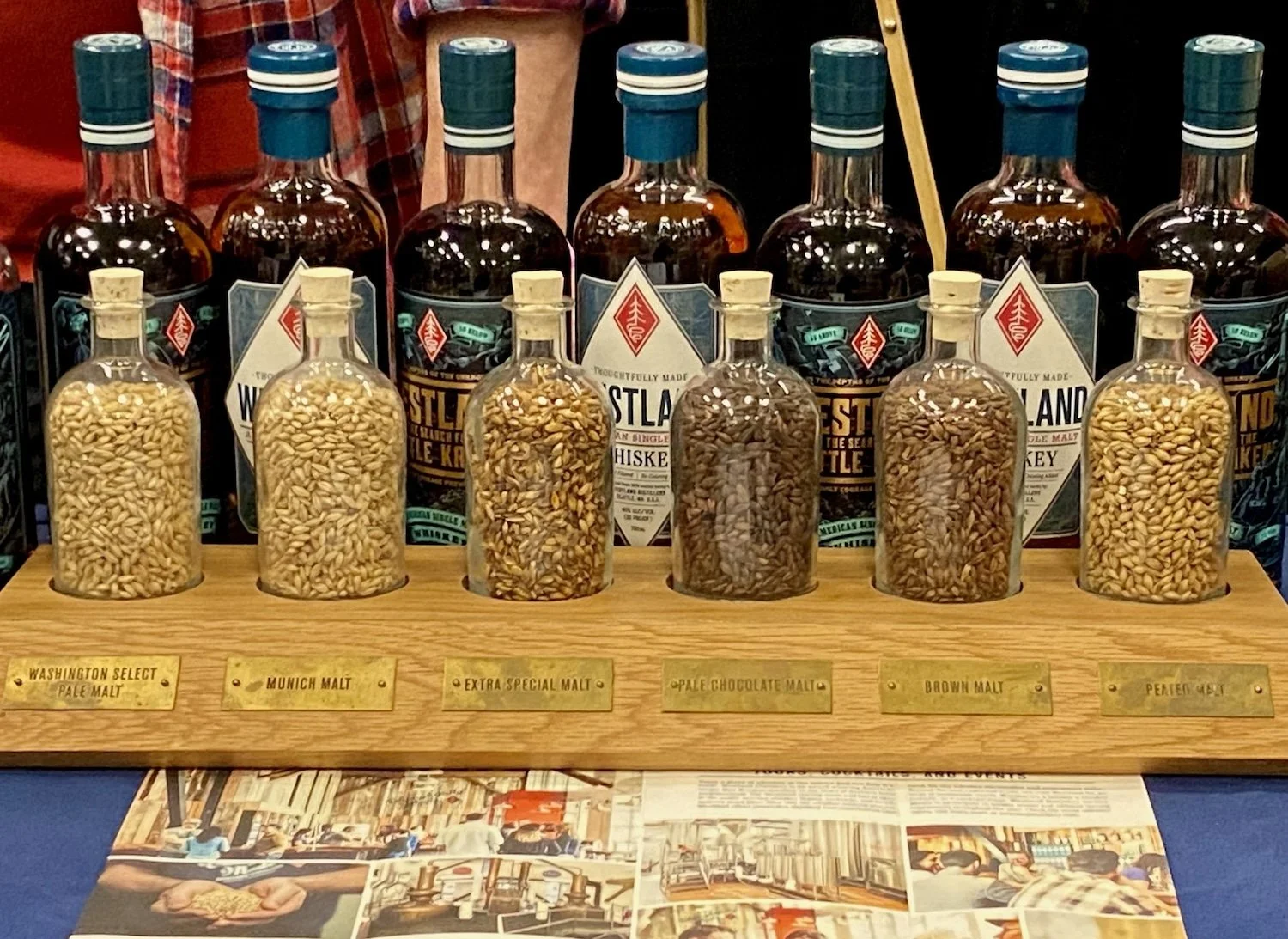
Common grains include:
- Corn
- Wheat
- Rye
- Barley
- Rice
These grains are broken down into fermentable sugars, then converted into alcohol through yeast fermentation, and finally distilled into a concentrated spirit.
2. The Core Principle: Turning Starch into Alcohol
Grains do not naturally contain fermentable sugar. Instead, they contain starch, which must be converted.
The process involves three key stages:
- Milling – grains are crushed
- Mashing – starch is converted into sugar
- Fermentation – yeast converts sugar into alcohol
This biochemical transformation is what makes grain spirits unique among alcohol categories.
3. Distillation: Concentrating the Spirit
After fermentation, the liquid (often called “wash” or “beer-like liquid”) is distilled.
Distillation serves two main purposes:
- Increase alcohol concentration
- Refine flavor profile
Two main types of stills are used:
- Pot stills → richer, heavier spirits
- Column stills → lighter, more neutral spirits
The choice of distillation method heavily influences the final character of the spirit.
4. Neutral Grain Spirit: The Invisible Backbone
One of the most important forms of grain spirits is neutral grain spirit (NGS).
This is:
- Highly distilled (very high purity)
- Almost flavorless
- Extremely versatile
Neutral grain spirit is used as the base for:
- Vodka
- Gin
- Liqueurs
- Flavored spirits
It acts as a blank canvas for flavor creation.
5. The Role of Grain Selection
Each grain contributes different characteristics:
Corn
- Sweet, soft profile
- Common in American spirits
Wheat
- Smooth and mild
- Creates soft mouthfeel
Rye
- Spicy and bold
- Adds structure and intensity
Barley
- Nutty and malty
- Often used in whisky production
Rice
- Clean and delicate
- Used in Asian spirits
Grain choice is one of the most important decisions in spirit production.
6. Fermentation: The Flavor Foundation
Even though distillation removes much of the original flavor, fermentation still matters.
Yeast produces:
- Alcohol
- Esters (fruity notes)
- Organic acids
- Aromatic compounds
Different yeast strains can significantly influence aroma complexity.
7. Global Importance of Grain Spirits
Grain spirits form the base of many iconic beverages:
- Whisky (Scotch, bourbon, rye)
- Vodka
- Gin (via neutral grain spirit)
- Some modern craft spirits
Without grain spirits, much of the modern spirits industry would not exist.
8. Neutrality vs Character
Grain spirits exist on a spectrum:
- Highly neutral spirits → no flavor, purely functional
- Partially flavored spirits → retained grain character
- Aged grain spirits → developed complexity over time
This flexibility makes grain spirits extremely important in production.
9. Industrial vs Craft Production
Grain spirits can be produced in two very different contexts:
Industrial production
- Large-scale
- Highly efficient
- Focus on neutrality
Craft production
- Small batches
- Flavor-focused
- Experimental approaches
Both coexist in the modern market.
10. Grain Spirits in Vodka Production
Vodka is one of the clearest expressions of grain spirit use.
In many cases:
- Grain is fermented
- Distilled to extreme purity
- Filtered extensively
The goal is:
- Clean taste
- Smooth texture
- Minimal aroma
This highlights the “invisible” nature of grain spirits.
11. Grain Spirits in Whisky Production
Unlike vodka, whisky emphasizes grain character.
Here, grain spirits are:
- Fermented more gently
- Distilled less aggressively
- Aged in barrels
This preserves:
- Grain identity
- Complexity
- Depth of flavor
12. The Science of Purity
Distillation purity is measured in alcohol concentration.
Higher distillation:
- Removes impurities
- Reduces flavor compounds
- Increases neutrality
Lower distillation:
- Retains character
- Increases complexity
- Enhances flavor depth
Producers choose based on desired outcome.
13. Aging and Transformation
Not all grain spirits are aged, but when they are, transformation occurs.
In barrels:
- Alcohol interacts with wood
- Color develops
- Flavors deepen
Even neutral spirits can gain character through aging.
14. Economic Importance
Grain spirits are one of the most economically important categories in the alcohol industry.
They enable:
- Mass production
- Product diversification
- Global distribution
Their flexibility makes them essential for large-scale beverage systems.
15. The Invisible Foundation of Modern Spirits
Grain spirits are often invisible to consumers, yet they underpin some of the world’s most consumed alcoholic beverages.
They are:
- Technically essential
- Economically vital
- Structurally foundational
Without them, the modern spirits industry would not function as it does today.
Conclusion: The Quiet Power of Grain Spirits
Grain spirits are not defined by glamour or exclusivity. Instead, they represent function, transformation, and adaptability.
From neutral bases used in vodka to richly structured whisky foundations, grain spirits quietly shape global drinking culture.
They are the starting point of complexity—the blank canvas upon which distillers build flavor, identity, and tradition.
Understanding grain spirits means understanding the hidden architecture of the entire spirits world.










