








Introduction: A Tradition Facing Transformation
Red wine is one of the oldest continuously evolving products in human history.
For centuries, its identity has been shaped by:
- Geography
- Climate
- Tradition
- Time
Yet today, all four of these foundations are shifting.
The future of red wine will not be a simple continuation of the past.
It will be a negotiation between:
- Nature and technology
- Tradition and innovation
- Authenticity and efficiency
This transformation is already underway.
Section 1: Climate Change — Redefining the Map of Wine
1.1 Rising Global Temperatures
Climate change is altering:
- Growing seasons
- Harvest timing
- Grape composition
Warmer conditions lead to:
- Higher sugar levels
- Lower acidity
- Increased alcohol content
1.2 Shifting Wine Regions
Traditional regions are adapting, while new ones are emerging.
- Cooler regions are becoming viable for red wine
- Some classic areas face over-ripening challenges
The global wine map is being redrawn.
1.3 Extreme Weather Risks
Producers must now deal with:
- Drought
- Heatwaves
- Unpredictable rainfall
- Frost events
These factors increase uncertainty in production.
Section 2: Adaptation in the Vineyard
2.1 Changing Grape Varieties
Winemakers are exploring:
Genetic diversity in vineyards
2.2 Vineyard Management Innovation
Heat-resistant grape varieties
Drought-tolerant rootstocks
New techniques include:
- Adjusting canopy to control sunlight
- Changing planting density
- Managing soil moisture more precisely
2.3 Harvest Strategy Evolution
Timing decisions are becoming more complex:
- Balancing sugar, acid, and phenolic ripeness
- Responding quickly to weather shifts
Section 3: Technology in Winemaking
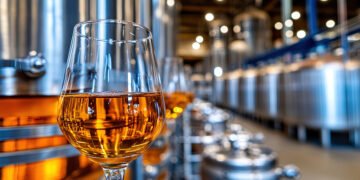
3.1 Precision Fermentation
Modern wineries use:
- Temperature-controlled tanks
- Automated monitoring systems
- Data-driven fermentation control
3.2 Artificial Intelligence and Data
AI can assist in:
- Predicting harvest outcomes
- Optimizing fermentation
- Supporting blending decisions
3.3 Advanced Analytical Tools
Winemakers now measure:
- Phenolic content
- Aromatic compounds
- Microbial activity
With high precision.
Section 4: Sustainability and Environmental Responsibility
4.1 Reducing Environmental Impact
The industry is focusing on:
- Lower carbon emissions
- Sustainable packaging
- Energy-efficient production
4.2 Organic and Biodynamic Farming
More producers are adopting:
- Organic methods
- Biodynamic practices
- Reduced chemical inputs
4.3 Long-Term Vineyard Health
Sustainability ensures:
- Soil preservation
- Biodiversity
- Future production stability
Section 5: Changing Consumer Preferences
5.1 Shift Toward Balance
Consumers increasingly prefer:
- Lower alcohol
- Higher acidity
- More elegant styles
5.2 Transparency and Authenticity
Modern drinkers want to know:
- Where the wine comes from
- How it was made
- Its environmental impact
5.3 Interest in Diversity
There is growing demand for:
- Lesser-known regions
- Unique grape varieties
- Experimental styles
Section 6: The Role of Innovation in Flavor
6.1 Controlled Flavor Development
Winemakers can now:
- Adjust extraction levels
- Control fermentation dynamics
- Influence aroma development
6.2 Oak Alternatives
In addition to traditional barrels, producers use:
- Oak chips
- Staves
- Alternative aging techniques
6.3 Micro-Oxygenation
Controlled oxygen exposure helps:
- Soften tannins
- Stabilize color
- Accelerate maturation
Section 7: Globalization of Red Wine
7.1 Expanded Production
Red wine is now produced in:
- More countries than ever before
7.2 Style Convergence
Global markets encourage:
- Consistent quality
- Predictable flavor profiles
7.3 Cultural Exchange
Winemaking techniques are shared globally, leading to:
- Hybrid styles
- Cross-regional influence
Section 8: Redefining Quality
8.1 From Power to Precision
High alcohol and heavy extraction are no longer the only markers of quality.
There is increasing appreciation for:
- Elegance
- Balance
- Subtlety
8.2 Terroir vs Technology
A central tension emerges:
- Should wine reflect nature as it is?
- Or be optimized through technology?
8.3 Individual Expression
Winemakers are exploring:
- Personal styles
- Unique interpretations
- Small-batch production
Section 9: The Future Consumer Experience
9.1 Digital Integration
Consumers interact with wine through:
- Apps
- Online platforms
- Digital reviews
9.2 Education and Accessibility
Wine knowledge is becoming more accessible:
- Simplified guides
- Online learning
- Social media content
9.3 Experience-Oriented Consumption
People increasingly value:
- Tastings
- Vineyard visits
- Story-driven experiences
Section 10: The Core Question — What Will Red Wine Become?
As the industry evolves, fundamental questions arise:
- Will tradition remain central?
- Will technology dominate production?
- Will climate reshape identity completely?
The answers are still unfolding.
Conclusion: Evolution Without Loss of Identity
Red wine has survived for thousands of years because it adapts.
It has moved through:
- Ancient fermentation
- Medieval trade
- Modern globalization
Now it enters a new phase:
- Climate-driven transformation
- Technological integration
- Cultural redefinition
The future of red wine will not erase its past.
Instead, it will build upon it.
Each bottle will continue to carry:
- A place
- A moment
- A decision
But those elements will be shaped by new forces.
And just as before, the essence of red wine will remain the same:
A living system, evolving with the world around it.