















Introduction: Drinking vs. Understanding
Most people drink beer. Very few truly taste it.
To the untrained palate, beer may seem simple—cold, refreshing, perhaps bitter. But to a trained taster, beer reveals layers of aroma, structure, balance, and complexity that rival fine wine.
Beer tasting is not about being pretentious. It is about awareness.
This guide will take you from casual enjoyment to professional-level understanding—teaching you how to analyze, evaluate, and truly experience beer.
1. Resetting Your Mindset
1.1 Forget “I like it” or “I don’t”
The first step in mastering beer tasting is to move beyond simple preference.
Instead of asking:
- “Do I like this?”
Ask:
- “What am I tasting?”
- “Why does it taste this way?”
- “Is it well-made?”
1.2 Taste is a Skill, Not a Talent
Your palate can be trained, just like:
- A musician trains their ear
- A chef refines their taste
- A perfumer develops scent memory
Consistency and attention matter more than natural ability.
2. The Four-Step Tasting Method
Professional tasters follow a structured process.
Step 1: Appearance (Look)
Observe:
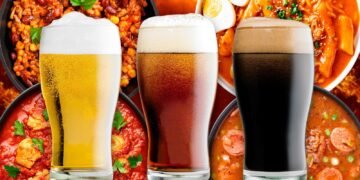
- Color (pale gold → deep black)
- Clarity (clear → hazy)
- Foam (head retention, texture)
What it tells you:
- Ingredients used
- Brewing style
- Freshness
Step 2: Aroma (Smell)
This is the most important step.
Gently swirl and inhale.
Look for:
- Malt aromas → bread, caramel, chocolate
- Hop aromas → citrus, pine, tropical fruit
- Yeast notes → banana, clove, spice
Tip: Take multiple short sniffs instead of one long inhale.
Step 3: Taste (Flavor)
Take a small sip and let it coat your mouth.
Identify:
- Sweetness
- Bitterness
- Acidity
Then look for flavor notes that match the aroma—or differ from it.
Step 4: Mouthfeel (Texture)
Consider:
- Body (light → full)
- Carbonation (sharp → soft)
- Alcohol warmth
Mouthfeel often separates average beer from exceptional beer.
3. Building a Flavor Vocabulary
3.1 Why Vocabulary Matters
You cannot identify what you cannot describe.
Building vocabulary allows you to:
- Recognize patterns
- Communicate clearly
- Improve faster
3.2 Core Flavor Categories
Malt-Derived Flavors
- Biscuit
- Toast
- Caramel
- Coffee
- Chocolate
Hop-Derived Flavors
- Citrus (lemon, grapefruit)
- Tropical (mango, pineapple)
- Herbal
- Pine
Yeast-Derived Flavors
- Banana
- Apple
- Clove
- Pepper
3.3 Training Your Brain
To improve recognition:
- Smell real fruits, spices, herbs
- Taste ingredients separately
- Compare beers side by side
Repetition builds memory.
4. Blind Tasting: The Ultimate Skill
4.1 Why Blind Tasting Matters
Blind tasting removes bias:
- Brand influence
- Price expectations
- Label design
It reveals your true ability.
4.2 How to Practice
- Use identical glasses
- Hide labels
- Taste multiple beers
- Take notes
Try to identify:
- Style
- Strength
- Key ingredients
4.3 What to Focus On
- Balance
- Complexity
- Finish (aftertaste)
Great beers evolve as you drink them.
5. Identifying Quality vs. Flaws
5.1 What Makes a Beer “Good”?
A high-quality beer is:
- Balanced
- Clean (unless intentionally wild)
- True to its style
5.2 Common Flaws
Learn to detect:
- Oxidation → cardboard taste
- Skunkiness → light damage
- Diacetyl → buttery flavor
- Acetaldehyde → green apple
Recognizing flaws is key to expertise.
6. Understanding Beer Styles Through Tasting
6.1 Comparative Tasting
Taste similar styles together:
- Different IPAs
- Multiple stouts
- Various lagers
This helps you understand subtle differences.
6.2 Style Expectations
Each style has benchmarks:
- IPA → noticeable bitterness and aroma
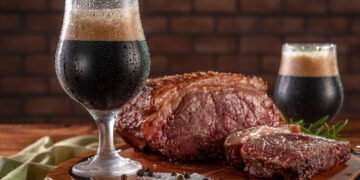
- Stout → roasted, rich
- Lager → clean, crisp
Understanding expectations helps evaluation.
7. Food Pairing at an Advanced Level
7.1 The Three Pairing Principles
Complement
Match similar flavors
(e.g., stout + chocolate dessert)
Contrast
Balance opposing elements
(e.g., bitter IPA + spicy food)
Cleanse
Use carbonation to refresh the palate
(e.g., lager + fried food)
7.2 Elevating the Experience
A great pairing:
- Enhances both food and beer
- Creates new flavor perceptions
- Feels seamless
8. Glassware and Serving Conditions
8.1 Why Glass Shape Matters
Different shapes affect:
- Aroma concentration
- Foam formation
- Drinking experience
8.2 Temperature Guidelines
Serving temperature impacts flavor:
- Too cold → muted aromas
- Too warm → unbalanced
General rule:
- Light beers → colder
- Strong/dark beers → slightly warmer
9. Keeping a Tasting Journal
9.1 Why It Works
Writing down observations:
- Reinforces memory
- Tracks progress
- Builds expertise
9.2 What to Record
- Appearance
- Aroma
- Taste
- Mouthfeel
- Overall impression
Over time, patterns emerge.
10. Developing a Personal Palate
10.1 Discovering Preferences
As you taste more, you’ll notice:
- Flavor patterns you enjoy
- Styles you return to
- Ingredients you prefer
10.2 Avoiding Bias
Stay open-minded:
- Revisit styles you disliked
- Try new breweries
- Challenge assumptions
Taste evolves over time.
11. From Enthusiast to Expert
11.1 Advanced Skills
- Detect subtle fermentation differences
- Identify ingredients blind
- Evaluate technical quality
11.2 Professional Pathways
For those who want to go further:
- Beer judging certifications
- Brewing education
- Sensory training programs
12. The Philosophy of Tasting
Beer tasting is not just technical—it is experiential.
It teaches:
- Patience
- Attention
- Appreciation
It slows you down in a fast world.
Conclusion: Learning to Truly Taste
Beer is not just something you drink—it is something you discover.
Every glass contains:
- Science
- Craft
- Culture
- Intention
The difference between a casual drinker and a connoisseur is not what they drink—but how they experience it.
And once you learn to truly taste, beer will never be “just beer” again.