






























SipsavorLife
  • Home
  • Wine
    The Cultural History of Wine: From Ancient Rituals to Modern Luxury

    The Psychology of Wine: Why Humans Associate Wine with Emotion, Memory, and Identity

    The Cultural History of Wine: From Ancient Rituals to Modern Luxury

    Sustainable Winemaking: Environmental Challenges and the Future of Vineyards

    The Cultural History of Wine: From Ancient Rituals to Modern Luxury

    Wine and Food Pairing: The Culinary Art of Balance and Flavor

    The Cultural History of Wine: From Ancient Rituals to Modern Luxury

    The Science of Wine: Fermentation, Chemistry, and Flavor Development

    The Cultural History of Wine: From Ancient Rituals to Modern Luxury

    The Cultural History of Wine: From Ancient Rituals to Modern Luxury

    Wine as a Cultural Artifact: History, Identity, and the Evolution of Taste

    The Art and Science of Wine & Food Pairing: How to Create Perfect Matches Every Time

  • Whiskey
    Can Beer Be an Effective Ingredient in Culinary Cooking?

    Can Beer Be an Effective Ingredient in Culinary Cooking?

    Second Fermentation in Champagne: Is It Really That Crucial?

    Second Fermentation in Champagne: Is It Really That Crucial?

    How Do Different Grains Impact the Flavor Profile of Distilled Spirits?

    How Do Different Grains Impact the Flavor Profile of Distilled Spirits?

    How Do Whiskey Master Blenders Create Perfection?

    How Do Whiskey Master Blenders Create Perfection?

    Wine Pairings: Can They Change the Flavor Profile of a Dish?

    Wine Pairings: Can They Change the Flavor Profile of a Dish?

    Beer the Ultimate Beverage for Pairing with Spicy Food?

    Beer the Ultimate Beverage for Pairing with Spicy Food?

  • Beer
    Beer as a Cultural and Social Force: From Ancient Brew to Modern Identity

    Women in Brewing: The Untold History and Modern Transformation of Beer Culture

    The Global Craft Beer Revolution: How Independent Brewers Changed Modern Drinking Culture

    Beer Tourism: Exploring the World Through Breweries and Drinking Traditions

    The Global Craft Beer Revolution: How Independent Brewers Changed Modern Drinking Culture

    Barrel Aging and Experimental Brewing: The New Frontier of Beer Innovation

    The Global Craft Beer Revolution: How Independent Brewers Changed Modern Drinking Culture

    Beer and Society: How Beer Shapes Communities, Traditions, and Human Connection

    The Global Craft Beer Revolution: How Independent Brewers Changed Modern Drinking Culture

    The Global Craft Beer Revolution: How Independent Brewers Changed Modern Drinking Culture

    The Global Craft Beer Revolution: How Independent Breweries Changed Modern Drinking Culture

    The Future of Beer: Innovation, Sustainability, and the Changing Global Drinking Culture

  • Grain Spirits
    Grain Spirits Explained — The Foundation of Global Distillation

    The Future of Grain Spirits — Technology, Sustainability, and the Next Era of Distillation

    Grain Spirits Explained — The Foundation of Global Distillation

    Grain Spirits Around the World — Vodka, Whisky Bases, and Industrial Applications

    Grain Spirits Explained — The Foundation of Global Distillation

    Distillation Systems — Pot Still vs Column Still, and the Balance Between Efficiency and Flavor

    Grain Spirits Explained — The Foundation of Global Distillation

    Grain Selection and Fermentation Science — How Raw Ingredients Shape Grain Spirits

    Grain Spirits Explained — The Foundation of Global Distillation

    Grain Spirits Explained — The Foundation of Global Distillation

    Grain Spirits and the Industrial Birth of Neutral Alcohol

    The Future of Grain Spirits — AI Distillation, Sustainability, and the Post-Flavor Alcohol Industry

  • Champagne
    The History of Champagne — From Accidental Sparkle to Global Luxury

    The Future of Champagne — Climate Change, Innovation, and Industry Evolution

    The History of Champagne — From Accidental Sparkle to Global Luxury

    The Culture of Champagne — Luxury, Celebration, and Global Influence

    The History of Champagne — From Accidental Sparkle to Global Luxury

    Champagne Styles Explained — Brut, Rosé, Vintage, and Beyond

    The History of Champagne — From Accidental Sparkle to Global Luxury

    The Craft of Champagne — Terroir, Grapes, and the Méthode Traditionnelle

    The History of Champagne — From Accidental Sparkle to Global Luxury

    The History of Champagne — From Accidental Sparkle to Global Luxury

    The Future of Champagne — Climate Change, Innovation, and the Evolution of Sparkling Wine

    The Future of Champagne — Climate Change, Innovation, and the Evolution of Sparkling Wine

  • ALL
    Can Beer Be an Effective Ingredient in Culinary Cooking?

    Can Beer Be an Effective Ingredient in Culinary Cooking?

    Second Fermentation in Champagne: Is It Really That Crucial?

    Second Fermentation in Champagne: Is It Really That Crucial?

    How Do Different Grains Impact the Flavor Profile of Distilled Spirits?

    How Do Different Grains Impact the Flavor Profile of Distilled Spirits?

    How Do Whiskey Master Blenders Create Perfection?

    How Do Whiskey Master Blenders Create Perfection?

    Wine Pairings: Can They Change the Flavor Profile of a Dish?

    Wine Pairings: Can They Change the Flavor Profile of a Dish?

    Beer the Ultimate Beverage for Pairing with Spicy Food?

    Beer the Ultimate Beverage for Pairing with Spicy Food?

SipsavorLife
  • Home
  • Wine
    The Cultural History of Wine: From Ancient Rituals to Modern Luxury

    The Psychology of Wine: Why Humans Associate Wine with Emotion, Memory, and Identity

    The Cultural History of Wine: From Ancient Rituals to Modern Luxury

    Sustainable Winemaking: Environmental Challenges and the Future of Vineyards

    The Cultural History of Wine: From Ancient Rituals to Modern Luxury

    Wine and Food Pairing: The Culinary Art of Balance and Flavor

    The Cultural History of Wine: From Ancient Rituals to Modern Luxury

    The Science of Wine: Fermentation, Chemistry, and Flavor Development

    The Cultural History of Wine: From Ancient Rituals to Modern Luxury

    The Cultural History of Wine: From Ancient Rituals to Modern Luxury

    Wine as a Cultural Artifact: History, Identity, and the Evolution of Taste

    The Art and Science of Wine & Food Pairing: How to Create Perfect Matches Every Time

  • Whiskey
    Can Beer Be an Effective Ingredient in Culinary Cooking?

    Can Beer Be an Effective Ingredient in Culinary Cooking?

    Second Fermentation in Champagne: Is It Really That Crucial?

    Second Fermentation in Champagne: Is It Really That Crucial?

    How Do Different Grains Impact the Flavor Profile of Distilled Spirits?

    How Do Different Grains Impact the Flavor Profile of Distilled Spirits?

    How Do Whiskey Master Blenders Create Perfection?

    How Do Whiskey Master Blenders Create Perfection?

    Wine Pairings: Can They Change the Flavor Profile of a Dish?

    Wine Pairings: Can They Change the Flavor Profile of a Dish?

    Beer the Ultimate Beverage for Pairing with Spicy Food?

    Beer the Ultimate Beverage for Pairing with Spicy Food?

  • Beer
    Beer as a Cultural and Social Force: From Ancient Brew to Modern Identity

    Women in Brewing: The Untold History and Modern Transformation of Beer Culture

    The Global Craft Beer Revolution: How Independent Brewers Changed Modern Drinking Culture

    Beer Tourism: Exploring the World Through Breweries and Drinking Traditions

    The Global Craft Beer Revolution: How Independent Brewers Changed Modern Drinking Culture

    Barrel Aging and Experimental Brewing: The New Frontier of Beer Innovation

    The Global Craft Beer Revolution: How Independent Brewers Changed Modern Drinking Culture

    Beer and Society: How Beer Shapes Communities, Traditions, and Human Connection

    The Global Craft Beer Revolution: How Independent Brewers Changed Modern Drinking Culture

    The Global Craft Beer Revolution: How Independent Brewers Changed Modern Drinking Culture

    The Global Craft Beer Revolution: How Independent Breweries Changed Modern Drinking Culture

    The Future of Beer: Innovation, Sustainability, and the Changing Global Drinking Culture

  • Grain Spirits
    Grain Spirits Explained — The Foundation of Global Distillation

    The Future of Grain Spirits — Technology, Sustainability, and the Next Era of Distillation

    Grain Spirits Explained — The Foundation of Global Distillation

    Grain Spirits Around the World — Vodka, Whisky Bases, and Industrial Applications

    Grain Spirits Explained — The Foundation of Global Distillation

    Distillation Systems — Pot Still vs Column Still, and the Balance Between Efficiency and Flavor

    Grain Spirits Explained — The Foundation of Global Distillation

    Grain Selection and Fermentation Science — How Raw Ingredients Shape Grain Spirits

    Grain Spirits Explained — The Foundation of Global Distillation

    Grain Spirits Explained — The Foundation of Global Distillation

    Grain Spirits and the Industrial Birth of Neutral Alcohol

    The Future of Grain Spirits — AI Distillation, Sustainability, and the Post-Flavor Alcohol Industry

  • Champagne
    The History of Champagne — From Accidental Sparkle to Global Luxury

    The Future of Champagne — Climate Change, Innovation, and Industry Evolution

    The History of Champagne — From Accidental Sparkle to Global Luxury

    The Culture of Champagne — Luxury, Celebration, and Global Influence

    The History of Champagne — From Accidental Sparkle to Global Luxury

    Champagne Styles Explained — Brut, Rosé, Vintage, and Beyond

    The History of Champagne — From Accidental Sparkle to Global Luxury

    The Craft of Champagne — Terroir, Grapes, and the Méthode Traditionnelle

    The History of Champagne — From Accidental Sparkle to Global Luxury

    The History of Champagne — From Accidental Sparkle to Global Luxury

    The Future of Champagne — Climate Change, Innovation, and the Evolution of Sparkling Wine

    The Future of Champagne — Climate Change, Innovation, and the Evolution of Sparkling Wine

  • ALL
    Can Beer Be an Effective Ingredient in Culinary Cooking?

    Can Beer Be an Effective Ingredient in Culinary Cooking?

    Second Fermentation in Champagne: Is It Really That Crucial?

    Second Fermentation in Champagne: Is It Really That Crucial?

    How Do Different Grains Impact the Flavor Profile of Distilled Spirits?

    How Do Different Grains Impact the Flavor Profile of Distilled Spirits?

    How Do Whiskey Master Blenders Create Perfection?

    How Do Whiskey Master Blenders Create Perfection?

    Wine Pairings: Can They Change the Flavor Profile of a Dish?

    Wine Pairings: Can They Change the Flavor Profile of a Dish?

    Beer the Ultimate Beverage for Pairing with Spicy Food?

    Beer the Ultimate Beverage for Pairing with Spicy Food?

SipsavorLife
No Result
View All Result
Home Wine

The Science of Wine: Fermentation, Chemistry, and Flavor Development

May 23, 2026
in Wine
The Cultural History of Wine: From Ancient Rituals to Modern Luxury

Introduction

Wine is often romanticized as an artistic and cultural product, but behind every bottle lies a remarkable combination of chemistry, biology, and environmental science. Winemaking depends on highly complex interactions involving grapes, yeast, climate, soil, fermentation conditions, and aging techniques.

The science of wine explains why different grape varieties produce distinctive aromas, why climate influences flavor intensity, and how fermentation transforms grape juice into one of the world’s most sophisticated beverages.

Modern winemakers increasingly combine traditional craftsmanship with advanced scientific research to improve quality, sustainability, and consistency.

Understanding the science of wine reveals the extraordinary complexity hidden within a single glass.

Grape Biology and Viticulture

Wine quality begins in the vineyard.

Grapevines belong primarily to the species Vitis vinifera, which includes famous varieties such as Cabernet Sauvignon, Pinot Noir, Chardonnay, and Riesling.

Each grape variety possesses unique genetic characteristics influencing sugar accumulation, acidity, tannin structure, and aromatic compounds.

Climate strongly affects grape development. Warm regions generally produce riper grapes with higher sugar content, while cooler climates preserve acidity and subtle aromas.

Soil composition also influences vine behavior. Gravel, limestone, clay, volcanic soils, and sand each affect water retention, drainage, and root development differently.

Viticulture therefore involves careful management of environmental conditions.

Harvest Timing and Ripeness

One of the most critical decisions in winemaking is determining when to harvest grapes.

Grapes must achieve balanced sugar, acidity, and flavor development.

If harvested too early, wines may taste excessively acidic and thin. If harvested too late, wines may become overly alcoholic or lose freshness.

Modern wineries use laboratory analysis alongside sensory evaluation to monitor grape maturity.

Weather conditions can dramatically influence harvest timing and final wine style.

Fermentation Science

Fermentation is the biological process that transforms grape juice into wine.

Yeast consumes grape sugars and converts them into alcohol, carbon dioxide, and numerous flavor compounds.

The primary yeast species used in winemaking is Saccharomyces cerevisiae.

Fermentation generates heat, requiring careful temperature control.

Cool fermentation preserves delicate fruit aromas, while warmer temperatures may increase extraction and complexity.

Winemakers may use cultured yeast strains for consistency or rely on wild yeast for greater unpredictability and regional character.

Red Wine Production

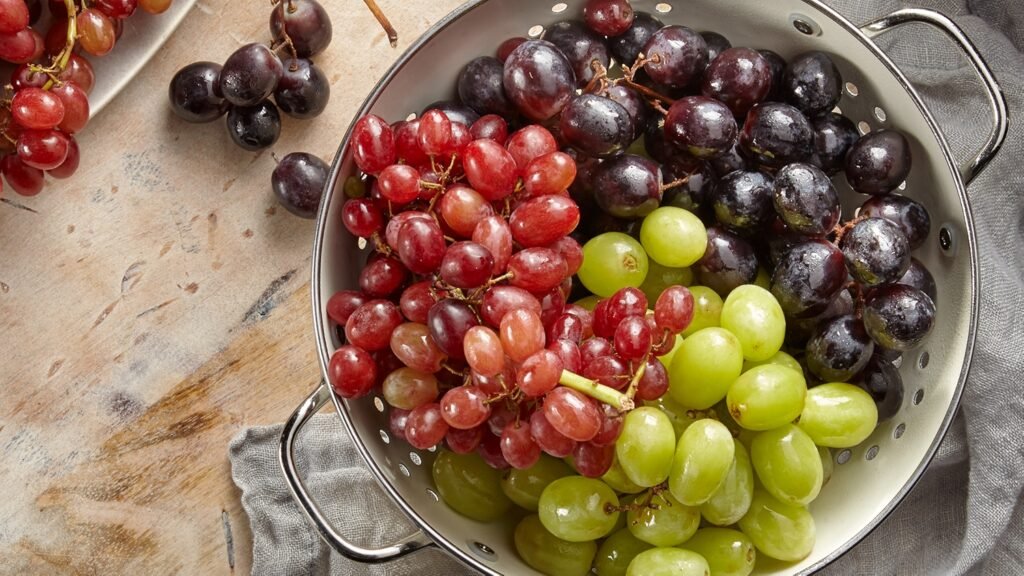
Red wine production involves fermenting grape juice together with skins and seeds.

This contact extracts color, tannins, and phenolic compounds.

Tannins contribute bitterness, structure, and aging potential.

Winemakers influence extraction through techniques such as punch-downs, pump-overs, and extended maceration.

Different methods create dramatically different wine styles.

White Wine Production

White wines are generally fermented without prolonged skin contact.

This process preserves freshness and lighter color.

Many white wines emphasize acidity, floral aromas, and fruit purity.

Some producers ferment or age white wines in oak barrels to increase richness and texture.
Rosé Wine Production

Rosé wines occupy a middle ground between red and white wine production.

Limited skin contact provides pink coloration without heavy tannin extraction.

Rosé has become increasingly popular due to its freshness, versatility, and visual appeal.

Oak Aging and Flavor Chemistry

Oak barrels significantly influence wine character.

Wood contains compounds such as vanillin and tannins that contribute flavors associated with vanilla, spice, smoke, coconut, and toast.

Barrels also allow small amounts of oxygen exposure, softening wine texture over time.

French and American oak produce different flavor profiles.

Barrel aging therefore combines chemistry, oxidation, and craftsmanship.

Aroma Compounds and Sensory Perception

Wine contains hundreds of volatile aroma compounds.

These molecules create scents resembling fruit, flowers, herbs, spices, earth, or smoke.

For example, Sauvignon Blanc often contains compounds producing grassy or citrus aromas, while Pinot Noir may display red fruit and earthy characteristics.

Human sensory perception is highly subjective, making wine tasting both scientific and personal.

Wine Faults and Quality Control

Winemakers must manage numerous potential problems.

Oxidation, microbial contamination, cork taint, and excessive sulfur compounds can negatively affect wine quality.

Modern laboratories help wineries monitor chemical stability and microbiological safety.

Quality control remains essential for commercial success.

Climate Change and Wine Science

Climate change is increasingly affecting global viticulture.

Rising temperatures influence harvest dates, sugar levels, and acidity balance.

Some traditional wine regions may become unsuitable for specific grape varieties.

Scientists and winemakers are therefore exploring drought-resistant vines, alternative vineyard locations, and adaptive farming techniques.

Technology and Modern Innovation

Advanced technology transformed modern winemaking.

Precision agriculture uses drones, sensors, and satellite imaging to monitor vineyard conditions.

Data analysis helps wineries optimize irrigation, disease management, and harvest timing.

Artificial intelligence may play an even greater role in future wine production.

Conclusion

The science of wine demonstrates how biology, chemistry, climate, and human decision-making combine to create remarkable diversity.

Every bottle represents countless scientific interactions shaped by nature and craftsmanship.

Although wine often appears mysterious or romantic, its complexity becomes even more fascinating when understood through scientific exploration


Tags: Wine
ShareTweetShare

Related Posts

The Cultural History of Wine: From Ancient Rituals to Modern Luxury
Wine

The Psychology of Wine: Why Humans Associate Wine with Emotion, Memory, and Identity

May 23, 2026
The Cultural History of Wine: From Ancient Rituals to Modern Luxury
Wine

Sustainable Winemaking: Environmental Challenges and the Future of Vineyards

May 23, 2026
The Cultural History of Wine: From Ancient Rituals to Modern Luxury
Wine

Wine and Food Pairing: The Culinary Art of Balance and Flavor

May 23, 2026
The Cultural History of Wine: From Ancient Rituals to Modern Luxury
Wine

The Cultural History of Wine: From Ancient Rituals to Modern Luxury

May 23, 2026
Wine as a Cultural Artifact: History, Identity, and the Evolution of Taste
Wine

The Art and Science of Wine & Food Pairing: How to Create Perfect Matches Every Time

April 26, 2026
Wine as a Cultural Artifact: History, Identity, and the Evolution of Taste
Wine

A Complete Guide to Wine Styles and Grape Varieties: From Cabernet Sauvignon to Riesling

April 26, 2026
Leave Comment
  • Trending
  • Comments
  • Latest
Role of Terroir in Champagne Production

Role of Terroir in Champagne Production

January 19, 2026
Champagne Can Be Aged in Wood?

Champagne Can Be Aged in Wood?

January 18, 2026
Is Organic Wine Healthier Than Conventional Wine?

Is Organic Wine Healthier Than Conventional Wine?

January 20, 2026
Why Do Some Champagnes Use a High Proportion of Pinot Meunier?

Why Do Some Champagnes Use a High Proportion of Pinot Meunier?

January 20, 2026
The Timeless Elegance of Wine: A Journey Through History and Culture

The Timeless Elegance of Wine: A Journey Through History and Culture

Why Is Château Lafite Rothschild the Pinnacle of Fine Wine?

Why Is Château Lafite Rothschild the Pinnacle of Fine Wine?

How Did Château Lafite Rothschild Become a Global Icon of Luxury?

How Did Château Lafite Rothschild Become a Global Icon of Luxury?

What Makes Chateau Lafite Rothschild the Pinnacle of Bordeaux Wines?

What Makes Chateau Lafite Rothschild the Pinnacle of Bordeaux Wines?

The Cultural History of Wine: From Ancient Rituals to Modern Luxury

The Psychology of Wine: Why Humans Associate Wine with Emotion, Memory, and Identity

May 23, 2026
The Cultural History of Wine: From Ancient Rituals to Modern Luxury

Sustainable Winemaking: Environmental Challenges and the Future of Vineyards

May 23, 2026
The Cultural History of Wine: From Ancient Rituals to Modern Luxury

Wine and Food Pairing: The Culinary Art of Balance and Flavor

May 23, 2026
The Cultural History of Wine: From Ancient Rituals to Modern Luxury

The Science of Wine: Fermentation, Chemistry, and Flavor Development

May 23, 2026
SipsavorLife

Welcome to our comprehensive beverage guide, where you can explore the fascinating world of alcoholic drinks. From exquisite wines and rich whiskeys to refreshing beers and sparkling champagnes, we provide insights, tips, and recommendations for enthusiasts and casual drinkers alike. Discover your next favorite libation with us!

© 2025 sipsavorlife.com. contacts:sipsavorlife-35376@gmail.com

No Result
View All Result
  • Home
  • Wine
  • Whiskey
  • Beer
  • Grain Spirits
  • Champagne
  • ALL

© 2025 sipsavorlife.com. contacts:sipsavorlife-35376@gmail.com

Welcome Back!

Login to your account below

Forgotten Password?

Retrieve your password

Please enter your username or email address to reset your password.

Log In





