




















Introduction
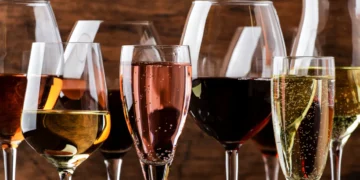
Wine and food have shared a close relationship for thousands of years. Across cultures, meals accompanied by wine often symbolize hospitality, celebration, and refined social experience.
In modern gastronomy, wine pairing evolved into a sophisticated culinary discipline. Chefs, sommeliers, and wine professionals carefully analyze flavor interactions to create harmonious dining experiences.
A successful pairing can transform both the food and the wine, enhancing aroma, texture, and complexity.
While pairing principles involve science and sensory perception, personal preference also plays an important role. The beauty of wine pairing lies in its balance between structure and creativity.
Understanding Taste and Balance
The foundation of wine pairing begins with understanding basic taste elements.
Sweetness, acidity, bitterness, saltiness, umami, and fat all influence how wine interacts with food.
Acidic wines often complement rich or fatty dishes because acidity refreshes the palate.
Sweet wines balance spicy foods, while tannic red wines pair effectively with protein-rich meats.
Successful pairings generally avoid situations where either the wine or food completely overpowers the other.
Balance is therefore essential.
Red Wine Pairings
Red wines are commonly associated with hearty dishes.
Cabernet Sauvignon pairs well with steak because tannins interact positively with protein and fat.
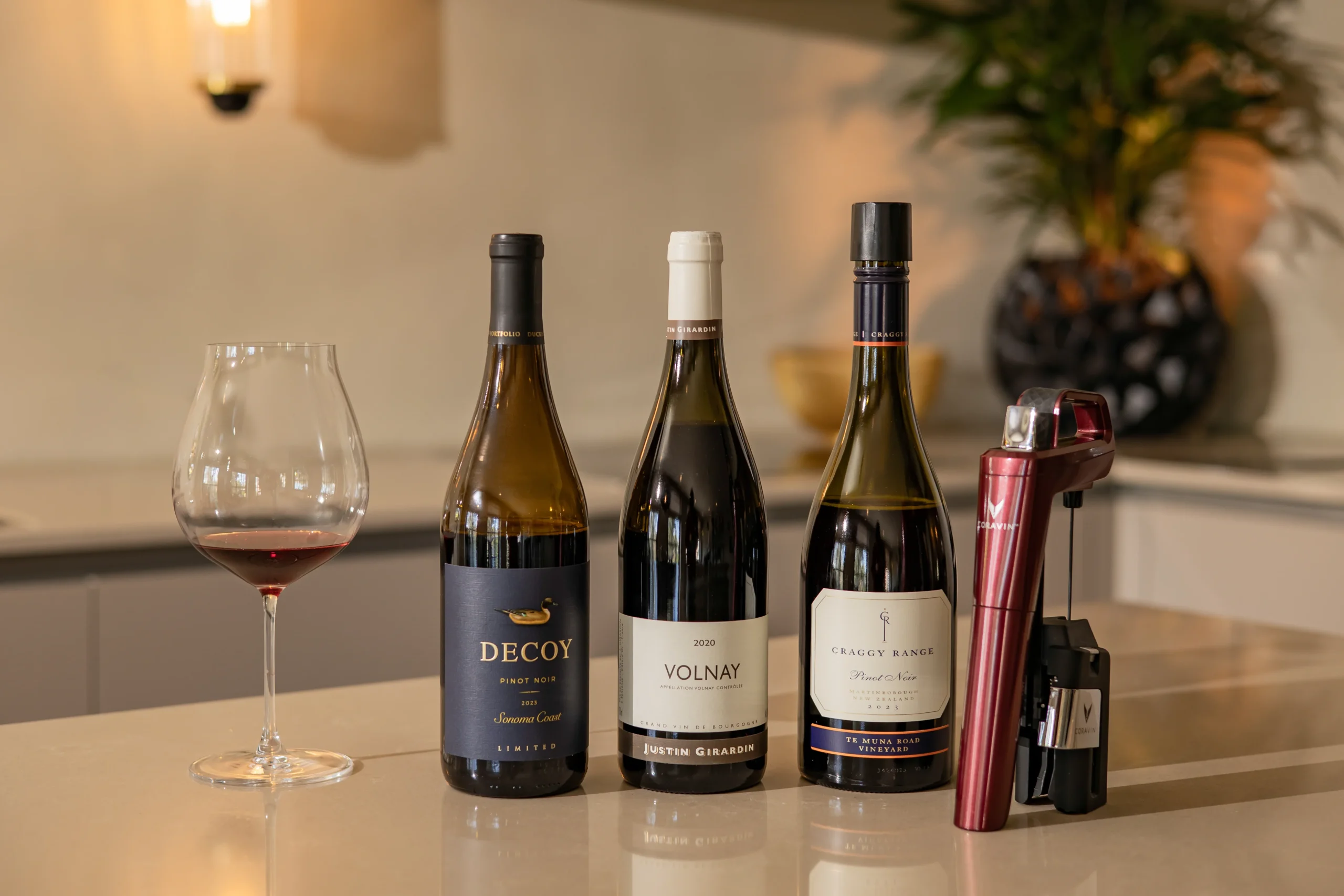
Pinot Noir complements duck, mushrooms, and earthy dishes due to its lighter body and subtle complexity.
Syrah or Shiraz often matches grilled meats and smoky flavors.
However, modern pairing approaches encourage flexibility rather than rigid rules.
White Wine Pairings
White wines typically pair with lighter foods.
Sauvignon Blanc complements seafood, salads, and goat cheese through its bright acidity.
Chardonnay pairs with creamy sauces and roasted poultry, especially when oak-aged.
Riesling is highly versatile because it balances sweetness and acidity effectively.
White wine pairings frequently emphasize freshness and aromatic harmony.
Rosé and Sparkling Wines
Rosé wines pair effectively with Mediterranean cuisine, grilled vegetables, and light meats.
Sparkling wines such as Champagne possess exceptional versatility.
Their acidity and carbonation cleanse the palate, allowing successful pairing with fried foods, seafood, cheese, and even desserts.
Champagne’s elegance also contributes to its association with celebration and luxury.
Regional Pairing Traditions
Many classic wine pairings developed naturally within regional cuisines.
Italian wines often pair beautifully with Italian food because both evolved together historically.
French wines similarly complement local cheeses, sauces, and meats.
Spanish Rioja pairs with tapas and roasted lamb, while German Riesling complements Central European cuisine.
These traditions reflect centuries of culinary adaptation.
Cheese and Wine
Cheese pairing remains one of the most famous aspects of wine culture.
Soft cheeses may pair with sparkling wine or Sauvignon Blanc, while aged hard cheeses complement bold reds.
Blue cheese often matches sweet wines because sweetness balances saltiness and intensity.
The complexity of cheese and wine pairing makes it a favorite topic among sommeliers.
Dessert Wines
Dessert wines require careful pairing consideration.
A common principle states that wine should be at least as sweet as the dessert itself.
Port pairs with chocolate, while Sauternes complements fruit desserts and blue cheese.
Sweet wines demonstrate wine’s extraordinary range beyond dry table wines.
Cultural and Social Aspects
Wine pairing also reflects social and cultural identity.
Formal wine dinners, tasting menus, and holiday meals frequently use wine as part of storytelling and hospitality.
Restaurants invest heavily in sommelier expertise because wine contributes significantly to dining atmosphere and customer experience.
Wine therefore functions not only as a beverage but also as a cultural performance.
Modern Trends in Pairing
Contemporary chefs increasingly experiment with unconventional pairings.
Natural wines, orange wines, and biodynamic wines introduced new flavor possibilities.
Globalization also expanded pairing diversity.
Asian, Latin American, African, and fusion cuisines encouraged sommeliers to rethink traditional European pairing assumptions.
This openness made wine culture more creative and inclusive.
Psychological Influence of Pairing
Consumer expectations strongly influence pairing experiences.
Presentation, lighting, conversation, and emotional atmosphere affect taste perception.
Wine pairing therefore combines psychology with sensory science.
Memorable meals often become emotionally meaningful partly because of these combined influences.
Conclusion
Wine and food pairing represents one of humanity’s most refined culinary traditions.
By balancing flavor, texture, aroma, and emotion, pairing transforms meals into immersive experiences.
Although guidelines provide useful structure, the true joy of pairing lies in exploration and personal discovery.
Wine continues enriching global dining culture by connecting taste with memory, hospitality, and creativity.