
















Champagne is often celebrated for its elegance, its bubbles, and its symbolism. Yet beneath the glamour lies one of the most technically demanding and meticulously controlled winemaking processes in the world. Unlike still wines, Champagne undergoes a complex series of transformations that require precision, patience, and deep understanding of both nature and chemistry.
The craft of Champagne is not defined by a single step, but by an intricate system: the influence of terroir, the careful selection of grape varieties, and the execution of the méthode traditionnelle (traditional method). Each bottle is the result of years of work—sometimes decades—guided by both tradition and innovation.
1. Understanding Terroir: The Foundation of Champagne
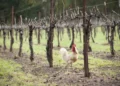
The concept of terroir is central to all fine wine, but in Champagne, it plays an especially critical role.
Terroir encompasses:
- Soil composition
- Climate
- Topography
- Local ecosystem
The Champagne region in France possesses a unique terroir that is difficult to replicate anywhere else in the world.
Chalky Soils: The Hidden Advantage
One of Champagne’s defining features is its chalk-rich soil.
This soil:
- Retains water efficiently, protecting vines during dry periods
- Reflects sunlight, aiding grape ripening
- Provides excellent drainage
Chalk also contributes to the minerality often associated with Champagne, giving it a clean, precise character.
Cool Climate: Preserving Acidity
Champagne’s northern location means:
- Short growing seasons
- Lower average temperatures
- Higher natural acidity in grapes
While this climate can be challenging, it is ideal for sparkling wine. High acidity is essential for balance, freshness, and aging potential.
2. The Three Primary Grape Varieties
Champagne is typically made from three main grape varieties, each contributing different characteristics.
Chardonnay
- White grape
- Provides elegance, acidity, and citrus notes
- Contributes to longevity and finesse
Pinot Noir
- Black grape
- Adds structure, body, and red fruit flavors
- Enhances depth and power
Pinot Meunier
- Black grape
- Offers fruitiness and approachability
- Often matures earlier than the others
Blending Philosophy
Unlike many wines, Champagne is rarely made from a single grape or vineyard.
Blending allows producers to:
- Maintain consistency year after year
- Balance acidity, body, and aroma
- Create complex flavor profiles
This practice is one of the defining features of Champagne craftsmanship.
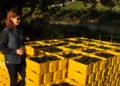
3. Harvesting: Precision and Timing
Harvesting in Champagne is done with exceptional care.
Key considerations include:
- Optimal sugar levels
- Balanced acidity
- Weather conditions
Grapes are typically harvested by hand to:
- Prevent damage
- Ensure quality selection
Timing is crucial—harvest too early, and the wine lacks depth; too late, and acidity may drop.
4. Pressing: Extracting Pure Juice
After harvesting, grapes are pressed gently to extract juice.
The goal is to:
- Avoid extracting harsh tannins
- Preserve delicate flavors
Even black grapes are used to produce white Champagne because:
- The juice is clear
- Skins are removed quickly
Pressing is tightly regulated to ensure quality and consistency.
5. Primary Fermentation: Creating Base Wine
The extracted juice undergoes primary fermentation, transforming sugars into alcohol.
At this stage:
- The wine is still (no bubbles)
- Alcohol levels are relatively low
- Acidity remains high
This base wine is not yet Champagne—it is the foundation upon which Champagne will be built.
6. Assemblage: The Art of Blending
One of the most critical and creative steps in Champagne production is assemblage, or blending.
Winemakers combine:
- Wines from different grape varieties
- Wines from different vineyards
- Wines from different years (for non-vintage Champagne)
This process requires:
- Sensory expertise
- Deep knowledge of vineyard characteristics
- Long-term vision
Assemblage defines the house style of Champagne producers.
7. The Méthode Traditionnelle: Secondary Fermentation
The defining step in Champagne production is the méthode traditionnelle, also known as the traditional method.
After blending, the wine is bottled with:
- Sugar
- Yeast
This mixture triggers a second fermentation inside the bottle, producing carbon dioxide.
Because the gas is trapped, it dissolves into the wine, creating bubbles.
8. Lees Aging: Developing Complexity
After secondary fermentation, Champagne is aged on its lees (dead yeast cells).
This stage can last:
- Minimum 15 months for non-vintage
- Several years for vintage Champagne
Lees aging contributes:
- Creamy texture
- Brioche and toasted flavors
- Greater complexity
The longer the aging, the more refined the Champagne becomes.
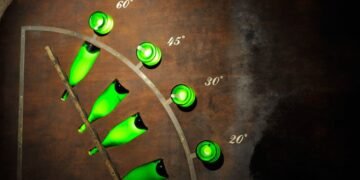
9. Riddling (Remuage): Clarifying the Wine
After aging, the wine contains sediment from the yeast.
To remove it, bottles undergo riddling:
- Gradual rotation and tilting
- Sediment collects in the neck
This process was famously refined by Madame Clicquot, who revolutionized Champagne clarity.
Today, riddling is often done using automated systems, but the principle remains the same.
10. Disgorgement: Removing Sediment
Once sediment is collected in the neck, it must be removed.
This is done through disgorgement:
- The neck is frozen
- The bottle is opened
- Pressure expels the sediment plug
The result is a clear, sparkling wine.
11. Dosage: Final Flavor Adjustment
After disgorgement, a mixture of wine and sugar (dosage) is added.
This determines the sweetness level:
- Brut Nature (no added sugar)
- Extra Brut
- Brut (most common)
- Demi-Sec (sweeter)
Dosage balances acidity and defines the final taste.
12. Corking and Aging
The bottle is sealed with a cork and wire cage to contain pressure.
Champagne may then undergo additional aging before release, further refining its character.
13. The Science Behind the Bubbles
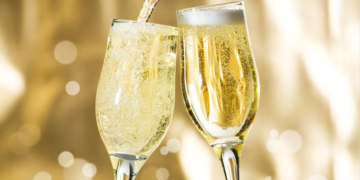
Champagne’s bubbles are a result of dissolved carbon dioxide.
Factors influencing bubbles:
- Pressure inside the bottle
- Glass shape
- Serving temperature
Fine, persistent bubbles are considered a علامة of high quality.
14. Time as an Ingredient
Unlike many beverages, time is a critical component in Champagne production.
From harvest to release, the process can take years.
Time contributes to:
- Flavor development
- Texture refinement
- Aromatic complexity
Patience is essential—Champagne cannot be rushed.
15. Craftsmanship and Consistency
Despite natural variation in grapes and climate, Champagne producers strive for consistency.
This is achieved through:
- Blending
- Technical expertise
- Strict regulations
Each bottle reflects not just a year, but a philosophy.
Conclusion: Precision in Every Bubble
The craft of Champagne is a balance of art and science, tradition and innovation. Every step—from vineyard to bottle—is guided by precision, discipline, and creativity.
What makes Champagne extraordinary is not just its taste, but the process behind it. It is a wine that undergoes transformation not once, but twice. A wine shaped by both nature and human ingenuity.
In every glass of Champagne, there is:
- The influence of terroir
- The character of grapes
- The complexity of fermentation
- The patience of time
And when the bubbles rise, they carry with them the invisible craft that defines one of the world’s most celebrated wines.