








SipsavorLife
  • Home
  • Wine
    Red Wine — The Liquid Expression of Land, Time, and Human Intention

    The Future of Red Wine — Climate Change, Technology, and the Evolution of Taste

    Red Wine — The Liquid Expression of Land, Time, and Human Intention

    Red Wine and Human Culture — Rituals, Status, and the Psychology of Drinking

    Red Wine — The Liquid Expression of Land, Time, and Human Intention

    A Journey Through the World of Red Wine — Bordeaux, Tuscany, Napa, and Beyond

    Red Wine — The Liquid Expression of Land, Time, and Human Intention

    The Chemistry of Red Wine — Tannins, Acids, Phenolics, and Molecular Evolution

    Red Wine — The Liquid Expression of Land, Time, and Human Intention

    Red Wine — The Liquid Expression of Land, Time, and Human Intention

    Wine as Culture, Craft, and Time — Understanding the Soul of the World’s Most Enduring Drink

    The Changing Map of Wine — Global Industry, Emerging Regions, and the Future of a Timeless Craft

  • Whiskey
    Can Beer Be an Effective Ingredient in Culinary Cooking?

    Can Beer Be an Effective Ingredient in Culinary Cooking?

    Second Fermentation in Champagne: Is It Really That Crucial?

    Second Fermentation in Champagne: Is It Really That Crucial?

    How Do Different Grains Impact the Flavor Profile of Distilled Spirits?

    How Do Different Grains Impact the Flavor Profile of Distilled Spirits?

    How Do Whiskey Master Blenders Create Perfection?

    How Do Whiskey Master Blenders Create Perfection?

    Wine Pairings: Can They Change the Flavor Profile of a Dish?

    Wine Pairings: Can They Change the Flavor Profile of a Dish?

    Beer the Ultimate Beverage for Pairing with Spicy Food?

    Beer the Ultimate Beverage for Pairing with Spicy Food?

  • Beer
    The Evolution of Beer — From Ancient Brews to the Craft Revolution

    The Future of Beer — Innovation, Sustainability, and Emerging Trends

    The Evolution of Beer — From Ancient Brews to the Craft Revolution

    Global Beer Styles — A Journey Across Continents

    The Evolution of Beer — From Ancient Brews to the Craft Revolution

    The Science of Brewing — Ingredients, Fermentation, and Flavor

    The Evolution of Beer — From Ancient Brews to the Craft Revolution

    Inside the Craft Beer Movement — Culture, Creativity, and Community

    The Evolution of Beer — From Ancient Brews to the Craft Revolution

    The Evolution of Beer — From Ancient Brews to the Craft Revolution

    Beer and the Human Story — A Journey Through Time, Taste, and Civilization

    Inside the Modern Beer Industry — Craft, Corporations, and the Battle for the Future

  • Grain Spirits
    Grain Spirits and the Industrial Birth of Neutral Alcohol

    The Future of Grain Spirits — AI Distillation, Sustainability, and the Post-Flavor Alcohol Industry

    Grain Spirits and the Industrial Birth of Neutral Alcohol

    Grain Spirits and Vodka Culture — Purity, Ritual, and the Social Psychology of Neutral Alcohol

    Grain Spirits and the Industrial Birth of Neutral Alcohol

    Inside a Grain Spirit Distillery — Continuous Flow, Steel Columns, and the Engineering of Neutrality

    Grain Spirits and the Industrial Birth of Neutral Alcohol

    The Global Map of Grain Spirits — How Different Cultures Define Purity in Alcohol

    Grain Spirits and the Industrial Birth of Neutral Alcohol

    Grain Spirits and the Industrial Birth of Neutral Alcohol

    The Origins of Grain Spirits: Power, Society, and the Birth of Distilled Alcohol

    The Future of Grain Spirits: Reinvention in an Age of Change

  • Champagne
    The Future of Champagne — Climate Change, Innovation, and the Evolution of Sparkling Wine

    The Future of Champagne — Climate Change, Innovation, and the Evolution of Sparkling Wine

    Champagne — The Accidental Invention That Became the Language of Celebration

    Champagne and Luxury — Branding, Scarcity, and the Global Economy of Celebration

    Champagne — The Accidental Invention That Became the Language of Celebration

    Inside a Champagne House — From Vineyard to Cellar, A Journey Through Time and Craft

    Champagne — The Accidental Invention That Became the Language of Celebration

    The Science of Bubbles — Pressure, Carbonation, and the Physics of Champagne

    Champagne — The Accidental Invention That Became the Language of Celebration

    Champagne — The Accidental Invention That Became the Language of Celebration

    Champagne — The Ultimate Symbol of Elegance, Celebration, and Craft

    The Art of Champagne Tasting — A Refined Guide to Elegance, Precision, and Sensory Mastery

  • ALL
    Can Beer Be an Effective Ingredient in Culinary Cooking?

    Can Beer Be an Effective Ingredient in Culinary Cooking?

    Second Fermentation in Champagne: Is It Really That Crucial?

    Second Fermentation in Champagne: Is It Really That Crucial?

    How Do Different Grains Impact the Flavor Profile of Distilled Spirits?

    How Do Different Grains Impact the Flavor Profile of Distilled Spirits?

    How Do Whiskey Master Blenders Create Perfection?

    How Do Whiskey Master Blenders Create Perfection?

    Wine Pairings: Can They Change the Flavor Profile of a Dish?

    Wine Pairings: Can They Change the Flavor Profile of a Dish?

    Beer the Ultimate Beverage for Pairing with Spicy Food?

    Beer the Ultimate Beverage for Pairing with Spicy Food?

SipsavorLife
  • Home
  • Wine
    Red Wine — The Liquid Expression of Land, Time, and Human Intention

    The Future of Red Wine — Climate Change, Technology, and the Evolution of Taste

    Red Wine — The Liquid Expression of Land, Time, and Human Intention

    Red Wine and Human Culture — Rituals, Status, and the Psychology of Drinking

    Red Wine — The Liquid Expression of Land, Time, and Human Intention

    A Journey Through the World of Red Wine — Bordeaux, Tuscany, Napa, and Beyond

    Red Wine — The Liquid Expression of Land, Time, and Human Intention

    The Chemistry of Red Wine — Tannins, Acids, Phenolics, and Molecular Evolution

    Red Wine — The Liquid Expression of Land, Time, and Human Intention

    Red Wine — The Liquid Expression of Land, Time, and Human Intention

    Wine as Culture, Craft, and Time — Understanding the Soul of the World’s Most Enduring Drink

    The Changing Map of Wine — Global Industry, Emerging Regions, and the Future of a Timeless Craft

  • Whiskey
    Can Beer Be an Effective Ingredient in Culinary Cooking?

    Can Beer Be an Effective Ingredient in Culinary Cooking?

    Second Fermentation in Champagne: Is It Really That Crucial?

    Second Fermentation in Champagne: Is It Really That Crucial?

    How Do Different Grains Impact the Flavor Profile of Distilled Spirits?

    How Do Different Grains Impact the Flavor Profile of Distilled Spirits?

    How Do Whiskey Master Blenders Create Perfection?

    How Do Whiskey Master Blenders Create Perfection?

    Wine Pairings: Can They Change the Flavor Profile of a Dish?

    Wine Pairings: Can They Change the Flavor Profile of a Dish?

    Beer the Ultimate Beverage for Pairing with Spicy Food?

    Beer the Ultimate Beverage for Pairing with Spicy Food?

  • Beer
    The Evolution of Beer — From Ancient Brews to the Craft Revolution

    The Future of Beer — Innovation, Sustainability, and Emerging Trends

    The Evolution of Beer — From Ancient Brews to the Craft Revolution

    Global Beer Styles — A Journey Across Continents

    The Evolution of Beer — From Ancient Brews to the Craft Revolution

    The Science of Brewing — Ingredients, Fermentation, and Flavor

    The Evolution of Beer — From Ancient Brews to the Craft Revolution

    Inside the Craft Beer Movement — Culture, Creativity, and Community

    The Evolution of Beer — From Ancient Brews to the Craft Revolution

    The Evolution of Beer — From Ancient Brews to the Craft Revolution

    Beer and the Human Story — A Journey Through Time, Taste, and Civilization

    Inside the Modern Beer Industry — Craft, Corporations, and the Battle for the Future

  • Grain Spirits
    Grain Spirits and the Industrial Birth of Neutral Alcohol

    The Future of Grain Spirits — AI Distillation, Sustainability, and the Post-Flavor Alcohol Industry

    Grain Spirits and the Industrial Birth of Neutral Alcohol

    Grain Spirits and Vodka Culture — Purity, Ritual, and the Social Psychology of Neutral Alcohol

    Grain Spirits and the Industrial Birth of Neutral Alcohol

    Inside a Grain Spirit Distillery — Continuous Flow, Steel Columns, and the Engineering of Neutrality

    Grain Spirits and the Industrial Birth of Neutral Alcohol

    The Global Map of Grain Spirits — How Different Cultures Define Purity in Alcohol

    Grain Spirits and the Industrial Birth of Neutral Alcohol

    Grain Spirits and the Industrial Birth of Neutral Alcohol

    The Origins of Grain Spirits: Power, Society, and the Birth of Distilled Alcohol

    The Future of Grain Spirits: Reinvention in an Age of Change

  • Champagne
    The Future of Champagne — Climate Change, Innovation, and the Evolution of Sparkling Wine

    The Future of Champagne — Climate Change, Innovation, and the Evolution of Sparkling Wine

    Champagne — The Accidental Invention That Became the Language of Celebration

    Champagne and Luxury — Branding, Scarcity, and the Global Economy of Celebration

    Champagne — The Accidental Invention That Became the Language of Celebration

    Inside a Champagne House — From Vineyard to Cellar, A Journey Through Time and Craft

    Champagne — The Accidental Invention That Became the Language of Celebration

    The Science of Bubbles — Pressure, Carbonation, and the Physics of Champagne

    Champagne — The Accidental Invention That Became the Language of Celebration

    Champagne — The Accidental Invention That Became the Language of Celebration

    Champagne — The Ultimate Symbol of Elegance, Celebration, and Craft

    The Art of Champagne Tasting — A Refined Guide to Elegance, Precision, and Sensory Mastery

  • ALL
    Can Beer Be an Effective Ingredient in Culinary Cooking?

    Can Beer Be an Effective Ingredient in Culinary Cooking?

    Second Fermentation in Champagne: Is It Really That Crucial?

    Second Fermentation in Champagne: Is It Really That Crucial?

    How Do Different Grains Impact the Flavor Profile of Distilled Spirits?

    How Do Different Grains Impact the Flavor Profile of Distilled Spirits?

    How Do Whiskey Master Blenders Create Perfection?

    How Do Whiskey Master Blenders Create Perfection?

    Wine Pairings: Can They Change the Flavor Profile of a Dish?

    Wine Pairings: Can They Change the Flavor Profile of a Dish?

    Beer the Ultimate Beverage for Pairing with Spicy Food?

    Beer the Ultimate Beverage for Pairing with Spicy Food?

SipsavorLife
No Result
View All Result
Home Beer

Inside the Craft Beer Movement — Culture, Creativity, and Community

April 23, 2026
in Beer
The Evolution of Beer — From Ancient Brews to the Craft Revolution

The craft beer movement represents one of the most significant transformations in the modern beverage industry. What began as a quiet rebellion against industrial uniformity has evolved into a global phenomenon—one that blends artistry, science, entrepreneurship, and culture into every pint.

Unlike mass-produced beer, craft beer is not defined solely by its size or output. It is defined by intent: a commitment to flavor, experimentation, authenticity, and connection. Behind every craft brewery lies a philosophy that challenges convention and celebrates individuality.

This article explores the craft beer movement from its origins to its present-day influence, examining how it reshaped not only what we drink, but how we think about beer itself.


1. The Origins of the Craft Beer Movement

The roots of the craft beer movement can be traced back to the mid-20th century, particularly in the United States and the United Kingdom. By this time, industrial brewing had consolidated much of the market, prioritizing efficiency and consistency over flavor diversity.

Beer had become:

  • Lighter in body
  • Lower in bitterness
  • Highly standardized
  • Mass-produced at enormous scale

While accessible, these beers often lacked character. For a small but passionate group of enthusiasts, this uniformity felt like a loss—of tradition, of flavor, and of identity.

In response, homebrewing emerged as a quiet act of resistance. Individuals began experimenting in kitchens and garages, recreating historical styles and inventing new ones. These early homebrewers would eventually become the pioneers of the craft beer revolution.


2. Defining “Craft Beer”

The term “craft beer” is often associated with small, independent breweries, but its meaning goes deeper than production size.

At its core, craft beer is characterized by:

  • Innovation: Willingness to experiment with ingredients and techniques
  • Quality: Focus on flavor, freshness, and craftsmanship
  • Independence: Freedom from large corporate control
  • Community: Strong local engagement and identity

Craft brewers are not just manufacturers—they are creators. Their work often reflects personal vision, regional culture, and a desire to push boundaries.


3. The Rise of Microbreweries and Brewpubs

The late 20th century saw an explosion of microbreweries and brewpubs. These establishments brought brewing back to a local scale, reconnecting beer with its community roots.

Microbreweries focus on small-batch production, often distributing locally.
Brewpubs combine brewing and dining, allowing customers to experience beer at its freshest.

This model offered several advantages:

  • Greater control over quality
  • Direct feedback from customers
  • Opportunities for experimentation
  • Stronger local identity

For consumers, it transformed beer from a commodity into an experience.


4. Flavor Revolution: Breaking the Rules

Perhaps the most visible impact of the craft beer movement is its radical expansion of flavor.

Craft brewers challenged traditional expectations by introducing:

  • Intensely hopped beers (such as IPAs)
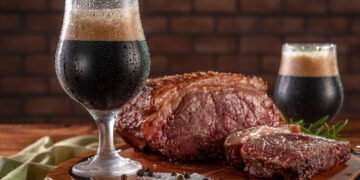
  • Dark, rich stouts with coffee or chocolate notes
  • Sour beers using wild fermentation
  • Fruit-infused and spiced varieties

This experimentation redefined what beer could be. No longer limited to a narrow flavor range, beer became a canvas for creativity.

Consumers, in turn, became more adventurous—seeking out bold, unusual, and complex profiles.


5. The Role of Ingredients

Craft brewers place a strong emphasis on ingredient quality and diversity.

Key innovations include:

  • Hop variety exploration: Different hop strains produce unique aromas (citrus, pine, tropical fruit)
  • Specialty malts: Roasted, caramelized, or smoked malts add depth and character
  • Yeast experimentation: Yeast strains influence flavor, aroma, and texture
  • Adjuncts: Ingredients like fruit, spices, herbs, and even unconventional additions

This focus on ingredients allows brewers to craft highly distinctive beers, each with its own personality.


6. Brewing as Art and Science

Craft brewing sits at the intersection of art and science.

The scientific side includes:

  • Fermentation control
  • Temperature regulation
  • Chemical balance
  • Sanitation

The artistic side involves:

  • Recipe creation
  • Flavor balancing
  • Aesthetic presentation
  • Storytelling

Successful craft brewers master both. They understand the chemistry of brewing while embracing the creativity that makes each beer unique.


7. Community and Local Identity

One of the defining features of the craft beer movement is its deep connection to community.

Craft breweries often:

  • Source local ingredients
  • Reflect regional tastes and traditions
  • Host events and gatherings
  • Collaborate with local businesses

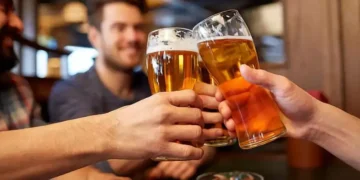
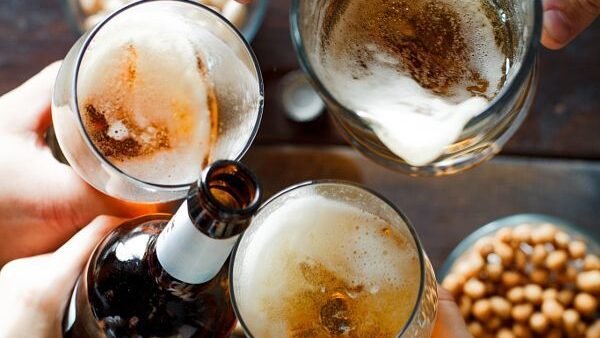
Taprooms have become social hubs—spaces where people connect, share ideas, and build relationships.

In many ways, craft beer has helped revive the concept of the “local pub” as a cultural center.

8. Collaboration Culture

Unlike many industries, craft brewing embraces collaboration rather than competition.

Breweries frequently:

  • Co-create beers
  • Share techniques and knowledge
  • Participate in joint events

These collaborations lead to:

  • Innovative hybrid styles
  • Cross-cultural influences
  • Stronger industry networks

This openness fosters a sense of community not just locally, but globally.


9. The Influence of Craft Beer on Global Markets

What began as a niche movement has grown into a global force.

Craft beer has influenced:

  • Large breweries, which now produce “craft-style” beers
  • Consumer expectations, raising standards for flavor and quality
  • Hospitality industries, including restaurants and bars

Countries around the world have developed their own craft scenes, each with unique characteristics shaped by local culture and ingredients.


10. Challenges Facing the Craft Beer Industry

Despite its success, the craft beer movement faces several challenges:

Market Saturation
As more breweries enter the market, competition intensifies.

Consistency vs. Innovation
Balancing creativity with reliable quality can be difficult.

Distribution Limitations
Small breweries often struggle to scale without losing identity.

Corporate Influence
Large companies acquiring craft brands can blur the line between independent and industrial.

These challenges require careful navigation to preserve the integrity of the movement.


11. The Role of Technology

Modern craft brewing has embraced technology in surprising ways.

Advancements include:

  • Precision brewing equipment
  • Data-driven fermentation control
  • Digital marketing and direct-to-consumer sales
  • Online communities and beer rating platforms

Technology enables brewers to maintain quality while continuing to innovate.


12. Sustainability and Responsibility

As awareness of environmental issues grows, many craft breweries are adopting sustainable practices.

These include:

  • Water conservation
  • Energy-efficient brewing systems
  • Waste reduction and recycling
  • Local sourcing to reduce carbon footprint

Sustainability is becoming a core value, not just a marketing point.


13. Craft Beer and Lifestyle

Craft beer is no longer just a drink—it’s a lifestyle.

It intersects with:

  • Food culture (beer pairings and culinary integration)
  • Travel (brewery tourism and beer trails)
  • Art and design (label aesthetics and branding)
  • Social identity (personal taste as self-expression)

For many enthusiasts, exploring craft beer is a form of cultural exploration.


14. The Evolution of Consumer Taste

Consumers today are more informed and curious than ever.

They seek:

  • Transparency in ingredients and processes
  • Unique and memorable experiences
  • Authenticity and storytelling

This shift has driven breweries to innovate continuously while staying true to their roots.


15. The Future of Craft Beer

The craft beer movement continues to evolve.

Emerging trends include:

  • Low-alcohol and non-alcoholic craft beers
  • Experimental fermentation techniques
  • Cross-industry collaborations (coffee, wine, spirits)
  • Greater focus on inclusivity and diversity

While the industry faces challenges, its core spirit—creativity, community, and passion—remains strong.


Conclusion: More Than a Movement

The craft beer movement is not just a chapter in the history of beer—it is an ongoing transformation.

It has:

  • Reclaimed beer as an artisanal product
  • Empowered small producers
  • Expanded the boundaries of flavor
  • Reconnected communities

Most importantly, it has changed how we experience beer—not as a uniform product, but as a diverse, evolving expression of culture and creativity.

In every glass of craft beer, there is a story: of experimentation, of risk, of identity. And as long as there are brewers willing to challenge the ordinary, that story will continue to grow.

Tags: beer
ShareTweetShare

Related Posts

The Evolution of Beer — From Ancient Brews to the Craft Revolution
Beer

The Future of Beer — Innovation, Sustainability, and Emerging Trends

April 23, 2026
The Evolution of Beer — From Ancient Brews to the Craft Revolution
Beer

Global Beer Styles — A Journey Across Continents

April 23, 2026
The Evolution of Beer — From Ancient Brews to the Craft Revolution
Beer

The Science of Brewing — Ingredients, Fermentation, and Flavor

April 23, 2026
The Evolution of Beer — From Ancient Brews to the Craft Revolution
Beer

The Evolution of Beer — From Ancient Brews to the Craft Revolution

April 23, 2026
Beer and the Human Story — A Journey Through Time, Taste, and Civilization
Beer

Inside the Modern Beer Industry — Craft, Corporations, and the Battle for the Future

April 21, 2026
Beer and the Human Story — A Journey Through Time, Taste, and Civilization
Beer

The Evolution of Beer Styles — How Taste Changed Across Centuries

April 21, 2026
Leave Comment
  • Trending
  • Comments
  • Latest
Role of Terroir in Champagne Production

Role of Terroir in Champagne Production

January 19, 2026
Champagne Can Be Aged in Wood?

Champagne Can Be Aged in Wood?

January 18, 2026
Is Organic Wine Healthier Than Conventional Wine?

Is Organic Wine Healthier Than Conventional Wine?

January 20, 2026
Why Do Some Champagnes Use a High Proportion of Pinot Meunier?

Why Do Some Champagnes Use a High Proportion of Pinot Meunier?

January 20, 2026
The Timeless Elegance of Wine: A Journey Through History and Culture

The Timeless Elegance of Wine: A Journey Through History and Culture

Why Is Château Lafite Rothschild the Pinnacle of Fine Wine?

Why Is Château Lafite Rothschild the Pinnacle of Fine Wine?

How Did Château Lafite Rothschild Become a Global Icon of Luxury?

How Did Château Lafite Rothschild Become a Global Icon of Luxury?

What Makes Chateau Lafite Rothschild the Pinnacle of Bordeaux Wines?

What Makes Chateau Lafite Rothschild the Pinnacle of Bordeaux Wines?

The Evolution of Beer — From Ancient Brews to the Craft Revolution

The Future of Beer — Innovation, Sustainability, and Emerging Trends

April 23, 2026
The Evolution of Beer — From Ancient Brews to the Craft Revolution

Global Beer Styles — A Journey Across Continents

April 23, 2026
The Evolution of Beer — From Ancient Brews to the Craft Revolution

The Science of Brewing — Ingredients, Fermentation, and Flavor

April 23, 2026
The Evolution of Beer — From Ancient Brews to the Craft Revolution

Inside the Craft Beer Movement — Culture, Creativity, and Community

April 23, 2026
SipsavorLife

Welcome to our comprehensive beverage guide, where you can explore the fascinating world of alcoholic drinks. From exquisite wines and rich whiskeys to refreshing beers and sparkling champagnes, we provide insights, tips, and recommendations for enthusiasts and casual drinkers alike. Discover your next favorite libation with us!

© 2025 sipsavorlife.com. contacts:sipsavorlife-35376@gmail.com

No Result
View All Result
  • Home
  • Wine
  • Whiskey
  • Beer
  • Grain Spirits
  • Champagne
  • ALL

© 2025 sipsavorlife.com. contacts:sipsavorlife-35376@gmail.com

Welcome Back!

Login to your account below

Forgotten Password?

Retrieve your password

Please enter your username or email address to reset your password.

Log In