






























SipsavorLife
  • Home
  • Wine
    The Cultural History of Wine: From Ancient Rituals to Modern Luxury

    The Psychology of Wine: Why Humans Associate Wine with Emotion, Memory, and Identity

    The Cultural History of Wine: From Ancient Rituals to Modern Luxury

    Sustainable Winemaking: Environmental Challenges and the Future of Vineyards

    The Cultural History of Wine: From Ancient Rituals to Modern Luxury

    Wine and Food Pairing: The Culinary Art of Balance and Flavor

    The Cultural History of Wine: From Ancient Rituals to Modern Luxury

    The Science of Wine: Fermentation, Chemistry, and Flavor Development

    The Cultural History of Wine: From Ancient Rituals to Modern Luxury

    The Cultural History of Wine: From Ancient Rituals to Modern Luxury

    Wine as a Cultural Artifact: History, Identity, and the Evolution of Taste

    The Art and Science of Wine & Food Pairing: How to Create Perfect Matches Every Time

  • Whiskey
    Can Beer Be an Effective Ingredient in Culinary Cooking?

    Can Beer Be an Effective Ingredient in Culinary Cooking?

    Second Fermentation in Champagne: Is It Really That Crucial?

    Second Fermentation in Champagne: Is It Really That Crucial?

    How Do Different Grains Impact the Flavor Profile of Distilled Spirits?

    How Do Different Grains Impact the Flavor Profile of Distilled Spirits?

    How Do Whiskey Master Blenders Create Perfection?

    How Do Whiskey Master Blenders Create Perfection?

    Wine Pairings: Can They Change the Flavor Profile of a Dish?

    Wine Pairings: Can They Change the Flavor Profile of a Dish?

    Beer the Ultimate Beverage for Pairing with Spicy Food?

    Beer the Ultimate Beverage for Pairing with Spicy Food?

  • Beer
    Beer as a Cultural and Social Force: From Ancient Brew to Modern Identity

    Women in Brewing: The Untold History and Modern Transformation of Beer Culture

    The Global Craft Beer Revolution: How Independent Brewers Changed Modern Drinking Culture

    Beer Tourism: Exploring the World Through Breweries and Drinking Traditions

    The Global Craft Beer Revolution: How Independent Brewers Changed Modern Drinking Culture

    Barrel Aging and Experimental Brewing: The New Frontier of Beer Innovation

    The Global Craft Beer Revolution: How Independent Brewers Changed Modern Drinking Culture

    Beer and Society: How Beer Shapes Communities, Traditions, and Human Connection

    The Global Craft Beer Revolution: How Independent Brewers Changed Modern Drinking Culture

    The Global Craft Beer Revolution: How Independent Brewers Changed Modern Drinking Culture

    The Global Craft Beer Revolution: How Independent Breweries Changed Modern Drinking Culture

    The Future of Beer: Innovation, Sustainability, and the Changing Global Drinking Culture

  • Grain Spirits
    Grain Spirits Explained — The Foundation of Global Distillation

    The Future of Grain Spirits — Technology, Sustainability, and the Next Era of Distillation

    Grain Spirits Explained — The Foundation of Global Distillation

    Grain Spirits Around the World — Vodka, Whisky Bases, and Industrial Applications

    Grain Spirits Explained — The Foundation of Global Distillation

    Distillation Systems — Pot Still vs Column Still, and the Balance Between Efficiency and Flavor

    Grain Spirits Explained — The Foundation of Global Distillation

    Grain Selection and Fermentation Science — How Raw Ingredients Shape Grain Spirits

    Grain Spirits Explained — The Foundation of Global Distillation

    Grain Spirits Explained — The Foundation of Global Distillation

    Grain Spirits and the Industrial Birth of Neutral Alcohol

    The Future of Grain Spirits — AI Distillation, Sustainability, and the Post-Flavor Alcohol Industry

  • Champagne
    The History of Champagne — From Accidental Sparkle to Global Luxury

    The Future of Champagne — Climate Change, Innovation, and Industry Evolution

    The History of Champagne — From Accidental Sparkle to Global Luxury

    The Culture of Champagne — Luxury, Celebration, and Global Influence

    The History of Champagne — From Accidental Sparkle to Global Luxury

    Champagne Styles Explained — Brut, Rosé, Vintage, and Beyond

    The History of Champagne — From Accidental Sparkle to Global Luxury

    The Craft of Champagne — Terroir, Grapes, and the Méthode Traditionnelle

    The History of Champagne — From Accidental Sparkle to Global Luxury

    The History of Champagne — From Accidental Sparkle to Global Luxury

    The Future of Champagne — Climate Change, Innovation, and the Evolution of Sparkling Wine

    The Future of Champagne — Climate Change, Innovation, and the Evolution of Sparkling Wine

  • ALL
    Can Beer Be an Effective Ingredient in Culinary Cooking?

    Can Beer Be an Effective Ingredient in Culinary Cooking?

    Second Fermentation in Champagne: Is It Really That Crucial?

    Second Fermentation in Champagne: Is It Really That Crucial?

    How Do Different Grains Impact the Flavor Profile of Distilled Spirits?

    How Do Different Grains Impact the Flavor Profile of Distilled Spirits?

    How Do Whiskey Master Blenders Create Perfection?

    How Do Whiskey Master Blenders Create Perfection?

    Wine Pairings: Can They Change the Flavor Profile of a Dish?

    Wine Pairings: Can They Change the Flavor Profile of a Dish?

    Beer the Ultimate Beverage for Pairing with Spicy Food?

    Beer the Ultimate Beverage for Pairing with Spicy Food?

SipsavorLife
  • Home
  • Wine
    The Cultural History of Wine: From Ancient Rituals to Modern Luxury

    The Psychology of Wine: Why Humans Associate Wine with Emotion, Memory, and Identity

    The Cultural History of Wine: From Ancient Rituals to Modern Luxury

    Sustainable Winemaking: Environmental Challenges and the Future of Vineyards

    The Cultural History of Wine: From Ancient Rituals to Modern Luxury

    Wine and Food Pairing: The Culinary Art of Balance and Flavor

    The Cultural History of Wine: From Ancient Rituals to Modern Luxury

    The Science of Wine: Fermentation, Chemistry, and Flavor Development

    The Cultural History of Wine: From Ancient Rituals to Modern Luxury

    The Cultural History of Wine: From Ancient Rituals to Modern Luxury

    Wine as a Cultural Artifact: History, Identity, and the Evolution of Taste

    The Art and Science of Wine & Food Pairing: How to Create Perfect Matches Every Time

  • Whiskey
    Can Beer Be an Effective Ingredient in Culinary Cooking?

    Can Beer Be an Effective Ingredient in Culinary Cooking?

    Second Fermentation in Champagne: Is It Really That Crucial?

    Second Fermentation in Champagne: Is It Really That Crucial?

    How Do Different Grains Impact the Flavor Profile of Distilled Spirits?

    How Do Different Grains Impact the Flavor Profile of Distilled Spirits?

    How Do Whiskey Master Blenders Create Perfection?

    How Do Whiskey Master Blenders Create Perfection?

    Wine Pairings: Can They Change the Flavor Profile of a Dish?

    Wine Pairings: Can They Change the Flavor Profile of a Dish?

    Beer the Ultimate Beverage for Pairing with Spicy Food?

    Beer the Ultimate Beverage for Pairing with Spicy Food?

  • Beer
    Beer as a Cultural and Social Force: From Ancient Brew to Modern Identity

    Women in Brewing: The Untold History and Modern Transformation of Beer Culture

    The Global Craft Beer Revolution: How Independent Brewers Changed Modern Drinking Culture

    Beer Tourism: Exploring the World Through Breweries and Drinking Traditions

    The Global Craft Beer Revolution: How Independent Brewers Changed Modern Drinking Culture

    Barrel Aging and Experimental Brewing: The New Frontier of Beer Innovation

    The Global Craft Beer Revolution: How Independent Brewers Changed Modern Drinking Culture

    Beer and Society: How Beer Shapes Communities, Traditions, and Human Connection

    The Global Craft Beer Revolution: How Independent Brewers Changed Modern Drinking Culture

    The Global Craft Beer Revolution: How Independent Brewers Changed Modern Drinking Culture

    The Global Craft Beer Revolution: How Independent Breweries Changed Modern Drinking Culture

    The Future of Beer: Innovation, Sustainability, and the Changing Global Drinking Culture

  • Grain Spirits
    Grain Spirits Explained — The Foundation of Global Distillation

    The Future of Grain Spirits — Technology, Sustainability, and the Next Era of Distillation

    Grain Spirits Explained — The Foundation of Global Distillation

    Grain Spirits Around the World — Vodka, Whisky Bases, and Industrial Applications

    Grain Spirits Explained — The Foundation of Global Distillation

    Distillation Systems — Pot Still vs Column Still, and the Balance Between Efficiency and Flavor

    Grain Spirits Explained — The Foundation of Global Distillation

    Grain Selection and Fermentation Science — How Raw Ingredients Shape Grain Spirits

    Grain Spirits Explained — The Foundation of Global Distillation

    Grain Spirits Explained — The Foundation of Global Distillation

    Grain Spirits and the Industrial Birth of Neutral Alcohol

    The Future of Grain Spirits — AI Distillation, Sustainability, and the Post-Flavor Alcohol Industry

  • Champagne
    The History of Champagne — From Accidental Sparkle to Global Luxury

    The Future of Champagne — Climate Change, Innovation, and Industry Evolution

    The History of Champagne — From Accidental Sparkle to Global Luxury

    The Culture of Champagne — Luxury, Celebration, and Global Influence

    The History of Champagne — From Accidental Sparkle to Global Luxury

    Champagne Styles Explained — Brut, Rosé, Vintage, and Beyond

    The History of Champagne — From Accidental Sparkle to Global Luxury

    The Craft of Champagne — Terroir, Grapes, and the Méthode Traditionnelle

    The History of Champagne — From Accidental Sparkle to Global Luxury

    The History of Champagne — From Accidental Sparkle to Global Luxury

    The Future of Champagne — Climate Change, Innovation, and the Evolution of Sparkling Wine

    The Future of Champagne — Climate Change, Innovation, and the Evolution of Sparkling Wine

  • ALL
    Can Beer Be an Effective Ingredient in Culinary Cooking?

    Can Beer Be an Effective Ingredient in Culinary Cooking?

    Second Fermentation in Champagne: Is It Really That Crucial?

    Second Fermentation in Champagne: Is It Really That Crucial?

    How Do Different Grains Impact the Flavor Profile of Distilled Spirits?

    How Do Different Grains Impact the Flavor Profile of Distilled Spirits?

    How Do Whiskey Master Blenders Create Perfection?

    How Do Whiskey Master Blenders Create Perfection?

    Wine Pairings: Can They Change the Flavor Profile of a Dish?

    Wine Pairings: Can They Change the Flavor Profile of a Dish?

    Beer the Ultimate Beverage for Pairing with Spicy Food?

    Beer the Ultimate Beverage for Pairing with Spicy Food?

SipsavorLife
No Result
View All Result
Home Beer

The Global Craft Beer Revolution: How Independent Brewers Changed Modern Drinking Culture

May 23, 2026
in Beer
The Global Craft Beer Revolution: How Independent Brewers Changed Modern Drinking Culture

Introduction

Beer has existed for thousands of years, evolving alongside human civilization from ancient Mesopotamian fermentation techniques to the highly sophisticated brewing systems used in the modern era. Yet few periods in brewing history have transformed beer culture as dramatically as the global craft beer revolution of the late twentieth and early twenty-first centuries. What began as a small movement led by independent brewers dissatisfied with mass-produced lagers eventually reshaped consumer expectations, hospitality industries, agricultural markets, and even urban culture.

The craft beer revolution represents far more than a shift in taste preferences. It reflects changing attitudes toward authenticity, local identity, creativity, and entrepreneurship. Consumers who once selected beer almost entirely based on price or brand familiarity increasingly began searching for flavor complexity, unique brewing techniques, and meaningful stories behind the products they consumed. Small breweries became community gathering places, tourism attractions, and symbols of local pride.

Today, craft beer is a worldwide phenomenon. From Portland to Prague, Melbourne to Tokyo, and São Paulo to Cape Town, independent brewers continue experimenting with ingredients, styles, and brewing philosophies. The movement has inspired culinary innovation, strengthened local economies, and encouraged consumers to appreciate beer with the same sophistication traditionally reserved for wine.

The Origins of Craft Brewing

To understand the craft beer revolution, it is important to examine the industrialization of brewing during the nineteenth and twentieth centuries. As refrigeration, pasteurization, and large-scale manufacturing expanded, major breweries gained the ability to produce consistent beer in enormous quantities. This industrial efficiency allowed large corporations to dominate markets and distribute beer nationally and internationally.

However, mass production also led to standardization. Many beers became lighter, milder, and more uniform in flavor. While these products appealed to broad audiences, they often lacked the regional character and diversity that had historically defined brewing traditions.

In the United States, the craft beer movement emerged partly in reaction to this uniformity. Following Prohibition, many small breweries disappeared, leaving only a few major corporations controlling the majority of the market. By the 1970s, beer choices were extremely limited compared with modern standards.

Homebrewing played a critical role in changing this situation. Enthusiasts experimented with recipes inspired by European traditions, including British ales, German wheat beers, Belgian saisons, and Irish stouts. Legal changes allowing homebrewing encouraged innovation and created a generation of passionate amateur brewers.

Entrepreneurs soon recognized an opportunity. Small breweries began producing flavorful beers with distinctive identities. Early pioneers faced significant challenges, including limited distribution, financial risks, and skepticism from consumers accustomed to industrial lagers. Nevertheless, their commitment to quality and creativity gradually attracted loyal audiences.

The Importance of Flavor Diversity

One of the defining characteristics of craft beer is its emphasis on flavor exploration. Traditional industrial lagers generally prioritize consistency and accessibility, while craft brewers often celebrate boldness, experimentation, and regional individuality.

India Pale Ale, commonly known as IPA, became one of the most influential styles in the movement. Originally inspired by historical British brewing traditions, modern IPAs feature intense hop aromas and flavors ranging from citrus and pine to tropical fruit and floral notes. American hop varieties such as Cascade, Citra, and Mosaic became internationally famous for their distinctive aromatic profiles.

Beyond IPAs, craft brewers revived numerous forgotten or underappreciated beer styles. Sour beers, barrel-aged stouts, farmhouse ales, smoked lagers, and Belgian-inspired saisons gained popularity among adventurous consumers. Brewers also experimented with unconventional ingredients such as coffee, chocolate, spices, fruit, herbs, and wild yeast strains.

This diversity transformed beer from a relatively simple beverage into a complex sensory experience. Consumers learned to discuss aroma, mouthfeel, bitterness, balance, and fermentation characteristics with surprising sophistication. Beer tasting events, pairing dinners, and educational festivals became increasingly common.

Brewing as an Art Form

The craft beer revolution elevated brewing into a recognized creative discipline. While brewing has always involved scientific precision, modern craft brewers frequently approach their work with artistic ambition.

Recipe development requires balancing multiple variables, including malt composition, hop selection, water chemistry, yeast behavior, fermentation temperature, and aging techniques. Brewers often spend months refining recipes to achieve specific flavor goals.

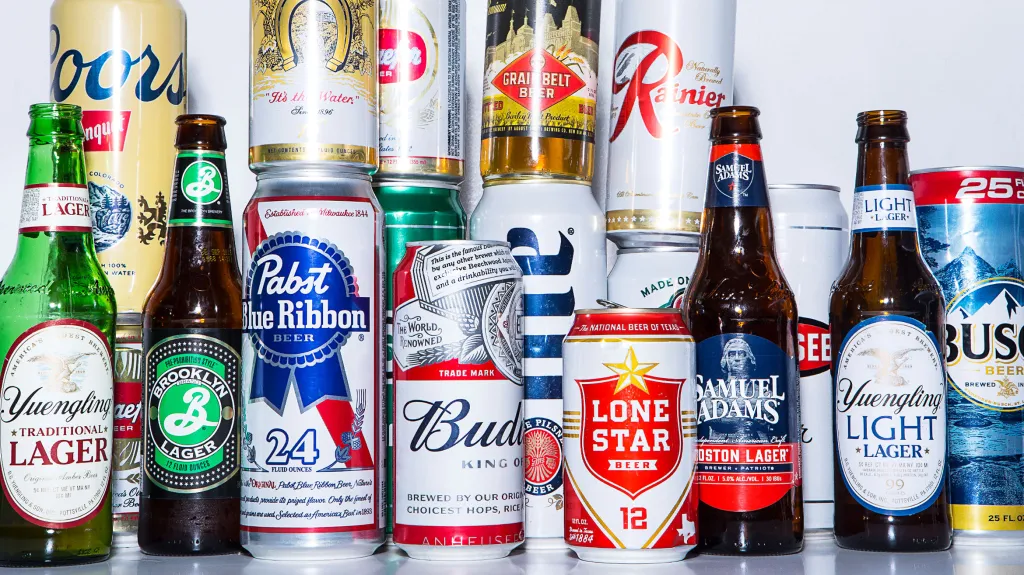
Visual branding also became an important aspect of craft beer culture. Independent breweries invested heavily in label art, packaging design, and storytelling. Colorful cans featuring illustrations, humor, or local references helped breweries stand out in crowded markets.

Taprooms evolved into carefully designed social environments. Many breweries embraced industrial architecture, communal seating, live music, food collaborations, and open brewing spaces that allowed visitors to observe production processes. These spaces fostered community engagement and created unique consumer experiences.

Economic Impact of Craft Brewing

The rise of independent breweries generated substantial economic benefits. Craft breweries created jobs not only in brewing itself but also in agriculture, hospitality, logistics, marketing, tourism, and equipment manufacturing.

Local sourcing became increasingly important. Breweries often collaborated with nearby farms to obtain fresh ingredients such as hops, fruit, honey, and grains. This strengthened regional agricultural economies while reinforcing the authenticity of locally produced beer.

Beer tourism emerged as a major industry. Cities known for vibrant brewery scenes attracted visitors eager to explore taprooms, beer festivals, and brewery tours. Regions such as Belgium, Bavaria, Oregon, Colorado, and parts of the United Kingdom became globally recognized destinations for beer enthusiasts.

Small breweries also contributed to urban revitalization. Many breweries opened in formerly industrial neighborhoods where lower rent allowed experimentation. Over time, these businesses attracted restaurants, galleries, and other creative enterprises, helping transform neglected districts into vibrant cultural centers.
Technology and Innovation

Although craft brewing often emphasizes tradition and authenticity, modern technology has significantly contributed to the movement’s growth.

Advanced brewing equipment enables small breweries to maintain high quality standards while scaling production. Laboratory testing allows brewers to monitor fermentation accuracy, microbiological safety, and flavor stability. Digital inventory systems improve efficiency and reduce waste.

Social media revolutionized brewery marketing. Independent brewers could connect directly with consumers through Instagram, YouTube, TikTok, and online beer communities. New releases, limited-edition collaborations, and festival announcements spread rapidly through digital networks.

Beer rating platforms also influenced consumer behavior. Enthusiasts shared tasting notes, recommendations, and brewery reviews online, helping small producers gain international recognition without relying entirely on traditional advertising.

Challenges Facing Craft Breweries

Despite its success, the craft beer industry faces significant challenges. Market saturation has intensified competition, especially in regions where brewery growth occurred rapidly.

Many breweries struggle with rising ingredient costs, distribution difficulties, and changing consumer preferences. The popularity of hard seltzers, canned cocktails, and non-alcoholic beverages has increased competition within the beverage industry.

Maintaining consistency while expanding production can also be difficult. Consumers expect high-quality beer, and even small variations in flavor may damage a brewery’s reputation.

Environmental sustainability represents another major concern. Brewing requires substantial amounts of water, energy, and packaging materials. Many breweries now invest in renewable energy systems, water recycling technologies, and sustainable sourcing practices.

The Rise of Non-Alcoholic Craft Beer

One of the most interesting recent developments in brewing is the rapid growth of non-alcoholic craft beer. Health-conscious consumers increasingly seek beverages that provide flavor and social enjoyment without high alcohol content.

Modern brewing technology has dramatically improved the quality of non-alcoholic beer. Earlier generations of alcohol-free products were often criticized for lacking flavor, but contemporary brewers now produce sophisticated options with impressive complexity.

This trend reflects broader changes in lifestyle culture. Many consumers prioritize wellness, moderation, and balanced living while still appreciating the craftsmanship and social aspects of beer culture.

Globalization of Beer Culture

Craft brewing has become deeply international. Brewers frequently collaborate across continents, exchanging techniques and ingredients.

Japanese brewers experiment with local rice varieties and unique fermentation methods. Scandinavian breweries explore wild fermentation and farmhouse traditions. Latin American breweries incorporate tropical fruits and indigenous ingredients. African brewers blend local grains with modern brewing techniques.

International festivals and competitions encourage cultural exchange and innovation. Beer enthusiasts increasingly travel globally to experience distinctive regional brewing traditions.

This globalization has expanded consumer awareness and appreciation for diverse beer styles while preserving local identities within the industry.

Beer and Food Pairing

As craft beer gained sophistication, chefs and restaurateurs began recognizing its culinary potential. Beer pairing became an important component of modern dining culture.

Different beer styles complement specific foods through contrasting or harmonizing flavors. Rich stouts pair well with chocolate desserts and smoked meats, while crisp pilsners enhance seafood and fried dishes. Sour ales complement cheese and fruit-based cuisine, while hoppy IPAs balance spicy foods.

Fine dining establishments increasingly include curated beer programs alongside wine lists. Some restaurants even design entire tasting menus around beer pairings.

This culinary integration elevated beer’s cultural status and broadened its appeal among consumers previously more interested in wine or cocktails.

Conclusion

The craft beer revolution transformed brewing from an industrial commodity business into a dynamic cultural movement centered on creativity, community, and flavor exploration. Independent brewers challenged conventional assumptions about what beer could be and inspired consumers to approach the beverage with curiosity and appreciation.

Although the industry faces ongoing challenges, its influence on global drinking culture remains profound. Craft beer has encouraged experimentation, strengthened local economies, revitalized neighborhoods, and introduced millions of people to the artistry behind brewing.

Most importantly, the movement demonstrated that consumers value authenticity, craftsmanship, and meaningful experiences. Whether enjoyed in a small neighborhood taproom or at an international beer festival, craft beer continues to symbolize creativity, collaboration, and cultural connection.


Tags: beer
ShareTweetShare

Related Posts

Beer as a Cultural and Social Force: From Ancient Brew to Modern Identity
Beer

Women in Brewing: The Untold History and Modern Transformation of Beer Culture

May 23, 2026
The Global Craft Beer Revolution: How Independent Brewers Changed Modern Drinking Culture
Beer

Beer Tourism: Exploring the World Through Breweries and Drinking Traditions

May 23, 2026
The Global Craft Beer Revolution: How Independent Brewers Changed Modern Drinking Culture
Beer

Barrel Aging and Experimental Brewing: The New Frontier of Beer Innovation

May 23, 2026
The Global Craft Beer Revolution: How Independent Brewers Changed Modern Drinking Culture
Beer

Beer and Society: How Beer Shapes Communities, Traditions, and Human Connection

May 23, 2026
The Global Craft Beer Revolution: How Independent Breweries Changed Modern Drinking Culture
Beer

The Future of Beer: Innovation, Sustainability, and the Changing Global Drinking Culture

May 18, 2026
The Global Craft Beer Revolution: How Independent Breweries Changed Modern Drinking Culture
Beer

Beer Around the World: A Journey Through Global Brewing Traditions

May 18, 2026
Leave Comment
  • Trending
  • Comments
  • Latest
Role of Terroir in Champagne Production

Role of Terroir in Champagne Production

January 19, 2026
Champagne Can Be Aged in Wood?

Champagne Can Be Aged in Wood?

January 18, 2026
Is Organic Wine Healthier Than Conventional Wine?

Is Organic Wine Healthier Than Conventional Wine?

January 20, 2026
Why Do Some Champagnes Use a High Proportion of Pinot Meunier?

Why Do Some Champagnes Use a High Proportion of Pinot Meunier?

January 20, 2026
The Timeless Elegance of Wine: A Journey Through History and Culture

The Timeless Elegance of Wine: A Journey Through History and Culture

Why Is Château Lafite Rothschild the Pinnacle of Fine Wine?

Why Is Château Lafite Rothschild the Pinnacle of Fine Wine?

How Did Château Lafite Rothschild Become a Global Icon of Luxury?

How Did Château Lafite Rothschild Become a Global Icon of Luxury?

What Makes Chateau Lafite Rothschild the Pinnacle of Bordeaux Wines?

What Makes Chateau Lafite Rothschild the Pinnacle of Bordeaux Wines?

The Cultural History of Wine: From Ancient Rituals to Modern Luxury

The Psychology of Wine: Why Humans Associate Wine with Emotion, Memory, and Identity

May 23, 2026
The Cultural History of Wine: From Ancient Rituals to Modern Luxury

Sustainable Winemaking: Environmental Challenges and the Future of Vineyards

May 23, 2026
The Cultural History of Wine: From Ancient Rituals to Modern Luxury

Wine and Food Pairing: The Culinary Art of Balance and Flavor

May 23, 2026
The Cultural History of Wine: From Ancient Rituals to Modern Luxury

The Science of Wine: Fermentation, Chemistry, and Flavor Development

May 23, 2026
SipsavorLife

Welcome to our comprehensive beverage guide, where you can explore the fascinating world of alcoholic drinks. From exquisite wines and rich whiskeys to refreshing beers and sparkling champagnes, we provide insights, tips, and recommendations for enthusiasts and casual drinkers alike. Discover your next favorite libation with us!

© 2025 sipsavorlife.com. contacts:sipsavorlife-35376@gmail.com

No Result
View All Result
  • Home
  • Wine
  • Whiskey
  • Beer
  • Grain Spirits
  • Champagne
  • ALL

© 2025 sipsavorlife.com. contacts:sipsavorlife-35376@gmail.com

Welcome Back!

Login to your account below

Forgotten Password?

Retrieve your password

Please enter your username or email address to reset your password.

Log In





