


SipsavorLife
  • Home
  • Wine
    Wine as a Cultural Artifact: History, Identity, and the Evolution of Taste

    The Art and Science of Wine & Food Pairing: How to Create Perfect Matches Every Time

    Wine as a Cultural Artifact: History, Identity, and the Evolution of Taste

    A Complete Guide to Wine Styles and Grape Varieties: From Cabernet Sauvignon to Riesling

    Wine as a Cultural Artifact: History, Identity, and the Evolution of Taste

    The Global Wine Industry: Economics, Markets, and the Future of Consumption

    Wine as a Cultural Artifact: History, Identity, and the Evolution of Taste

    The Science of Wine Tasting: How Chemistry, Biology, and Perception Shape Flavor

    Wine as a Cultural Artifact: History, Identity, and the Evolution of Taste

    Wine as a Cultural Artifact: History, Identity, and the Evolution of Taste

    Red Wine — The Liquid Expression of Land, Time, and Human Intention

    The Future of Red Wine — Climate Change, Technology, and the Evolution of Taste

  • Whiskey
    Can Beer Be an Effective Ingredient in Culinary Cooking?

    Can Beer Be an Effective Ingredient in Culinary Cooking?

    Second Fermentation in Champagne: Is It Really That Crucial?

    Second Fermentation in Champagne: Is It Really That Crucial?

    How Do Different Grains Impact the Flavor Profile of Distilled Spirits?

    How Do Different Grains Impact the Flavor Profile of Distilled Spirits?

    How Do Whiskey Master Blenders Create Perfection?

    How Do Whiskey Master Blenders Create Perfection?

    Wine Pairings: Can They Change the Flavor Profile of a Dish?

    Wine Pairings: Can They Change the Flavor Profile of a Dish?

    Beer the Ultimate Beverage for Pairing with Spicy Food?

    Beer the Ultimate Beverage for Pairing with Spicy Food?

  • Beer
    Beer as a Cultural and Social Force: From Ancient Brew to Modern Identity

    The Art of Beer & Food Pairing: Unlocking Flavor Through Balance, Contrast, and Texture

    Beer as a Cultural and Social Force: From Ancient Brew to Modern Identity

    A Complete Guide to Beer Styles: From Lager to Stout, Understanding Flavor, Body, and Character

    Beer as a Cultural and Social Force: From Ancient Brew to Modern Identity

    The Global Beer Industry: Craft Revolution, Market Forces, and the Future of Brewing

    Beer as a Cultural and Social Force: From Ancient Brew to Modern Identity

    The Science of Beer: Brewing Process, Ingredients, and the Chemistry of Flavor

    Beer as a Cultural and Social Force: From Ancient Brew to Modern Identity

    Beer as a Cultural and Social Force: From Ancient Brew to Modern Identity

    The Evolution of Beer — From Ancient Brews to the Craft Revolution

    The Future of Beer — Innovation, Sustainability, and Emerging Trends

  • Grain Spirits
    Grain Spirits Explained — The Foundation of Global Distillation

    The Future of Grain Spirits — Technology, Sustainability, and the Next Era of Distillation

    Grain Spirits Explained — The Foundation of Global Distillation

    Grain Spirits Around the World — Vodka, Whisky Bases, and Industrial Applications

    Grain Spirits Explained — The Foundation of Global Distillation

    Distillation Systems — Pot Still vs Column Still, and the Balance Between Efficiency and Flavor

    Grain Spirits Explained — The Foundation of Global Distillation

    Grain Selection and Fermentation Science — How Raw Ingredients Shape Grain Spirits

    Grain Spirits Explained — The Foundation of Global Distillation

    Grain Spirits Explained — The Foundation of Global Distillation

    Grain Spirits and the Industrial Birth of Neutral Alcohol

    The Future of Grain Spirits — AI Distillation, Sustainability, and the Post-Flavor Alcohol Industry

  • Champagne
    The History of Champagne — From Accidental Sparkle to Global Luxury

    The Future of Champagne — Climate Change, Innovation, and Industry Evolution

    The History of Champagne — From Accidental Sparkle to Global Luxury

    The Culture of Champagne — Luxury, Celebration, and Global Influence

    The History of Champagne — From Accidental Sparkle to Global Luxury

    Champagne Styles Explained — Brut, Rosé, Vintage, and Beyond

    The History of Champagne — From Accidental Sparkle to Global Luxury

    The Craft of Champagne — Terroir, Grapes, and the Méthode Traditionnelle

    The History of Champagne — From Accidental Sparkle to Global Luxury

    The History of Champagne — From Accidental Sparkle to Global Luxury

    The Future of Champagne — Climate Change, Innovation, and the Evolution of Sparkling Wine

    The Future of Champagne — Climate Change, Innovation, and the Evolution of Sparkling Wine

  • ALL
    Can Beer Be an Effective Ingredient in Culinary Cooking?

    Can Beer Be an Effective Ingredient in Culinary Cooking?

    Second Fermentation in Champagne: Is It Really That Crucial?

    Second Fermentation in Champagne: Is It Really That Crucial?

    How Do Different Grains Impact the Flavor Profile of Distilled Spirits?

    How Do Different Grains Impact the Flavor Profile of Distilled Spirits?

    How Do Whiskey Master Blenders Create Perfection?

    How Do Whiskey Master Blenders Create Perfection?

    Wine Pairings: Can They Change the Flavor Profile of a Dish?

    Wine Pairings: Can They Change the Flavor Profile of a Dish?

    Beer the Ultimate Beverage for Pairing with Spicy Food?

    Beer the Ultimate Beverage for Pairing with Spicy Food?

SipsavorLife
  • Home
  • Wine
    Wine as a Cultural Artifact: History, Identity, and the Evolution of Taste

    The Art and Science of Wine & Food Pairing: How to Create Perfect Matches Every Time

    Wine as a Cultural Artifact: History, Identity, and the Evolution of Taste

    A Complete Guide to Wine Styles and Grape Varieties: From Cabernet Sauvignon to Riesling

    Wine as a Cultural Artifact: History, Identity, and the Evolution of Taste

    The Global Wine Industry: Economics, Markets, and the Future of Consumption

    Wine as a Cultural Artifact: History, Identity, and the Evolution of Taste

    The Science of Wine Tasting: How Chemistry, Biology, and Perception Shape Flavor

    Wine as a Cultural Artifact: History, Identity, and the Evolution of Taste

    Wine as a Cultural Artifact: History, Identity, and the Evolution of Taste

    Red Wine — The Liquid Expression of Land, Time, and Human Intention

    The Future of Red Wine — Climate Change, Technology, and the Evolution of Taste

  • Whiskey
    Can Beer Be an Effective Ingredient in Culinary Cooking?

    Can Beer Be an Effective Ingredient in Culinary Cooking?

    Second Fermentation in Champagne: Is It Really That Crucial?

    Second Fermentation in Champagne: Is It Really That Crucial?

    How Do Different Grains Impact the Flavor Profile of Distilled Spirits?

    How Do Different Grains Impact the Flavor Profile of Distilled Spirits?

    How Do Whiskey Master Blenders Create Perfection?

    How Do Whiskey Master Blenders Create Perfection?

    Wine Pairings: Can They Change the Flavor Profile of a Dish?

    Wine Pairings: Can They Change the Flavor Profile of a Dish?

    Beer the Ultimate Beverage for Pairing with Spicy Food?

    Beer the Ultimate Beverage for Pairing with Spicy Food?

  • Beer
    Beer as a Cultural and Social Force: From Ancient Brew to Modern Identity

    The Art of Beer & Food Pairing: Unlocking Flavor Through Balance, Contrast, and Texture

    Beer as a Cultural and Social Force: From Ancient Brew to Modern Identity

    A Complete Guide to Beer Styles: From Lager to Stout, Understanding Flavor, Body, and Character

    Beer as a Cultural and Social Force: From Ancient Brew to Modern Identity

    The Global Beer Industry: Craft Revolution, Market Forces, and the Future of Brewing

    Beer as a Cultural and Social Force: From Ancient Brew to Modern Identity

    The Science of Beer: Brewing Process, Ingredients, and the Chemistry of Flavor

    Beer as a Cultural and Social Force: From Ancient Brew to Modern Identity

    Beer as a Cultural and Social Force: From Ancient Brew to Modern Identity

    The Evolution of Beer — From Ancient Brews to the Craft Revolution

    The Future of Beer — Innovation, Sustainability, and Emerging Trends

  • Grain Spirits
    Grain Spirits Explained — The Foundation of Global Distillation

    The Future of Grain Spirits — Technology, Sustainability, and the Next Era of Distillation

    Grain Spirits Explained — The Foundation of Global Distillation

    Grain Spirits Around the World — Vodka, Whisky Bases, and Industrial Applications

    Grain Spirits Explained — The Foundation of Global Distillation

    Distillation Systems — Pot Still vs Column Still, and the Balance Between Efficiency and Flavor

    Grain Spirits Explained — The Foundation of Global Distillation

    Grain Selection and Fermentation Science — How Raw Ingredients Shape Grain Spirits

    Grain Spirits Explained — The Foundation of Global Distillation

    Grain Spirits Explained — The Foundation of Global Distillation

    Grain Spirits and the Industrial Birth of Neutral Alcohol

    The Future of Grain Spirits — AI Distillation, Sustainability, and the Post-Flavor Alcohol Industry

  • Champagne
    The History of Champagne — From Accidental Sparkle to Global Luxury

    The Future of Champagne — Climate Change, Innovation, and Industry Evolution

    The History of Champagne — From Accidental Sparkle to Global Luxury

    The Culture of Champagne — Luxury, Celebration, and Global Influence

    The History of Champagne — From Accidental Sparkle to Global Luxury

    Champagne Styles Explained — Brut, Rosé, Vintage, and Beyond

    The History of Champagne — From Accidental Sparkle to Global Luxury

    The Craft of Champagne — Terroir, Grapes, and the Méthode Traditionnelle

    The History of Champagne — From Accidental Sparkle to Global Luxury

    The History of Champagne — From Accidental Sparkle to Global Luxury

    The Future of Champagne — Climate Change, Innovation, and the Evolution of Sparkling Wine

    The Future of Champagne — Climate Change, Innovation, and the Evolution of Sparkling Wine

  • ALL
    Can Beer Be an Effective Ingredient in Culinary Cooking?

    Can Beer Be an Effective Ingredient in Culinary Cooking?

    Second Fermentation in Champagne: Is It Really That Crucial?

    Second Fermentation in Champagne: Is It Really That Crucial?

    How Do Different Grains Impact the Flavor Profile of Distilled Spirits?

    How Do Different Grains Impact the Flavor Profile of Distilled Spirits?

    How Do Whiskey Master Blenders Create Perfection?

    How Do Whiskey Master Blenders Create Perfection?

    Wine Pairings: Can They Change the Flavor Profile of a Dish?

    Wine Pairings: Can They Change the Flavor Profile of a Dish?

    Beer the Ultimate Beverage for Pairing with Spicy Food?

    Beer the Ultimate Beverage for Pairing with Spicy Food?

SipsavorLife
No Result
View All Result
Home Beer

Beer and the Human Story — A Journey Through Time, Taste, and Civilization

April 21, 2026
in Beer
Beer and the Human Story — A Journey Through Time, Taste, and Civilization

Prologue: The First Sip

Imagine a world before cities, before writing, before organized religion. A group of early humans gathers around a crude container filled with soaked grains left in water. Days pass. The liquid begins to bubble, to change, to emit an unfamiliar aroma. Someone drinks it.

What they taste is strange—slightly sour, mildly sweet, and unexpectedly intoxicating.

In that moment, something profound happens. Not just the discovery of beer, but the beginning of a relationship between humans and fermentation—a relationship that would shape agriculture, society, and culture itself.

Beer is often seen as casual, everyday, even simple. But its history tells a different story. Beer is one of the oldest engineered beverages in human civilization. It predates wine in many regions, fueled early economies, paid workers, inspired religion, and continues to evolve alongside technology and taste.

This is not just the story of beer. It is the story of us.


Chapter 1: Grain, Water, Time — The Birth of Beer

Before beer, there was bread. Or perhaps, more accurately, bread and beer were born from the same origin: grain.

Early agricultural societies cultivated cereals like barley and wheat. These grains were soaked, crushed, and sometimes left exposed to the environment. Wild yeast—present in the air and on surfaces—began to ferment the sugars.

What emerged was primitive beer.

Unlike modern beer, early versions were:

  • Cloudy
  • Low in alcohol
  • Often consumed with straws (to avoid sediment)

Archaeological evidence from ancient Mesopotamia suggests that beer production dates back over 5,000 years. Clay tablets describe brewing processes and even recipes.

Beer was not a luxury—it was a staple.


Chapter 2: Beer as Currency and Culture

In ancient civilizations, beer held economic and social value far beyond refreshment.

2.1 Payment and Survival

In ancient Egypt, workers who built monumental structures were often paid in beer. It provided:

  • Calories
  • Hydration (safer than contaminated water)
  • Mild intoxication that eased labor

Beer was both sustenance and salary.

2.2 Ritual and Religion

Beer also carried spiritual meaning.

In Mesopotamian culture, brewing was associated with divine gifts. There were even hymns dedicated to beer-making.

Consumption was communal, often tied to ritual gatherings.


Chapter 3: The Evolution of Flavor

Early beer lacked one key ingredient we now consider essential: hops.

3.1 Before Hops: Herbal Complexity

Before hops became dominant, brewers used mixtures of herbs and spices known as “gruit.”

These blends varied widely and could include:

  • Herbs
  • Roots
  • Flowers

Flavor was inconsistent, sometimes unpredictable.

3.2 The Rise of Hops

Hops transformed beer.

They introduced:

  • Bitterness (balancing sweetness)
  • Antimicrobial properties (improving stability)
  • Aromatic complexity

By the Middle Ages, hops became standard in European brewing, fundamentally redefining beer.


Chapter 4: The Science Behind the Magic

Beer may feel ancient, but its production is deeply scientific.

4.1 The Core Ingredients

Beer is built on four pillars:

  • Water
  • Malted grain
  • Hops
  • Yeast

Each plays a distinct role.

4.2 Malting and Mashing

Grains are malted to activate enzymes, then mashed to convert starch into fermentable sugars.

This process determines:

  • Body
  • Sweetness
  • Mouthfeel

4.3 Fermentation

Yeast consumes sugar, producing:

  • Alcohol
  • Carbon dioxide
  • Flavor compounds

The type of yeast and fermentation conditions shape the beer’s identity.


Chapter 5: Styles as Expressions of Place

Beer styles reflect geography, climate, and culture.

5.1 Ales vs Lagers

Two primary categories:

  • Ales: Fermented at warmer temperatures, often more complex
  • Lagers: Fermented cold, cleaner and crisper

5.2 Regional Identity

Different regions developed distinct styles:

  • Dark, rich beers in colder climates
  • Light, refreshing beers in warmer regions

Beer became a reflection of environment.

Chapter 6: Industrialization and Standardization

The Industrial Revolution changed beer dramatically.

6.1 Mechanization

Brewing became:

  • Scalable
  • Consistent
  • Efficient

6.2 Refrigeration

Cold fermentation (lagers) became widely possible.

This led to:

  • Cleaner flavors
  • Global popularity of lager styles

6.3 Mass Production

Beer became a global commodity.

However, this also led to:

  • Loss of diversity
  • Standardized taste profiles

Chapter 7: The Craft Beer Revolution

In response to industrial uniformity, a new movement emerged.

7.1 Rebellion Against Uniformity

Craft brewers sought to:

  • Reintroduce variety
  • Experiment with ingredients
  • Emphasize flavor

7.2 Innovation Explosion

New styles and reinterpretations appeared:

  • Highly hopped beers
  • Barrel-aged beers
  • Sour and wild-fermented beers

7.3 Local Identity Returns

Small breweries reconnected beer with:

  • Community
  • Place
  • Creativity

Chapter 8: The Sensory Experience of Beer

Beer is more than taste—it is a full sensory event.

8.1 Aroma

From citrus and pine to chocolate and coffee, beer aromas come from:

  • Hops
  • Malt
  • Fermentation byproducts

8.2 Mouthfeel

Beer can be:

  • Light and crisp
  • Thick and creamy

Carbonation plays a major role.

8.3 Visual Appeal

Color ranges from pale gold to deep black.

Appearance shapes expectation.


Chapter 9: Beer and Society Today

9.1 Social Connection

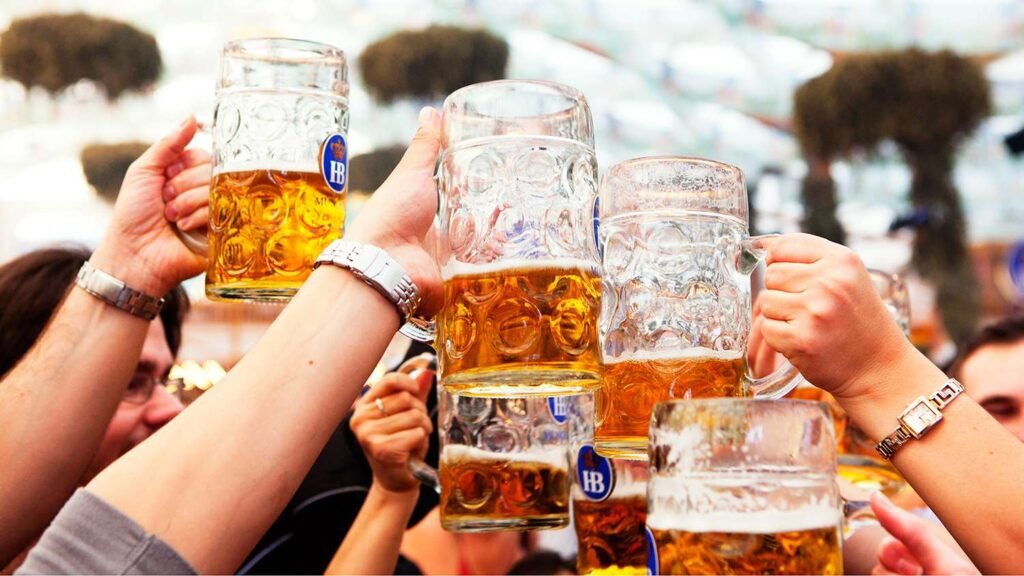
Beer remains one of the most social beverages.

It is:

  • Shared
  • Casual
  • Accessible

9.2 Cultural Identity

Different cultures maintain unique beer traditions.

9.3 Economic Impact

The beer industry supports:

  • Agriculture
  • Manufacturing
  • Hospitality

Chapter 10: The Future of Beer

10.1 Sustainability

Brewers are focusing on:

  • Water conservation
  • Energy efficiency
  • Waste reduction

10.2 Technology

Innovation includes:

  • Automated brewing systems
  • Data-driven fermentation

10.3 Changing Preferences

Consumers are exploring:

  • Low-alcohol beers
  • Non-alcoholic options
  • Experimental flavors

Epilogue: A Drink That Endures

Beer has survived thousands of years not because it is simple—but because it adapts.

It has moved from clay pots to stainless steel tanks, from wild fermentation to controlled precision, from necessity to choice.

And yet, at its core, it remains the same: grain, water, yeast, and time.

A simple formula—endlessly reinterpreted.
Tags: beertaste
ShareTweetShare

Related Posts

Beer as a Cultural and Social Force: From Ancient Brew to Modern Identity
Beer

The Art of Beer & Food Pairing: Unlocking Flavor Through Balance, Contrast, and Texture

April 26, 2026
Beer as a Cultural and Social Force: From Ancient Brew to Modern Identity
Beer

A Complete Guide to Beer Styles: From Lager to Stout, Understanding Flavor, Body, and Character

April 26, 2026
Beer as a Cultural and Social Force: From Ancient Brew to Modern Identity
Beer

The Global Beer Industry: Craft Revolution, Market Forces, and the Future of Brewing

April 26, 2026
Beer as a Cultural and Social Force: From Ancient Brew to Modern Identity
Beer

The Science of Beer: Brewing Process, Ingredients, and the Chemistry of Flavor

April 26, 2026
Beer as a Cultural and Social Force: From Ancient Brew to Modern Identity
Beer

Beer as a Cultural and Social Force: From Ancient Brew to Modern Identity

April 26, 2026
The Evolution of Beer — From Ancient Brews to the Craft Revolution
Beer

The Future of Beer — Innovation, Sustainability, and Emerging Trends

April 23, 2026
Leave Comment
  • Trending
  • Comments
  • Latest
Role of Terroir in Champagne Production

Role of Terroir in Champagne Production

January 19, 2026
Champagne Can Be Aged in Wood?

Champagne Can Be Aged in Wood?

January 18, 2026
Is Organic Wine Healthier Than Conventional Wine?

Is Organic Wine Healthier Than Conventional Wine?

January 20, 2026
Why Do Some Champagnes Use a High Proportion of Pinot Meunier?

Why Do Some Champagnes Use a High Proportion of Pinot Meunier?

January 20, 2026
The Timeless Elegance of Wine: A Journey Through History and Culture

The Timeless Elegance of Wine: A Journey Through History and Culture

Why Is Château Lafite Rothschild the Pinnacle of Fine Wine?

Why Is Château Lafite Rothschild the Pinnacle of Fine Wine?

How Did Château Lafite Rothschild Become a Global Icon of Luxury?

How Did Château Lafite Rothschild Become a Global Icon of Luxury?

What Makes Chateau Lafite Rothschild the Pinnacle of Bordeaux Wines?

What Makes Chateau Lafite Rothschild the Pinnacle of Bordeaux Wines?

Beer as a Cultural and Social Force: From Ancient Brew to Modern Identity

The Art of Beer & Food Pairing: Unlocking Flavor Through Balance, Contrast, and Texture

April 26, 2026
Beer as a Cultural and Social Force: From Ancient Brew to Modern Identity

A Complete Guide to Beer Styles: From Lager to Stout, Understanding Flavor, Body, and Character

April 26, 2026
Beer as a Cultural and Social Force: From Ancient Brew to Modern Identity

The Global Beer Industry: Craft Revolution, Market Forces, and the Future of Brewing

April 26, 2026
Beer as a Cultural and Social Force: From Ancient Brew to Modern Identity

The Science of Beer: Brewing Process, Ingredients, and the Chemistry of Flavor

April 26, 2026
SipsavorLife

Welcome to our comprehensive beverage guide, where you can explore the fascinating world of alcoholic drinks. From exquisite wines and rich whiskeys to refreshing beers and sparkling champagnes, we provide insights, tips, and recommendations for enthusiasts and casual drinkers alike. Discover your next favorite libation with us!

© 2025 sipsavorlife.com. contacts:sipsavorlife-35376@gmail.com

No Result
View All Result
  • Home
  • Wine
  • Whiskey
  • Beer
  • Grain Spirits
  • Champagne
  • ALL

© 2025 sipsavorlife.com. contacts:sipsavorlife-35376@gmail.com

Welcome Back!

Login to your account below

Forgotten Password?

Retrieve your password

Please enter your username or email address to reset your password.

Log In