











SipsavorLife
  • Home
  • Wine
    Wine as a Cultural Artifact: History, Identity, and the Evolution of Taste

    The Art and Science of Wine & Food Pairing: How to Create Perfect Matches Every Time

    Wine as a Cultural Artifact: History, Identity, and the Evolution of Taste

    A Complete Guide to Wine Styles and Grape Varieties: From Cabernet Sauvignon to Riesling

    Wine as a Cultural Artifact: History, Identity, and the Evolution of Taste

    The Global Wine Industry: Economics, Markets, and the Future of Consumption

    Wine as a Cultural Artifact: History, Identity, and the Evolution of Taste

    The Science of Wine Tasting: How Chemistry, Biology, and Perception Shape Flavor

    Wine as a Cultural Artifact: History, Identity, and the Evolution of Taste

    Wine as a Cultural Artifact: History, Identity, and the Evolution of Taste

    Red Wine — The Liquid Expression of Land, Time, and Human Intention

    The Future of Red Wine — Climate Change, Technology, and the Evolution of Taste

  • Whiskey
    Can Beer Be an Effective Ingredient in Culinary Cooking?

    Can Beer Be an Effective Ingredient in Culinary Cooking?

    Second Fermentation in Champagne: Is It Really That Crucial?

    Second Fermentation in Champagne: Is It Really That Crucial?

    How Do Different Grains Impact the Flavor Profile of Distilled Spirits?

    How Do Different Grains Impact the Flavor Profile of Distilled Spirits?

    How Do Whiskey Master Blenders Create Perfection?

    How Do Whiskey Master Blenders Create Perfection?

    Wine Pairings: Can They Change the Flavor Profile of a Dish?

    Wine Pairings: Can They Change the Flavor Profile of a Dish?

    Beer the Ultimate Beverage for Pairing with Spicy Food?

    Beer the Ultimate Beverage for Pairing with Spicy Food?

  • Beer
    The Global Craft Beer Revolution: How Independent Breweries Changed Modern Drinking Culture

    The Future of Beer: Innovation, Sustainability, and the Changing Global Drinking Culture

    The Global Craft Beer Revolution: How Independent Breweries Changed Modern Drinking Culture

    Beer Around the World: A Journey Through Global Brewing Traditions

    The Global Craft Beer Revolution: How Independent Breweries Changed Modern Drinking Culture

    The Science of Beer: Fermentation, Chemistry, and the Art of Brewing

    The Global Craft Beer Revolution: How Independent Breweries Changed Modern Drinking Culture

    Beer and Civilization: The Ancient History of Humanity’s Oldest Social Drink

    The Global Craft Beer Revolution: How Independent Breweries Changed Modern Drinking Culture

    The Global Craft Beer Revolution: How Independent Breweries Changed Modern Drinking Culture

    Beer as a Cultural and Social Force: From Ancient Brew to Modern Identity

    The Art of Beer & Food Pairing: Unlocking Flavor Through Balance, Contrast, and Texture

  • Grain Spirits
    Grain Spirits Explained — The Foundation of Global Distillation

    The Future of Grain Spirits — Technology, Sustainability, and the Next Era of Distillation

    Grain Spirits Explained — The Foundation of Global Distillation

    Grain Spirits Around the World — Vodka, Whisky Bases, and Industrial Applications

    Grain Spirits Explained — The Foundation of Global Distillation

    Distillation Systems — Pot Still vs Column Still, and the Balance Between Efficiency and Flavor

    Grain Spirits Explained — The Foundation of Global Distillation

    Grain Selection and Fermentation Science — How Raw Ingredients Shape Grain Spirits

    Grain Spirits Explained — The Foundation of Global Distillation

    Grain Spirits Explained — The Foundation of Global Distillation

    Grain Spirits and the Industrial Birth of Neutral Alcohol

    The Future of Grain Spirits — AI Distillation, Sustainability, and the Post-Flavor Alcohol Industry

  • Champagne
    The History of Champagne — From Accidental Sparkle to Global Luxury

    The Future of Champagne — Climate Change, Innovation, and Industry Evolution

    The History of Champagne — From Accidental Sparkle to Global Luxury

    The Culture of Champagne — Luxury, Celebration, and Global Influence

    The History of Champagne — From Accidental Sparkle to Global Luxury

    Champagne Styles Explained — Brut, Rosé, Vintage, and Beyond

    The History of Champagne — From Accidental Sparkle to Global Luxury

    The Craft of Champagne — Terroir, Grapes, and the Méthode Traditionnelle

    The History of Champagne — From Accidental Sparkle to Global Luxury

    The History of Champagne — From Accidental Sparkle to Global Luxury

    The Future of Champagne — Climate Change, Innovation, and the Evolution of Sparkling Wine

    The Future of Champagne — Climate Change, Innovation, and the Evolution of Sparkling Wine

  • ALL
    Can Beer Be an Effective Ingredient in Culinary Cooking?

    Can Beer Be an Effective Ingredient in Culinary Cooking?

    Second Fermentation in Champagne: Is It Really That Crucial?

    Second Fermentation in Champagne: Is It Really That Crucial?

    How Do Different Grains Impact the Flavor Profile of Distilled Spirits?

    How Do Different Grains Impact the Flavor Profile of Distilled Spirits?

    How Do Whiskey Master Blenders Create Perfection?

    How Do Whiskey Master Blenders Create Perfection?

    Wine Pairings: Can They Change the Flavor Profile of a Dish?

    Wine Pairings: Can They Change the Flavor Profile of a Dish?

    Beer the Ultimate Beverage for Pairing with Spicy Food?

    Beer the Ultimate Beverage for Pairing with Spicy Food?

SipsavorLife
  • Home
  • Wine
    Wine as a Cultural Artifact: History, Identity, and the Evolution of Taste

    The Art and Science of Wine & Food Pairing: How to Create Perfect Matches Every Time

    Wine as a Cultural Artifact: History, Identity, and the Evolution of Taste

    A Complete Guide to Wine Styles and Grape Varieties: From Cabernet Sauvignon to Riesling

    Wine as a Cultural Artifact: History, Identity, and the Evolution of Taste

    The Global Wine Industry: Economics, Markets, and the Future of Consumption

    Wine as a Cultural Artifact: History, Identity, and the Evolution of Taste

    The Science of Wine Tasting: How Chemistry, Biology, and Perception Shape Flavor

    Wine as a Cultural Artifact: History, Identity, and the Evolution of Taste

    Wine as a Cultural Artifact: History, Identity, and the Evolution of Taste

    Red Wine — The Liquid Expression of Land, Time, and Human Intention

    The Future of Red Wine — Climate Change, Technology, and the Evolution of Taste

  • Whiskey
    Can Beer Be an Effective Ingredient in Culinary Cooking?

    Can Beer Be an Effective Ingredient in Culinary Cooking?

    Second Fermentation in Champagne: Is It Really That Crucial?

    Second Fermentation in Champagne: Is It Really That Crucial?

    How Do Different Grains Impact the Flavor Profile of Distilled Spirits?

    How Do Different Grains Impact the Flavor Profile of Distilled Spirits?

    How Do Whiskey Master Blenders Create Perfection?

    How Do Whiskey Master Blenders Create Perfection?

    Wine Pairings: Can They Change the Flavor Profile of a Dish?

    Wine Pairings: Can They Change the Flavor Profile of a Dish?

    Beer the Ultimate Beverage for Pairing with Spicy Food?

    Beer the Ultimate Beverage for Pairing with Spicy Food?

  • Beer
    The Global Craft Beer Revolution: How Independent Breweries Changed Modern Drinking Culture

    The Future of Beer: Innovation, Sustainability, and the Changing Global Drinking Culture

    The Global Craft Beer Revolution: How Independent Breweries Changed Modern Drinking Culture

    Beer Around the World: A Journey Through Global Brewing Traditions

    The Global Craft Beer Revolution: How Independent Breweries Changed Modern Drinking Culture

    The Science of Beer: Fermentation, Chemistry, and the Art of Brewing

    The Global Craft Beer Revolution: How Independent Breweries Changed Modern Drinking Culture

    Beer and Civilization: The Ancient History of Humanity’s Oldest Social Drink

    The Global Craft Beer Revolution: How Independent Breweries Changed Modern Drinking Culture

    The Global Craft Beer Revolution: How Independent Breweries Changed Modern Drinking Culture

    Beer as a Cultural and Social Force: From Ancient Brew to Modern Identity

    The Art of Beer & Food Pairing: Unlocking Flavor Through Balance, Contrast, and Texture

  • Grain Spirits
    Grain Spirits Explained — The Foundation of Global Distillation

    The Future of Grain Spirits — Technology, Sustainability, and the Next Era of Distillation

    Grain Spirits Explained — The Foundation of Global Distillation

    Grain Spirits Around the World — Vodka, Whisky Bases, and Industrial Applications

    Grain Spirits Explained — The Foundation of Global Distillation

    Distillation Systems — Pot Still vs Column Still, and the Balance Between Efficiency and Flavor

    Grain Spirits Explained — The Foundation of Global Distillation

    Grain Selection and Fermentation Science — How Raw Ingredients Shape Grain Spirits

    Grain Spirits Explained — The Foundation of Global Distillation

    Grain Spirits Explained — The Foundation of Global Distillation

    Grain Spirits and the Industrial Birth of Neutral Alcohol

    The Future of Grain Spirits — AI Distillation, Sustainability, and the Post-Flavor Alcohol Industry

  • Champagne
    The History of Champagne — From Accidental Sparkle to Global Luxury

    The Future of Champagne — Climate Change, Innovation, and Industry Evolution

    The History of Champagne — From Accidental Sparkle to Global Luxury

    The Culture of Champagne — Luxury, Celebration, and Global Influence

    The History of Champagne — From Accidental Sparkle to Global Luxury

    Champagne Styles Explained — Brut, Rosé, Vintage, and Beyond

    The History of Champagne — From Accidental Sparkle to Global Luxury

    The Craft of Champagne — Terroir, Grapes, and the Méthode Traditionnelle

    The History of Champagne — From Accidental Sparkle to Global Luxury

    The History of Champagne — From Accidental Sparkle to Global Luxury

    The Future of Champagne — Climate Change, Innovation, and the Evolution of Sparkling Wine

    The Future of Champagne — Climate Change, Innovation, and the Evolution of Sparkling Wine

  • ALL
    Can Beer Be an Effective Ingredient in Culinary Cooking?

    Can Beer Be an Effective Ingredient in Culinary Cooking?

    Second Fermentation in Champagne: Is It Really That Crucial?

    Second Fermentation in Champagne: Is It Really That Crucial?

    How Do Different Grains Impact the Flavor Profile of Distilled Spirits?

    How Do Different Grains Impact the Flavor Profile of Distilled Spirits?

    How Do Whiskey Master Blenders Create Perfection?

    How Do Whiskey Master Blenders Create Perfection?

    Wine Pairings: Can They Change the Flavor Profile of a Dish?

    Wine Pairings: Can They Change the Flavor Profile of a Dish?

    Beer the Ultimate Beverage for Pairing with Spicy Food?

    Beer the Ultimate Beverage for Pairing with Spicy Food?

SipsavorLife
No Result
View All Result
Home Beer

The Global Craft Beer Revolution: How Independent Breweries Changed Modern Drinking Culture

May 18, 2026
in Beer
The Global Craft Beer Revolution: How Independent Breweries Changed Modern Drinking Culture

Introduction: From Industrial Uniformity to Flavor Diversity

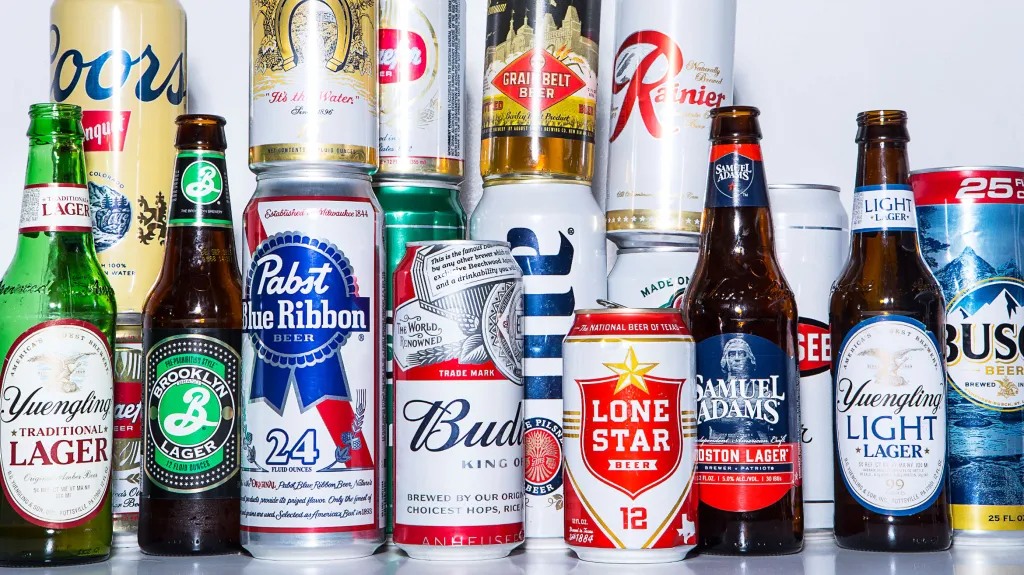
For much of the twentieth century, the beer industry in many countries was dominated by a handful of massive corporations producing light lagers designed for consistency, mass appeal, and scalability. Beer was widely consumed, but rarely discussed with the reverence reserved for wine or fine spirits. In bars and restaurants, options were often limited to one or two pale lagers with only subtle differences between them. The average consumer cared little about hop varieties, fermentation temperatures, yeast strains, or barrel aging. Beer was simple, inexpensive, and familiar.

Yet over the past four decades, the global beer landscape has undergone one of the most dramatic transformations in modern food and beverage history. The rise of craft brewing reshaped not only what people drink, but also how they think about flavor, locality, creativity, and community. What began as a small movement of passionate homebrewers and independent entrepreneurs evolved into a worldwide cultural force that challenged multinational brewing giants and revived forgotten brewing traditions.

Today, beer enthusiasts discuss hazy IPAs, sour ales, farmhouse saisons, imperial stouts, and spontaneously fermented lambics with the same sophistication once reserved for wine tasting. Breweries host community events, collaborate with artists and musicians, experiment with culinary ingredients, and serve as social centers in cities around the world. Craft beer has become more than a beverage; it represents identity, experimentation, and cultural expression.

This article explores the origins, evolution, economic impact, cultural significance, and future of the global craft beer revolution.


The Historical Foundations of Beer

Beer is among humanity’s oldest alcoholic beverages. Archaeological evidence suggests that brewing existed more than 7,000 years ago in ancient Mesopotamia and China. Early civilizations including the Egyptians, Sumerians, and Babylonians brewed beer not only for pleasure but also for nutrition and ritual purposes.

In medieval Europe, monasteries became important brewing centers. Monks refined brewing techniques and contributed to the development of many classic beer styles still consumed today. Beer was often safer to drink than contaminated water supplies, making it a daily staple across social classes.

Different regions gradually developed distinct brewing traditions:

  • Germany became known for lagers and strict brewing standards
  • Belgium embraced yeast diversity and complex fermentation
  • Britain cultivated ales, porters, and stouts
  • Czech brewers perfected pale lagers
  • Ireland developed rich dry stouts
  • France maintained farmhouse brewing traditions

However, industrialization in the nineteenth and twentieth centuries transformed brewing into a highly centralized business. Refrigeration, pasteurization, and large-scale distribution allowed giant breweries to dominate national markets.

As companies merged and consolidated, diversity declined. Efficiency and consistency became priorities, often at the expense of flavor complexity. By the 1970s, many traditional beer styles had nearly disappeared from mainstream markets.

Ironically, the conditions created by industrial brewing eventually inspired a counter-movement.


The Birth of the Craft Beer Movement

The modern craft beer movement emerged primarily in the United States during the late 1970s and early 1980s. At the time, American beer was heavily dominated by large corporations producing nearly identical pale lagers.

Several factors fueled the rise of craft brewing:

Homebrewing Legalization

In 1978, homebrewing became federally legal in the United States. This change allowed hobbyists to experiment with brewing techniques and rediscover historic styles. Many future craft brewery founders began as passionate homebrewers working in garages and kitchens.

Inspiration from Europe

American travelers visiting Belgium, Germany, and the United Kingdom encountered flavorful regional beers unavailable at home. Inspired by these traditions, they sought to recreate more distinctive brewing styles.

Entrepreneurial Spirit

Small independent breweries began appearing across the country. Companies like Sierra Nevada, Anchor Brewing, and Boston Beer Company demonstrated that consumers were willing to pay more for flavorful, artisanal beer.

Rebellion Against Uniformity

Craft beer became a cultural rejection of corporate sameness. Consumers increasingly valued authenticity, creativity, and local identity.

By the 1990s, microbreweries and brewpubs were opening rapidly throughout North America. The movement later spread internationally, influencing breweries in Europe, Asia, Latin America, and Australia.


Defining Craft Beer

Defining “craft beer” can be surprisingly complicated. Generally, the term refers to beer produced by independent breweries emphasizing traditional methods, quality ingredients, and innovative flavors.

Key characteristics often include:

  • Small or independent ownership
  • Focus on flavor rather than mass production
  • Experimental brewing techniques
  • Community-oriented branding
  • Use of high-quality ingredients
  • Limited production volumes

However, as craft breweries grow larger and multinational corporations acquire smaller brands, the boundaries become increasingly blurred.

Some breweries that started as tiny operations now produce millions of barrels annually. Meanwhile, large corporations often create “craft-style” brands designed to appear independent.

For many consumers, craft beer ultimately represents a philosophy rather than a strict legal category.


The Explosion of Beer Styles

One of the craft movement’s greatest achievements has been the revival and reinvention of beer styles.

India Pale Ale (IPA)

No style symbolizes craft beer more than the IPA. Originally developed in Britain with extra hops for export stability, IPAs became the flagship style of American craft brewing.

American brewers intensified hop usage dramatically, creating bold citrus, pine, tropical fruit, and resinous flavors.

Substyles emerged rapidly:

  • West Coast IPA
  • New England IPA
  • Double IPA
  • Triple IPA
  • Session IPA
  • Black IPA
  • Brut IPA

The IPA became a platform for endless experimentation.

Stouts and Porters

Dark beers experienced a renaissance through craft brewing. Brewers introduced:

  • Imperial stouts
  • Coffee stouts
  • Chocolate porters
  • Milk stouts
  • Barrel-aged stouts

Some imperial stouts now rival fine whiskey in complexity and price.

Sour and Wild Ales

Inspired by Belgian traditions, breweries revived sour beer production using wild yeast and bacteria.

Styles include:

  • Gose
  • Berliner Weisse
  • Lambic-inspired ales
  • Mixed fermentation saisons

Fruit additions and barrel aging further expanded possibilities.

Farmhouse and Rustic Styles

Traditional farmhouse brewing inspired renewed interest in saison and rustic ales characterized by earthy yeast profiles and dry finishes.

Experimental Brewing

Modern breweries increasingly incorporate unconventional ingredients:

  • Fruit
  • Coffee
  • Maple syrup
  • Chili peppers
  • Herbs
  • Lactose
  • Coconut
  • Marshmallows
  • Tea
  • Wine grapes

Beer became a playground for culinary innovation.


The Role of Hops in Modern Beer Culture

Few ingredients transformed modern beer culture as dramatically as hops.

Historically used for bitterness and preservation, hops now function as major flavor and aroma contributors. Modern hop varieties offer characteristics resembling:

  • Mango
  • Pineapple
  • Grapefruit
  • Passion fruit
  • Pine
  • Berry
  • Melon
  • Cannabis-like aromas

Regions around the world cultivate specialized hop varieties:

United States

American hops are known for bold citrus and tropical flavors. Popular varieties include:

  • Citra
  • Mosaic
  • Simcoe
  • Cascade

New Zealand

New Zealand hops gained popularity for intense tropical and white wine-like aromas.

Australia

Australian hops contribute bright fruit-forward characteristics.

Europe

Traditional European hops remain essential for lagers and classic styles.

The obsession with hop freshness and aroma has become central to craft beer culture.
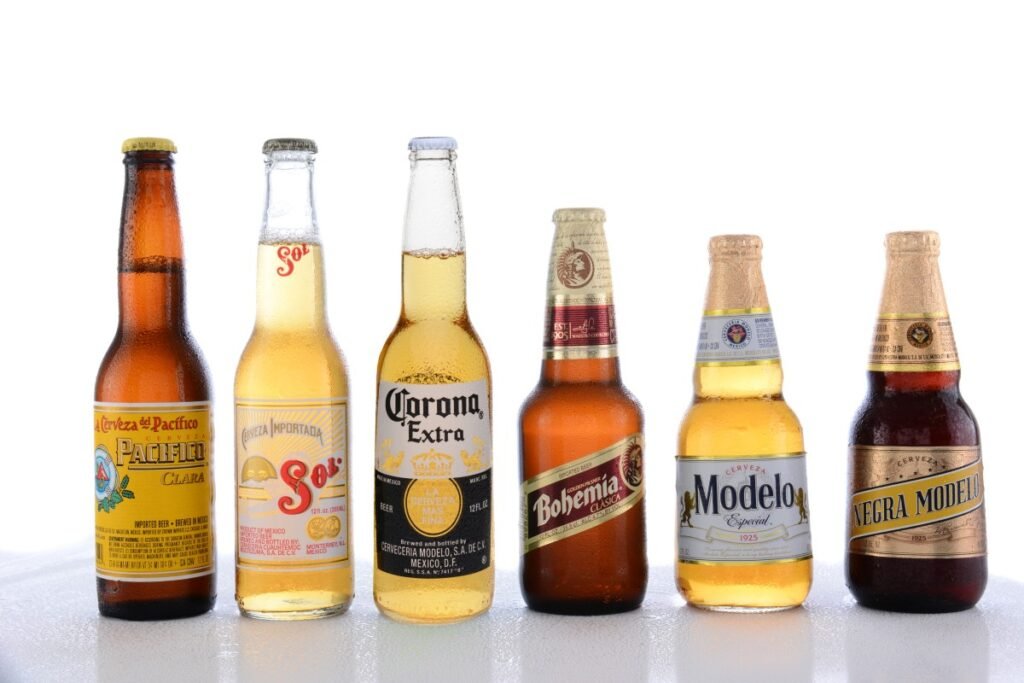

Brewing Science and Innovation

Modern craft brewing combines ancient traditions with cutting-edge science.

Brewers carefully manage:

  • Water chemistry
  • Yeast health
  • Fermentation temperature
  • Oxygen exposure
  • pH balance
  • Carbonation levels

Technological advancements include:

  • Precision fermentation systems
  • Laboratory yeast analysis
  • Advanced filtration
  • Automated quality control

At the same time, many breweries intentionally embrace unpredictability through spontaneous fermentation and mixed cultures.

This blend of science and artistry defines modern brewing.


The Social Culture of Craft Beer

Craft beer’s success extends beyond flavor. Breweries became social and cultural gathering spaces.

Taprooms as Community Hubs

Many breweries prioritize taproom experiences over traditional distribution. These spaces often include:

  • Live music
  • Food trucks
  • Trivia nights
  • Art exhibitions
  • Community fundraisers

Breweries increasingly function as neighborhood centers.

Beer Tourism

Beer tourism has become a major industry. Cities like:

  • Portland
  • Denver
  • Brussels
  • Munich
  • Prague

attract visitors specifically interested in brewery culture.

Beer trails and brewery tours contribute significantly to local economies.

Festivals

Beer festivals celebrate brewing diversity and innovation. Major festivals include:

  • Great American Beer Festival
  • Oktoberfest
  • Belgian Beer Weekend

These events foster strong enthusiast communities.


The Economics of Craft Brewing

Craft brewing significantly impacts local economies.

Job Creation

Breweries create employment in:

  • Brewing
  • Hospitality
  • Agriculture
  • Distribution
  • Marketing
  • Tourism

Agricultural Demand

Craft brewing increased demand for specialty ingredients including:

  • Rare hops
  • Specialty malts
  • Local grains
  • Fruit and botanicals

Urban Revitalization

Breweries frequently occupy former industrial spaces, helping revitalize neighborhoods.

Challenges

Despite growth, many breweries face difficulties:

  • Rising ingredient costs
  • Intense competition
  • Distribution challenges
  • Market saturation
  • Regulatory complexity

Profit margins can be surprisingly narrow.


Global Expansion of Craft Beer

The craft beer movement is now global.

Europe

Traditional brewing nations embraced modern craft innovation while preserving historic styles.

Asia

Countries including Japan, South Korea, China, and Thailand developed vibrant craft scenes despite regulatory challenges.

Latin America

Mexico, Brazil, and Argentina experienced rapid craft beer growth.

Africa

Emerging breweries increasingly incorporate local ingredients and regional traditions.

Australia and New Zealand

These countries became internationally influential brewing innovators.

The globalization of craft beer created unprecedented cross-cultural collaboration.


Women in Brewing

Historically, brewing was often women’s work in ancient societies. However, industrialization largely marginalized women in commercial brewing.

Today, women increasingly reclaim leadership roles in the industry as:

  • Brewers
  • Owners
  • Scientists
  • Sommeliers
  • Educators

Organizations promoting diversity continue challenging sexism and exclusion within beer culture.


Sustainability and Environmental Concerns

Brewing requires substantial resources:

  • Water
  • Energy
  • Agricultural inputs
  • Packaging materials

Modern breweries increasingly prioritize sustainability through:

  • Solar energy
  • Water recycling
  • Local sourcing
  • Carbon reduction
  • Reusable packaging

Climate change also threatens hop and barley production, forcing breweries to adapt agricultural practices.


The Influence of Social Media

Social media transformed beer culture dramatically.

Platforms like Instagram and rating apps encouraged consumers to:

  • Trade rare beers
  • Review releases
  • Share brewery visits
  • Follow trends

Limited releases and “hype beers” created intense consumer demand.

However, critics argue that social media sometimes prioritizes novelty over quality.


The Rise of Non-Alcoholic Craft Beer

Health-conscious consumers increasingly seek flavorful non-alcoholic options.

Modern brewing technology allows breweries to produce alcohol-free beers with far better flavor than earlier generations.

This category is among the fastest-growing segments of the beer market.


The Future of Craft Beer

The future of craft beer will likely involve continued diversification.

Emerging trends include:

  • Low-alcohol beers
  • Hybrid beverages
  • Experimental fermentation
  • Sustainable brewing
  • Hyper-local ingredients
  • AI-assisted brewing analysis

At the same time, consolidation continues as large corporations acquire successful craft brands.

Independent breweries must balance creativity with financial sustainability.


Conclusion: Beer as Cultural Expression

The craft beer revolution transformed beer from a standardized commodity into a globally respected form of cultural and culinary expression. Independent breweries revived forgotten traditions, introduced radical innovation, and reshaped how consumers think about flavor and authenticity.

Beer now occupies a unique space where science, agriculture, history, creativity, and community intersect. Breweries serve not merely as production facilities but as gathering spaces, artistic laboratories, and symbols of local identity.

Although the industry faces challenges including market saturation and economic pressures, the cultural impact of craft brewing is undeniable. Consumers around the world now approach beer with curiosity and appreciation unimaginable only a few decades ago.

The story of craft beer ultimately reflects a broader human desire for connection, craftsmanship, and individuality in an increasingly standardized world.

Tags: beer
ShareTweetShare

Related Posts

The Global Craft Beer Revolution: How Independent Breweries Changed Modern Drinking Culture
Beer

The Future of Beer: Innovation, Sustainability, and the Changing Global Drinking Culture

May 18, 2026
The Global Craft Beer Revolution: How Independent Breweries Changed Modern Drinking Culture
Beer

Beer Around the World: A Journey Through Global Brewing Traditions

May 18, 2026
The Global Craft Beer Revolution: How Independent Breweries Changed Modern Drinking Culture
Beer

The Science of Beer: Fermentation, Chemistry, and the Art of Brewing

May 18, 2026
The Global Craft Beer Revolution: How Independent Breweries Changed Modern Drinking Culture
Beer

Beer and Civilization: The Ancient History of Humanity’s Oldest Social Drink

May 18, 2026
Beer as a Cultural and Social Force: From Ancient Brew to Modern Identity
Beer

The Art of Beer & Food Pairing: Unlocking Flavor Through Balance, Contrast, and Texture

April 26, 2026
Beer as a Cultural and Social Force: From Ancient Brew to Modern Identity
Beer

A Complete Guide to Beer Styles: From Lager to Stout, Understanding Flavor, Body, and Character

April 26, 2026
Leave Comment
  • Trending
  • Comments
  • Latest
Role of Terroir in Champagne Production

Role of Terroir in Champagne Production

January 19, 2026
Champagne Can Be Aged in Wood?

Champagne Can Be Aged in Wood?

January 18, 2026
Is Organic Wine Healthier Than Conventional Wine?

Is Organic Wine Healthier Than Conventional Wine?

January 20, 2026
Why Do Some Champagnes Use a High Proportion of Pinot Meunier?

Why Do Some Champagnes Use a High Proportion of Pinot Meunier?

January 20, 2026
The Timeless Elegance of Wine: A Journey Through History and Culture

The Timeless Elegance of Wine: A Journey Through History and Culture

Why Is Château Lafite Rothschild the Pinnacle of Fine Wine?

Why Is Château Lafite Rothschild the Pinnacle of Fine Wine?

How Did Château Lafite Rothschild Become a Global Icon of Luxury?

How Did Château Lafite Rothschild Become a Global Icon of Luxury?

What Makes Chateau Lafite Rothschild the Pinnacle of Bordeaux Wines?

What Makes Chateau Lafite Rothschild the Pinnacle of Bordeaux Wines?

The Global Craft Beer Revolution: How Independent Breweries Changed Modern Drinking Culture

The Future of Beer: Innovation, Sustainability, and the Changing Global Drinking Culture

May 18, 2026
The Global Craft Beer Revolution: How Independent Breweries Changed Modern Drinking Culture

Beer Around the World: A Journey Through Global Brewing Traditions

May 18, 2026
The Global Craft Beer Revolution: How Independent Breweries Changed Modern Drinking Culture

The Science of Beer: Fermentation, Chemistry, and the Art of Brewing

May 18, 2026
The Global Craft Beer Revolution: How Independent Breweries Changed Modern Drinking Culture

Beer and Civilization: The Ancient History of Humanity’s Oldest Social Drink

May 18, 2026
SipsavorLife

Welcome to our comprehensive beverage guide, where you can explore the fascinating world of alcoholic drinks. From exquisite wines and rich whiskeys to refreshing beers and sparkling champagnes, we provide insights, tips, and recommendations for enthusiasts and casual drinkers alike. Discover your next favorite libation with us!

© 2025 sipsavorlife.com. contacts:sipsavorlife-35376@gmail.com

No Result
View All Result
  • Home
  • Wine
  • Whiskey
  • Beer
  • Grain Spirits
  • Champagne
  • ALL

© 2025 sipsavorlife.com. contacts:sipsavorlife-35376@gmail.com

Welcome Back!

Login to your account below

Forgotten Password?

Retrieve your password

Please enter your username or email address to reset your password.

Log In