SipsavorLife
  • Home
  • Wine
    The Cultural History of Wine: From Ancient Rituals to Modern Luxury

    The Psychology of Wine: Why Humans Associate Wine with Emotion, Memory, and Identity

    The Cultural History of Wine: From Ancient Rituals to Modern Luxury

    Sustainable Winemaking: Environmental Challenges and the Future of Vineyards

    The Cultural History of Wine: From Ancient Rituals to Modern Luxury

    Wine and Food Pairing: The Culinary Art of Balance and Flavor

    The Cultural History of Wine: From Ancient Rituals to Modern Luxury

    The Science of Wine: Fermentation, Chemistry, and Flavor Development

    The Cultural History of Wine: From Ancient Rituals to Modern Luxury

    The Cultural History of Wine: From Ancient Rituals to Modern Luxury

    Wine as a Cultural Artifact: History, Identity, and the Evolution of Taste

    The Art and Science of Wine & Food Pairing: How to Create Perfect Matches Every Time

  • Whiskey
    Can Beer Be an Effective Ingredient in Culinary Cooking?

    Can Beer Be an Effective Ingredient in Culinary Cooking?

    Second Fermentation in Champagne: Is It Really That Crucial?

    Second Fermentation in Champagne: Is It Really That Crucial?

    How Do Different Grains Impact the Flavor Profile of Distilled Spirits?

    How Do Different Grains Impact the Flavor Profile of Distilled Spirits?

    How Do Whiskey Master Blenders Create Perfection?

    How Do Whiskey Master Blenders Create Perfection?

    Wine Pairings: Can They Change the Flavor Profile of a Dish?

    Wine Pairings: Can They Change the Flavor Profile of a Dish?

    Beer the Ultimate Beverage for Pairing with Spicy Food?

    Beer the Ultimate Beverage for Pairing with Spicy Food?

  • Beer
    Beer as a Cultural and Social Force: From Ancient Brew to Modern Identity

    Women in Brewing: The Untold History and Modern Transformation of Beer Culture

    The Global Craft Beer Revolution: How Independent Brewers Changed Modern Drinking Culture

    Beer Tourism: Exploring the World Through Breweries and Drinking Traditions

    The Global Craft Beer Revolution: How Independent Brewers Changed Modern Drinking Culture

    Barrel Aging and Experimental Brewing: The New Frontier of Beer Innovation

    The Global Craft Beer Revolution: How Independent Brewers Changed Modern Drinking Culture

    Beer and Society: How Beer Shapes Communities, Traditions, and Human Connection

    The Global Craft Beer Revolution: How Independent Brewers Changed Modern Drinking Culture

    The Global Craft Beer Revolution: How Independent Brewers Changed Modern Drinking Culture

    The Global Craft Beer Revolution: How Independent Breweries Changed Modern Drinking Culture

    The Future of Beer: Innovation, Sustainability, and the Changing Global Drinking Culture

  • Grain Spirits
    Grain Spirits Explained — The Foundation of Global Distillation

    The Future of Grain Spirits — Technology, Sustainability, and the Next Era of Distillation

    Grain Spirits Explained — The Foundation of Global Distillation

    Grain Spirits Around the World — Vodka, Whisky Bases, and Industrial Applications

    Grain Spirits Explained — The Foundation of Global Distillation

    Distillation Systems — Pot Still vs Column Still, and the Balance Between Efficiency and Flavor

    Grain Spirits Explained — The Foundation of Global Distillation

    Grain Selection and Fermentation Science — How Raw Ingredients Shape Grain Spirits

    Grain Spirits Explained — The Foundation of Global Distillation

    Grain Spirits Explained — The Foundation of Global Distillation

    Grain Spirits and the Industrial Birth of Neutral Alcohol

    The Future of Grain Spirits — AI Distillation, Sustainability, and the Post-Flavor Alcohol Industry

  • Champagne
    Champagne: The Sparkling Wine That Changed Global Celebration Culture

    Champagne vs Prosecco vs Cava: How the World’s Sparkling Wines Reflect Culture, Geography, and Taste

    Champagne: The Sparkling Wine That Changed Global Celebration Culture

    Women Who Changed Champagne: Widow Clicquot, Female Leadership, and the Hidden History of Sparkling Wine

    Champagne: The Sparkling Wine That Changed Global Celebration Culture

    Champagne and Gastronomy: Why Sparkling Wine Became One of the World’s Greatest Food Companions

    Champagne: The Sparkling Wine That Changed Global Celebration Culture

    The Art of Luxury Champagne: Prestige, Fashion, and the Global Symbol of Elegance

    Champagne: The Sparkling Wine That Changed Global Celebration Culture

    Champagne: The Sparkling Wine That Changed Global Celebration Culture

    The History of Champagne — From Accidental Sparkle to Global Luxury

    The Future of Champagne — Climate Change, Innovation, and Industry Evolution

  • ALL
    Can Beer Be an Effective Ingredient in Culinary Cooking?

    Can Beer Be an Effective Ingredient in Culinary Cooking?

    Second Fermentation in Champagne: Is It Really That Crucial?

    Second Fermentation in Champagne: Is It Really That Crucial?

    How Do Different Grains Impact the Flavor Profile of Distilled Spirits?

    How Do Different Grains Impact the Flavor Profile of Distilled Spirits?

    How Do Whiskey Master Blenders Create Perfection?

    How Do Whiskey Master Blenders Create Perfection?

    Wine Pairings: Can They Change the Flavor Profile of a Dish?

    Wine Pairings: Can They Change the Flavor Profile of a Dish?

    Beer the Ultimate Beverage for Pairing with Spicy Food?

    Beer the Ultimate Beverage for Pairing with Spicy Food?

SipsavorLife
  • Home
  • Wine
    The Cultural History of Wine: From Ancient Rituals to Modern Luxury

    The Psychology of Wine: Why Humans Associate Wine with Emotion, Memory, and Identity

    The Cultural History of Wine: From Ancient Rituals to Modern Luxury

    Sustainable Winemaking: Environmental Challenges and the Future of Vineyards

    The Cultural History of Wine: From Ancient Rituals to Modern Luxury

    Wine and Food Pairing: The Culinary Art of Balance and Flavor

    The Cultural History of Wine: From Ancient Rituals to Modern Luxury

    The Science of Wine: Fermentation, Chemistry, and Flavor Development

    The Cultural History of Wine: From Ancient Rituals to Modern Luxury

    The Cultural History of Wine: From Ancient Rituals to Modern Luxury

    Wine as a Cultural Artifact: History, Identity, and the Evolution of Taste

    The Art and Science of Wine & Food Pairing: How to Create Perfect Matches Every Time

  • Whiskey
    Can Beer Be an Effective Ingredient in Culinary Cooking?

    Can Beer Be an Effective Ingredient in Culinary Cooking?

    Second Fermentation in Champagne: Is It Really That Crucial?

    Second Fermentation in Champagne: Is It Really That Crucial?

    How Do Different Grains Impact the Flavor Profile of Distilled Spirits?

    How Do Different Grains Impact the Flavor Profile of Distilled Spirits?

    How Do Whiskey Master Blenders Create Perfection?

    How Do Whiskey Master Blenders Create Perfection?

    Wine Pairings: Can They Change the Flavor Profile of a Dish?

    Wine Pairings: Can They Change the Flavor Profile of a Dish?

    Beer the Ultimate Beverage for Pairing with Spicy Food?

    Beer the Ultimate Beverage for Pairing with Spicy Food?

  • Beer
    Beer as a Cultural and Social Force: From Ancient Brew to Modern Identity

    Women in Brewing: The Untold History and Modern Transformation of Beer Culture

    The Global Craft Beer Revolution: How Independent Brewers Changed Modern Drinking Culture

    Beer Tourism: Exploring the World Through Breweries and Drinking Traditions

    The Global Craft Beer Revolution: How Independent Brewers Changed Modern Drinking Culture

    Barrel Aging and Experimental Brewing: The New Frontier of Beer Innovation

    The Global Craft Beer Revolution: How Independent Brewers Changed Modern Drinking Culture

    Beer and Society: How Beer Shapes Communities, Traditions, and Human Connection

    The Global Craft Beer Revolution: How Independent Brewers Changed Modern Drinking Culture

    The Global Craft Beer Revolution: How Independent Brewers Changed Modern Drinking Culture

    The Global Craft Beer Revolution: How Independent Breweries Changed Modern Drinking Culture

    The Future of Beer: Innovation, Sustainability, and the Changing Global Drinking Culture

  • Grain Spirits
    Grain Spirits Explained — The Foundation of Global Distillation

    The Future of Grain Spirits — Technology, Sustainability, and the Next Era of Distillation

    Grain Spirits Explained — The Foundation of Global Distillation

    Grain Spirits Around the World — Vodka, Whisky Bases, and Industrial Applications

    Grain Spirits Explained — The Foundation of Global Distillation

    Distillation Systems — Pot Still vs Column Still, and the Balance Between Efficiency and Flavor

    Grain Spirits Explained — The Foundation of Global Distillation

    Grain Selection and Fermentation Science — How Raw Ingredients Shape Grain Spirits

    Grain Spirits Explained — The Foundation of Global Distillation

    Grain Spirits Explained — The Foundation of Global Distillation

    Grain Spirits and the Industrial Birth of Neutral Alcohol

    The Future of Grain Spirits — AI Distillation, Sustainability, and the Post-Flavor Alcohol Industry

  • Champagne
    Champagne: The Sparkling Wine That Changed Global Celebration Culture

    Champagne vs Prosecco vs Cava: How the World’s Sparkling Wines Reflect Culture, Geography, and Taste

    Champagne: The Sparkling Wine That Changed Global Celebration Culture

    Women Who Changed Champagne: Widow Clicquot, Female Leadership, and the Hidden History of Sparkling Wine

    Champagne: The Sparkling Wine That Changed Global Celebration Culture

    Champagne and Gastronomy: Why Sparkling Wine Became One of the World’s Greatest Food Companions

    Champagne: The Sparkling Wine That Changed Global Celebration Culture

    The Art of Luxury Champagne: Prestige, Fashion, and the Global Symbol of Elegance

    Champagne: The Sparkling Wine That Changed Global Celebration Culture

    Champagne: The Sparkling Wine That Changed Global Celebration Culture

    The History of Champagne — From Accidental Sparkle to Global Luxury

    The Future of Champagne — Climate Change, Innovation, and Industry Evolution

  • ALL
    Can Beer Be an Effective Ingredient in Culinary Cooking?

    Can Beer Be an Effective Ingredient in Culinary Cooking?

    Second Fermentation in Champagne: Is It Really That Crucial?

    Second Fermentation in Champagne: Is It Really That Crucial?

    How Do Different Grains Impact the Flavor Profile of Distilled Spirits?

    How Do Different Grains Impact the Flavor Profile of Distilled Spirits?

    How Do Whiskey Master Blenders Create Perfection?

    How Do Whiskey Master Blenders Create Perfection?

    Wine Pairings: Can They Change the Flavor Profile of a Dish?

    Wine Pairings: Can They Change the Flavor Profile of a Dish?

    Beer the Ultimate Beverage for Pairing with Spicy Food?

    Beer the Ultimate Beverage for Pairing with Spicy Food?

SipsavorLife
No Result
View All Result
Home Whiskey

Luxury Whiskey and the Collector Market: Rarity, Investment, and the Global Obsession

May 24, 2026
in Whiskey
Why Is Bourbon Only Made in the U.S.?

Introduction

In recent decades, whiskey has undergone a dramatic transformation. Once regarded primarily as a drink consumed in bars, homes, and social gatherings, certain whiskies have evolved into luxury assets comparable to fine art, rare watches, vintage wine, and collectible automobiles. Bottles now sell for astonishing prices at international auctions. Private collectors compete fiercely for limited releases. Investors treat rare whiskey as an alternative financial asset. Distilleries carefully cultivate exclusivity, heritage, and scarcity to attract affluent consumers.

The rise of luxury whiskey reflects broader shifts in global consumer culture. Wealthy buyers increasingly seek products that combine craftsmanship, storytelling, rarity, and status. Whiskey satisfies these desires exceptionally well because it embodies both tangible and emotional value.

Unlike many luxury products manufactured rapidly at industrial scale, premium whiskey requires time. Some spirits spend decades aging quietly inside barrels before reaching consumers. Limited inventories create natural scarcity that cannot easily be accelerated.

Luxury whiskey also appeals to modern ideas about authenticity and heritage. In a world dominated by digital experiences and mass production, rare whiskey offers physical craftsmanship connected to geography, history, and patience.

At the same time, the booming collector market has generated controversy.

Some enthusiasts celebrate whiskey collecting as cultural preservation and appreciation. Others criticize speculative behavior that drives prices beyond the reach of ordinary drinkers. Secondary markets, counterfeit bottles, and artificial scarcity have transformed whiskey into both passion and financial instrument.

This article explores the emergence of luxury whiskey culture, the economics of collecting, auction markets, investment trends, branding strategies, counterfeit challenges, and the future of rare whiskey in a rapidly changing world.


The Historical Roots of Luxury Whiskey

For most of whiskey history, the spirit functioned primarily as an everyday drink.

Farmers, laborers, merchants, and travelers consumed whiskey regularly. Even highly respected Scotch or bourbon brands were not originally viewed as ultra-luxury goods.

The idea of whiskey as collectible luxury emerged gradually during the late twentieth century.

Several developments contributed:

  • Rising global wealth
  • Expansion of luxury consumer culture
  • Growth of international auction houses
  • Increased interest in craftsmanship
  • Marketing focused on rarity and heritage
  • The emergence of enthusiast communities

Single malt Scotch whisky played a major role in shaping luxury perceptions.

Distilleries increasingly emphasized:

  • Age statements
  • Limited editions
  • Single-cask releases
  • Historical narratives
  • Distillery heritage

Older whiskies naturally became rarer because barrels lose volume over time through evaporation.

A fifty-year-old whiskey represents decades of storage costs, inventory risk, and evaporation loss.

Scarcity therefore became central to luxury positioning.

By the early twenty-first century, whiskey collecting had evolved into a global phenomenon.


Why Rare Whiskey Became Valuable

The extraordinary prices achieved by rare whiskey may seem irrational to outsiders.

Yet multiple factors contribute to collector demand.

Scarcity

Whiskey requires years or decades to mature.

Once an old barrel is bottled, it can never be recreated.

Supply is permanently finite.

This natural scarcity differs from artificially limited luxury products.

Historical Significance

Collectors value bottles connected to important distilleries, closed facilities, or historical eras.

Whiskey from silent distilleries often becomes especially desirable.

Examples include:

  • Port Ellen
  • Brora
  • Karuizawa

These distilleries either closed or ceased production for extended periods, making existing stocks increasingly rare.

Brand Prestige

Certain distilleries developed extraordinary reputations.

Brands such as Macallan, Pappy Van Winkle, Yamazaki, and Dalmore became symbols of exclusivity.

Luxury branding strongly influences perceived value.

Quality and Reputation

Critical acclaim drives collector interest.

Awards and expert reviews can dramatically increase demand.

Emotional and Cultural Value

Collectors often pursue bottles because they symbolize:

  • Achievement
  • Sophistication
  • Identity
  • Nostalgia
  • Passion

Thus, whiskey value extends beyond liquid alone.


The Role of Auctions

International auctions transformed whiskey collecting.

Auction houses such as Sotheby’s, Christie’s, and Bonhams began treating rare whiskey similarly to fine art or wine.

Record-breaking sales attracted global media attention.

Examples include:

  • Rare Macallan releases selling for millions
  • Extremely old Japanese whiskies reaching extraordinary valuations
  • Vintage bourbon collections commanding six-figure prices

Auction culture intensified collector psychology.

Competitive bidding creates emotional momentum.

Rarity combined with public prestige can rapidly inflate prices.

Auctions also provide market transparency by establishing reference values.

Collectors track auction results closely to evaluate investment potential.

Some bottles appreciate dramatically within only a few years.

However, auction markets also introduce volatility and speculation.

Not every expensive whiskey maintains long-term value.


Macallan and the Construction of Luxury

Few whiskey brands illustrate luxury positioning better than The Macallan.

Macallan transformed itself from respected Scotch distillery into global luxury icon.

The company emphasized:

  • Exceptional sherry cask maturation
  • Elegant packaging
  • Rare age statements
  • Artistic collaborations
  • Architectural prestige
  • Limited releases

Macallan bottles frequently achieve record auction prices.

Collectors associate the brand with exclusivity and investment potential.

The distillery’s modern visitor center further reinforces luxury identity through dramatic architectural design and immersive experiences.

Macallan demonstrates how storytelling and presentation can elevate whiskey beyond beverage status.

The bottle becomes symbol as much as product.


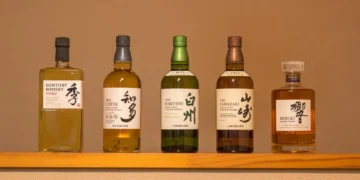
Japanese Whisky and Explosive Collector Demand

Japanese whisky experienced one of the fastest rises in collector interest.

International awards transformed brands such as:

  • Yamazaki
  • Hibiki
  • Karuizawa
  • Hanyu
  • Nikka

into highly sought-after collectibles.

Several factors intensified scarcity:

Limited Historical Production

Japanese distilleries historically produced smaller quantities than major Scotch companies.

Underestimated Global Demand

Producers did not anticipate explosive international popularity.

Aged inventory became insufficient.

Cultural Prestige

Japanese craftsmanship gained enormous global admiration.

Luxury consumers increasingly associated Japanese whisky with precision and elegance.

As a result, prices skyrocketed.

Certain bottles appreciated by thousands of percent.

Some rare Japanese whiskies now rival prestigious Scotch releases in value.

Bourbon Mania and American Collecting Culture

The luxury whiskey phenomenon is not limited to Scotch and Japanese whisky.

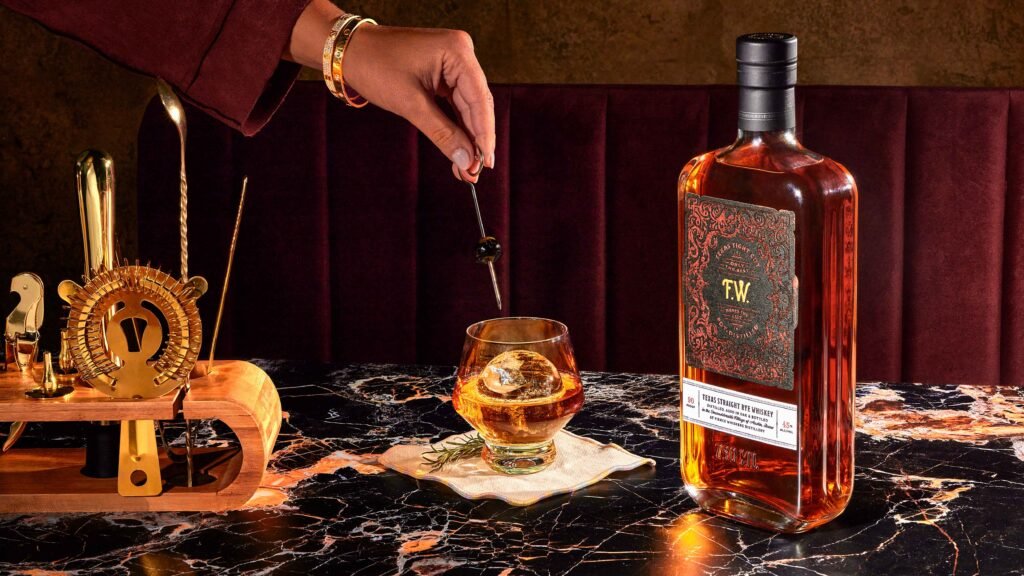
American bourbon developed its own intense collector culture.

Bottles such as:

  • Pappy Van Winkle
  • Buffalo Trace Antique Collection
  • Blanton’s special editions
  • Old Forester Birthday Bourbon

became nearly impossible to obtain at retail prices.

Consumers often line up outside stores for limited allocations.

Online bourbon communities amplified demand through:

  • Tasting reviews
  • Bottle photography
  • Trading discussions
  • “Hunting” culture
  • Secondary-market speculation

Bourbon collecting differs somewhat from Scotch collecting.

American bourbon culture often feels more community-driven and energetic.

However, speculation also created frustration.

Many enthusiasts complain that collectors purchase bottles purely for resale rather than enjoyment.

The phrase “drink your whiskey” became a reaction against excessive hoarding.


Whiskey as an Investment Asset

Some investors now treat whiskey similarly to stocks, art, or wine.

Several characteristics attract investment interest:

Tangible Asset

Unlike digital investments, whiskey is physical.

Collectors can display, store, and eventually consume it.

Finite Supply

Old bottles become rarer over time.

Consumption continuously reduces global supply.

Historical Appreciation

Certain whiskies demonstrated extraordinary price growth.

Global Demand

Wealthy consumers from Asia, Europe, and North America all participate in the market.

Investment firms even created whiskey-focused funds and cask investment programs.

Some investors purchase entire barrels intending to bottle or resell them later.

However, whiskey investment carries risks:

  • Market volatility
  • Storage costs
  • Fraud
  • Counterfeiting
  • Changing consumer trends

Unlike guaranteed financial instruments, whiskey values can fluctuate unpredictably.


The Psychology of Collecting

Understanding luxury whiskey requires understanding human psychology.

Collectors are motivated by more than financial profit.

Exclusivity

Owning rare bottles creates social distinction.

Scarcity enhances perceived prestige.

Completion and Mastery

Some collectors pursue complete verticals or historical series.

The process resembles curating art collections.

Emotional Attachment

Whiskey often connects to memories, travel experiences, friendships, or personal milestones.

Community Identity

Collectors participate in enthusiast communities both online and offline.

Shared passion strengthens social belonging.

Fear of Missing Out

Limited releases trigger urgency.

Consumers worry they may never encounter certain bottles again.

Luxury marketing frequently leverages this psychology.


Counterfeiting and Fraud

As whiskey values increased, counterfeit problems intensified.

Fake bottles represent one of the collector market’s greatest risks.

Counterfeiters may:

  • Refill authentic bottles
  • Forge labels
  • Create fake packaging
  • Alter age statements
  • Produce entirely fabricated releases

Rare whiskey auctions therefore require authentication expertise.

Collectors increasingly examine:

  • Bottle glass details
  • Label printing quality
  • Cork condition
  • Fill levels
  • Historical packaging accuracy

Technology now assists authentication through:

  • Blockchain tracking
  • Digital verification systems
  • High-resolution imaging
  • Chemical analysis

Fraud concerns highlight the importance of trust in luxury markets.


The Influence of Social Media

Social media dramatically accelerated luxury whiskey culture.

Platforms such as Instagram, YouTube, Reddit, and TikTok transformed whiskey into visual lifestyle content.

Collectors share:

  • Bottle displays
  • Tasting videos
  • Unboxing experiences
  • Rare finds
  • Auction victories

This visibility increases desirability.

A rare whiskey bottle becomes both beverage and status symbol.

Influencers also shape market demand.

Positive reviews or viral exposure can rapidly elevate specific bottles.

Digital communities therefore function as modern word-of-mouth networks.


Luxury Packaging and Presentation

Presentation plays a major role in luxury whiskey marketing.

Distilleries increasingly invest in:

  • Crystal decanters
  • Handcrafted boxes
  • Artistic labels
  • Luxury materials
  • Numbered releases
  • Personalized certificates

Some bottles resemble museum objects more than ordinary spirits.

Luxury packaging enhances perceived exclusivity and collectibility.

However, critics sometimes argue that presentation overshadows liquid quality.

The balance between substance and spectacle remains controversial.


Whiskey Tourism and Experiential Luxury

Luxury whiskey culture increasingly emphasizes experiences rather than products alone.

Distilleries now offer:

  • Private tastings
  • VIP warehouse tours
  • Personalized bottlings
  • Luxury dining events
  • Masterclass experiences

Travel itself became part of whiskey identity.

Enthusiasts visit:

  • Scottish distilleries
  • Kentucky bourbon trails
  • Japanese whisky bars
  • Irish whiskey museums

Experiential luxury deepens emotional attachment to brands.

Consumers no longer simply buy whiskey—they buy stories and memories.


Sustainability and Ethical Questions

Luxury whiskey markets also raise ethical concerns.

Resource Consumption

Aging whiskey for decades requires substantial storage, energy, and oak resources.

Speculative Hoarding

Some critics argue excessive collecting transforms whiskey from communal beverage into financial commodity.

Accessibility

Rising prices make premium whiskey inaccessible to ordinary consumers.

Environmental Impact

Distilleries increasingly face pressure to improve sustainability.

Many producers now invest in:

  • Renewable energy
  • Sustainable forestry
  • Carbon reduction
  • Water conservation

Luxury consumers increasingly expect ethical responsibility alongside exclusivity.


The Future of Luxury Whiskey

The luxury whiskey market will likely continue evolving.

Several trends appear especially important:

Emerging Whisky Regions

Countries such as Taiwan, India, and Australia are producing internationally respected whiskies.

Future collectors may increasingly pursue bottles from nontraditional regions.

Younger Consumers

Millennials and Gen Z collectors often prioritize authenticity and transparency.

Digital Authentication

Technology may reduce counterfeit risk.

Experiential Luxury

Experiences may become more valuable than ownership alone.

Sustainability Expectations

Environmental responsibility will likely become essential for luxury credibility.

At the same time, market corrections remain possible.

Some analysts question whether current price growth is sustainable indefinitely.

Nevertheless, whiskey’s emotional and cultural power remains strong.


Conclusion

Luxury whiskey represents one of the most fascinating intersections of craftsmanship, culture, psychology, and economics in the modern consumer world.

What began centuries ago as practical agricultural spirit has evolved into a global symbol of rarity, status, artistry, and investment.

Collectors pursue whiskey for many reasons:

  • Flavor
  • History
  • Prestige
  • Community
  • Financial speculation
  • Emotional connection

This complexity explains why luxury whiskey markets continue expanding.

Yet the rise of collecting also creates tension.

Whiskey exists to be experienced, shared, and enjoyed. Excessive speculation risks transforming living culture into inaccessible commodity.

The healthiest whiskey culture may ultimately balance appreciation with participation.

Great whiskey carries meaning not because it remains permanently sealed behind glass, but because it creates experiences among people.

A rare bottle can certainly symbolize craftsmanship and history.

But its deepest value often emerges only when opened, poured, discussed, and remembered.

That balance between object and experience, between rarity and enjoyment, lies at the heart of the global obsession with luxury whiskey.

Tags: whiskey
ShareTweetShare

Related Posts

The Art of Whiskey: Tradition, Craft, and the Global Renaissance
Whiskey

The Science Behind Aging Whiskey: Time, Wood, Chemistry, and Transformation

May 24, 2026
The Art of Whiskey: Tradition, Craft, and the Global Renaissance
Whiskey

Bourbon Culture in America: History, Identity, and the Spirit of the South

May 24, 2026
The Art of Whiskey: Tradition, Craft, and the Global Renaissance
Whiskey

The Rise of Japanese Whisky: Tradition, Precision, and Global Influence

May 24, 2026
The Art of Whiskey: Tradition, Craft, and the Global Renaissance
Whiskey

The Art of Whiskey: Tradition, Craft, and the Global Renaissance

May 24, 2026
The History of Whisky — From Monastic Origins to Global Industry
Whiskey

The Future of Whisky — Innovation, Sustainability, and Global Trends

April 25, 2026
The History of Whisky — From Monastic Origins to Global Industry
Whiskey

Whisky Culture — Rituals, Tasting, and Lifestyle

April 25, 2026
Leave Comment
  • Trending
  • Comments
  • Latest
Role of Terroir in Champagne Production

Role of Terroir in Champagne Production

January 19, 2026
Champagne Can Be Aged in Wood?

Champagne Can Be Aged in Wood?

January 18, 2026
Is Organic Wine Healthier Than Conventional Wine?

Is Organic Wine Healthier Than Conventional Wine?

January 20, 2026
Why Do Some Champagnes Use a High Proportion of Pinot Meunier?

Why Do Some Champagnes Use a High Proportion of Pinot Meunier?

January 20, 2026
The Timeless Elegance of Wine: A Journey Through History and Culture

The Timeless Elegance of Wine: A Journey Through History and Culture

Why Is Château Lafite Rothschild the Pinnacle of Fine Wine?

Why Is Château Lafite Rothschild the Pinnacle of Fine Wine?

How Did Château Lafite Rothschild Become a Global Icon of Luxury?

How Did Château Lafite Rothschild Become a Global Icon of Luxury?

What Makes Chateau Lafite Rothschild the Pinnacle of Bordeaux Wines?

What Makes Chateau Lafite Rothschild the Pinnacle of Bordeaux Wines?

Champagne: The Sparkling Wine That Changed Global Celebration Culture

Champagne vs Prosecco vs Cava: How the World’s Sparkling Wines Reflect Culture, Geography, and Taste

May 24, 2026
Champagne: The Sparkling Wine That Changed Global Celebration Culture

Women Who Changed Champagne: Widow Clicquot, Female Leadership, and the Hidden History of Sparkling Wine

May 24, 2026
Champagne: The Sparkling Wine That Changed Global Celebration Culture

Champagne and Gastronomy: Why Sparkling Wine Became One of the World’s Greatest Food Companions

May 24, 2026
Champagne: The Sparkling Wine That Changed Global Celebration Culture

The Art of Luxury Champagne: Prestige, Fashion, and the Global Symbol of Elegance

May 24, 2026
SipsavorLife

Welcome to our comprehensive beverage guide, where you can explore the fascinating world of alcoholic drinks. From exquisite wines and rich whiskeys to refreshing beers and sparkling champagnes, we provide insights, tips, and recommendations for enthusiasts and casual drinkers alike. Discover your next favorite libation with us!

© 2025 sipsavorlife.com. contacts:sipsavorlife-35376@gmail.com

No Result
View All Result
  • Home
  • Wine
  • Whiskey
  • Beer
  • Grain Spirits
  • Champagne
  • ALL

© 2025 sipsavorlife.com. contacts:sipsavorlife-35376@gmail.com

Welcome Back!

Login to your account below

Forgotten Password?

Retrieve your password

Please enter your username or email address to reset your password.

Log In