


















Introduction
Few alcoholic beverages are as deeply connected to national identity as bourbon is to the United States. More than simply a style of whiskey, bourbon represents American history, agriculture, frontier expansion, entrepreneurship, craftsmanship, and cultural mythology. It evokes images of Kentucky horse farms, oak barrels aging in vast warehouses, jazz bars in New Orleans, and smoky Southern barbecue restaurants. Bourbon is simultaneously rustic and luxurious, traditional and modern.
Over the past two decades, bourbon has experienced an extraordinary revival. Once viewed by some younger consumers as an old-fashioned drink associated primarily with older generations, bourbon has transformed into one of the fastest-growing premium spirits categories in the world. Distillery tourism flourishes in Kentucky, rare bottles command astonishing prices on secondary markets, and collectors wait overnight outside liquor stores for limited releases.
The bourbon boom reflects broader social trends. Consumers increasingly seek authenticity, heritage, and craftsmanship in the products they buy. Bourbon provides all three while also offering a uniquely American narrative.
Unlike many global spirits rooted in centuries-old European traditions, bourbon emerged from frontier survival and agricultural practicality. Early American settlers transformed excess grain into whiskey because whiskey was easier to transport, preserve, and trade than raw crops. Over time, regional production techniques evolved into what would eventually become bourbon.
Today, bourbon occupies a unique cultural position. It appears in classic cocktails, luxury tasting rooms, sports celebrations, political events, and popular music. It attracts everyone from casual drinkers to obsessive collectors.
This article explores bourbon’s origins, legal identity, production methods, cultural symbolism, economic significance, cocktail influence, and future challenges. Through this exploration, bourbon emerges not merely as a beverage, but as a powerful expression of American culture itself.
The Historical Origins of Bourbon
The origins of bourbon are intertwined with the early settlement of the American frontier.
During the eighteenth century, immigrants from Scotland, Ireland, and Germany brought distillation knowledge to North America. Many settlers moved westward into regions such as Kentucky and Tennessee, where fertile land and abundant grain production created ideal conditions for whiskey-making.
Corn quickly became central to American whiskey production because it grew efficiently in the region.
Farmers often converted surplus grain into whiskey for practical reasons:
- Whiskey was easier to transport than grain.
- Distilled spirits held value longer.
- Alcohol served as currency in some frontier communities.
- Distillation reduced agricultural waste.
Kentucky’s limestone-filtered water proved especially suitable for whiskey production because it contained minerals beneficial to fermentation while lacking iron, which can negatively affect flavor.
The exact origin of the name “bourbon” remains debated.
Some historians believe it derives from Bourbon County, Kentucky. Others suggest connections to Bourbon Street in New Orleans, where whiskey shipments became popular.
Regardless of precise etymology, bourbon gradually developed a distinct identity.
One of the most important innovations involved aging whiskey in charred oak barrels.
Legend suggests that accidental barrel charring introduced desirable flavors and color. Whether accidental or intentional, charred oak aging became fundamental to bourbon production.
By the nineteenth century, bourbon had become a major American industry.
However, the industry faced enormous disruption during Prohibition between 1920 and 1933.
Many distilleries closed permanently. Skilled distillers lost livelihoods. Illegal moonshine operations flourished.
After Prohibition ended, bourbon slowly rebuilt itself, though competition from vodka and lighter spirits later reduced popularity during the mid-twentieth century.
The modern bourbon renaissance did not truly begin until the late twentieth and early twenty-first centuries.
What Legally Defines Bourbon?
Bourbon is not simply any American whiskey.
United States federal law establishes strict legal requirements.
To qualify as bourbon, a whiskey must:
- Be produced in the United States
- Contain at least 51 percent corn in the mash bill
- Be distilled below 160 proof
- Enter barrels below 125 proof
- Age in new charred oak containers
- Contain no added coloring or flavoring
Contrary to popular belief, bourbon does not legally have to be made in Kentucky.
However, Kentucky remains the spiritual and economic center of bourbon production.
The requirement for new charred oak barrels profoundly shapes bourbon flavor.
Unlike Scotch whisky producers, who often reuse barrels, bourbon distillers must use fresh barrels every time.
This creates intense interaction between spirit and wood.
As bourbon ages, the charred oak contributes:
- Vanilla notes
- Caramel sweetness
- Toasted spice
- Smoky undertones
- Deep amber color
Temperature fluctuations also accelerate maturation.
Kentucky’s hot summers and cold winters cause whiskey to expand and contract within the wood, increasing flavor extraction.
The result is a rich and robust spirit distinct from other whiskey traditions.
The Bourbon Production Process
Although bourbon production follows scientific principles, it also relies heavily on craftsmanship and intuition.
Grain Selection
Every bourbon begins with grain.
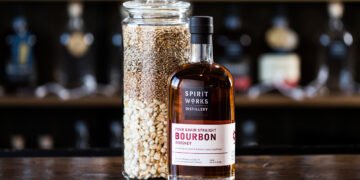
The mash bill typically combines:
- Corn
- Rye or wheat
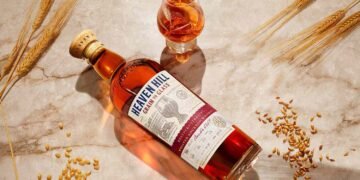
- Malted barley
High-rye bourbons often taste spicier and drier.
Wheated bourbons tend to feel softer and sweeter.
Distilleries guard mash bill recipes carefully because grain ratios significantly influence flavor.
Cooking and Mashing
Corn requires high temperatures to release starches.
Distillers cook grains in stages, gradually reducing temperature before adding enzymes and yeast.
This process converts starch into fermentable sugar.
Fermentation
Yeast transforms sugars into alcohol while also creating flavor compounds.
Many distilleries maintain proprietary yeast strains passed down across generations.
Fermentation may last several days and dramatically affects aroma and complexity.
Distillation
Most bourbon producers use column stills followed by doubler systems.
Distillation increases alcohol concentration while refining flavor.
The distiller carefully selects the heart cut to balance richness and purity.
Barrel Aging
Fresh spirit enters new charred oak barrels.
Barrel warehouses, known as rickhouses, may contain thousands of barrels stacked across multiple floors.
Temperature differences within warehouses influence aging.
Upper floors typically experience greater heat variation, accelerating maturation.
No two barrels age identically.
This variability contributes to the popularity of single-barrel bourbons.
Bottling
After aging, bourbon may be:
- Blended
- Bottled at barrel proof
- Chill-filtered
- Diluted to target strength
Each choice influences the final drinking experience.
Kentucky: The Heart of Bourbon Culture
Although bourbon can legally be produced anywhere in the United States, Kentucky dominates the industry.
Approximately 95 percent of the world’s bourbon originates there.
Kentucky’s identity is deeply intertwined with whiskey.
Distilleries such as:
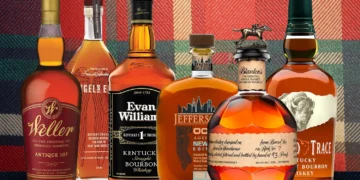
- Buffalo Trace
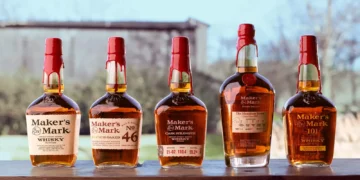
- Maker’s Mark
- Wild Turkey
- Four Roses
- Woodford Reserve
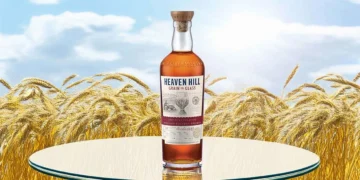
- Heaven Hill
- Jim Beam
have become cultural institutions.
The Kentucky Bourbon Trail attracts millions of tourists annually.
Visitors tour warehouses, observe distillation processes, and participate in tastings.
Bourbon tourism significantly contributes to Kentucky’s economy through:
- Hotels
- Restaurants
- Transportation
- Retail sales
- Employment
The landscape itself shapes bourbon mythology.
Rolling hills, horse farms, historic warehouses, and rural distilleries reinforce romantic imagery associated with American craftsmanship.
Bourbon culture also intersects strongly with Southern hospitality.
Distillery tours often emphasize storytelling, tradition, and personal connection.
Bourbon and American Identity
Bourbon occupies a symbolic role within American culture.
In 1964, the United States Congress declared bourbon “a distinctive product of the United States.”
This recognition elevated bourbon beyond simple commodity status.
Bourbon reflects several themes central to American mythology:
Frontier Spirit
Early bourbon production emerged from frontier survival and self-reliance.
Distillers transformed agricultural resources into economic opportunity.
Entrepreneurship
The bourbon industry celebrates family businesses, innovation, and risk-taking.
Many famous bourbon companies began as small regional operations.
Craftsmanship
American culture increasingly values artisanal production.
Bourbon fits perfectly within this movement.
Regional Pride
Kentucky identity is inseparable from bourbon.
Residents often treat bourbon as cultural heritage rather than merely alcohol.
Bourbon therefore functions both as beverage and national symbol.
The Bourbon Boom of the Twenty-First Century
The early twenty-first century witnessed explosive bourbon growth.
Several factors contributed:
Premiumization
Consumers increasingly preferred high-quality and premium spirits.
Rather than purchasing large quantities of cheap alcohol, many drinkers chose smaller amounts of better products.
Cocktail Renaissance
Classic cocktails regained popularity.
Bartenders revived traditional bourbon drinks including:
- Old Fashioned
- Manhattan
- Whiskey Sour
- Mint Julep
This renewed exposure introduced younger audiences to bourbon.
Craft Distilling
Hundreds of small craft distilleries emerged across America.
These producers experimented with:
- Local grains
- Alternative mash bills
- Creative barrel finishes
- Organic production
- Small-batch releases
Social Media and Collecting
Online whiskey communities dramatically increased consumer engagement.
Collectors shared tasting notes, hunting stories, and rare bottle discoveries.
Scarcity created excitement and speculative purchasing behavior.
Limited releases became cultural events.
Some consumers camp outside stores for hours hoping to obtain allocated bottles.
Bourbon Collecting and Secondary Markets
One of the most fascinating aspects of modern bourbon culture involves collecting.
Rare bourbons now command astonishing resale prices.
Highly sought-after bottles include:
- Pappy Van Winkle
- Buffalo Trace Antique Collection
- Blanton’s special editions
- Four Roses Limited Edition releases
Collectors value rarity, age, brand prestige, and historical significance.
Secondary markets transformed bourbon from consumable product into investment asset.
However, speculation also created controversy.
Many enthusiasts criticize “flippers” who buy bottles solely for resale profit.
Artificial scarcity frustrates ordinary consumers who simply wish to enjoy the whiskey.
Some argue that excessive collecting undermines bourbon’s communal spirit.
Nevertheless, collecting remains central to contemporary bourbon culture.
Bourbon in Cocktails and Gastronomy
Bourbon’s versatility contributes greatly to its popularity.
Classic Cocktails
The Old Fashioned remains perhaps the definitive bourbon cocktail.
Combining bourbon, sugar, bitters, and citrus oils, it highlights whiskey flavor rather than masking it.
The Mint Julep became strongly associated with the Kentucky Derby.
Served over crushed ice with fresh mint, the cocktail symbolizes Southern tradition.
The Manhattan and Whiskey Sour further demonstrate bourbon’s flexibility.
Culinary Pairings
Chefs increasingly incorporate bourbon into gastronomy.
Bourbon complements:
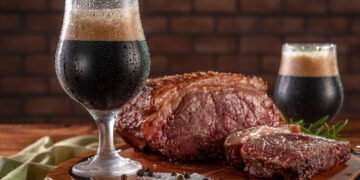
- Smoked meats
- Barbecue
- Chocolate desserts
- Pecans
- Maple flavors
- Aged cheeses
Bourbon barrel-aging techniques also influence food production.
Breweries, coffee roasters, and hot sauce makers now use bourbon barrels to add complexity.
Bourbon and Popular Culture
Bourbon appears throughout American entertainment and media.
Country music frequently references whiskey as symbol of heartbreak, celebration, or resilience.
Films and television often use bourbon to communicate sophistication or rugged masculinity.
In political culture, bourbon can symbolize authenticity and regional identity.
Advertising campaigns frequently emphasize:
- Heritage
- Family tradition
- Craftsmanship
- Rural Americana
- Patience
- Authenticity
These narratives resonate strongly in modern consumer culture.
Sustainability and Industry Challenges
Despite its success, the bourbon industry faces significant challenges.
Climate Change
Extreme weather may affect:
- Corn production
- Water availability
- Barrel aging consistency
- Warehouse safety
Environmental Impact
Distillation consumes substantial energy and water.
Many producers now invest in:
- Renewable energy
- Water recycling
- Sustainable agriculture
- Waste reduction
Supply Constraints
Because bourbon requires years of aging, distilleries must predict future demand long in advance.
Misjudging demand can create shortages or oversupply.
Market Saturation
As more brands enter the market, maintaining differentiation becomes increasingly difficult.
Consumers now expect both authenticity and innovation.
Balancing these demands requires strategic skill.
The Future of Bourbon
Bourbon continues evolving.
Modern producers increasingly experiment with:
- Secondary barrel finishes
- Heritage corn varieties
- Higher proof releases
- Sustainable production methods
- International collaborations
Younger consumers also show growing interest in transparency.
Questions regarding sourcing, additives, and production methods matter more than ever.
Craft distillers may drive future innovation while major brands preserve large-scale heritage traditions.
International demand for bourbon also continues expanding.
Countries across Europe and Asia increasingly embrace premium American whiskey.
As global appreciation grows, bourbon’s cultural influence will likely deepen further.
Conclusion
Bourbon is far more than a style of whiskey.
It represents a uniquely American fusion of agriculture, craftsmanship, entrepreneurship, and cultural mythology.
From frontier farmers distilling excess grain to modern collectors chasing rare bottles, bourbon’s story reflects broader themes within American history itself.
Its production combines science and artistry. Its flavors express grain, wood, climate, and time. Its rituals encourage conversation, hospitality, and reflection.
The twenty-first-century bourbon boom demonstrates how deeply consumers value authenticity and narrative in an increasingly industrialized world.
Yet bourbon’s appeal ultimately extends beyond trends.
A glass of bourbon carries emotional and cultural weight. It connects drinkers to landscapes, traditions, and generations of craftsmanship.
Whether enjoyed neat in a quiet bar, mixed into a cocktail at a celebration, or shared among friends during conversation, bourbon remains a spirit rooted in community and identity.
As the bourbon industry moves into the future, balancing innovation with heritage will remain essential.
Fortunately, bourbon has always evolved while preserving its core identity.
That adaptability, combined with its rich cultural symbolism, ensures that bourbon will continue occupying a central place in American life for generations to come.