SipsavorLife
  • Home
  • Wine
    The Cultural History of Wine: From Ancient Rituals to Modern Luxury

    The Psychology of Wine: Why Humans Associate Wine with Emotion, Memory, and Identity

    The Cultural History of Wine: From Ancient Rituals to Modern Luxury

    Sustainable Winemaking: Environmental Challenges and the Future of Vineyards

    The Cultural History of Wine: From Ancient Rituals to Modern Luxury

    Wine and Food Pairing: The Culinary Art of Balance and Flavor

    The Cultural History of Wine: From Ancient Rituals to Modern Luxury

    The Science of Wine: Fermentation, Chemistry, and Flavor Development

    The Cultural History of Wine: From Ancient Rituals to Modern Luxury

    The Cultural History of Wine: From Ancient Rituals to Modern Luxury

    Wine as a Cultural Artifact: History, Identity, and the Evolution of Taste

    The Art and Science of Wine & Food Pairing: How to Create Perfect Matches Every Time

  • Whiskey
    Can Beer Be an Effective Ingredient in Culinary Cooking?

    Can Beer Be an Effective Ingredient in Culinary Cooking?

    Second Fermentation in Champagne: Is It Really That Crucial?

    Second Fermentation in Champagne: Is It Really That Crucial?

    How Do Different Grains Impact the Flavor Profile of Distilled Spirits?

    How Do Different Grains Impact the Flavor Profile of Distilled Spirits?

    How Do Whiskey Master Blenders Create Perfection?

    How Do Whiskey Master Blenders Create Perfection?

    Wine Pairings: Can They Change the Flavor Profile of a Dish?

    Wine Pairings: Can They Change the Flavor Profile of a Dish?

    Beer the Ultimate Beverage for Pairing with Spicy Food?

    Beer the Ultimate Beverage for Pairing with Spicy Food?

  • Beer
    Beer as a Cultural and Social Force: From Ancient Brew to Modern Identity

    Women in Brewing: The Untold History and Modern Transformation of Beer Culture

    The Global Craft Beer Revolution: How Independent Brewers Changed Modern Drinking Culture

    Beer Tourism: Exploring the World Through Breweries and Drinking Traditions

    The Global Craft Beer Revolution: How Independent Brewers Changed Modern Drinking Culture

    Barrel Aging and Experimental Brewing: The New Frontier of Beer Innovation

    The Global Craft Beer Revolution: How Independent Brewers Changed Modern Drinking Culture

    Beer and Society: How Beer Shapes Communities, Traditions, and Human Connection

    The Global Craft Beer Revolution: How Independent Brewers Changed Modern Drinking Culture

    The Global Craft Beer Revolution: How Independent Brewers Changed Modern Drinking Culture

    The Global Craft Beer Revolution: How Independent Breweries Changed Modern Drinking Culture

    The Future of Beer: Innovation, Sustainability, and the Changing Global Drinking Culture

  • Grain Spirits
    Grain Spirits Explained — The Foundation of Global Distillation

    The Future of Grain Spirits — Technology, Sustainability, and the Next Era of Distillation

    Grain Spirits Explained — The Foundation of Global Distillation

    Grain Spirits Around the World — Vodka, Whisky Bases, and Industrial Applications

    Grain Spirits Explained — The Foundation of Global Distillation

    Distillation Systems — Pot Still vs Column Still, and the Balance Between Efficiency and Flavor

    Grain Spirits Explained — The Foundation of Global Distillation

    Grain Selection and Fermentation Science — How Raw Ingredients Shape Grain Spirits

    Grain Spirits Explained — The Foundation of Global Distillation

    Grain Spirits Explained — The Foundation of Global Distillation

    Grain Spirits and the Industrial Birth of Neutral Alcohol

    The Future of Grain Spirits — AI Distillation, Sustainability, and the Post-Flavor Alcohol Industry

  • Champagne
    Champagne: The Sparkling Wine That Changed Global Celebration Culture

    Champagne vs Prosecco vs Cava: How the World’s Sparkling Wines Reflect Culture, Geography, and Taste

    Champagne: The Sparkling Wine That Changed Global Celebration Culture

    Women Who Changed Champagne: Widow Clicquot, Female Leadership, and the Hidden History of Sparkling Wine

    Champagne: The Sparkling Wine That Changed Global Celebration Culture

    Champagne and Gastronomy: Why Sparkling Wine Became One of the World’s Greatest Food Companions

    Champagne: The Sparkling Wine That Changed Global Celebration Culture

    The Art of Luxury Champagne: Prestige, Fashion, and the Global Symbol of Elegance

    Champagne: The Sparkling Wine That Changed Global Celebration Culture

    Champagne: The Sparkling Wine That Changed Global Celebration Culture

    The History of Champagne — From Accidental Sparkle to Global Luxury

    The Future of Champagne — Climate Change, Innovation, and Industry Evolution

  • ALL
    Can Beer Be an Effective Ingredient in Culinary Cooking?

    Can Beer Be an Effective Ingredient in Culinary Cooking?

    Second Fermentation in Champagne: Is It Really That Crucial?

    Second Fermentation in Champagne: Is It Really That Crucial?

    How Do Different Grains Impact the Flavor Profile of Distilled Spirits?

    How Do Different Grains Impact the Flavor Profile of Distilled Spirits?

    How Do Whiskey Master Blenders Create Perfection?

    How Do Whiskey Master Blenders Create Perfection?

    Wine Pairings: Can They Change the Flavor Profile of a Dish?

    Wine Pairings: Can They Change the Flavor Profile of a Dish?

    Beer the Ultimate Beverage for Pairing with Spicy Food?

    Beer the Ultimate Beverage for Pairing with Spicy Food?

SipsavorLife
  • Home
  • Wine
    The Cultural History of Wine: From Ancient Rituals to Modern Luxury

    The Psychology of Wine: Why Humans Associate Wine with Emotion, Memory, and Identity

    The Cultural History of Wine: From Ancient Rituals to Modern Luxury

    Sustainable Winemaking: Environmental Challenges and the Future of Vineyards

    The Cultural History of Wine: From Ancient Rituals to Modern Luxury

    Wine and Food Pairing: The Culinary Art of Balance and Flavor

    The Cultural History of Wine: From Ancient Rituals to Modern Luxury

    The Science of Wine: Fermentation, Chemistry, and Flavor Development

    The Cultural History of Wine: From Ancient Rituals to Modern Luxury

    The Cultural History of Wine: From Ancient Rituals to Modern Luxury

    Wine as a Cultural Artifact: History, Identity, and the Evolution of Taste

    The Art and Science of Wine & Food Pairing: How to Create Perfect Matches Every Time

  • Whiskey
    Can Beer Be an Effective Ingredient in Culinary Cooking?

    Can Beer Be an Effective Ingredient in Culinary Cooking?

    Second Fermentation in Champagne: Is It Really That Crucial?

    Second Fermentation in Champagne: Is It Really That Crucial?

    How Do Different Grains Impact the Flavor Profile of Distilled Spirits?

    How Do Different Grains Impact the Flavor Profile of Distilled Spirits?

    How Do Whiskey Master Blenders Create Perfection?

    How Do Whiskey Master Blenders Create Perfection?

    Wine Pairings: Can They Change the Flavor Profile of a Dish?

    Wine Pairings: Can They Change the Flavor Profile of a Dish?

    Beer the Ultimate Beverage for Pairing with Spicy Food?

    Beer the Ultimate Beverage for Pairing with Spicy Food?

  • Beer
    Beer as a Cultural and Social Force: From Ancient Brew to Modern Identity

    Women in Brewing: The Untold History and Modern Transformation of Beer Culture

    The Global Craft Beer Revolution: How Independent Brewers Changed Modern Drinking Culture

    Beer Tourism: Exploring the World Through Breweries and Drinking Traditions

    The Global Craft Beer Revolution: How Independent Brewers Changed Modern Drinking Culture

    Barrel Aging and Experimental Brewing: The New Frontier of Beer Innovation

    The Global Craft Beer Revolution: How Independent Brewers Changed Modern Drinking Culture

    Beer and Society: How Beer Shapes Communities, Traditions, and Human Connection

    The Global Craft Beer Revolution: How Independent Brewers Changed Modern Drinking Culture

    The Global Craft Beer Revolution: How Independent Brewers Changed Modern Drinking Culture

    The Global Craft Beer Revolution: How Independent Breweries Changed Modern Drinking Culture

    The Future of Beer: Innovation, Sustainability, and the Changing Global Drinking Culture

  • Grain Spirits
    Grain Spirits Explained — The Foundation of Global Distillation

    The Future of Grain Spirits — Technology, Sustainability, and the Next Era of Distillation

    Grain Spirits Explained — The Foundation of Global Distillation

    Grain Spirits Around the World — Vodka, Whisky Bases, and Industrial Applications

    Grain Spirits Explained — The Foundation of Global Distillation

    Distillation Systems — Pot Still vs Column Still, and the Balance Between Efficiency and Flavor

    Grain Spirits Explained — The Foundation of Global Distillation

    Grain Selection and Fermentation Science — How Raw Ingredients Shape Grain Spirits

    Grain Spirits Explained — The Foundation of Global Distillation

    Grain Spirits Explained — The Foundation of Global Distillation

    Grain Spirits and the Industrial Birth of Neutral Alcohol

    The Future of Grain Spirits — AI Distillation, Sustainability, and the Post-Flavor Alcohol Industry

  • Champagne
    Champagne: The Sparkling Wine That Changed Global Celebration Culture

    Champagne vs Prosecco vs Cava: How the World’s Sparkling Wines Reflect Culture, Geography, and Taste

    Champagne: The Sparkling Wine That Changed Global Celebration Culture

    Women Who Changed Champagne: Widow Clicquot, Female Leadership, and the Hidden History of Sparkling Wine

    Champagne: The Sparkling Wine That Changed Global Celebration Culture

    Champagne and Gastronomy: Why Sparkling Wine Became One of the World’s Greatest Food Companions

    Champagne: The Sparkling Wine That Changed Global Celebration Culture

    The Art of Luxury Champagne: Prestige, Fashion, and the Global Symbol of Elegance

    Champagne: The Sparkling Wine That Changed Global Celebration Culture

    Champagne: The Sparkling Wine That Changed Global Celebration Culture

    The History of Champagne — From Accidental Sparkle to Global Luxury

    The Future of Champagne — Climate Change, Innovation, and Industry Evolution

  • ALL
    Can Beer Be an Effective Ingredient in Culinary Cooking?

    Can Beer Be an Effective Ingredient in Culinary Cooking?

    Second Fermentation in Champagne: Is It Really That Crucial?

    Second Fermentation in Champagne: Is It Really That Crucial?

    How Do Different Grains Impact the Flavor Profile of Distilled Spirits?

    How Do Different Grains Impact the Flavor Profile of Distilled Spirits?

    How Do Whiskey Master Blenders Create Perfection?

    How Do Whiskey Master Blenders Create Perfection?

    Wine Pairings: Can They Change the Flavor Profile of a Dish?

    Wine Pairings: Can They Change the Flavor Profile of a Dish?

    Beer the Ultimate Beverage for Pairing with Spicy Food?

    Beer the Ultimate Beverage for Pairing with Spicy Food?

SipsavorLife
No Result
View All Result
Home Whiskey

The Art of Whiskey: Tradition, Craft, and the Global Renaissance

May 24, 2026
in Whiskey
The Art of Whiskey: Tradition, Craft, and the Global Renaissance

Introduction

Whiskey has long occupied a unique place in human culture. More than simply a distilled alcoholic beverage, it represents history, geography, craftsmanship, chemistry, storytelling, and ritual all at once. Across centuries, whiskey evolved from a practical spirit created by monks and farmers into one of the world’s most respected luxury products. Today, whiskey bars flourish in major cities, rare bottles sell for astonishing prices at auction, and distilleries have become pilgrimage destinations for enthusiasts from every continent.

The word “whiskey” itself carries historical significance. Derived from the Gaelic phrase uisce beatha, meaning “water of life,” the spirit emerged from ancient distillation traditions practiced in Ireland and Scotland. Over time, different regions adapted the drink according to local climates, grains, water sources, barrels, and cultural preferences. As a result, whiskey developed into an incredibly diverse category that includes Scotch whisky, Irish whiskey, American bourbon, rye whiskey, Japanese whisky, and many modern craft variations.

In recent decades, whiskey has experienced a remarkable global renaissance. Consumers increasingly seek authenticity, heritage, and artisanal products, and whiskey satisfies all three desires. Younger generations who once gravitated primarily toward vodka or cocktails are now exploring single malts, small-batch bourbons, and experimental cask finishes. Meanwhile, established producers continue refining traditional methods while innovative distillers push boundaries with unusual grains, local woods, and creative aging techniques.

Understanding whiskey requires more than simply tasting it. One must understand the agricultural origins of grains, the science of fermentation, the artistry of distillation, and the profound influence of oak barrels over time. Whiskey is simultaneously agricultural and industrial, rustic and luxurious, ancient and modern.

This article explores the world of whiskey in depth—from its origins and production methods to regional styles, tasting culture, economic importance, and future innovations. Through this journey, it becomes clear why whiskey continues to captivate millions of people around the world.


The Historical Origins of Whiskey

The exact origins of whiskey remain difficult to trace because distillation itself predates whiskey by many centuries. Distillation techniques likely originated in Mesopotamia and Egypt before spreading through the Arab world and eventually into Europe during the Middle Ages. Initially, distillation served medicinal, scientific, and alchemical purposes rather than recreational drinking.

By the medieval period, monks in Ireland and Scotland had begun distilling fermented grain mash into a primitive spirit. Unlike modern whiskey, early versions were often unaged and harsh. However, these spirits became popular because they were portable, durable, and relatively easy to produce.

Ireland often claims to be the birthplace of whiskey, pointing to references from as early as the twelfth century. Scotland, meanwhile, possesses some of the earliest documented records of whisky production, including a famous 1494 tax record mentioning malt provided to Friar John Cor for making aqua vitae.

For centuries, whiskey production remained largely local and informal. Farmers distilled surplus grain into spirits that could be stored and traded more easily than raw crops. Distillation also provided economic resilience during poor harvest seasons.

The development of oak barrel aging transformed whiskey forever. Producers gradually discovered that storing spirit in wooden casks softened harsh flavors and introduced desirable notes of vanilla, caramel, spice, and smoke. By the eighteenth and nineteenth centuries, aging had become central to whiskey quality.

Government taxation also shaped whiskey history. High taxes often encouraged illegal distilling, especially in Scotland and Ireland. Smugglers operated hidden stills in remote hills and valleys, creating a romantic mythology that still influences whiskey branding today.

The Industrial Revolution brought major technological advances. The invention of the Coffey still in the nineteenth century allowed continuous distillation, increasing efficiency and production capacity. This innovation helped create lighter grain whiskies and expanded global whiskey markets.

Irish whiskey dominated global sales during the nineteenth century, but political instability, trade conflicts, and the rise of Scotch whisky gradually weakened Ireland’s position. Meanwhile, American whiskey evolved independently, especially bourbon and rye whiskey in Kentucky and Pennsylvania.

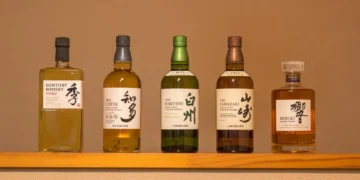
Japanese whisky emerged during the twentieth century after Japanese distillers studied Scottish methods and adapted them with remarkable precision. Today, Japanese whisky enjoys global acclaim for elegance and balance.

Thus, whiskey history reflects migration, trade, industrialization, taxation, agriculture, and cultural exchange. Every bottle carries traces of these historical forces.


The Science and Craft of Whiskey Production

Although whiskey styles vary dramatically across regions, the fundamental production process follows several core stages: malting, mashing, fermentation, distillation, maturation, and bottling.

Malting

Malting begins with grain, usually barley, corn, rye, or wheat. In Scotch single malt production, barley dominates. The barley is soaked in water and allowed to germinate. Germination activates enzymes that convert starches into fermentable sugars.

After germination, the grain must be dried to halt growth. In Scotland, some distilleries use peat fires during drying, creating the smoky flavors associated with peated Scotch whisky.

Peat is partially decomposed organic matter harvested from bogs. When burned, it produces aromatic smoke containing compounds that cling to the grain. Depending on the intensity of peat exposure, whisky may exhibit subtle earthiness or intense medicinal smoke.

Mashing

The malted grain is then ground into grist and mixed with hot water in a mash tun. The hot water extracts sugars, creating a sweet liquid called wort.

Temperature control during mashing is crucial. Different temperatures optimize enzyme activity and influence sugar extraction efficiency.

Fermentation

The wort is transferred into fermentation vessels called washbacks, where yeast converts sugars into alcohol and carbon dioxide.

Fermentation typically lasts between two and five days, though some producers experiment with longer fermentations to develop fruity or complex flavor profiles.

Beyond alcohol production, fermentation creates numerous flavor compounds including esters, aldehydes, and organic acids. These compounds significantly influence the final whiskey character.

Distillation

Distillation separates alcohol from the fermented liquid using heat. Traditional pot stills, commonly used in Scotch single malt and Irish whiskey production, produce rich and complex spirits.

Column stills or continuous stills operate more efficiently and are widely used for bourbon and grain whisky production.

Distillers carefully separate different portions of the distillate:

  • The foreshots contain undesirable volatile compounds.
  • The heart cut becomes whiskey.
  • The feints contain heavier compounds.

Making accurate cuts requires extraordinary skill and experience.
Maturation

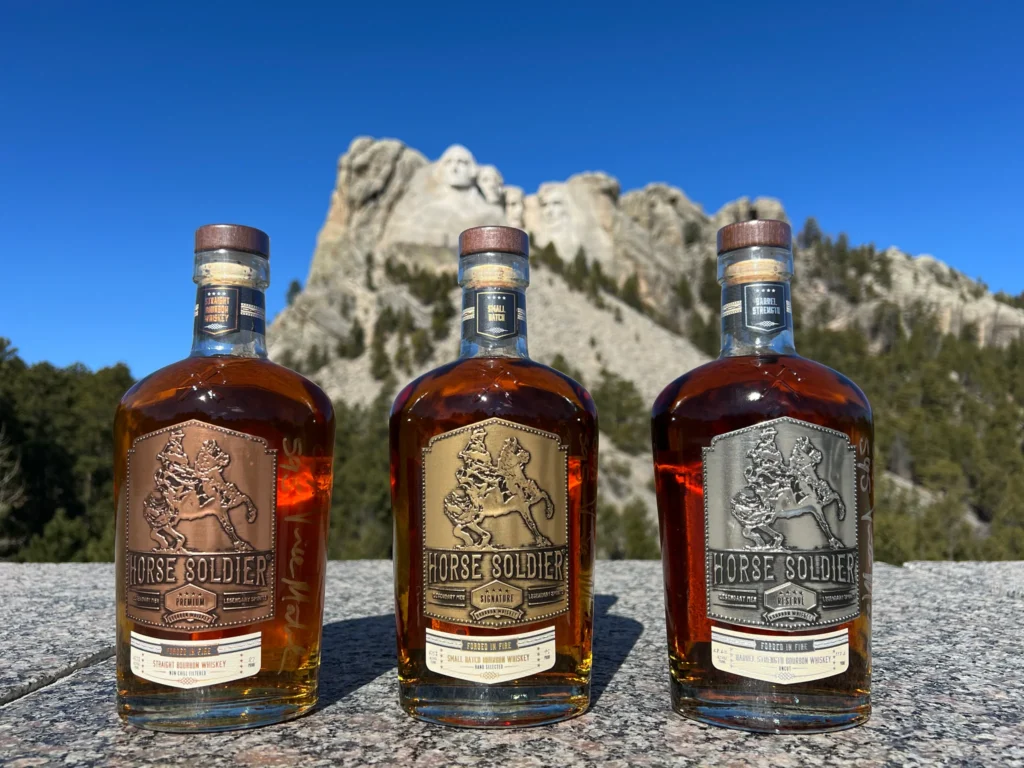
Perhaps no stage influences whiskey more profoundly than maturation. Freshly distilled spirit is clear and aggressive. Oak barrels gradually transform it over years or decades.

Barrels contribute flavor compounds such as vanillin, lactones, tannins, and caramelized sugars. Oxygen interaction through the wood also softens the spirit.

Climate dramatically affects maturation. Kentucky’s hot summers accelerate barrel interaction, while Scotland’s cool climate promotes slower aging.

The “angel’s share” refers to spirit lost through evaporation during maturation. Depending on climate, distilleries may lose significant quantities annually.

Different barrel types create distinct flavor profiles:

  • Ex-bourbon barrels contribute vanilla and caramel.
  • Sherry casks add dried fruit and spice.
  • Port casks create berry richness.
  • Wine barrels introduce tannic complexity.

Modern distillers increasingly experiment with exotic cask finishes.

Bottling

Before bottling, whiskey may be diluted to desired alcohol strength, filtered, or blended.

Some producers offer cask-strength releases with minimal intervention. Others chill-filter whiskey to improve visual clarity, though critics argue this may remove flavor compounds.

Every decision during production affects the final product, making whiskey both a scientific and artistic achievement.


Scotch Whisky: Scotland’s Liquid Identity

Scotch whisky occupies perhaps the most prestigious position in global whiskey culture. Protected by strict regulations, Scotch must be produced and matured in Scotland for at least three years.

Scotland’s whisky regions each possess distinct characteristics.

Speyside

Speyside contains the highest concentration of distilleries in Scotland. Famous brands such as Macallan, Glenfiddich, and Balvenie originate here.

Speyside whiskies often display fruity, elegant, and honeyed characteristics. Sherry cask maturation is particularly common.

Islay

Islay whiskies are famous for intense peat smoke, maritime salinity, and medicinal notes.

Distilleries such as Laphroaig, Ardbeg, and Lagavulin have passionate global followings.

For newcomers, Islay whisky can be shocking. Aromas may resemble seaweed, iodine, smoke, or campfires. Yet enthusiasts celebrate precisely these bold characteristics.

Highlands

The Highlands produce highly diverse whiskies ranging from light and floral to rich and smoky.

Lowlands

Lowland whiskies are generally lighter and softer, historically associated with triple distillation.

Campbeltown

Once a thriving whisky hub, Campbeltown now hosts only a few distilleries but maintains legendary status among enthusiasts.

Scotch culture emphasizes terroir-like concepts involving water, climate, and regional tradition. Although scientific debates continue regarding terroir in whisky, many drinkers believe geography profoundly influences flavor.

Scotch also pioneered luxury whiskey marketing. Limited editions, age statements, and collectible releases contribute to a thriving global auction market.


Bourbon and the American Whiskey Tradition

American whiskey evolved under different environmental and cultural conditions than European whisky.

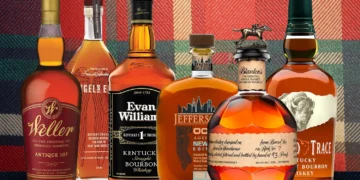
Bourbon, America’s signature whiskey, must contain at least 51 percent corn and age in new charred oak barrels.

Kentucky became bourbon’s spiritual home due to fertile land, limestone-filtered water, and ideal climate conditions.

Unlike Scotch producers who reuse barrels, bourbon regulations require new oak barrels for every batch. This practice creates intense interactions between spirit and wood, generating flavors of caramel, vanilla, and toasted oak.

The heavy char inside bourbon barrels acts like a filter while contributing smoky sweetness.

Major bourbon brands include Buffalo Trace, Maker’s Mark, Wild Turkey, Woodford Reserve, and Jim Beam.

The bourbon industry experienced dramatic growth during the twenty-first century. Premium small-batch and single-barrel releases attracted collectors and enthusiasts.

Craft distilleries also transformed American whiskey culture. Smaller producers experiment with heirloom corn varieties, local grains, and unconventional aging methods.

Rye whiskey represents another important American tradition. Made primarily from rye grain, it delivers spicier and drier flavors than bourbon.

Cocktail culture helped revive rye whiskey popularity because classic drinks like the Manhattan and Old Fashioned historically relied on rye.

Tennessee whiskey, including Jack Daniel’s, undergoes additional charcoal mellowing that softens the spirit.

American whiskey culture often emphasizes innovation, entrepreneurship, and bold flavors.
Tags: whiskey
ShareTweetShare

Related Posts

Why Is Bourbon Only Made in the U.S.?
Whiskey

Luxury Whiskey and the Collector Market: Rarity, Investment, and the Global Obsession

May 24, 2026
The Art of Whiskey: Tradition, Craft, and the Global Renaissance
Whiskey

The Science Behind Aging Whiskey: Time, Wood, Chemistry, and Transformation

May 24, 2026
The Art of Whiskey: Tradition, Craft, and the Global Renaissance
Whiskey

Bourbon Culture in America: History, Identity, and the Spirit of the South

May 24, 2026
The Art of Whiskey: Tradition, Craft, and the Global Renaissance
Whiskey

The Rise of Japanese Whisky: Tradition, Precision, and Global Influence

May 24, 2026
The History of Whisky — From Monastic Origins to Global Industry
Whiskey

The Future of Whisky — Innovation, Sustainability, and Global Trends

April 25, 2026
The History of Whisky — From Monastic Origins to Global Industry
Whiskey

Whisky Culture — Rituals, Tasting, and Lifestyle

April 25, 2026
Leave Comment
  • Trending
  • Comments
  • Latest
Role of Terroir in Champagne Production

Role of Terroir in Champagne Production

January 19, 2026
Champagne Can Be Aged in Wood?

Champagne Can Be Aged in Wood?

January 18, 2026
Is Organic Wine Healthier Than Conventional Wine?

Is Organic Wine Healthier Than Conventional Wine?

January 20, 2026
Why Do Some Champagnes Use a High Proportion of Pinot Meunier?

Why Do Some Champagnes Use a High Proportion of Pinot Meunier?

January 20, 2026
The Timeless Elegance of Wine: A Journey Through History and Culture

The Timeless Elegance of Wine: A Journey Through History and Culture

Why Is Château Lafite Rothschild the Pinnacle of Fine Wine?

Why Is Château Lafite Rothschild the Pinnacle of Fine Wine?

How Did Château Lafite Rothschild Become a Global Icon of Luxury?

How Did Château Lafite Rothschild Become a Global Icon of Luxury?

What Makes Chateau Lafite Rothschild the Pinnacle of Bordeaux Wines?

What Makes Chateau Lafite Rothschild the Pinnacle of Bordeaux Wines?

Champagne: The Sparkling Wine That Changed Global Celebration Culture

Champagne vs Prosecco vs Cava: How the World’s Sparkling Wines Reflect Culture, Geography, and Taste

May 24, 2026
Champagne: The Sparkling Wine That Changed Global Celebration Culture

Women Who Changed Champagne: Widow Clicquot, Female Leadership, and the Hidden History of Sparkling Wine

May 24, 2026
Champagne: The Sparkling Wine That Changed Global Celebration Culture

Champagne and Gastronomy: Why Sparkling Wine Became One of the World’s Greatest Food Companions

May 24, 2026
Champagne: The Sparkling Wine That Changed Global Celebration Culture

The Art of Luxury Champagne: Prestige, Fashion, and the Global Symbol of Elegance

May 24, 2026
SipsavorLife

Welcome to our comprehensive beverage guide, where you can explore the fascinating world of alcoholic drinks. From exquisite wines and rich whiskeys to refreshing beers and sparkling champagnes, we provide insights, tips, and recommendations for enthusiasts and casual drinkers alike. Discover your next favorite libation with us!

© 2025 sipsavorlife.com. contacts:sipsavorlife-35376@gmail.com

No Result
View All Result
  • Home
  • Wine
  • Whiskey
  • Beer
  • Grain Spirits
  • Champagne
  • ALL

© 2025 sipsavorlife.com. contacts:sipsavorlife-35376@gmail.com

Welcome Back!

Login to your account below

Forgotten Password?

Retrieve your password

Please enter your username or email address to reset your password.

Log In