












Introduction
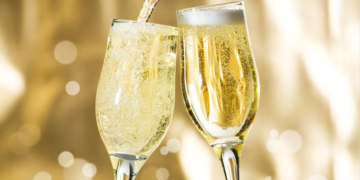
For many casual drinkers, Champagne is associated primarily with celebration. It appears at weddings, New Year’s Eve parties, luxury events, and major life milestones. Yet among sommeliers, chefs, and serious wine enthusiasts, Champagne holds another prestigious identity: one of the greatest food wines ever created.
This reputation may initially seem surprising.
Many consumers think of Champagne as an aperitif—a drink consumed before dinner rather than during it. Others assume sparkling wine pairs only with oysters, caviar, or desserts. In reality, Champagne possesses extraordinary gastronomic versatility capable of complementing an astonishing range of cuisines and cooking styles.
Few wines balance freshness, acidity, texture, complexity, and structure as effectively as Champagne. The interaction between bubbles, acidity, minerality, yeast-derived richness, and subtle fruit creates a wine uniquely adaptable to food pairing.
Champagne can enhance:
- Fried foods
- Seafood
- Poultry
- Cheese
- Japanese cuisine
- Spicy dishes
- Cream-based sauces
- Truffle dishes
- Fine dining tasting menus
This versatility explains why many sommeliers consider Champagne not merely celebratory wine, but one of the most complete wines in the world.
The relationship between Champagne and gastronomy also reflects broader themes in culinary culture:
- The science of flavor interaction
- The psychology of texture
- Regional food traditions
- Luxury dining rituals
- The rise of Michelin-starred cuisine
- The evolution of modern pairing philosophy
Today, Champagne occupies a central role in elite dining culture worldwide. Michelin-starred restaurants often build entire tasting menus around Champagne pairings. Some sommeliers argue that Champagne may pair more successfully with diverse foods than almost any still wine.
This article explores why Champagne became one of the world’s most respected gastronomic wines, examining the science of pairing, the influence of acidity and bubbles, traditional and modern food combinations, restaurant culture, aging potential, and the future of Champagne in global cuisine.
The Science Behind Champagne Pairing
To understand why Champagne pairs so effectively with food, it is important to examine its structural components.
Several characteristics make Champagne unusually adaptable.
High Acidity
Champagne naturally possesses high acidity due to the cool climate of northeastern France.
Acidity plays a critical role in food pairing because it:
- Refreshes the palate
- Cuts through fat
- Enhances freshness
- Prevents flavor fatigue
This explains why Champagne works beautifully with rich dishes.
Cream, butter, fried textures, and fatty ingredients feel lighter and more balanced when paired with acidic wines.
Carbonation and Texture
Bubbles are not merely visual decoration.
Carbon dioxide affects texture perception significantly.
Champagne’s mousse helps:
- Cleanse the palate
- Enhance crispness
- Increase aromatic lift
- Contrast creamy textures
This makes Champagne especially effective with fried foods and rich sauces.
Lees Aging Complexity
Champagne aged on lees develops aromas such as:
- Brioche
- Toast
- Almond
- Hazelnut
- Pastry cream
These savory characteristics allow Champagne to complement complex dishes beyond simple seafood pairings.
Moderate Alcohol
Compared with many still wines, Champagne often contains relatively moderate alcohol levels.
This balance prevents overwhelming delicate dishes.
Umami Compatibility
Many wines struggle with umami-rich foods because umami can increase bitterness perception.
Champagne’s acidity and texture often handle umami more successfully than tannic red wines.
This makes it ideal for mushrooms, parmesan, seafood, and Japanese cuisine.
Champagne and Oysters: The Classic Pairing
No pairing is more iconic than Champagne and oysters.
This combination became symbolic of luxury dining.
But why does it work so well?
Salinity and Minerality
Oysters contain intense salinity and oceanic minerality.
Champagne’s acidity and chalk-driven mineral profile mirror these characteristics.
The pairing feels harmonious rather than contrasting.
Texture Balance
The creamy texture of oysters contrasts beautifully with Champagne’s bubbles.
The mousse refreshes the palate after each bite.
Freshness Amplification
Champagne enhances the freshness of raw shellfish.
The combination creates extraordinary elegance.
This pairing became especially associated with French luxury culture during the nineteenth and twentieth centuries.
Today, oysters and Champagne remain one of gastronomy’s most celebrated combinations.
Why Champagne Works With Fried Food
One of the most surprising truths in food pairing is that Champagne pairs brilliantly with fried food.
This includes:
- French fries
- Fried chicken
- Tempura
- Croquettes
- Fish and chips
At first glance, this seems contradictory.
Luxury Champagne and casual fried food appear culturally mismatched.
Scientifically, however, the pairing is highly logical.
Acidity Cuts Through Oil
Fried foods contain substantial fat and oil.
Champagne’s acidity refreshes the palate and prevents heaviness.
Carbonation Enhances Crispness
Bubbles reinforce crunchy textures psychologically.
The sensory interaction feels satisfying and energetic.
Salt Compatibility
Salt intensifies Champagne’s fruit and minerality.
This explains why salty snacks often pair unexpectedly well with sparkling wine.
Some sommeliers even consider Champagne and fried chicken one of the world’s great modern pairings.
Blanc de Blancs and Delicate Cuisine
Blanc de Blancs Champagne, typically made entirely from Chardonnay, often displays:
- Citrus notes
- Precision
- Floral aromas
- Sharp acidity
- Mineral elegance
These characteristics make it especially suitable for delicate dishes.
Excellent pairings include:
- Raw seafood
- Sushi
- Sashimi
- White fish
- Fresh goat cheese
- Light vegetable dishes
Blanc de Blancs emphasizes finesse rather than power.
Its elegance allows subtle ingredients to shine.
Blanc de Noirs and Richer Foods
Blanc de Noirs Champagne, produced from dark grapes such as Pinot Noir or Pinot Meunier, tends to display:
- Greater body
- Red fruit notes
- Richness
- Structure
These wines pair effectively with richer cuisine.
Examples include:
- Roast poultry
- Duck
- Mushroom dishes
- Truffle preparations
- Pork
- Aged cheeses
The increased weight and texture provide greater pairing flexibility with savory dishes.
Vintage Champagne and Fine Dining
Vintage Champagne often possesses greater complexity and aging depth than non-vintage bottlings.
Extended lees aging creates layers of:
- Brioche
- Nuts
- Honey
- Toast
- Mushroom
- Dried fruit
These mature flavors pair beautifully with haute cuisine.
Michelin-starred restaurants frequently feature vintage Champagne alongside sophisticated tasting menus.
Pairings may include:
- Lobster with butter sauce
- Truffle risotto
- Caviar
- Aged Comté cheese
- Foie gras
- Turbot
- Wagyu beef preparations
Vintage Champagne can rival great Burgundy or white Bordeaux in gastronomic seriousness.
Champagne and Japanese Cuisine
One of the most important modern developments in gastronomy is the relationship between Champagne and Japanese cuisine.
Many sommeliers believe Champagne pairs exceptionally well with sushi and kaiseki dining.
Several factors explain this success.
Umami Compatibility
Champagne handles umami-rich foods more effectively than many tannic wines.
Acidity and Raw Fish
The freshness of Champagne complements delicate seafood beautifully.
Texture Harmony
Fine mousse interacts elegantly with refined Japanese textures.
Precision and Balance
Japanese cuisine often emphasizes subtlety and balance.
Great Champagne operates similarly.
As Japanese fine dining gained global influence, Champagne became increasingly important in Asian gastronomic culture.
Cheese and Champagne
Champagne pairs surprisingly well with cheese.
While red wine and cheese dominate popular imagination, many experts argue Champagne is more versatile.
Excellent pairings include:
- Brie
- Triple-cream cheeses
- Comté
- Parmesan
- Gruyère
- Goat cheese
Why does Champagne work so well?
Acidity vs Fat
Cheese richness benefits from Champagne’s cleansing acidity.
Nutty Lees Aromas
Aged Champagne develops nutty characteristics complementary to aged cheeses.
Salt Interaction
Salt enhances Champagne’s freshness and fruit expression.
Certain cheeses can make tannic red wines taste metallic or bitter.
Champagne usually avoids this problem.
Rosé Champagne and Gastronomic Versatility
Rosé Champagne combines freshness with red fruit character.
Depending on production style, it may display:
- Strawberry
- Raspberry
- Cherry
- Floral notes
Rosé Champagne pairs effectively with:
- Salmon
- Tuna
- Charcuterie
- Duck
- Berry-based dishes
- Spiced cuisine
Its versatility makes it popular in modern restaurants.
Rosé Champagne also benefits from strong visual appeal, enhancing luxury dining experiences.
Champagne Beyond Luxury Stereotypes
Although Champagne is associated with luxury, many food pairings challenge traditional elitist assumptions.
Great Champagne can elevate humble foods dramatically.
Unexpected pairings include:
- Potato chips
- Popcorn
- Fried chicken
- Street food
- Tempura
- Burgers
These combinations succeed because pairing depends on structure rather than social status.
This democratizing aspect fascinates modern sommeliers.
Champagne can feel equally appropriate at:
- Michelin-starred restaurants
- Casual gatherings
- Outdoor picnics
- Contemporary fusion restaurants
Its versatility transcends rigid dining hierarchies.
The Role of Sommeliers
Sommeliers played a major role in Champagne’s gastronomic rise.
Historically, Champagne was often served only at the beginning of meals.
Modern sommeliers increasingly demonstrated that Champagne could accompany entire dining experiences.
Today, some restaurants offer:
- Full Champagne pairing menus
- Vintage vertical tastings
- Producer-focused pairings
- Champagne-only wine lists
Sommeliers appreciate Champagne because it adapts to many ingredients and cooking styles.
Its flexibility simplifies pairing challenges within diverse tasting menus.
Champagne in Michelin-Starred Culture
Champagne occupies a privileged place in Michelin-starred dining.
Several reasons explain this connection.
Precision
Fine dining emphasizes balance and technical execution.
Great Champagne reflects similar precision.
Luxury Symbolism
Champagne reinforces the atmosphere of refinement associated with elite restaurants.
Pairing Versatility
Complex tasting menus require adaptable wines.
Champagne often performs exceptionally well across multiple courses.
Emotional Impact
Champagne creates celebratory atmosphere within dining experiences.
Many Michelin-starred restaurants therefore integrate Champagne deeply into their identity.
Aging Champagne and Evolving Pairings
Aged Champagne develops dramatically different pairing possibilities compared with youthful styles.
Young Champagne emphasizes freshness and energy.
Older Champagne may display:
- Mushroom notes
- Honey
- Toast
- Nuts
- Truffle aromas
These mature flavors pair beautifully with autumnal and earthy cuisine.
Excellent mature Champagne pairings include:
- Truffle dishes
- Roast chicken
- Mushroom risotto
- Aged cheeses
- Game birds
Some aged Champagnes resemble mature white Burgundy in complexity and texture.
Collectors increasingly appreciate these gastronomic possibilities.
Champagne Cocktails and Modern Dining
Although purists sometimes resist Champagne cocktails, they remain influential in gastronomy and hospitality culture.
Classic examples include:
- French 75
- Bellini
- Champagne Cocktail
Modern bartenders increasingly integrate Champagne into fine dining beverage programs.
Champagne cocktails bridge the worlds of wine and mixology.
They also demonstrate Champagne’s adaptability within contemporary culinary culture.
Sustainability and Gastronomy
Modern gastronomy increasingly emphasizes sustainability.
Champagne producers face pressure regarding:
- Vineyard practices
- Carbon emissions
- Bottle weight
- Water use
- Biodiversity
Restaurants likewise prioritize ethical sourcing.
Future Champagne culture will likely involve greater emphasis on:
- Organic viticulture
- Biodynamic farming
- Local sourcing
- Sustainable luxury
Consumers increasingly expect fine dining and luxury wine to align with environmental values.
The Future of Champagne Pairing
Champagne pairing culture continues evolving globally.
Several trends appear especially important.
Asian Cuisine Expansion
Champagne pairs remarkably well with many Asian cuisines.
This compatibility may drive future growth.
Casual Fine Dining
Modern restaurants increasingly reject rigid formality.
Champagne’s versatility suits relaxed but high-quality dining.
Grower Champagne
Smaller producers offer terroir-driven individuality appealing to sommeliers.
Low-Dosage Styles
Drier Champagnes increasingly dominate serious gastronomic pairing.
Experimental Pairings
Chefs and sommeliers continue exploring unconventional combinations.
Champagne’s flexibility encourages creativity.
Conclusion
Champagne became one of the world’s greatest food wines because it combines extraordinary balance, versatility, and complexity.
Its unique structure allows it to complement an unusually wide range of dishes.
High acidity refreshes the palate.
Bubbles enhance texture.
Lees aging creates savory depth.
Minerality reinforces elegance.
Together, these characteristics make Champagne remarkably adaptable within gastronomy.
From oysters and caviar to fried chicken and street food, Champagne consistently demonstrates pairing brilliance.
This versatility explains why sommeliers and chefs hold Champagne in such high regard.
Beyond technical pairing success, Champagne also enhances emotional experience.
Meals become more celebratory, memorable, and atmospheric.
The sound of bubbles and the elegance of sparkling wine transform dining into ritual.
That emotional power matters deeply in gastronomy.
Food is never only about nutrition.
It is also about pleasure, beauty, memory, and connection.
Champagne embodies all of these qualities simultaneously.
For this reason, Champagne remains not only the world’s most famous sparkling wine, but also one of the greatest companions to food ever created.