






























Opening Angle: Why Spirits Feel Different
Among all alcoholic beverages, grain spirits occupy a unique psychological space. They are stronger, more concentrated, and often consumed more deliberately than beer or wine. People rarely drink spirits absentmindedly. There is usually intention—whether it’s to unwind, to socialize, to signal something, or to feel something.
But beyond function, spirits carry meaning.
Ordering a whisky neat, sipping vodka in silence, or choosing a carefully crafted gin cocktail—these are not just consumption choices. They are expressions of identity, emotion, and social positioning.
If beer is social and Champagne is ceremonial, then grain spirits are personal.
This article explores the psychology behind grain spirits: why people are drawn to them, what they communicate, and how they reflect deeper patterns of control, identity, and modern consumption.
Layer 1 — Strength and Control
1. The Appeal of Intensity
Grain spirits are, by definition, concentrated. Higher alcohol content creates a stronger sensory and physiological impact.
This intensity appeals to a particular psychological desire:
- To feel something quickly
- To experience a sharper shift in state
- To engage with something “stronger”
Unlike lighter beverages, spirits do not hide their presence. They announce themselves.
2. Control vs Loss of Control
Interestingly, spirits represent both control and its opposite.
On one hand:
- Drinking spirits slowly suggests discipline
- “Neat” consumption implies confidence and tolerance
On the other hand:
- Overconsumption leads to rapid intoxication
This duality creates a psychological tension. Many people are drawn to spirits because they allow a controlled approach to something inherently powerful.
Layer 2 — Identity and Self-Expression
1. What Your Drink Says About You
In modern culture, drink choice functions as a subtle identity signal.
Different grain spirits carry different associations:
- Whisky → depth, maturity, reflection
- Vodka → clarity, neutrality, modernity
- Gin → creativity, trend-awareness, aesthetic taste
These associations are not fixed, but they are widely recognized.
Choosing a spirit becomes a way of communicating without speaking.
2. The Individualization of Drinking
Unlike beer, which is often shared, or Champagne, which is collective, spirits are frequently individualized.
- Personal preference matters more
- Consumption style varies widely
- Rituals are self-defined
This aligns with a broader cultural shift toward individual identity and personalization.
Layer 3 — The Ritual of Consumption
1. Slowness and Attention
Spirits encourage slower drinking.
- Sipping rather than gulping
- Smelling before tasting
- Noticing subtle differences
This creates a more mindful experience.
2. Ritual as Meaning
There are small but significant rituals:
- Pouring into a specific glass
- Adding ice or water in a certain way
- Preparing a cocktail with care
These actions add structure and intention, transforming consumption into experience.
Layer 4 — Emotional Use: Why We Reach for Spirits
1. Stress and Release
Spirits are often associated with emotional regulation.
After a demanding day, people may choose a drink that feels:
- Strong
- Immediate
- Effective
Spirits provide a faster perceived transition from stress to relaxation.
2. Solitude vs Socialization
Spirits function in both contexts:
- Alone → reflection, introspection
- With others → bonding, conversation
This versatility makes them psychologically flexible.
Layer 5 — Masculinity, Power, and Cultural Narratives
1. Historical Associations
Historically, grain spirits—especially whisky—have been associated with masculinity.
- Strength
- Endurance
- Stoicism
Media and storytelling reinforce this image.
2. Modern Shifts
Today, these associations are evolving:
- More inclusive branding
- Broader audience
- New interpretations of identity
However, the underlying connection to power and control still exists.
Layer 6 — Status and Knowledge
1. Expertise as Status
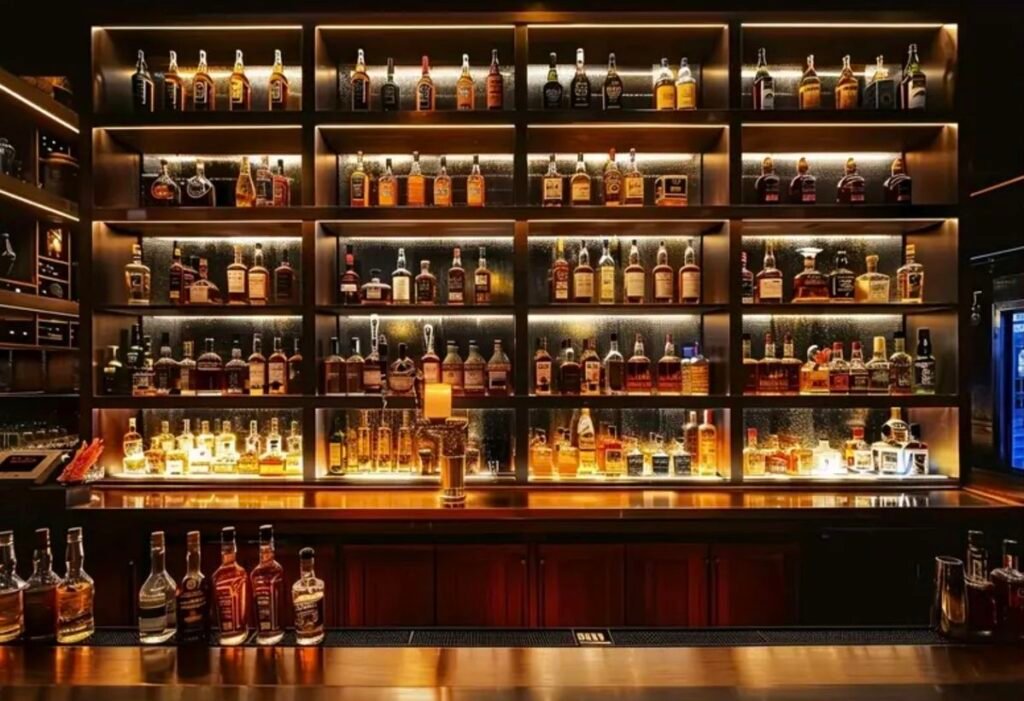
Unlike some other drinks, spirits often require knowledge to fully appreciate:
- Regions
- Production methods
- Flavor nuances
This creates a form of cultural capital.
Knowing what to order—and why—signals expertise.
2. Premiumization
High-end spirits emphasize:
- Age statements
- Limited releases
- Craft production
These elements increase perceived value and exclusivity.
Layer 7 — The Aesthetic of Spirits in Modern Culture
1. Visual Identity
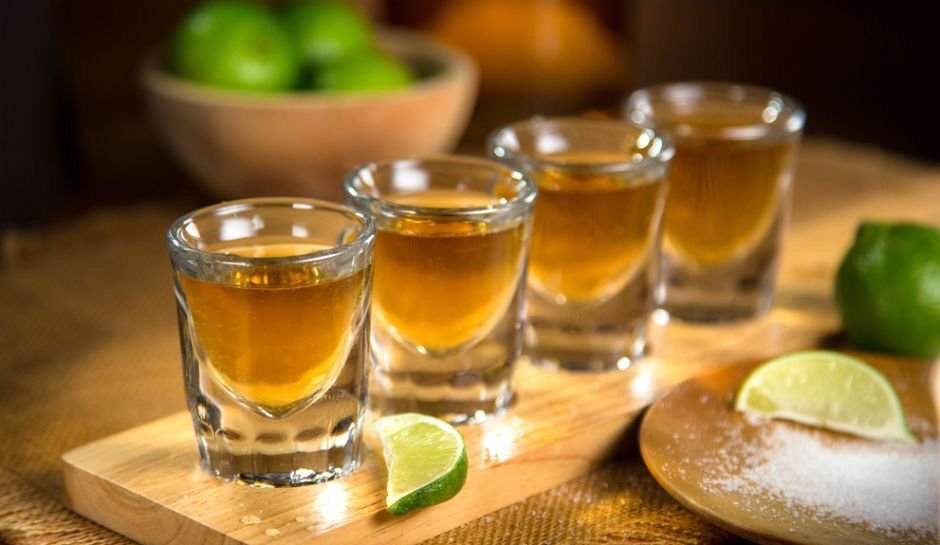
Spirits are visually distinct:
- Dark amber whisky
- Crystal-clear vodka
- Botanical-infused gin
Combined with glassware and lighting, they create a strong aesthetic presence.
2. Social Media Influence
Spirits are increasingly part of curated lifestyles:
- Cocktail photography
- Bar culture imagery
- Personal branding
They are not just consumed—they are displayed.
Layer 8 — The New Consumer Mindset
1. Drinking Less, Choosing Better
Modern consumers are shifting toward:
- Lower frequency
- Higher quality
- Greater intentionality
Spirits fit this model well.
2. Experience Over Quantity
The focus is moving from:
- How much is consumed
to - How it is experienced
This elevates the role of craftsmanship and storytelling.
Layer 9 — The Dual Nature of Grain Spirits
| Dimension | Meaning |
|---|---|
| Functional | Alcoholic strength |
| Psychological | Control and release |
| Social | Identity and signaling |
| Cultural | Tradition and evolution |
Grain spirits operate across all these levels simultaneously.
Conclusion: A Mirror of Modern Identity
Grain spirits are not just beverages—they are mirrors.
They reflect:
- How we manage stress
- How we present ourselves
- How we seek control and meaning
In a world that values individuality and experience, spirits offer something unique: a way to engage deeply, personally, and intentionally.
Whether sipped alone or shared in a group, whether chosen for taste or for symbolism, grain spirits reveal as much about the drinker as they do about the drink itself.
And perhaps that is why they endure.
Because in every glass, there is not just alcohol—but identity, emotion, and a quiet expression of who we are.










