




























Introduction: Beer in the Global Marketplace
Beer is not just a cultural icon; it is a global economic powerhouse. As one of the most widely consumed alcoholic beverages worldwide, beer reflects not only tradition and taste but also business innovation, market dynamics, and consumer behavior.
From mass-produced lagers dominating supermarket shelves to small craft breweries experimenting with flavor and fermentation, the beer industry represents a complex network of production, distribution, branding, and consumption. This article examines the global beer market, including production trends, consumption patterns, market segmentation, craft beer revolution, and emerging opportunities shaping the industry’s future.
1. Overview of the Global Beer Market
1.1 Market Size and Economic Impact
- As of 2025, the global beer market is estimated to exceed $650 billion USD, with projected growth to $720 billion by 2030
- Beer contributes significantly to employment across brewing, distribution, hospitality, and retail sectors
- Tax revenue from beer sales supports governments worldwide, highlighting its economic importance
1.2 Major Beer-Producing Regions
- Europe: Historically dominant, with Germany, Belgium, and the UK producing large volumes and specialty beers
- North America: United States and Canada drive both mass-market production and craft beer innovation
- Asia-Pacific: Rapidly growing markets in China, Japan, India, and Southeast Asia
- Latin America and Africa: Expanding consumption due to urbanization and rising disposable incomes
1.3 Leading Global Brands
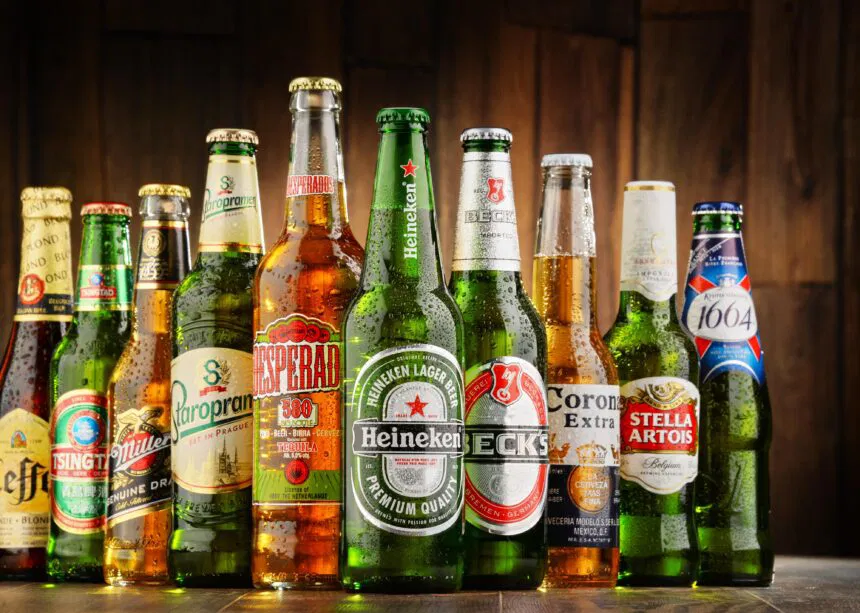
- AB InBev, Heineken, Carlsberg, and Molson Coors dominate international distribution
- Brand strategy emphasizes global reach while maintaining regional flavor and identity
- Consolidation and mergers have reshaped market dynamics, impacting pricing, availability, and marketing
2. Beer Types and Consumer Preferences
2.1 Main Beer Categories
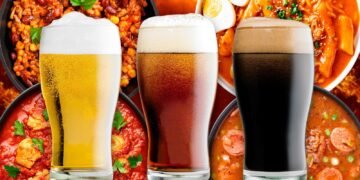
- Lager: Clear, crisp, widely consumed; includes pilsners and pale lagers
- Ale: Top-fermented, often fruity or malty; includes bitters, IPAs, and stouts
- Craft Beer: Small-batch, artisanal, innovative; emphasizes unique flavor profiles and limited releases
- Specialty and Seasonal Beers: Infusions, fruit-flavored, spiced, and barrel-aged variants
2.2 Consumer Segmentation
- Mass-market consumers: Prioritize affordability, consistency, and brand familiarity
- Enthusiasts and connoisseurs: Seek flavor complexity, authenticity, and unique experiences
- Health-conscious consumers: Demand low-alcohol, non-alcoholic, or calorie-conscious beers
2.3 Emerging Trends in Flavor Preferences
- Hazy IPAs, sour beers, and fruit-infused beers growing in popularity
- Regional flavor trends: tropical fruits in Asia, spiced beers in Europe, and chocolate/stout pairings in North America
- Limited-edition and collaboration beers drive excitement and consumer engagement
3. Regional Market Analysis
3.1 Europe
- Traditional beer stronghold with diverse regional styles
- Germany: Largest producer in Europe; exports lagers and specialty beers
- Belgium: Famous for Trappist and abbey beers; focus on artisanal quality
- UK: Balanced between mass-produced lagers and the craft ale resurgence
- Market trends: Premiumization, flavor innovation, and beer tourism
3.2 North America
- United States: Over 9,000 craft breweries as of 2024, producing 25% of all beer consumed in craft segments
- Canada: Focus on premium lagers and craft ales; urban craft brewery boom
- Trends: Low-alcohol beers, ready-to-drink canned cocktails, and online sales channels
3.3 Asia-Pacific
- China: Largest volume market globally; lagers dominate, craft market emerging in major cities
- Japan: High-quality lagers, precision brewing, export-focused craft brands
- India: Lager dominance; craft segment growth driven by urban millennials
- Trends: Premiumization, flavored beers, and beer festival culture expansion
3.4 Latin America and Africa
- Mexico: Beer exports significant; domestic consumption driven by light lagers
- Brazil and Argentina: Rising interest in craft beer among urban consumers
- Africa: Sorghum-based traditional beers coexist with commercial lager expansion
- Trends: Urbanization, youth-oriented branding, and tourism-related consumption
4. Craft Beer Revolution and Consumer Engagement
4.1 Rise of Small-Batch Breweries
- Craft breweries focus on quality, innovation, and locality
- Consumers are attracted to authenticity, creativity, and limited releases
- Craft beer contributes to local economies through job creation and tourism
4.2 Community Engagement
- Taprooms and tasting rooms serve as educational and social hubs
- Beer clubs, online forums, and subscription boxes connect enthusiasts globally
- Festivals like the Great American Beer Festival and European Craft Beer Week highlight new flavors and techniques
4.3 Innovation in Brewing
- Experimental ingredients: exotic hops, fruits, herbs, and grains
- Aging and barrel experiments: whiskey, wine, or rum casks for added complexity
- Flavor customization and small-batch exclusivity appeal to millennial and Gen Z consumers
5. Beer and Gastronomy
5.1 Pairing Principles
- Complementary: Malt-forward beers with desserts or sweet dishes
- Contrasting: Bitter IPAs with fatty or spicy foods
- Regional pairing: Belgian lambics with strong cheeses, German wheat beers with sausages
5.2 Culinary Applications
- Beer as a marinade or cooking ingredient enhances flavor
- Beer-infused breads, sauces, stews, and desserts
- Pairing beer flights with meals enhances dining experiences
5.3 Beer Tourism and Gastronomic Experiences
- Brewery tours, tasting events, and pairing dinners
- Culinary education through craft brewery collaborations
- Integration with local cuisine and cultural heritage
6. Marketing, Branding, and Digital Influence
6.1 Branding Strategies
- Global brands emphasize heritage, consistency, and mass appeal
- Craft breweries use storytelling, regional identity, and sustainability as differentiators
6.2 Digital and Social Media Marketing
- Instagram, TikTok, and YouTube showcase beer culture, brewing processes, and unique experiences
- Influencer collaborations, limited edition releases, and virtual tastings expand reach
- Online communities enhance consumer education and brand loyalty
6.3 Packaging and Innovation
- Creative labels, collectible cans, and eco-friendly packaging
- Seasonal releases and collaboration series drive anticipation and consumer engagement
- Personalized beer experiences for gifting or home consumption
7. Technological Influence and Sustainability
7.1 Advanced Brewing Technology
- Automated fermentation monitoring, IoT-enabled equipment, and AI-assisted quality control
- Enables experimentation, consistency, and efficiency while preserving craft qualities
7.2 Sustainability Practices
- Water and energy conservation, waste grain repurposing
- Use of renewable energy and carbon-neutral operations
- Appeal to environmentally conscious consumers drives brand loyalty
7.3 Supply Chain Optimization
- E-commerce, subscription services, and direct-to-consumer shipping
- Global distribution optimization reduces waste and increases market penetration
- Blockchain for provenance, traceability, and authenticity in premium beers
8. Emerging Trends and Future Outlook
8.1 Low-Alcohol and Non-Alcoholic Beers
- Rising health awareness and moderation trends
- Advanced brewing retains flavor while lowering alcohol content
8.2 Flavor Innovation
- Infusions with fruit, herbs, spices, and alternative grains
- Barrel-aging with rum, whiskey, wine, and exotic woods
- Hybrid beer styles blending ale, lager, and sour techniques
8.3 Global Expansion
- Emerging markets in Asia, Africa, and Latin America
- Education, festivals, and craft beer exposure drive adoption
- Urbanization and rising middle class boost premium and specialty consumption
8.4 Experiential Consumption
- Taproom experiences, brewery tours, tasting workshops
- Beer pairing dinners, festivals, and pop-up events
- Personalization and multi-sensory engagement as differentiators
9. Challenges and Opportunities
9.1 Regulatory Challenges
- Alcohol laws, taxation, and import/export restrictions
- Compliance with health and safety standards
- Innovation constrained by regional brewing regulations
9.2 Market Saturation and Competition
- Proliferation of craft breweries leads to competitive pressures
- Differentiation through flavor, story, experience, and sustainability
9.3 Consumer Education
- Educating new consumers about craft beer, flavor profiles, and brewing methods
- Enhancing appreciation and repeat consumption through tastings, festivals, and events
10. Conclusion: Beer as a Global Industry and Cultural Phenomenon
Beer represents one of the most dynamic intersections of culture, economy, and innovation. The global beer market demonstrates remarkable diversity: from mass-market lagers to artisanal craft brews, from traditional European ales to innovative Asian styles.
Consumer trends, technological advances, and sustainability initiatives are reshaping production, marketing, and distribution. Craft breweries, flavor experimentation, and immersive experiences ensure beer remains relevant to modern consumers, while traditional brewing heritage preserves a link to history.
As beer continues to evolve, it embodies a balance of commerce, culture, and creativity—offering enjoyment, community, and opportunity for both producers and consumers worldwide.