










Introduction: Wine as More Than a Drink
Wine has long been celebrated for its role in culture, cuisine, and social life. Beyond its sensory appeal, research increasingly highlights its connections to health, psychology, and lifestyle. Moderation is key: when consumed responsibly, wine can complement a balanced diet, promote social bonding, and enrich personal and cultural experiences.
This article explores the complex relationship between wine, health, psychology, and lifestyle. From nutritional aspects to mental well-being, culinary integration, and cultural significance, it provides a holistic view of wine as an element of contemporary life.
1. Wine and Physical Health
1.1 Cardiovascular Benefits
- Moderate wine consumption, particularly red wine, has been linked to heart health.
- Polyphenols, especially resveratrol, may support arterial flexibility and reduce inflammation.
- Studies suggest a “J-shaped curve”: light to moderate intake can be beneficial, while excessive drinking increases risk.
1.2 Antioxidants and Polyphenols
- Red wines contain flavonoids, tannins, and phenolic acids.
- Antioxidants help combat oxidative stress, potentially reducing risks of chronic diseases.
- Moderate consumption integrates into a Mediterranean diet emphasizing fruits, vegetables, and healthy fats.
1.3 Metabolic Considerations
- Wine contains calories and sugar; balance with overall diet is essential.
- Alcohol metabolism affects liver function; moderation ensures benefits outweigh risks.
2. Psychological and Social Effects
2.1 Relaxation and Stress Relief
- Small amounts of alcohol can promote relaxation and reduce tension.
- Ritualistic drinking, such as evening wine with dinner, fosters mindfulness and routine.
2.2 Social Connection
- Wine plays a role in communal dining, celebrations, and cultural events.
- Shared wine experiences strengthen social bonds and cultural identity.
2.3 Cognitive Engagement
- Wine tasting stimulates memory, attention, and sensory perception.
- Learning about wine regions, grape varieties, and pairing enhances cognitive engagement and lifelong learning.
3. Wine and Culinary Lifestyle
3.1 Pairing for Flavor and Health
- Pairing wine with meals can enhance flavor while moderating consumption.
- Combining wine with nutrient-rich foods (vegetables, lean protein, healthy fats) contributes to balanced meals.
3.2 Cooking with Wine
- Wine adds complexity to sauces, stews, and marinades.
- Alcohol largely evaporates during cooking, leaving aroma and flavor.
3.3 Wine as Cultural Ritual
- Integrates into family meals, festivals, and ceremonies.
- Promotes mindful eating and appreciation of food provenance.
4. Wine and Lifestyle Trends
4.1 Wellness and Mindful Consumption
- “Drink less, drink better” philosophy prioritizes quality over quantity.
- Organic, biodynamic, and low-alcohol wines appeal to health-conscious consumers.
4.2 Wine Tourism and Experiential Consumption
- Visits to vineyards encourage movement, outdoor activity, and cultural immersion.
- Wine tastings paired with regional cuisine foster appreciation and learning.
4.3 Wine Clubs and Social Communities
- Wine subscription services provide curated experiences and education.
- Communities share tasting notes, pairing suggestions, and lifestyle content.
5. Wine, Age, and Longevity
- Some research links moderate wine consumption to improved longevity, particularly in Mediterranean populations.
- Lifestyle factors—diet, social activity, and moderate alcohol—contribute synergistically.
- Emphasis is on balance: wine complements a healthy lifestyle but is not a substitute for nutrition, exercise, or well-being.
6. Mindful Wine Consumption Practices
6.1 Portion Control
- Standard servings: 150 ml for table wine, 100–125 ml for fortified wine.
- Moderation supports health benefits while minimizing risks.
6.2 Mindful Drinking
- Savoring aroma, flavor, and texture promotes slower consumption.
- Encourages awareness of alcohol content, personal limits, and meal integration.
6.3 Rituals and Routine
- Setting aside special moments for wine enhances enjoyment and mindfulness.
- Pairing wine with cultural or seasonal rituals strengthens psychological satisfaction.
7. Wine and Aging Gracefully
- Wine appreciation often grows with age, paralleling lifestyle and experience.
- Collecting, tasting, and understanding wine can provide intellectual stimulation and social engagement.
- Wine communities, clubs, and education programs enrich cultural life and personal growth.
8. Wine in Contemporary Lifestyle
8.1 Integration with Fitness and Wellness Trends
- Wine is consumed in moderation alongside active, balanced lifestyles.
- Low-alcohol and organic options align with wellness-oriented routines.
8.2 Design, Aesthetics, and Home Culture
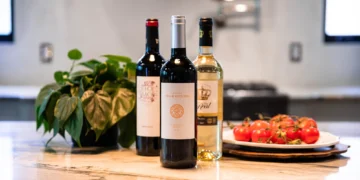
- Wine presentation—glassware, decanters, cellars—enhances domestic experience.
- Wine becomes part of interior design, culinary aesthetics, and personal identity.
8.3 Wine as Mindful Luxury
- Wine symbolizes refinement and cultural literacy without excessive indulgence.
- Quality, provenance, and sensory enjoyment take precedence over quantity.
9. Risks and Responsible Consumption
- Excessive alcohol can lead to liver disease, cardiovascular problems, and dependency.
- Pregnant women, individuals with certain medical conditions, and minors must abstain.
- Responsible consumption emphasizes moderation, awareness, and social responsibility.
10. Conclusion: Wine as a Lifestyle, Health, and Cultural Medium
Wine is a unique beverage at the intersection of pleasure, culture, and well-being. When approached mindfully, it enhances meals, social connections, and personal satisfaction.
The relationship with wine extends beyond physical consumption:
- It fosters cognitive engagement, cultural exploration, and social bonding.
- It integrates into wellness-focused lifestyles and culinary artistry.
- It connects history, geography, and human creativity with everyday experiences.
Ultimately, wine is not just a drink—it is a medium for enjoyment, learning, and living with intention. The responsible, informed appreciation of wine balances sensory pleasure with health, social, and cultural enrichment.
Each glass represents centuries of tradition, meticulous craftsmanship, and the integration of taste, knowledge, and lifestyle—making wine both an art and a way of life.