

Introduction: Beyond Drinking – Wine as Experience
Wine is not merely a beverage; it is an experience that engages multiple senses and embodies culture, history, and personal expression. The art of wine tasting allows enthusiasts to explore this experience fully, from observing color and clarity to savoring subtle aromas and textures.
Tasting wine is both technical and emotional. While professional sommeliers analyze structure, balance, and complexity, casual enthusiasts enjoy the sensory pleasure and the stories each bottle tells. This article delves into the art of wine tasting, exploring techniques, sensory evaluation, pairing strategies, and the cultural significance behind each sip.
1. Visual Analysis: The First Impression
The visual assessment of wine provides clues about its style, age, and quality:
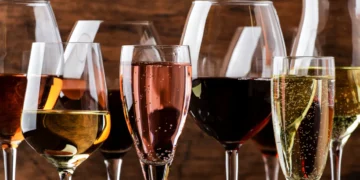
1.1 Color and Hue
- Whites: Pale straw to deep gold indicates age and oak influence.
- Reds: Ruby, garnet, and brick shades reveal varietal, age, and tannin structure.
- Rosés: Range from delicate pink to vibrant coral, often hinting at production method.
1.2 Clarity and Viscosity
- Clarity: Bright and clear wines suggest careful filtration and stability.
- Legs (tears): Droplets forming on the glass reveal alcohol content and glycerol, giving hints about body and texture.
Visual observation sets expectations and primes the palate for tasting.
2. Olfactory Evaluation: Aromas and Complexity
Smell is central to wine appreciation, engaging memory, emotion, and cognition.
2.1 Primary Aromas
Derived from the grape itself:
- Fruit: Citrus, berries, stone fruits, tropical notes
- Floral: Jasmine, rose, elderflower
- Herbal/Vegetal: Mint, thyme, bell pepper
2.2 Secondary Aromas
Produced during fermentation:
- Yeast-derived notes such as bread, brioche, or biscuit
- Butter, cream, or lactic aromas in malolactic-fermented wines
2.3 Tertiary Aromas
Develop through aging:
- Oak-induced aromas: vanilla, clove, smoke
- Bottle-aged notes: leather, tobacco, dried fruit, mushroom
A structured approach to sniffing—deep inhalation, swirling, and careful observation—reveals layers of complexity.
3. Taste Evaluation: Structure and Balance
Tasting integrates aroma with flavor, acidity, tannins, and texture:
3.1 Sweetness
- From dry to sweet, residual sugar influences balance.
- Sweetness is relative, interacting with acidity and alcohol.
3.2 Acidity
- Contributes freshness, brightness, and food-pairing potential.
- High acidity often indicates young or white wines; low acidity gives roundness and softness.
3.3 Tannins
- Present in red wines, derived from grape skins, seeds, and oak.
- Provide structure and aging potential, creating a tactile sensation of dryness and astringency.
3.4 Alcohol and Body
- Alcohol affects warmth, texture, and perceived sweetness.
- Body ranges from light to full, influencing mouthfeel and richness.
3.5 Finish (Aftertaste)
- Length and complexity of the finish are key indicators of quality.
- A long, layered finish is often associated with premium wines.
4. Techniques for Professional Tasting
4.1 Swirling
- Aerates the wine, releasing volatile aromas.
- Allows a deeper olfactory exploration.
4.2 Sipping and Spitting
- Taste small amounts to evaluate without intoxication.
- Spitting allows multiple wines to be compared professionally.
4.3 Evaluating Complexity
- Assess balance among fruit, acidity, tannin, alcohol, and finish.
- Note evolution in the glass over time; wine changes as it breathes.
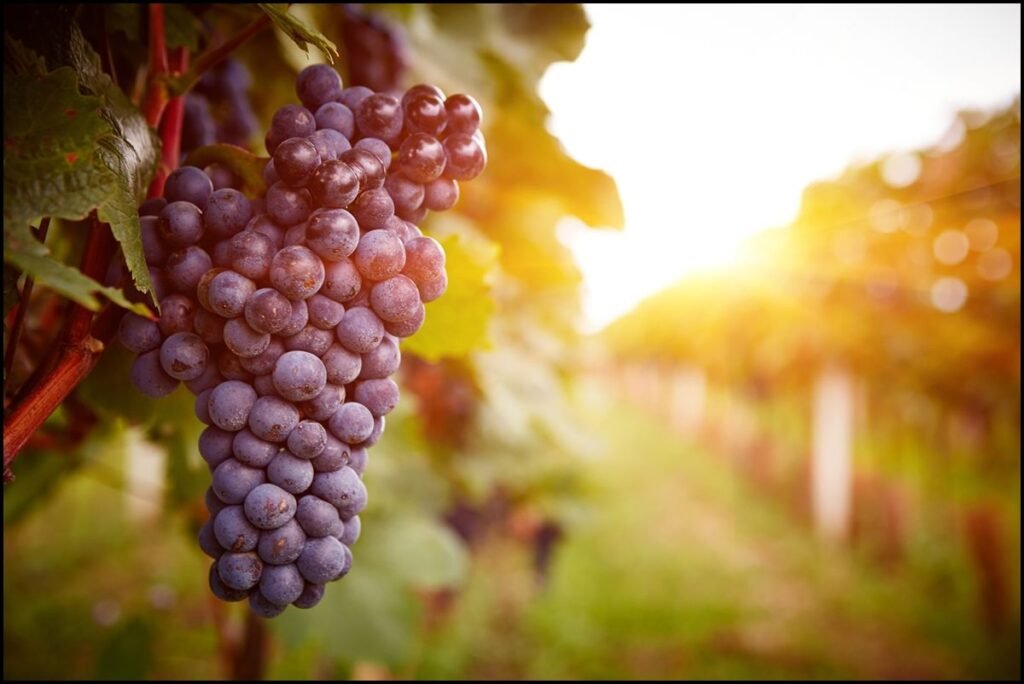
5. Wine and Food Pairing: The Culinary Art
Pairing wine with food enhances both experiences.
5.1 Complementary Pairings
- Match richness and flavor intensity: heavy dishes with full-bodied reds, light dishes with crisp whites.
- Match regional cuisine with local wine for authenticity.
5.2 Contrasting Pairings
- Use acidity to cut through fat, tannins to balance protein, or sweetness to counter spice.
- Examples: Sauvignon Blanc with goat cheese, Riesling with spicy Asian cuisine.
5.3 Champagne and Sparkling Wines
- Versatile pairing with everything from oysters to fried foods.
- Effervescence cleanses the palate and elevates textures.
6. Wine Service: Etiquette and Presentation
6.1 Glassware
- Shape and size affect aroma concentration and tasting experience.
- Red wines: larger bowl for aeration; whites: smaller bowl to preserve freshness.
6.2 Decanting
- Separates sediment and aerates wine, especially aged reds.
- Enhances aromas and softens tannins.
6.3 Temperature
- Red: 16–18°C; White: 8–12°C; Sparkling: 6–10°C
- Correct temperature highlights balance and complexity.
7. The Psychology of Tasting
Wine tasting engages more than the senses:
- Memory and Experience: Aromas trigger memories and emotional responses.
- Expectation Bias: Labeling, price, and presentation influence perception.
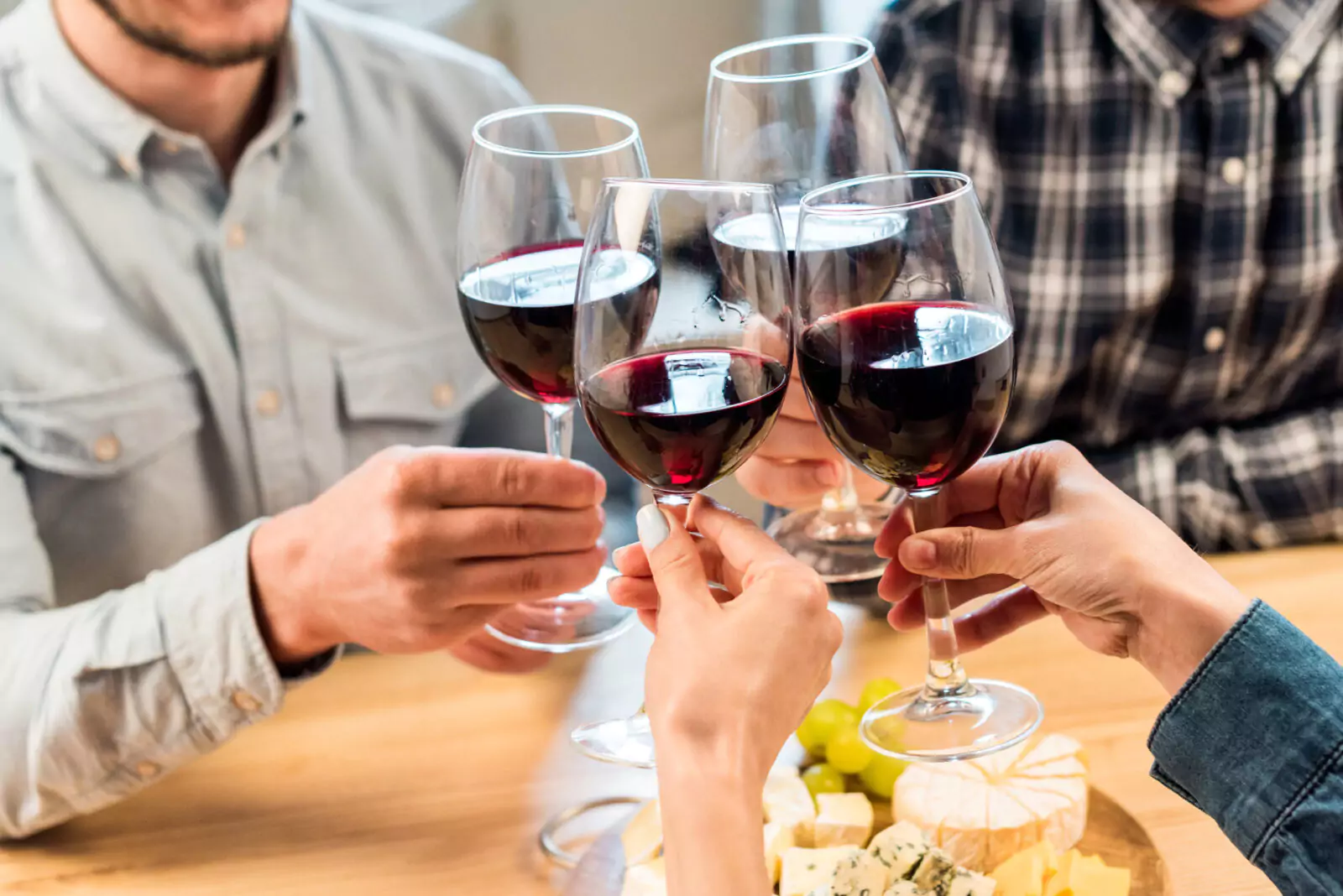
- Social Context: Tasting with others enhances appreciation and storytelling.
Professional tastings combine sensory evaluation with cognitive awareness to fully understand wine.
8. Wine Tasting Across Cultures
Wine appreciation varies culturally:
- France: Emphasis on terroir, nuance, and tradition.
- Italy: Focus on harmony, food pairing, and conviviality.
- United States and Australia: Experimentation, approachability, and accessibility.
- Emerging Markets: China, Japan, and Southeast Asia develop growing wine cultures, blending local preferences with global trends.
Cultural background shapes both tasting style and perception of quality.
9. Wine Education and Professionalism
9.1 Certifications
- Sommelier programs (Court of Master Sommeliers, WSET) formalize knowledge.
- Emphasize tasting skills, food pairing, and wine service.
9.2 Consumer Education
- Wine clubs, tastings, and workshops cultivate broader appreciation.
- Digital resources and apps allow novices to explore varietals, regions, and tasting techniques.
10. Wine Tourism and Experiential Appreciation
- Visiting vineyards and wineries provides immersive learning.
- Tasting rooms, guided tours, and food pairings enrich cultural understanding.
- Festivals celebrate regional identity and create communal experiences.
Wine is no longer just a drink; it is a lifestyle and cultural journey.
11. Contemporary Trends in Wine Tasting
- Blind Tastings: Focus on sensory evaluation without bias.
- Natural and Organic Wines: Highlight authenticity and minimal intervention.
- Digital Tasting Experiences: Online events and virtual reality tastings expand accessibility.
- Experimental Pairings: Wine cocktails and fusion cuisine challenge traditional norms.
Modern tasting balances heritage with innovation, respecting tradition while embracing new experiences.
Conclusion: Wine as a Sensory and Cultural Journey
Wine tasting is a multidimensional experience. It engages sight, smell, taste, and cognition while connecting drinkers to history, culture, and the environment. Whether evaluating a rare vintage or enjoying an approachable bottle, the act of tasting deepens appreciation for the artistry, science, and stories behind each wine.
Every sip reflects the vineyard’s terroir, the winemaker’s skill, and centuries of cultural evolution. Wine tasting transforms the act of drinking into an exploration—an intimate engagement with both nature and human creativity. It is an experience where senses meet intellect, tradition meets innovation, and every bottle offers a journey of discovery.