SipsavorLife
  • Home
  • Wine
    The Cultural History of Wine: From Ancient Rituals to Modern Luxury

    The Psychology of Wine: Why Humans Associate Wine with Emotion, Memory, and Identity

    The Cultural History of Wine: From Ancient Rituals to Modern Luxury

    Sustainable Winemaking: Environmental Challenges and the Future of Vineyards

    The Cultural History of Wine: From Ancient Rituals to Modern Luxury

    Wine and Food Pairing: The Culinary Art of Balance and Flavor

    The Cultural History of Wine: From Ancient Rituals to Modern Luxury

    The Science of Wine: Fermentation, Chemistry, and Flavor Development

    The Cultural History of Wine: From Ancient Rituals to Modern Luxury

    The Cultural History of Wine: From Ancient Rituals to Modern Luxury

    Wine as a Cultural Artifact: History, Identity, and the Evolution of Taste

    The Art and Science of Wine & Food Pairing: How to Create Perfect Matches Every Time

  • Whiskey
    Can Beer Be an Effective Ingredient in Culinary Cooking?

    Can Beer Be an Effective Ingredient in Culinary Cooking?

    Second Fermentation in Champagne: Is It Really That Crucial?

    Second Fermentation in Champagne: Is It Really That Crucial?

    How Do Different Grains Impact the Flavor Profile of Distilled Spirits?

    How Do Different Grains Impact the Flavor Profile of Distilled Spirits?

    How Do Whiskey Master Blenders Create Perfection?

    How Do Whiskey Master Blenders Create Perfection?

    Wine Pairings: Can They Change the Flavor Profile of a Dish?

    Wine Pairings: Can They Change the Flavor Profile of a Dish?

    Beer the Ultimate Beverage for Pairing with Spicy Food?

    Beer the Ultimate Beverage for Pairing with Spicy Food?

  • Beer
    Beer as a Cultural and Social Force: From Ancient Brew to Modern Identity

    Women in Brewing: The Untold History and Modern Transformation of Beer Culture

    The Global Craft Beer Revolution: How Independent Brewers Changed Modern Drinking Culture

    Beer Tourism: Exploring the World Through Breweries and Drinking Traditions

    The Global Craft Beer Revolution: How Independent Brewers Changed Modern Drinking Culture

    Barrel Aging and Experimental Brewing: The New Frontier of Beer Innovation

    The Global Craft Beer Revolution: How Independent Brewers Changed Modern Drinking Culture

    Beer and Society: How Beer Shapes Communities, Traditions, and Human Connection

    The Global Craft Beer Revolution: How Independent Brewers Changed Modern Drinking Culture

    The Global Craft Beer Revolution: How Independent Brewers Changed Modern Drinking Culture

    The Global Craft Beer Revolution: How Independent Breweries Changed Modern Drinking Culture

    The Future of Beer: Innovation, Sustainability, and the Changing Global Drinking Culture

  • Grain Spirits
    Grain Spirits Explained — The Foundation of Global Distillation

    The Future of Grain Spirits — Technology, Sustainability, and the Next Era of Distillation

    Grain Spirits Explained — The Foundation of Global Distillation

    Grain Spirits Around the World — Vodka, Whisky Bases, and Industrial Applications

    Grain Spirits Explained — The Foundation of Global Distillation

    Distillation Systems — Pot Still vs Column Still, and the Balance Between Efficiency and Flavor

    Grain Spirits Explained — The Foundation of Global Distillation

    Grain Selection and Fermentation Science — How Raw Ingredients Shape Grain Spirits

    Grain Spirits Explained — The Foundation of Global Distillation

    Grain Spirits Explained — The Foundation of Global Distillation

    Grain Spirits and the Industrial Birth of Neutral Alcohol

    The Future of Grain Spirits — AI Distillation, Sustainability, and the Post-Flavor Alcohol Industry

  • Champagne
    Champagne: The Sparkling Wine That Changed Global Celebration Culture

    Champagne vs Prosecco vs Cava: How the World’s Sparkling Wines Reflect Culture, Geography, and Taste

    Champagne: The Sparkling Wine That Changed Global Celebration Culture

    Women Who Changed Champagne: Widow Clicquot, Female Leadership, and the Hidden History of Sparkling Wine

    Champagne: The Sparkling Wine That Changed Global Celebration Culture

    Champagne and Gastronomy: Why Sparkling Wine Became One of the World’s Greatest Food Companions

    Champagne: The Sparkling Wine That Changed Global Celebration Culture

    The Art of Luxury Champagne: Prestige, Fashion, and the Global Symbol of Elegance

    Champagne: The Sparkling Wine That Changed Global Celebration Culture

    Champagne: The Sparkling Wine That Changed Global Celebration Culture

    The History of Champagne — From Accidental Sparkle to Global Luxury

    The Future of Champagne — Climate Change, Innovation, and Industry Evolution

  • ALL
    Can Beer Be an Effective Ingredient in Culinary Cooking?

    Can Beer Be an Effective Ingredient in Culinary Cooking?

    Second Fermentation in Champagne: Is It Really That Crucial?

    Second Fermentation in Champagne: Is It Really That Crucial?

    How Do Different Grains Impact the Flavor Profile of Distilled Spirits?

    How Do Different Grains Impact the Flavor Profile of Distilled Spirits?

    How Do Whiskey Master Blenders Create Perfection?

    How Do Whiskey Master Blenders Create Perfection?

    Wine Pairings: Can They Change the Flavor Profile of a Dish?

    Wine Pairings: Can They Change the Flavor Profile of a Dish?

    Beer the Ultimate Beverage for Pairing with Spicy Food?

    Beer the Ultimate Beverage for Pairing with Spicy Food?

SipsavorLife
  • Home
  • Wine
    The Cultural History of Wine: From Ancient Rituals to Modern Luxury

    The Psychology of Wine: Why Humans Associate Wine with Emotion, Memory, and Identity

    The Cultural History of Wine: From Ancient Rituals to Modern Luxury

    Sustainable Winemaking: Environmental Challenges and the Future of Vineyards

    The Cultural History of Wine: From Ancient Rituals to Modern Luxury

    Wine and Food Pairing: The Culinary Art of Balance and Flavor

    The Cultural History of Wine: From Ancient Rituals to Modern Luxury

    The Science of Wine: Fermentation, Chemistry, and Flavor Development

    The Cultural History of Wine: From Ancient Rituals to Modern Luxury

    The Cultural History of Wine: From Ancient Rituals to Modern Luxury

    Wine as a Cultural Artifact: History, Identity, and the Evolution of Taste

    The Art and Science of Wine & Food Pairing: How to Create Perfect Matches Every Time

  • Whiskey
    Can Beer Be an Effective Ingredient in Culinary Cooking?

    Can Beer Be an Effective Ingredient in Culinary Cooking?

    Second Fermentation in Champagne: Is It Really That Crucial?

    Second Fermentation in Champagne: Is It Really That Crucial?

    How Do Different Grains Impact the Flavor Profile of Distilled Spirits?

    How Do Different Grains Impact the Flavor Profile of Distilled Spirits?

    How Do Whiskey Master Blenders Create Perfection?

    How Do Whiskey Master Blenders Create Perfection?

    Wine Pairings: Can They Change the Flavor Profile of a Dish?

    Wine Pairings: Can They Change the Flavor Profile of a Dish?

    Beer the Ultimate Beverage for Pairing with Spicy Food?

    Beer the Ultimate Beverage for Pairing with Spicy Food?

  • Beer
    Beer as a Cultural and Social Force: From Ancient Brew to Modern Identity

    Women in Brewing: The Untold History and Modern Transformation of Beer Culture

    The Global Craft Beer Revolution: How Independent Brewers Changed Modern Drinking Culture

    Beer Tourism: Exploring the World Through Breweries and Drinking Traditions

    The Global Craft Beer Revolution: How Independent Brewers Changed Modern Drinking Culture

    Barrel Aging and Experimental Brewing: The New Frontier of Beer Innovation

    The Global Craft Beer Revolution: How Independent Brewers Changed Modern Drinking Culture

    Beer and Society: How Beer Shapes Communities, Traditions, and Human Connection

    The Global Craft Beer Revolution: How Independent Brewers Changed Modern Drinking Culture

    The Global Craft Beer Revolution: How Independent Brewers Changed Modern Drinking Culture

    The Global Craft Beer Revolution: How Independent Breweries Changed Modern Drinking Culture

    The Future of Beer: Innovation, Sustainability, and the Changing Global Drinking Culture

  • Grain Spirits
    Grain Spirits Explained — The Foundation of Global Distillation

    The Future of Grain Spirits — Technology, Sustainability, and the Next Era of Distillation

    Grain Spirits Explained — The Foundation of Global Distillation

    Grain Spirits Around the World — Vodka, Whisky Bases, and Industrial Applications

    Grain Spirits Explained — The Foundation of Global Distillation

    Distillation Systems — Pot Still vs Column Still, and the Balance Between Efficiency and Flavor

    Grain Spirits Explained — The Foundation of Global Distillation

    Grain Selection and Fermentation Science — How Raw Ingredients Shape Grain Spirits

    Grain Spirits Explained — The Foundation of Global Distillation

    Grain Spirits Explained — The Foundation of Global Distillation

    Grain Spirits and the Industrial Birth of Neutral Alcohol

    The Future of Grain Spirits — AI Distillation, Sustainability, and the Post-Flavor Alcohol Industry

  • Champagne
    Champagne: The Sparkling Wine That Changed Global Celebration Culture

    Champagne vs Prosecco vs Cava: How the World’s Sparkling Wines Reflect Culture, Geography, and Taste

    Champagne: The Sparkling Wine That Changed Global Celebration Culture

    Women Who Changed Champagne: Widow Clicquot, Female Leadership, and the Hidden History of Sparkling Wine

    Champagne: The Sparkling Wine That Changed Global Celebration Culture

    Champagne and Gastronomy: Why Sparkling Wine Became One of the World’s Greatest Food Companions

    Champagne: The Sparkling Wine That Changed Global Celebration Culture

    The Art of Luxury Champagne: Prestige, Fashion, and the Global Symbol of Elegance

    Champagne: The Sparkling Wine That Changed Global Celebration Culture

    Champagne: The Sparkling Wine That Changed Global Celebration Culture

    The History of Champagne — From Accidental Sparkle to Global Luxury

    The Future of Champagne — Climate Change, Innovation, and Industry Evolution

  • ALL
    Can Beer Be an Effective Ingredient in Culinary Cooking?

    Can Beer Be an Effective Ingredient in Culinary Cooking?

    Second Fermentation in Champagne: Is It Really That Crucial?

    Second Fermentation in Champagne: Is It Really That Crucial?

    How Do Different Grains Impact the Flavor Profile of Distilled Spirits?

    How Do Different Grains Impact the Flavor Profile of Distilled Spirits?

    How Do Whiskey Master Blenders Create Perfection?

    How Do Whiskey Master Blenders Create Perfection?

    Wine Pairings: Can They Change the Flavor Profile of a Dish?

    Wine Pairings: Can They Change the Flavor Profile of a Dish?

    Beer the Ultimate Beverage for Pairing with Spicy Food?

    Beer the Ultimate Beverage for Pairing with Spicy Food?

SipsavorLife
No Result
View All Result
Home Wine

The Art of Wine Tasting: A Journey Through Senses and Culture

March 30, 2026
in Wine
The History and Culture of Wine: From Ancient Traditions to Modern Lifestyle

Introduction: Beyond Drinking – Wine as Experience

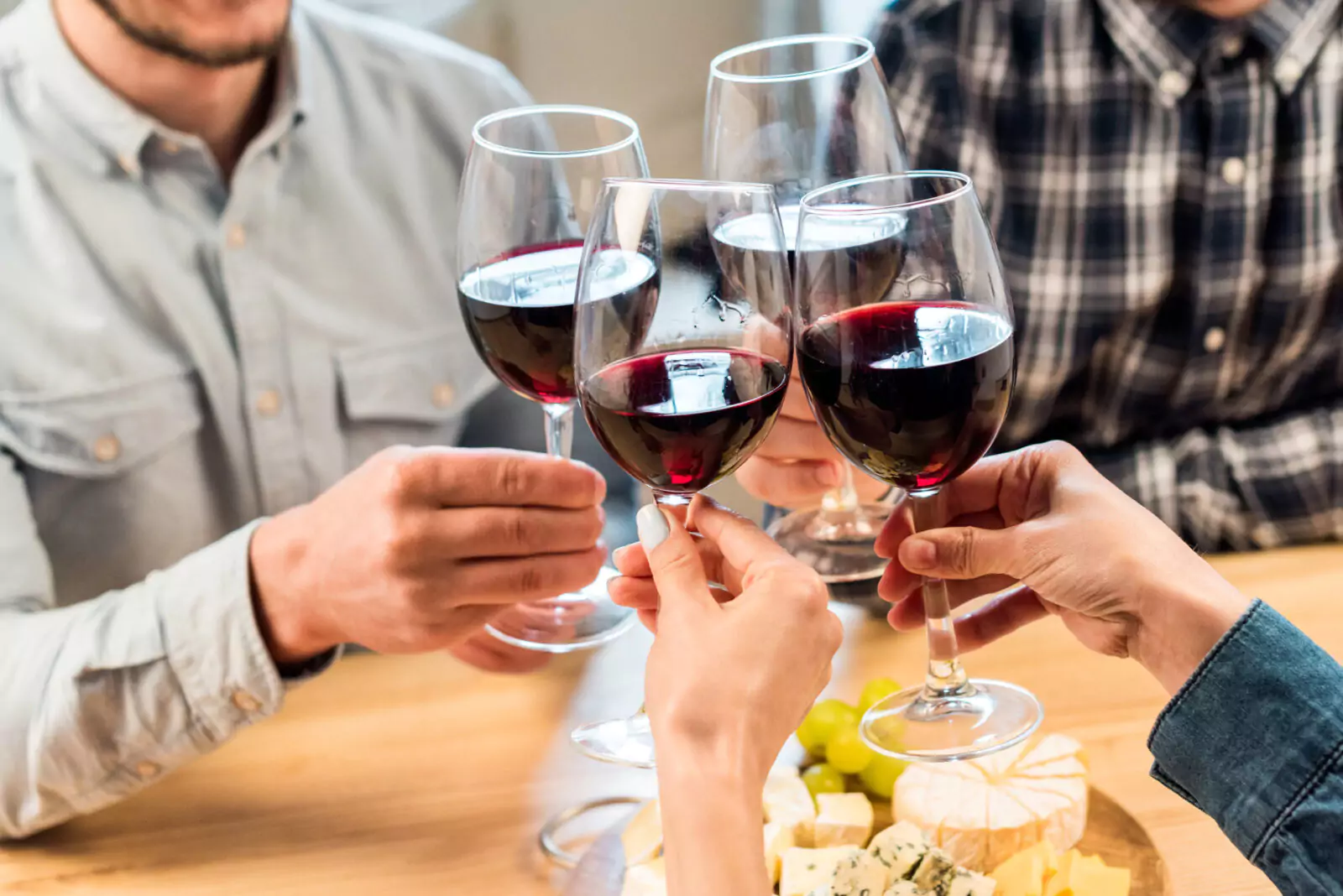
Wine is not merely a beverage; it is an experience that engages multiple senses and embodies culture, history, and personal expression. The art of wine tasting allows enthusiasts to explore this experience fully, from observing color and clarity to savoring subtle aromas and textures.

Tasting wine is both technical and emotional. While professional sommeliers analyze structure, balance, and complexity, casual enthusiasts enjoy the sensory pleasure and the stories each bottle tells. This article delves into the art of wine tasting, exploring techniques, sensory evaluation, pairing strategies, and the cultural significance behind each sip.


1. Visual Analysis: The First Impression

The visual assessment of wine provides clues about its style, age, and quality:

1.1 Color and Hue

  • Whites: Pale straw to deep gold indicates age and oak influence.
  • Reds: Ruby, garnet, and brick shades reveal varietal, age, and tannin structure.
  • Rosés: Range from delicate pink to vibrant coral, often hinting at production method.

1.2 Clarity and Viscosity

  • Clarity: Bright and clear wines suggest careful filtration and stability.
  • Legs (tears): Droplets forming on the glass reveal alcohol content and glycerol, giving hints about body and texture.

Visual observation sets expectations and primes the palate for tasting.


2. Olfactory Evaluation: Aromas and Complexity

Smell is central to wine appreciation, engaging memory, emotion, and cognition.

2.1 Primary Aromas

Derived from the grape itself:

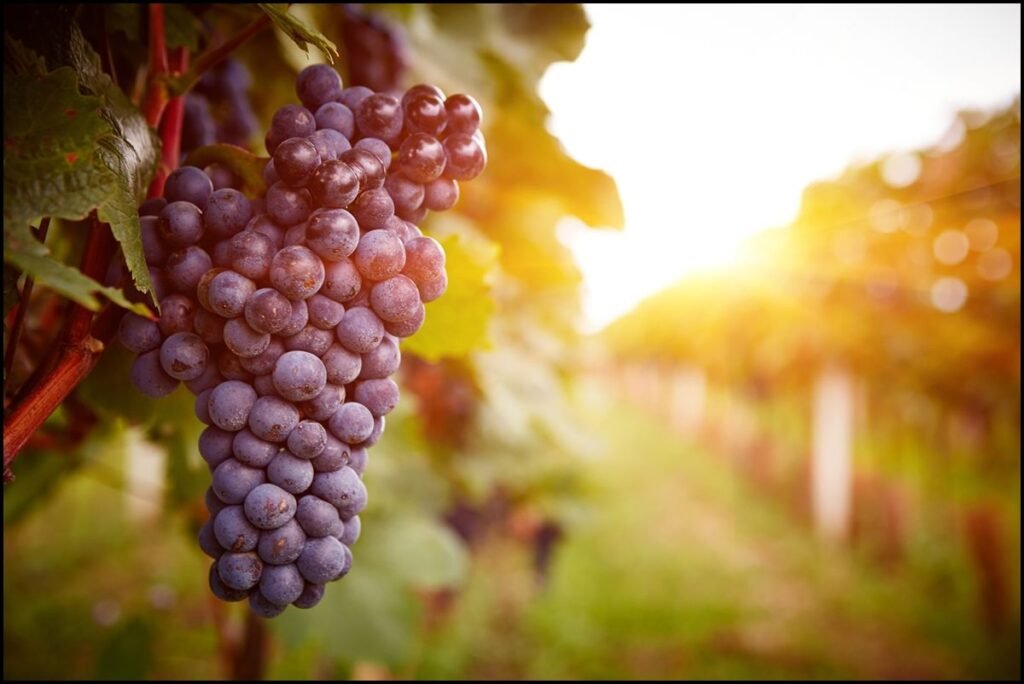
  • Fruit: Citrus, berries, stone fruits, tropical notes
  • Floral: Jasmine, rose, elderflower
  • Herbal/Vegetal: Mint, thyme, bell pepper

2.2 Secondary Aromas

Produced during fermentation:

  • Yeast-derived notes such as bread, brioche, or biscuit
  • Butter, cream, or lactic aromas in malolactic-fermented wines

2.3 Tertiary Aromas

Develop through aging:

  • Oak-induced aromas: vanilla, clove, smoke
  • Bottle-aged notes: leather, tobacco, dried fruit, mushroom

A structured approach to sniffing—deep inhalation, swirling, and careful observation—reveals layers of complexity.


3. Taste Evaluation: Structure and Balance

Tasting integrates aroma with flavor, acidity, tannins, and texture:

3.1 Sweetness

  • From dry to sweet, residual sugar influences balance.
  • Sweetness is relative, interacting with acidity and alcohol.

3.2 Acidity

  • Contributes freshness, brightness, and food-pairing potential.
  • High acidity often indicates young or white wines; low acidity gives roundness and softness.

3.3 Tannins

  • Present in red wines, derived from grape skins, seeds, and oak.
  • Provide structure and aging potential, creating a tactile sensation of dryness and astringency.

3.4 Alcohol and Body

  • Alcohol affects warmth, texture, and perceived sweetness.
  • Body ranges from light to full, influencing mouthfeel and richness.

3.5 Finish (Aftertaste)

  • Length and complexity of the finish are key indicators of quality.
  • A long, layered finish is often associated with premium wines.

4. Techniques for Professional Tasting

4.1 Swirling

  • Aerates the wine, releasing volatile aromas.
  • Allows a deeper olfactory exploration.

4.2 Sipping and Spitting

  • Taste small amounts to evaluate without intoxication.
  • Spitting allows multiple wines to be compared professionally.

4.3 Evaluating Complexity

  • Assess balance among fruit, acidity, tannin, alcohol, and finish.
  • Note evolution in the glass over time; wine changes as it breathes.
5. Wine and Food Pairing: The Culinary Art

Pairing wine with food enhances both experiences.

5.1 Complementary Pairings

  • Match richness and flavor intensity: heavy dishes with full-bodied reds, light dishes with crisp whites.
  • Match regional cuisine with local wine for authenticity.

5.2 Contrasting Pairings

  • Use acidity to cut through fat, tannins to balance protein, or sweetness to counter spice.
  • Examples: Sauvignon Blanc with goat cheese, Riesling with spicy Asian cuisine.

5.3 Champagne and Sparkling Wines

  • Versatile pairing with everything from oysters to fried foods.
  • Effervescence cleanses the palate and elevates textures.

6. Wine Service: Etiquette and Presentation

6.1 Glassware

  • Shape and size affect aroma concentration and tasting experience.
  • Red wines: larger bowl for aeration; whites: smaller bowl to preserve freshness.

6.2 Decanting

  • Separates sediment and aerates wine, especially aged reds.
  • Enhances aromas and softens tannins.

6.3 Temperature

  • Red: 16–18°C; White: 8–12°C; Sparkling: 6–10°C
  • Correct temperature highlights balance and complexity.

7. The Psychology of Tasting

Wine tasting engages more than the senses:

  • Memory and Experience: Aromas trigger memories and emotional responses.
  • Expectation Bias: Labeling, price, and presentation influence perception.
  • Social Context: Tasting with others enhances appreciation and storytelling.

Professional tastings combine sensory evaluation with cognitive awareness to fully understand wine.


8. Wine Tasting Across Cultures

Wine appreciation varies culturally:

  • France: Emphasis on terroir, nuance, and tradition.
  • Italy: Focus on harmony, food pairing, and conviviality.
  • United States and Australia: Experimentation, approachability, and accessibility.
  • Emerging Markets: China, Japan, and Southeast Asia develop growing wine cultures, blending local preferences with global trends.

Cultural background shapes both tasting style and perception of quality.


9. Wine Education and Professionalism

9.1 Certifications

  • Sommelier programs (Court of Master Sommeliers, WSET) formalize knowledge.
  • Emphasize tasting skills, food pairing, and wine service.

9.2 Consumer Education

  • Wine clubs, tastings, and workshops cultivate broader appreciation.
  • Digital resources and apps allow novices to explore varietals, regions, and tasting techniques.

10. Wine Tourism and Experiential Appreciation

  • Visiting vineyards and wineries provides immersive learning.
  • Tasting rooms, guided tours, and food pairings enrich cultural understanding.
  • Festivals celebrate regional identity and create communal experiences.

Wine is no longer just a drink; it is a lifestyle and cultural journey.


11. Contemporary Trends in Wine Tasting

  • Blind Tastings: Focus on sensory evaluation without bias.
  • Natural and Organic Wines: Highlight authenticity and minimal intervention.
  • Digital Tasting Experiences: Online events and virtual reality tastings expand accessibility.
  • Experimental Pairings: Wine cocktails and fusion cuisine challenge traditional norms.

Modern tasting balances heritage with innovation, respecting tradition while embracing new experiences.


Conclusion: Wine as a Sensory and Cultural Journey

Wine tasting is a multidimensional experience. It engages sight, smell, taste, and cognition while connecting drinkers to history, culture, and the environment. Whether evaluating a rare vintage or enjoying an approachable bottle, the act of tasting deepens appreciation for the artistry, science, and stories behind each wine.

Every sip reflects the vineyard’s terroir, the winemaker’s skill, and centuries of cultural evolution. Wine tasting transforms the act of drinking into an exploration—an intimate engagement with both nature and human creativity. It is an experience where senses meet intellect, tradition meets innovation, and every bottle offers a journey of discovery.
Tags: CulturetasteWine
ShareTweetShare

Related Posts

The Cultural History of Wine: From Ancient Rituals to Modern Luxury
Wine

The Psychology of Wine: Why Humans Associate Wine with Emotion, Memory, and Identity

May 23, 2026
The Cultural History of Wine: From Ancient Rituals to Modern Luxury
Wine

Sustainable Winemaking: Environmental Challenges and the Future of Vineyards

May 23, 2026
The Cultural History of Wine: From Ancient Rituals to Modern Luxury
Wine

Wine and Food Pairing: The Culinary Art of Balance and Flavor

May 23, 2026
The Cultural History of Wine: From Ancient Rituals to Modern Luxury
Wine

The Science of Wine: Fermentation, Chemistry, and Flavor Development

May 23, 2026
The Cultural History of Wine: From Ancient Rituals to Modern Luxury
Wine

The Cultural History of Wine: From Ancient Rituals to Modern Luxury

May 23, 2026
Wine as a Cultural Artifact: History, Identity, and the Evolution of Taste
Wine

The Art and Science of Wine & Food Pairing: How to Create Perfect Matches Every Time

April 26, 2026
Leave Comment
  • Trending
  • Comments
  • Latest
Role of Terroir in Champagne Production

Role of Terroir in Champagne Production

January 19, 2026
Champagne Can Be Aged in Wood?

Champagne Can Be Aged in Wood?

January 18, 2026
Is Organic Wine Healthier Than Conventional Wine?

Is Organic Wine Healthier Than Conventional Wine?

January 20, 2026
Why Do Some Champagnes Use a High Proportion of Pinot Meunier?

Why Do Some Champagnes Use a High Proportion of Pinot Meunier?

January 20, 2026
The Timeless Elegance of Wine: A Journey Through History and Culture

The Timeless Elegance of Wine: A Journey Through History and Culture

Why Is Château Lafite Rothschild the Pinnacle of Fine Wine?

Why Is Château Lafite Rothschild the Pinnacle of Fine Wine?

How Did Château Lafite Rothschild Become a Global Icon of Luxury?

How Did Château Lafite Rothschild Become a Global Icon of Luxury?

What Makes Chateau Lafite Rothschild the Pinnacle of Bordeaux Wines?

What Makes Chateau Lafite Rothschild the Pinnacle of Bordeaux Wines?

Champagne: The Sparkling Wine That Changed Global Celebration Culture

Champagne vs Prosecco vs Cava: How the World’s Sparkling Wines Reflect Culture, Geography, and Taste

May 24, 2026
Champagne: The Sparkling Wine That Changed Global Celebration Culture

Women Who Changed Champagne: Widow Clicquot, Female Leadership, and the Hidden History of Sparkling Wine

May 24, 2026
Champagne: The Sparkling Wine That Changed Global Celebration Culture

Champagne and Gastronomy: Why Sparkling Wine Became One of the World’s Greatest Food Companions

May 24, 2026
Champagne: The Sparkling Wine That Changed Global Celebration Culture

The Art of Luxury Champagne: Prestige, Fashion, and the Global Symbol of Elegance

May 24, 2026
SipsavorLife

Welcome to our comprehensive beverage guide, where you can explore the fascinating world of alcoholic drinks. From exquisite wines and rich whiskeys to refreshing beers and sparkling champagnes, we provide insights, tips, and recommendations for enthusiasts and casual drinkers alike. Discover your next favorite libation with us!

© 2025 sipsavorlife.com. contacts:sipsavorlife-35376@gmail.com

No Result
View All Result
  • Home
  • Wine
  • Whiskey
  • Beer
  • Grain Spirits
  • Champagne
  • ALL

© 2025 sipsavorlife.com. contacts:sipsavorlife-35376@gmail.com

Welcome Back!

Login to your account below

Forgotten Password?

Retrieve your password

Please enter your username or email address to reset your password.

Log In